
How to Read a FEMA Flood Map (FIRM) in 10 Minutes
4 min read
On this page
- What Is a FEMA Flood Map (FIRM)?
- Step 1: Access the Right Map
- Step 2: Understand Map Basics
- Step 3: Identify Flood Zones
- Step 4: Find the Base Flood Elevation (BFE)
- Step 5: Read the Flood Insurance Study (FIS) Report
- Step 6: Check for Local Variations
- Common Mistakes to Avoid
- Conclusion: Know Your Risk and Take Action
Learn to quickly interpret FEMA Flood Insurance Rate Maps (FIRMs) to determine your home's flood risk, understand zones, and identify base flood elevations.
What Is a FEMA Flood Map (FIRM)?
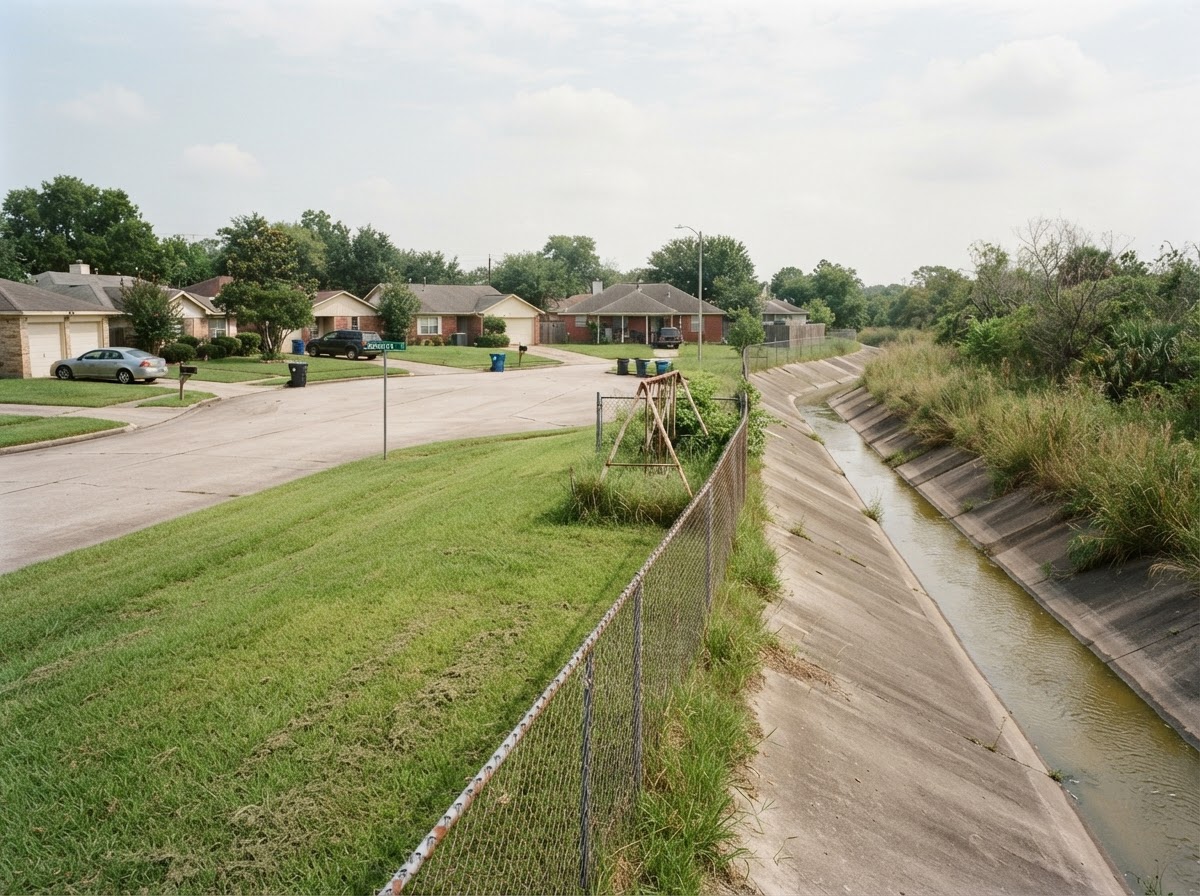
A Flood Insurance Rate Map (FIRM) is the official map produced by the Federal Emergency Management Agency (FEMA) that shows flood hazard zones for communities across the United States. These maps are used by lenders, insurers, and homeowners to assess flood risk and determine mandatory flood insurance requirements. Reading a FIRM can seem daunting, but with a few minutes and this guide, you can identify key information about your property.
Step 1: Access the Right Map
Start at the FEMA Map Service Center (MSC) at msc.fema.gov. Enter your address or coordinates to find the FIRM for your area. You can view the map online or download a PDF. Make sure you are viewing the most recent effective FIRM—older preliminary maps may show different zones.
Step 2: Understand Map Basics
Every FIRM has a map title block, a legend, and a base map with flood zones. Key components include:
- Panel Number: A unique identifier (e.g., 12345C1234E) printed in the corners. This helps when discussing your map.
- Map Scale: Usually 1:6,000 or 1:12,000 for detailed areas. Use the scale bar to estimate distances.
- Date: The effective date of the map—flood risks can change when maps are updated.
Step 3: Identify Flood Zones
Look for shaded areas representing Special Flood Hazard Areas (SFHAs) and other zones. The legend (often in the lower right or on a separate sheet) explains each symbol. Key zones include:
- Zone A, AE, A1–A30: Areas with a 1% annual chance of flooding (base flood). Zone AE includes a defined base flood elevation (BFE).
- Zone V, VE, V1–V30: Coastal high-hazard areas with wave action. Also have a BFE.
- Zone X (shaded/X500): Areas with 0.2% annual chance of flooding (500-year flood).
- Zone X (unshaded): Minimal flood risk (outside the 0.2% chance).
Your property's zone determines flood insurance requirements. If you’re in an SFHA (A or V zones) and have a federally backed mortgage, flood insurance is mandatory.
Step 4: Find the Base Flood Elevation (BFE)
For AE and VE zones, the map will show lines labeled with numbers (e.g., EL 10) that indicate the Base Flood Elevation. This is the elevation that floodwaters reach during a 1%-annual-chance flood (also called the 100-year flood). To interpret BFE:
- Look for the numbered elevation contours or spot elevations within the zone.
- Compare BFE to your home's first floor elevation (FFE). If your FFE is below BFE, you are at high risk and may need to elevate. Check your FFE from a survey or elevation certificate.
- FEMA's FloodSmart.gov provides resources on understanding BFE.
Step 5: Read the Flood Insurance Study (FIS) Report
Each FIRM comes with a Flood Insurance Study (FIS) report that contains detailed flood profiles, floodway data, and community panels. You can download the FIS from the MSC for your community. It explains how the flood zones were determined and provides BFE tables for specific locations.
Step 6: Check for Local Variations
Keep in mind that FIRMs are national tools, but local flood hazards (e.g., stormwater runoff, small streams) may not be fully captured. Your community may have stricter floodplain management regulations. Check with your local planning or emergency management office for additional maps. Also, the FIRM does not reflect future changes due to development or climate change—use it as a baseline.
Common Mistakes to Avoid
- Confusing FIRM zones with flood insurance risk: While FIRMs dictate mandatory insurance, even homes in Zone X can flood. Consider moderate-risk maps or buy flood insurance regardless.
- Overlooking the BFE: If your property is in an AE zone but you don’t see a BFE line, check the adjacent panels or the FIS.
- Using old maps: Always verify the effective date. If a new map is in progress, the flood risk may change; FEMA’s map update page can help.
Conclusion: Know Your Risk and Take Action
Reading a FEMA flood map is a valuable skill for any homeowner. In under 10 minutes, you can identify your flood zone, find your BFE, and understand your insurance requirements. Once you know your risk, take steps to protect your home: consider flood insurance (even if not required), document your property with photos and a elevation certificate, and visit Ready.gov/floods for preparedness tips. Remember, flood maps are just the starting point—stay informed and prepared.
About our guidance
Our guides are grounded in publicly available information from official sources such as FEMA, NOAA, USGS and Ready.gov. Information is general in nature — always verify details for your specific property and policy with official sources and your insurer.
Related guides
 InsuranceLender-Placed Flood Insurance: The Expensive Backup If Your Policy LapsesYour lender can force-place flood insurance if your policy lapses — and bill you for it, usually at a higher price. Here is how…Oct 15, 2026Read guide →
 InsuranceWhat Happens to Your NFIP Policy If Congress Lets the Program LapseCongress extended the NFIP through December 11, 2026. If the program lapses, existing policies stay in force and claims get paid…Oct 15, 2026Read guide →
 InsuranceExcess Flood Insurance: Coverage Above NFIP's $250,000 LimitThe NFIP caps flood coverage at $250,000 for the building and $100,000 for contents. If your home would cost more to rebuild,…Oct 15, 2026Read guide →