
How to Use FEMA's National Risk Index for Your Address
4 min read
On this page
Learn how to look up natural hazard risks for your specific address using FEMA’s free National Risk Index tool. Understand the scores and take steps to protect your home.
What Is FEMA's National Risk Index?
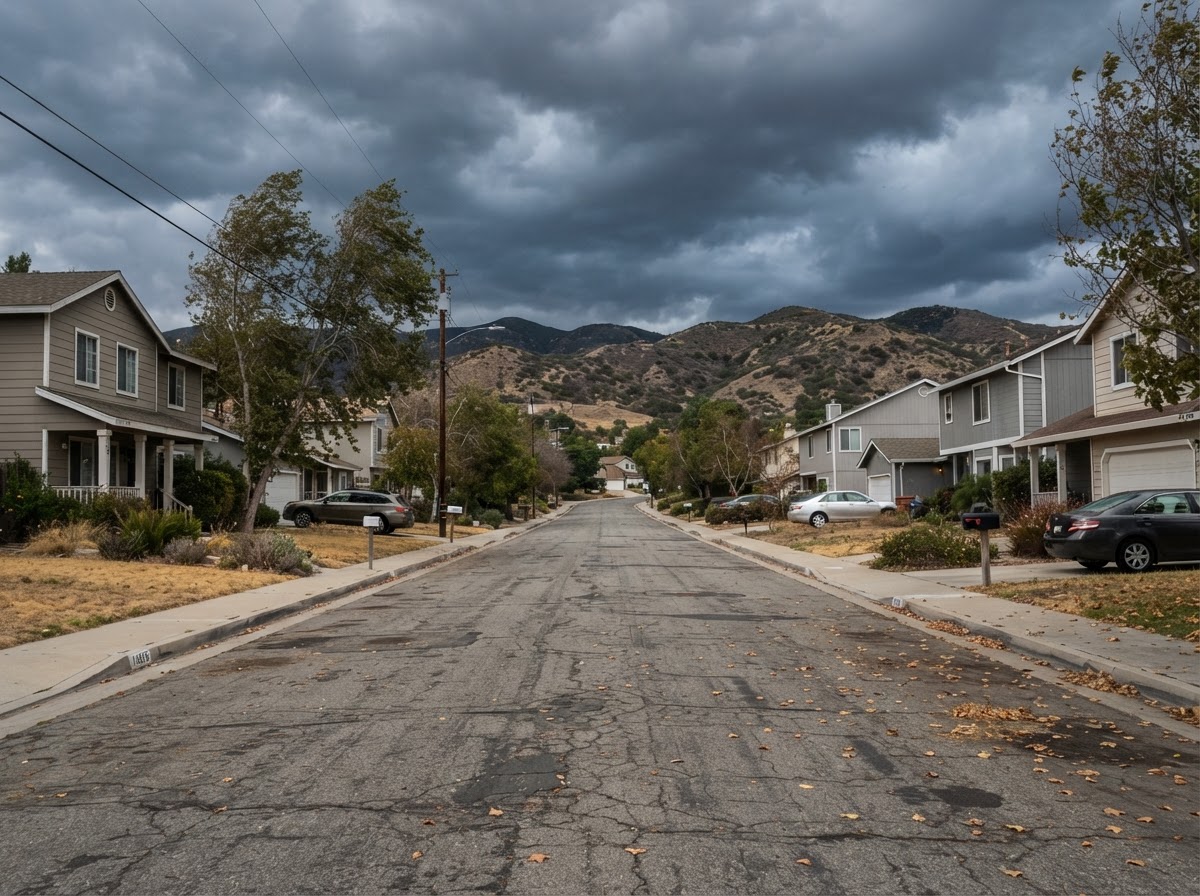
FEMA's National Risk Index (NRI) is a free online tool that helps homeowners and communities understand their risk for 18 natural hazards, including floods, hurricanes, earthquakes, wildfires, tornadoes, and more. The NRI combines data on expected annual loss from hazards, social vulnerability, and community resilience to produce a single risk score for every county and census tract in the United States.
This tool is designed to aid in risk communication and mitigation planning. By entering your address, you can see a risk profile for your neighborhood and compare it to other areas. This information can inform decisions about insurance, home improvements, or emergency preparedness.
How to Access and Use the National Risk Index
To get started, visit the NRI website at hazards.fema.gov/nri/. No registration is required.
Step 1: Enter Your Address
On the homepage, click the "Explore Your Area" button. Then type your home address into the search bar and select the correct result. The map will zoom to your location and display a boundary around your census tract.
Step 2: View Your Risk Summary
A pop-up panel will show an overall risk rating (e.g., Very High, High, Relatively Moderate, Relatively Low, Very Low) along with a risk index score (0–100). This score is a percentile ranking compared to the rest of the nation. For example, a score of 90 means your area is riskier than 90% of U.S. census tracts.
Step 3: Explore Hazard-Specific Risks
Below the summary, you can scroll through each of the 18 natural hazards. For each hazard, you'll see a separate risk rating and score, as well as the expected annual loss (in dollars) and the frequency of occurrence. This tells you which hazards pose the greatest threat to your home.
Understanding the Key Components
The NRI risk score is built from three equally weighted components:
- Expected Annual Loss (EAL): A measure of the average economic loss per year from a given hazard, expressed in dollars. It accounts for building value, population, and agriculture at risk.
- Social Vulnerability: An index that captures characteristics such as poverty, lack of vehicle access, and household composition that make it harder for people to prepare for, respond to, and recover from disasters.
- Community Resilience: A measure of a community's capacity to withstand and recover from disasters, based on factors like insurance coverage, community planning, and access to healthcare.
By understanding each component, you can see not only how much damage might occur but also how prepared your area is. For instance, a high EAL but low social vulnerability might still result in a moderate risk.
What the Scores Mean for Your Home
The NRI gives you a relative ranking, not a precise prediction. A "Very High" risk for flood means your census tract is among the most flood-prone in the country, not that your home will flood every year. Similarly, a "Very Low" earthquake risk indicates a low probability of significant shaking.
Use the hazard-specific details to:
- Prioritize home improvements: If your area has high wind risk, consider impact-resistant windows or a reinforced roof. For high wildfire risk, create defensible space and use fire-resistant materials.
- Review insurance coverage: Standard homeowners policies often exclude flood and earthquake damage. Check if you need separate policies. FEMA's data can support conversations with your insurance agent.
- Create an emergency plan: Know the hazards you face and prepare a kit (water, food, medications, documents) and a family communication plan. Visit Ready.gov for guidance.
- Check local building codes: Your community may have adopted stricter codes for certain hazards. Contact your local building department for more information.
Limitations and Additional Resources
The NRI is a screening tool and should not replace a detailed site assessment. For flood risk, always check FEMA's Flood Insurance Rate Maps (FIRMs) via the FEMA Map Service Center. For earthquake risk, the USGS Earthquake Hazards Program provides probabilistic seismic hazard maps. For wildfires, consult your local fire department or NFPA's Firewise USA program.
Remember, the NRI is updated periodically. Check back for new data and ensure you have the latest version.
Actionable Conclusion
FEMA's National Risk Index is a powerful tool that puts a wealth of hazard data at your fingertips. By looking up your address, you can gain immediate insight into the natural threats your home faces and how your community compares. Use that knowledge to take practical steps: adjust your insurance, harden your home, and prepare your family. Start today at hazards.fema.gov/nri/ and take the first step toward a more resilient home.
About our guidance
Our guides are grounded in publicly available information from official sources such as FEMA, NOAA, USGS and Ready.gov. Information is general in nature — always verify details for your specific property and policy with official sources and your insurer.
Related guides
 InsuranceLender-Placed Flood Insurance: The Expensive Backup If Your Policy LapsesYour lender can force-place flood insurance if your policy lapses — and bill you for it, usually at a higher price. Here is how…Oct 15, 2026Read guide →
 InsuranceWhat Happens to Your NFIP Policy If Congress Lets the Program LapseCongress extended the NFIP through December 11, 2026. If the program lapses, existing policies stay in force and claims get paid…Oct 15, 2026Read guide →
 InsuranceExcess Flood Insurance: Coverage Above NFIP's $250,000 LimitThe NFIP caps flood coverage at $250,000 for the building and $100,000 for contents. If your home would cost more to rebuild,…Oct 15, 2026Read guide →