
Hurricane Deductible vs Standard Deductible: Key Differences for Homeowners
4 min read
On this page
Learn how hurricane deductibles work, when they apply, and how they differ from standard deductibles. Understand your policy to avoid surprises after a storm.
Introduction
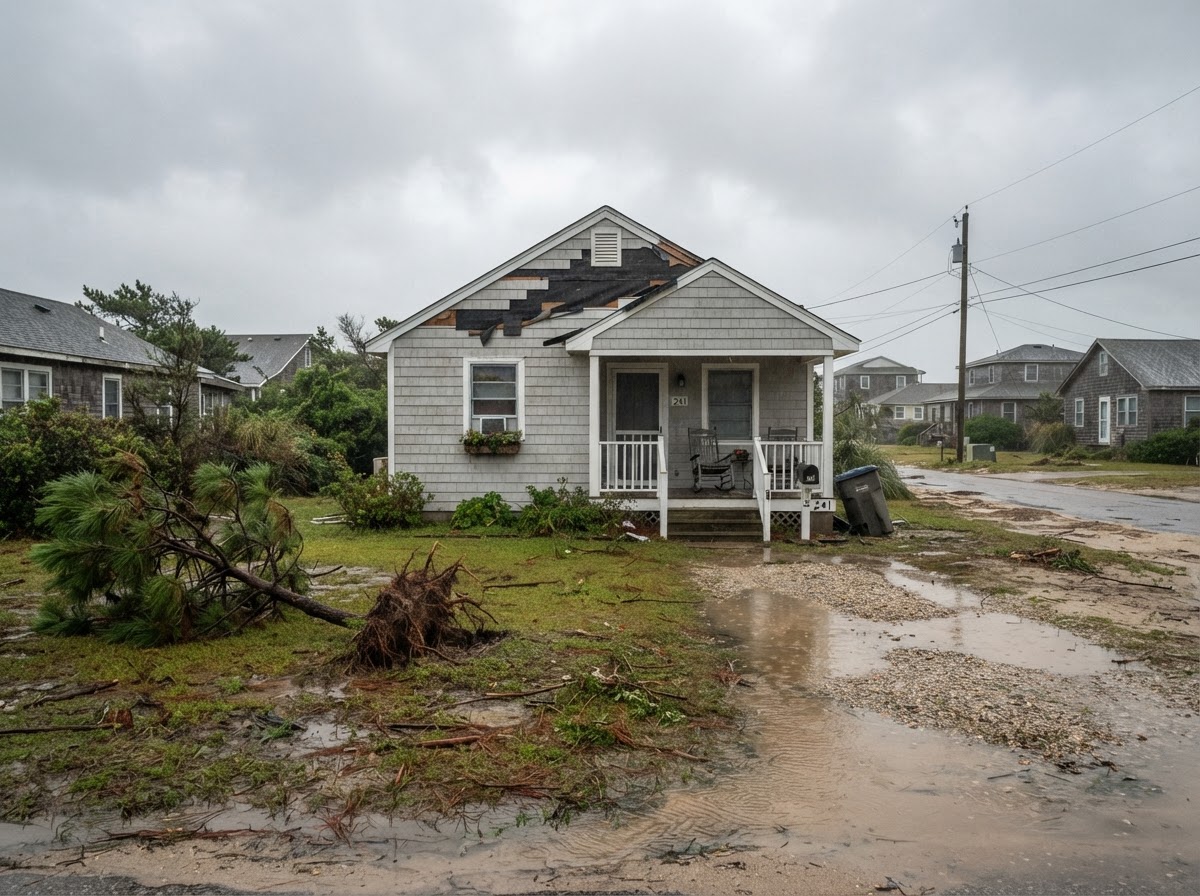
After a hurricane, many homeowners are shocked to learn that their "standard" deductible doesn't apply — instead, they face a much higher hurricane deductible. This specialized deductible is common in coastal states and can significantly increase your out-of-pocket costs. Knowing the difference between a hurricane deductible and a standard deductible is essential for financial preparedness. In this article, we explain how each works, when they are triggered, and what you can do to avoid surprises.
What Is a Standard Deductible?
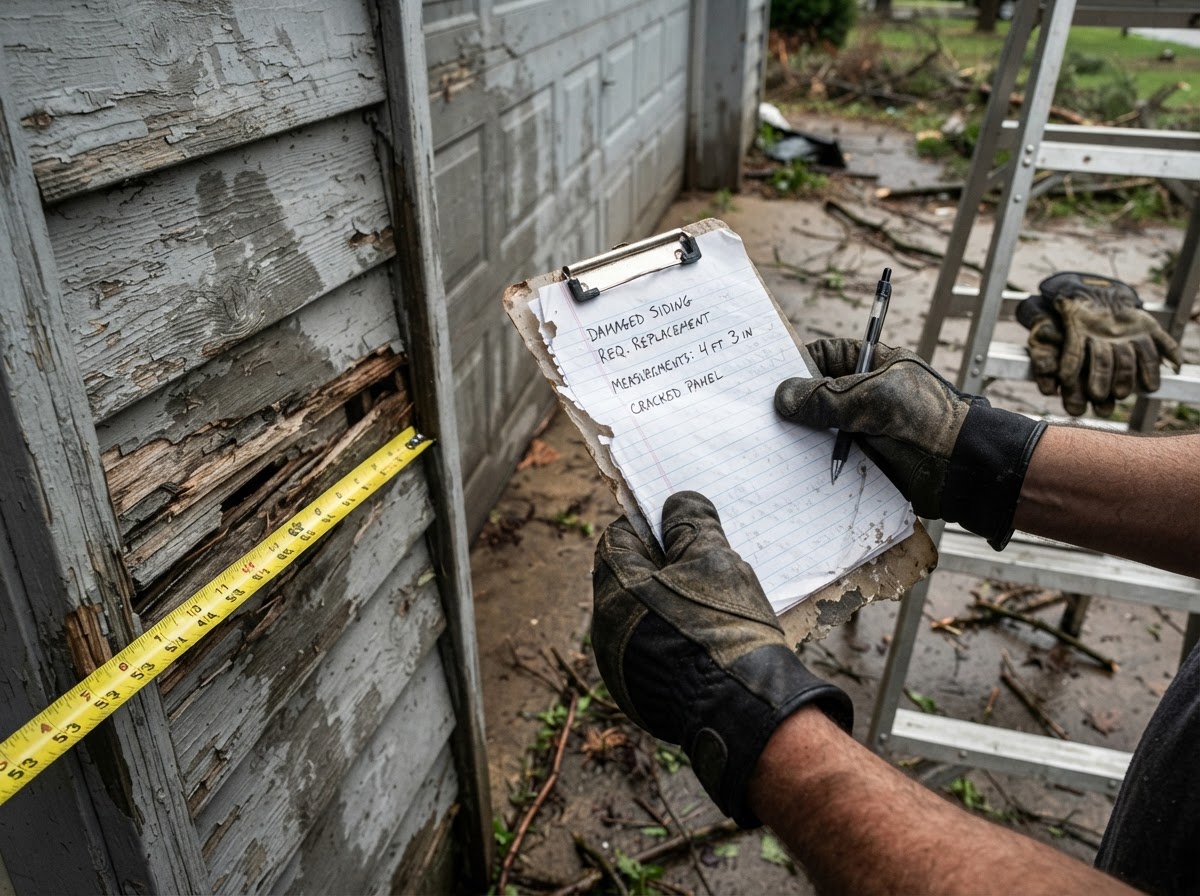
A standard deductible is a fixed dollar amount you agree to pay before your insurance coverage kicks in. For example, common standard deductibles range from $500 to $2,000. This deductible applies to most covered perils, such as fire, theft, wind (non-hurricane), or vandalism. You choose this amount when you purchase your policy, and it remains constant for each claim.
What Is a Hurricane Deductible?
A hurricane deductible is a percentage of your home's insured value rather than a flat dollar amount. Typical percentages range from 1% to 5%, but they can be higher in high-risk areas. For instance, if your home is insured for $300,000 and your hurricane deductible is 2%, you would pay the first $6,000 before your insurance covers any wind damage from a hurricane.
When Does It Apply?
The hurricane deductible is triggered when a hurricane is officially named by the National Hurricane Center and certain wind-speed criteria are met. Policies vary, but commonly the deductible applies when the National Weather Service issues a hurricane warning or sustained winds reach 74 mph. Some policies include a time window — for example, damage occurring within 72 hours before or after the hurricane’s landfall is subject to the hurricane deductible.
Key Differences Between Hurricane and Standard Deductibles
- Amount: Standard deductible is fixed (e.g., $1,000). Hurricane deductible is a percentage of insured value (e.g., 2% of $300,000 = $6,000).
- Trigger: Standard applies to any covered peril. Hurricane applies only when damage is caused by a named hurricane.
- State Regulations: Many coastal states have laws governing hurricane deductibles. For example, Florida law requires insurers to clearly disclose the hurricane deductible and offers a buyback option to return to a standard deductible for an additional premium.
- Frequency: Standard deductible applies per claim. Hurricane deductible may apply per storm season or per hurricane event, depending on your policy.
Which States Are Affected?
Hurricane deductibles are most common in states along the Atlantic and Gulf Coasts — from Texas to Maine — and also in Hawaii and Puerto Rico. According to the FEMA National Flood Insurance Program, flood damage from hurricanes is not covered by standard homeowners policies and requires separate flood insurance. However, wind damage from hurricanes is covered under most homeowners policies but is subject to the hurricane deductible.
Not all insurers in these states include a hurricane deductible; check your policy declarations page. Some states like Florida have specific laws that mandate a hurricane deductible for wind coverage, while others allow it as an option.
Practical Tips for Homeowners
- Review your policy declarations page: Look for the hurricane deductible percentage and how it is triggered. Contact your agent if unclear.
- Know your out-of-pocket risk: Calculate your potential cost by multiplying your home’s insured value by the hurricane deductible percentage. Consider if you can afford that amount.
- Consider a buyback option: Some insurers allow you to switch to a standard deductible for an extra premium. Evaluate whether this is cost-effective for your situation.
- Set aside an emergency fund: Especially if you have a high hurricane deductible, maintain savings to cover the deductible after a storm.
- Prepare before hurricane season: The Atlantic hurricane season runs from June 1 to November 30. Review your policy at least 30 days before the season starts to make changes if needed.
Official Resources and Further Reading
- Ready.gov: Hurricanes – General preparedness tips from the U.S. government.
- National Hurricane Center – Real-time storm tracking and hurricane classification.
- FEMA Flood Insurance – Understand flood coverage separate from wind.
- FEMA National Risk Index – Assess your area’s hurricane risk.
Conclusion
Understanding the difference between a hurricane deductible and a standard deductible is crucial for protecting your finances after a storm. Take action today: locate your policy, identify your hurricane deductible, and discuss with your insurance agent any options to lower your out-of-pocket exposure. Being informed and prepared will help you recover faster and with less financial strain. For more information, visit Ready.gov or your state’s insurance department website.
About our guidance
Our guides are grounded in publicly available information from official sources such as FEMA, NOAA, USGS and Ready.gov. Information is general in nature — always verify details for your specific property and policy with official sources and your insurer.
Related guides
 InsuranceLender-Placed Flood Insurance: The Expensive Backup If Your Policy LapsesYour lender can force-place flood insurance if your policy lapses — and bill you for it, usually at a higher price. Here is how…Oct 15, 2026Read guide →
 InsuranceWhat Happens to Your NFIP Policy If Congress Lets the Program LapseCongress extended the NFIP through December 11, 2026. If the program lapses, existing policies stay in force and claims get paid…Oct 15, 2026Read guide →
 InsuranceExcess Flood Insurance: Coverage Above NFIP's $250,000 LimitThe NFIP caps flood coverage at $250,000 for the building and $100,000 for contents. If your home would cost more to rebuild,…Oct 15, 2026Read guide →