
Hurricane Prep Room Checklist: Secure Your Home
6 min read
On this page
From attic to garage, this room-by-room hurricane preparation guide walks you through actionable steps based on official FEMA and NOAA guidance to protect your home and family.
Hurricane season runs from June 1 to November 30 in the Atlantic and May 15 to November 30 in the Eastern Pacific. Preparing your home ahead of a storm can reduce damage and keep your family safe. This room-by-room checklist, based on guidance from FEMA, Ready.gov, and NOAA, will help you tackle the job systematically.
General Home Preparation
Before going room-by-room, complete these overall tasks:
- Review your homeowners insurance policy to ensure it covers flood damage (standard policies do not). Consider purchasing flood insurance through the National Flood Insurance Program.
- Create or update your family emergency plan. Include evacuation routes and a communication plan. Download the Ready.gov emergency plan template.
- Assemble a emergency supply kit with at least 3 days of non-perishable food, water (1 gallon per person per day), medications, flashlights, batteries, first aid items, and a battery-powered NOAA weather radio.
- Trim trees and shrubs around your property to reduce windborne debris. Secure loose outdoor items such as patio furniture, grills, and trash cans.
Living Room
Windows and Doors
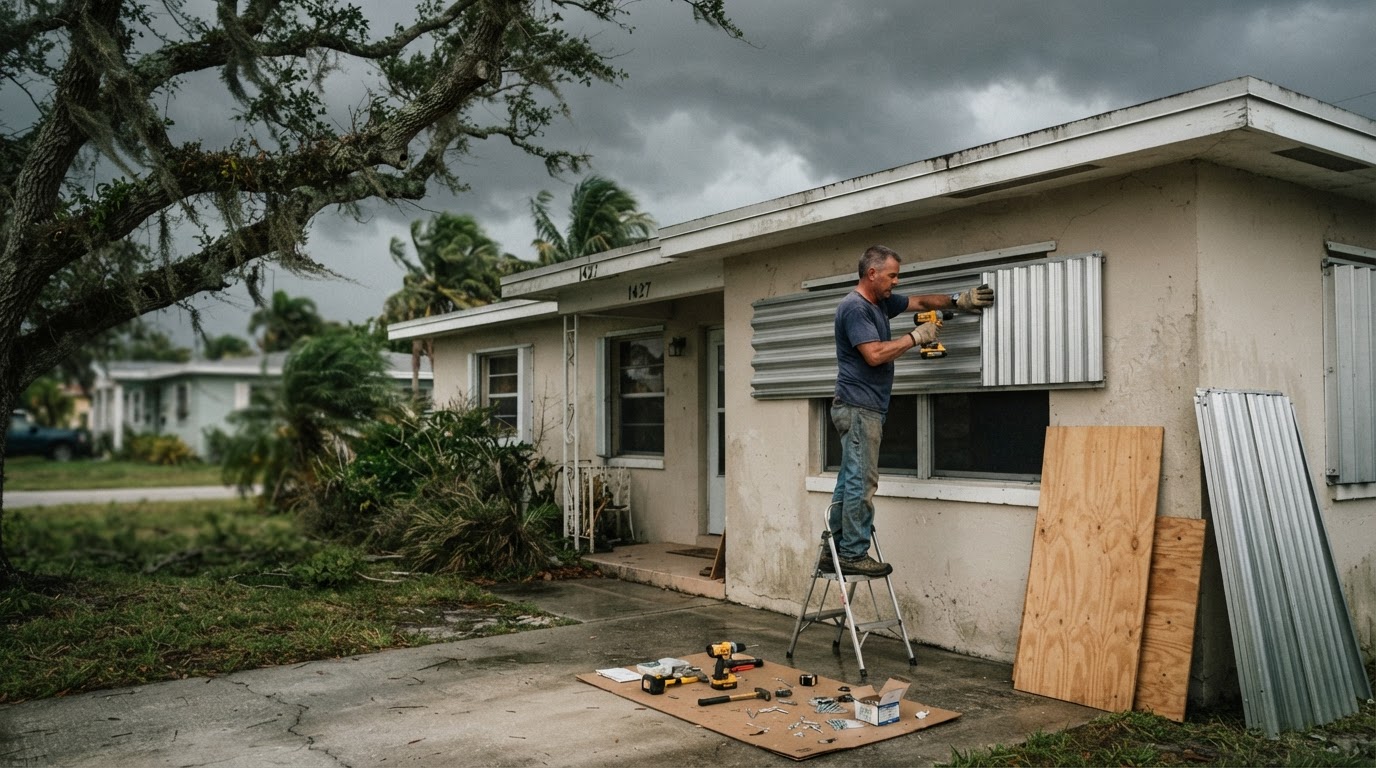
Windows are especially vulnerable during a hurricane. Install impact-resistant windows or protect them with permanent storm shutters. As a temporary measure, FEMA recommends using 5/8-inch exterior-grade plywood cut to fit window openings. Pre-drill screw holes to attach quickly. Reinforce sliding glass doors with shatterproof film or temporary plywood.
Outlets and Electronics
Unplug electronics and appliances to protect from power surges once the storm is imminent. Move valuable electronics away from windows. If you have a surge protector, use it for essential items. Consider installing a whole-house surge protector (consult a licensed electrician).
Furniture
Move sofas, chairs, and other furniture away from windows. Upholstered items can absorb moisture if water leaks in—cover them with plastic sheeting or move to an interior room if possible.
Kitchen
The kitchen holds many items you’ll need during and after a hurricane. Prepare it carefully:
- Refrigerator and freezer: Turn the refrigerator and freezer to their coldest settings a day before the storm. This keeps food cold longer if power fails. Keep the doors closed as much as possible. An unopened refrigerator keeps food cold about 4 hours; a full freezer about 48 hours (USDA food safety during power outage).
- Water supply: Fill clean containers with drinking water. Also fill bathtubs and large pots with water for flushing toilets and washing. You may also fill your laundry sink.
- Valuables and documents: Store important documents (insurance policies, IDs, medical records) in a waterproof container and move to a high location in case of flooding. Keep them in an interior closet or safe.
- Gas and appliances: If you have a gas stove, ensure you know how to shut off the gas supply. Do not turn off the gas unless you smell gas or a leak is suspected (Ready.gov). Unplug small appliances.
Bedrooms
Master Bedroom
- Keep a flashlight, extra batteries, and a battery-powered radio in an easily accessible place.
- If you have a safe room or interior closet, consider moving sleeping arrangements there temporarily. The FEMA Safe Room guidance recommends staying in a small, windowless interior room on the lowest floor (but above flood level).
- Secure heavy furniture to the wall to prevent tipping during high winds. Use furniture straps or brackets.
- Have sturdy shoes and a change of clothes near your bed in case you need to evacuate quickly.
Children’s Rooms
Keep comfort items like stuffed animals and games in a waterproof bag. Ensure your emergency kit includes items for children (diapers, formula, toys). Practice emergency drills with your children so they know where to go.
Bathrooms
Bathrooms often have interior spaces with no windows—good for sheltering during the storm. However, avoid bathrooms with windows. Fill bathtubs and sinks with water (as noted) for sanitation. Store a small emergency kit in the bathroom: first aid supplies, toilet paper, and sanitation items. If you have a toilet, ensure you have a way to flush manually (bucket of water). Consider adding a CDC-recommended hygiene kit.
Garage and Utility Room
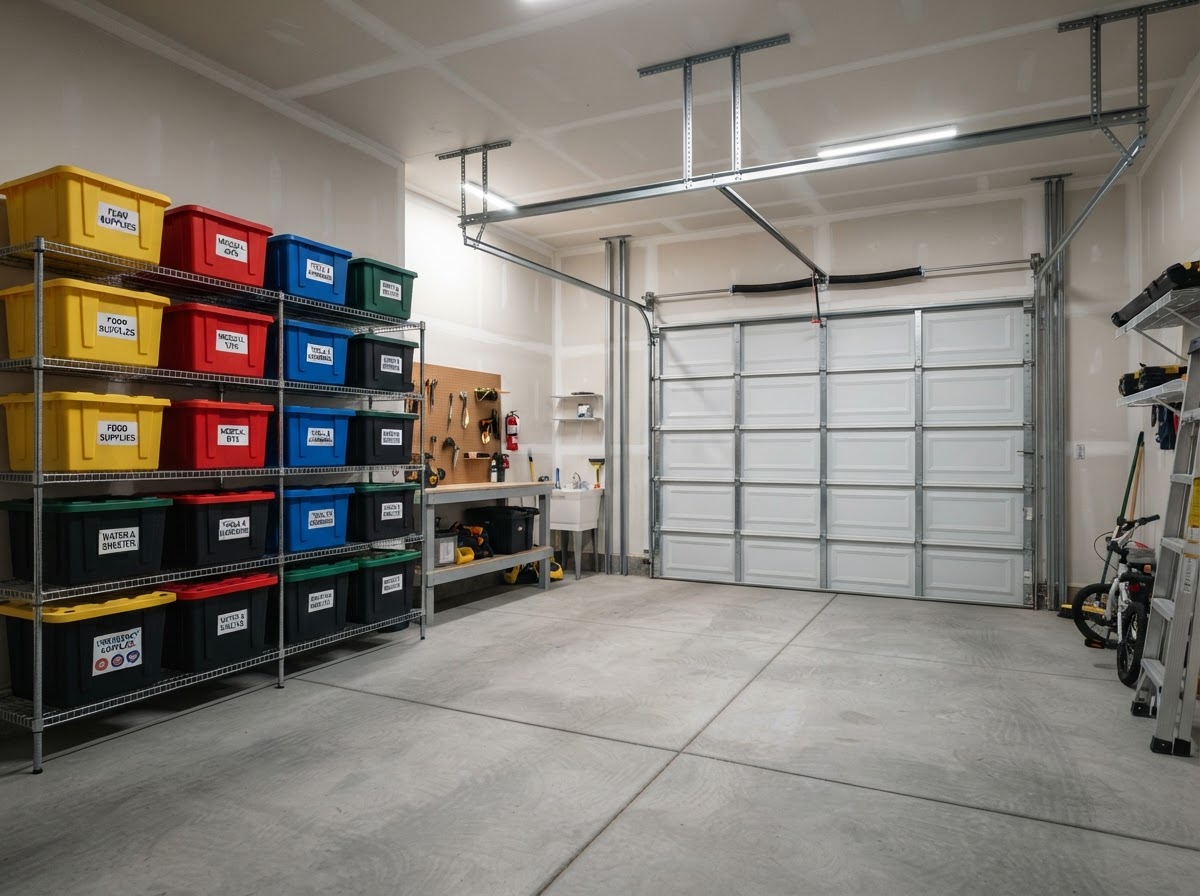
- Garage door: Reinforce or brace the garage door—it is a weak point. FEMA recommends installing a bracing system to withstand high wind pressure.
- Water heater and HVAC: Elevate water heaters and HVAC systems above potential flood levels. Check your owner’s manual or consult a professional.
- Sump pump: Test your sump pump before the season begins and consider a battery backup in case of power loss.
- Generator: If you own a portable generator, never use it indoors or in the garage because of carbon monoxide poisoning. Read CDC carbon monoxide safety. Keep fuel in approved containers and store away from living areas.
- Tools: Keep a toolkit handy (hammer, nails, tarps, screws) for any emergency repairs after the storm.
Attic
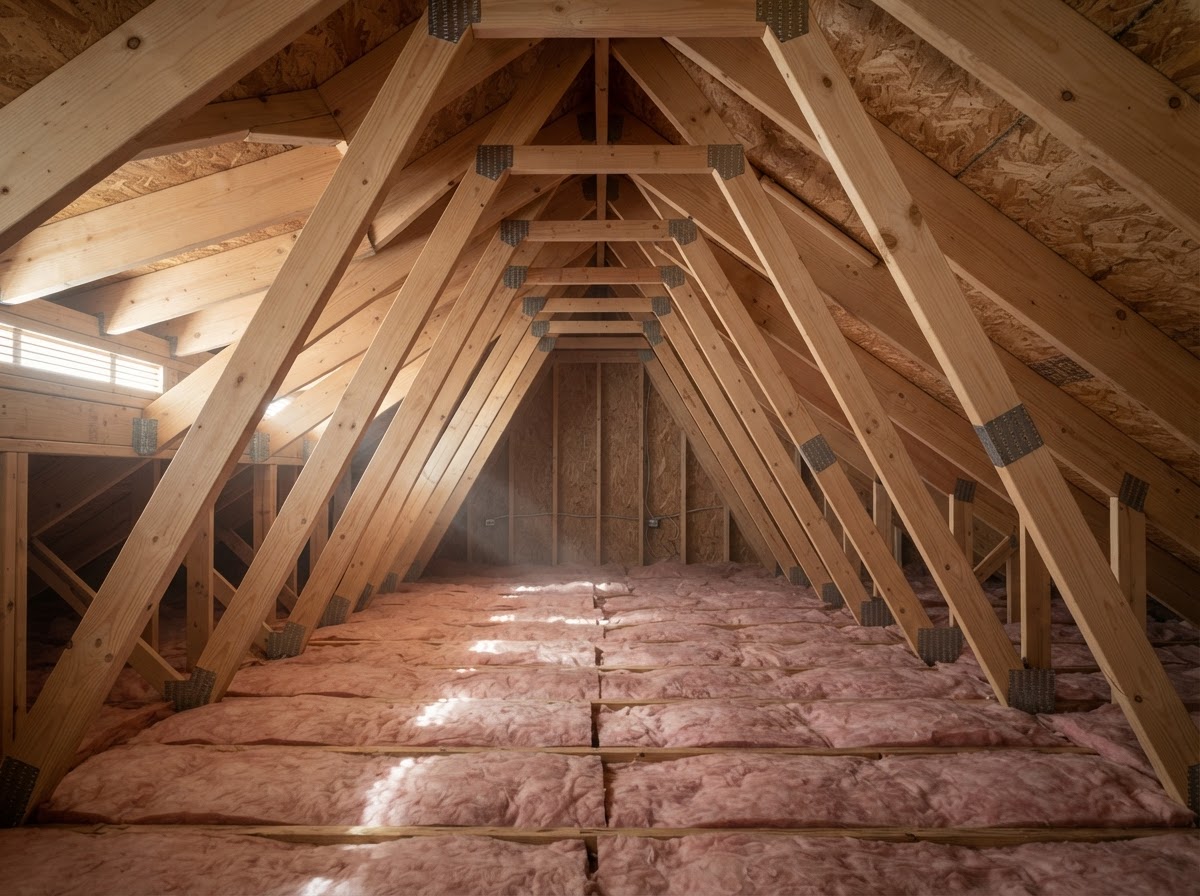
Inspect your attic for signs of leaks or water damage and repair them. Clear gutters and downspouts to prevent water from backing up into the attic. If you have equipment in the attic (water heater, HVAC), ensure it is secure. If your attic is prone to flooding, consider moving valuables to a higher floor or to a storage unit outside the floodplain.
Outdoors: Yard and Exterior
- Bring in lightweight objects: lawn furniture, toys, grill, potted plants, and garbage cans. They become dangerous projectiles in high winds.
- Remove any dead branches or trees that could fall on your house.
- Close and lock all windows and doors. Move vehicles into the garage or away from trees and power lines.
- If you have a boat or RV, secure it or move to a designated safe area.
Hurricanes mean outages. Before the storm hits, make sure you can keep the essentials running — our sister site UTrendCo reviews portable power stations for hurricane outages, or take the 60-second quiz to find the right size.
When the Storm is Near
- Fill your car’s gas tank early to avoid lines and shortages.
- Charge phones, laptops, and backup batteries.
- Turn on your NOAA weather radio for continuous updates.
- Go to your pre-designated safe room or interior room, and bring your emergency kit.
- Stay away from windows and doors.
- If local officials order evacuation, do so immediately. Know your evacuation plan.
After the Storm
Stay in your safe room until you hear official confirmation that the storm has passed. Watch out for downed power lines, flooded areas, and structural damage. Use flashlights, not candles, to avoid fire hazards. Document any damage with photos for insurance claims. For more detailed information, visit FEMA's Hurricane Season page or Ready.gov Hurricanes.
Conclusion
Preparing your home for hurricane season doesn’t have to be overwhelming. Tackle each room one-by-one using this checklist, and you’ll be much better off when a storm threatens. The key is to start early—well before a watch or warning is issued. A little effort now can save your home and protect your family. For a printable version of this checklist, visit the Ready.gov hurricane preparedness checklist PDF.
About our guidance
Our guides are grounded in publicly available information from official sources such as FEMA, NOAA, USGS and Ready.gov. Information is general in nature — always verify details for your specific property and policy with official sources and your insurer.
Related guides
 InsuranceLender-Placed Flood Insurance: The Expensive Backup If Your Policy LapsesYour lender can force-place flood insurance if your policy lapses — and bill you for it, usually at a higher price. Here is how…Oct 15, 2026Read guide →
 InsuranceWhat Happens to Your NFIP Policy If Congress Lets the Program LapseCongress extended the NFIP through December 11, 2026. If the program lapses, existing policies stay in force and claims get paid…Oct 15, 2026Read guide →
 InsuranceExcess Flood Insurance: Coverage Above NFIP's $250,000 LimitThe NFIP caps flood coverage at $250,000 for the building and $100,000 for contents. If your home would cost more to rebuild,…Oct 15, 2026Read guide →