
Hurricane Season 2026: Month-by-Month Home Prep Timeline
4 min read
On this page
Get your home ready for hurricane season 2026 with this month-by-month timeline from May to November, based on official FEMA, NOAA, and Ready.gov guidance.
Introduction
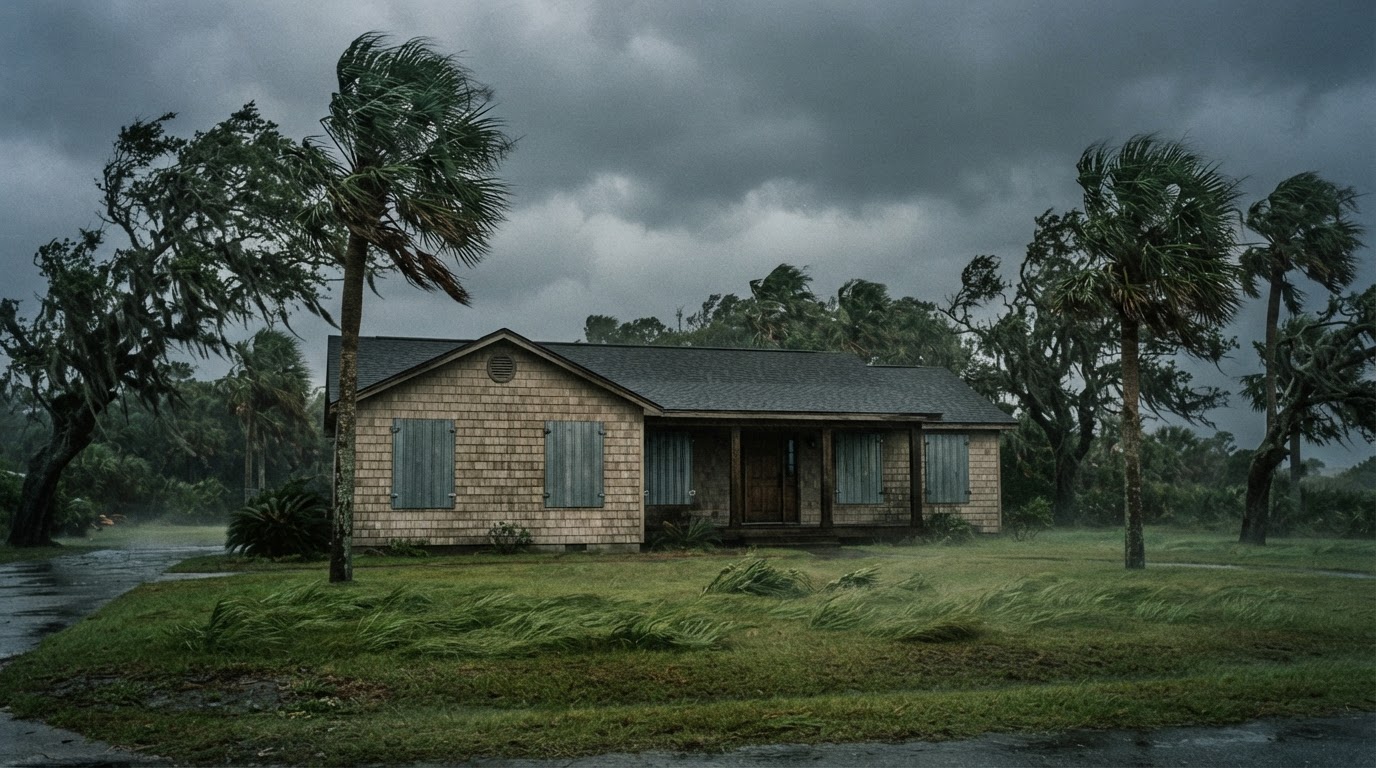
Hurricane season officially runs from June 1 to November 30, but preparation should start in May. This timeline, grounded in guidance from FEMA, NOAA, and Ready.gov, helps homeowners take manageable steps month by month to protect their property and family. Start early to avoid last-minute rushes.
May: Assess and Plan
Review Your Insurance Coverage
Contact your insurance agent to confirm you have adequate coverage. Standard homeowners insurance does not cover flood damage; you need a separate National Flood Insurance Program (NFIP) policy. Note that flood insurance typically has a 30-day waiting period, so buy now. Also review windstorm and hail deductibles.
Know Your Evacuation Zone
Check Ready.gov’s evacuation guide and your local emergency management website to find your evacuation zone and routes. Download offline maps in case cell service goes out.
Create a Home Inventory
Document your belongings with photos or video. Store a copy in a waterproof container or the cloud. This helps with insurance claims after a storm.
June: Strengthen Your Home
Inspect and Secure Roof, Windows, and Doors
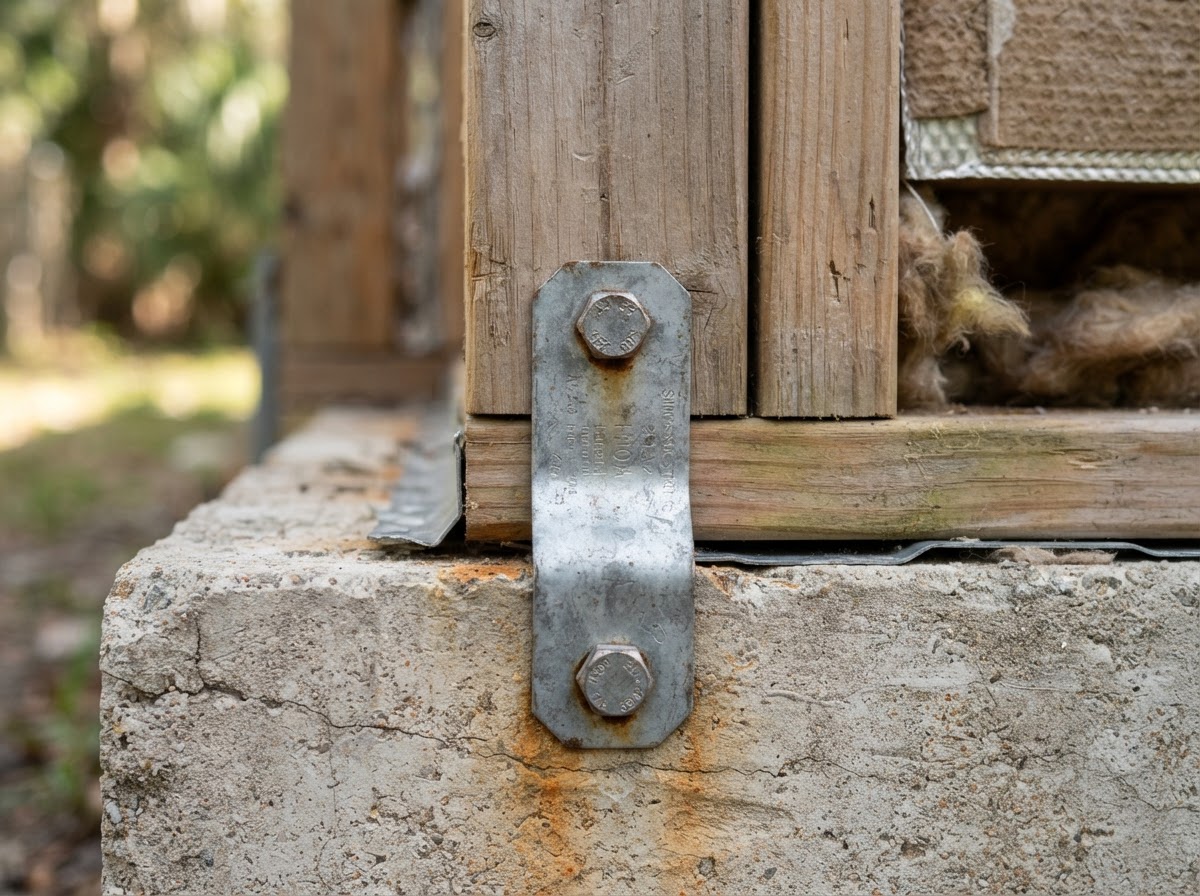
Check for loose shingles, cracks, or gaps. Install storm shutters or impact-resistant windows. If you have garage doors, ensure they are hurricane-rated or reinforced. FEMA’s property protection tips recommend retrofitting older structures.
Clear Gutters and Downspouts
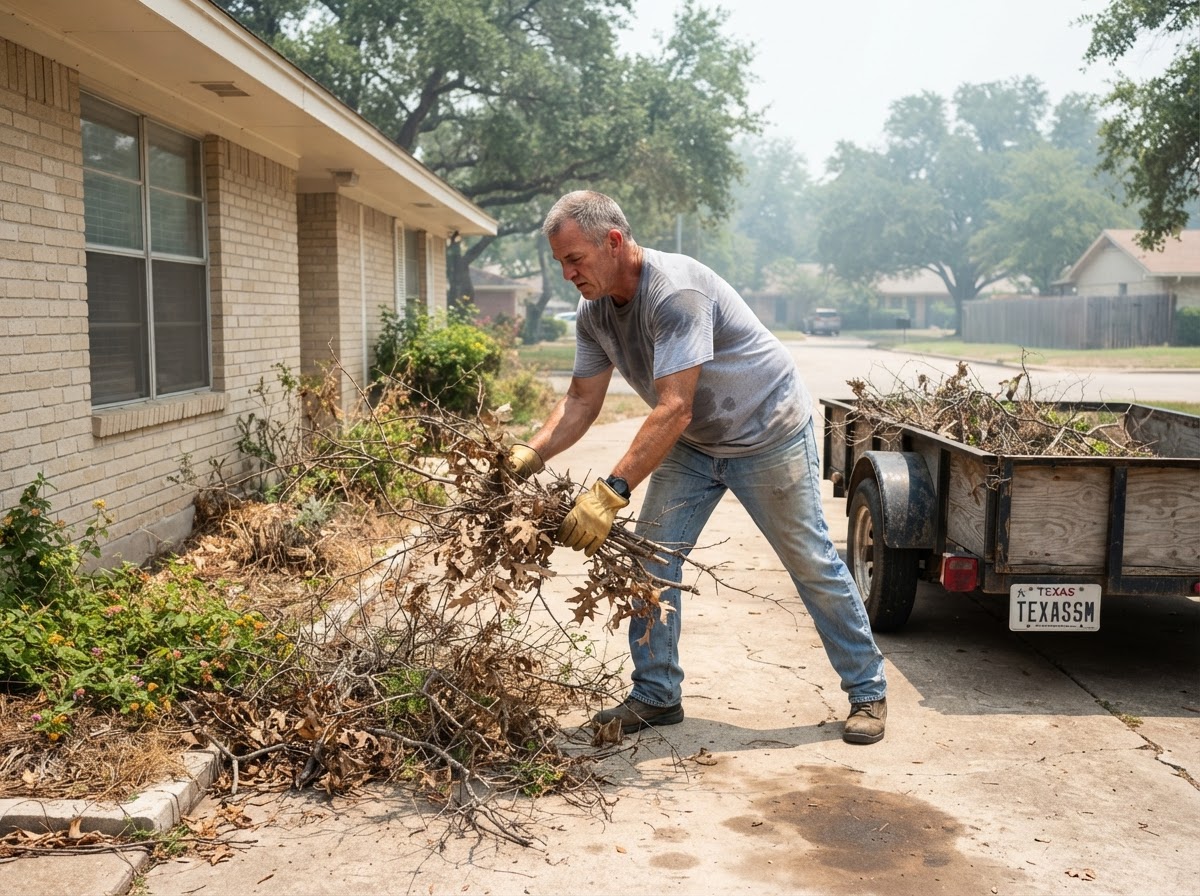
Remove leaves and debris so water drains away from your foundation. Consider installing downspout extensions to carry water at least 5 feet from the house.
Trim Trees and Secure Outdoor Items
Cut back weak branches that could become projectiles. Bring in or tie down patio furniture, grills, and trash cans. Store them in a garage or shed before a storm threatens.
July: Assemble Emergency Supplies
Build a Disaster Kit
Ready.gov recommends a kit with at least three days of non-perishable food and water (one gallon per person per day). Include a first aid kit, flashlight, batteries, battery-powered radio, medications, and important documents. Also add masks, hand sanitizer, and other hygiene items.
Prepare for Power Outages
Consider a generator. If you buy one, learn safe operation: never use indoors or in garages. Install carbon monoxide detectors. Also charge external battery packs for phones.
Check Your Emergency Communication Plan
Decide how family members will contact each other. Designate an out-of-state relative as a central contact. Practice your plan.
August: Stay Informed and Finalize
Sign Up for Alerts
Register for local emergency alerts (often called Wireless Emergency Alerts) and download the FEMA app. Follow your local National Weather Service office on social media.
Protect Important Documents
Place passports, birth certificates, deeds, and insurance policies in a waterproof, fireproof safe or scan them to a secure cloud drive.
Test Your Backup Power Sources
Run your generator for a few minutes to ensure it works. Check fuel levels; store gasoline in approved containers away from living areas.
September: Peak Season – Stay Vigilant
Monitor Active Storms
Check the National Hurricane Center daily for updates. Understand the difference between a watch (conditions possible within 48 hours) and a warning (conditions expected within 36 hours).
Ready Your Home for Imminent Threat
If a hurricane watch is issued: fill your car’s gas tank, charge all devices, bring in outdoor items. If a warning is issued: board windows, turn refrigerator to max cold, fill bathtubs with water for flushing, and move valuables to upper floors if flooding is possible.
Know When to Evacuate
If local officials order evacuation, leave immediately. Don’t wait. Take your disaster kit, important documents, and family members (including pets). Lock your home and turn off utilities if instructed.
October: Post-Storm Safety (If Affected)
Returning Home Safely
Only return when authorities say it’s safe. Watch for downed power lines, standing water, and structural damage. Avoid floodwater—it may be contaminated or electrically charged. CDC’s returning home tips offer more guidance.
Document Damage
Photograph damage before making any temporary repairs. Contact your insurance company promptly. Keep receipts for materials you buy for emergency repairs.
Prevent Mold and Further Damage
Dry out your home quickly: use fans, dehumidifiers, and open windows if weather permits. Remove wet carpets and drywall within 24–48 hours to prevent mold growth. Wear protective gear like N95 masks.
November: Final Wrap-Up
Review and Replenish Supplies
Check your disaster kit. Replace expired foods and batteries. Rotate stored water. Update your family contact list if needed.
Evaluate Your Preparedness
Think about what worked and what didn’t during the season. Did you have enough supplies? Were your shutters effective? Use these lessons to improve next year’s plan.
Stay Prepared Year-Round
Hurricane season ends November 30, but other hazards exist (winter storms, earthquakes). Keep your home hardening and emergency kit updated all year. Visit Ready.gov for year-round preparedness tips.
Conclusion
By following this month-by-month timeline, you reduce stress and ensure your home is as prepared as possible for hurricane season 2026. The key is to start early and stay proactive. For more resources, check FEMA, NOAA National Hurricane Center, and your state’s emergency management agency.
About our guidance
Our guides are grounded in publicly available information from official sources such as FEMA, NOAA, USGS and Ready.gov. Information is general in nature — always verify details for your specific property and policy with official sources and your insurer.
Related guides
 InsuranceLender-Placed Flood Insurance: The Expensive Backup If Your Policy LapsesYour lender can force-place flood insurance if your policy lapses — and bill you for it, usually at a higher price. Here is how…Oct 15, 2026Read guide →
 InsuranceWhat Happens to Your NFIP Policy If Congress Lets the Program LapseCongress extended the NFIP through December 11, 2026. If the program lapses, existing policies stay in force and claims get paid…Oct 15, 2026Read guide →
 InsuranceExcess Flood Insurance: Coverage Above NFIP's $250,000 LimitThe NFIP caps flood coverage at $250,000 for the building and $100,000 for contents. If your home would cost more to rebuild,…Oct 15, 2026Read guide →