
Ice Dams and Roof Leaks: Prevention Tips for Cold Climates
4 min read
On this page
Learn how ice dams form, the damage they cause, and proven prevention strategies for your home this winter. Backed by guidance from FEMA and NOAA.
What Are Ice Dams and Why Are They a Problem?
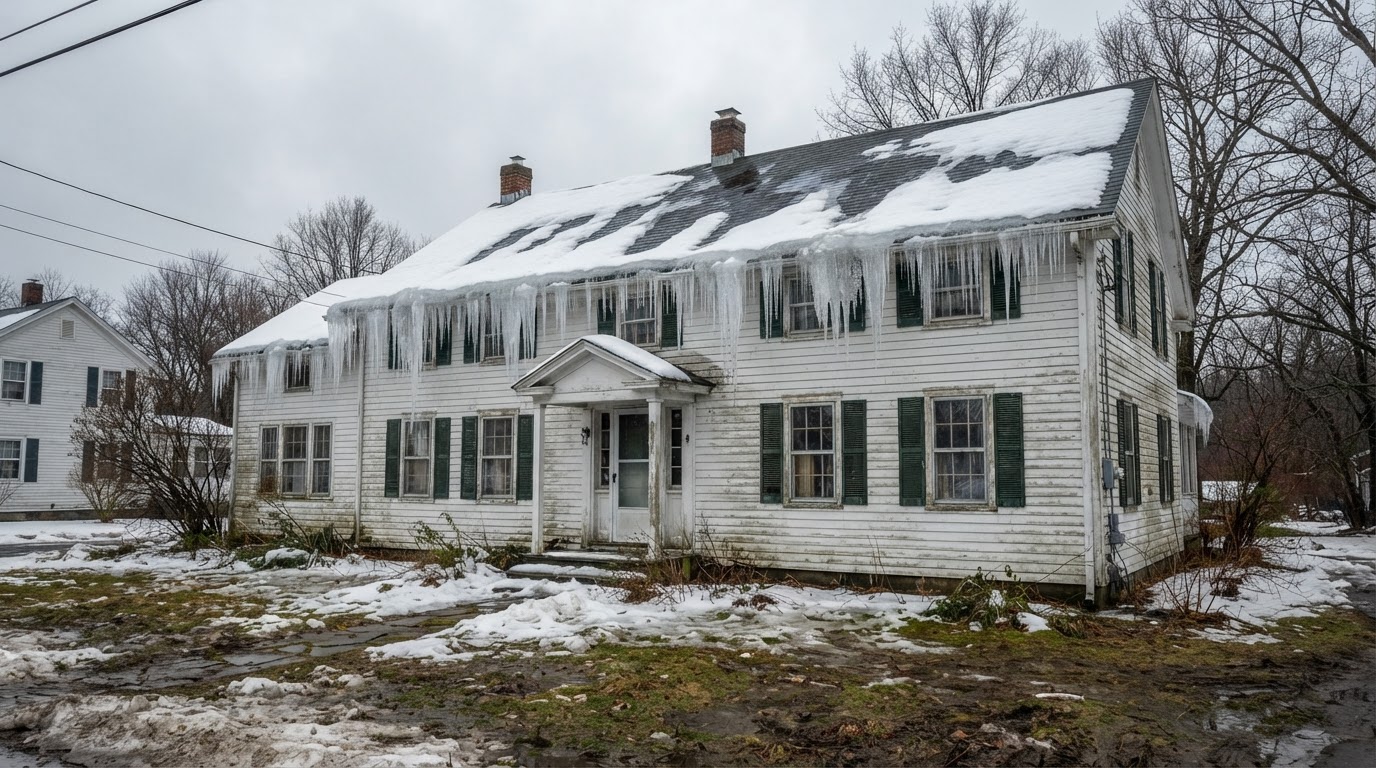
Ice dams are ridges of ice that form at the edge of a roof and prevent melting snow from draining off. Water backs up behind the ice dam and can leak into your home, damaging walls, ceilings, insulation, and even electrical systems. According to the Federal Emergency Management Agency (FEMA), ice dams are a common cause of winter home damage in cold-climate states. The National Oceanic and Atmospheric Administration (NOAA) notes that prolonged cold and heavy snow increase the risk.
How Ice Dams Form
Ice dams develop when heat from your attic warms the roof, causing snow to melt. The meltwater runs down to the colder eaves, where it refreezes into ice. As the cycle repeats, the ice builds up into a dam. The key factors are:
- Attic heat loss: Poor insulation and air leaks warm the roof deck.
- Snow cover: The snow acts as an insulator, trapping heat.
- Freezing temperatures: Eaves stay cold enough to refreeze water.
Ready.gov, a federal emergency preparedness resource, emphasizes that preventing heat loss from your home is the first line of defense.
Prevention Strategies
1. Improve Attic Insulation and Ventilation
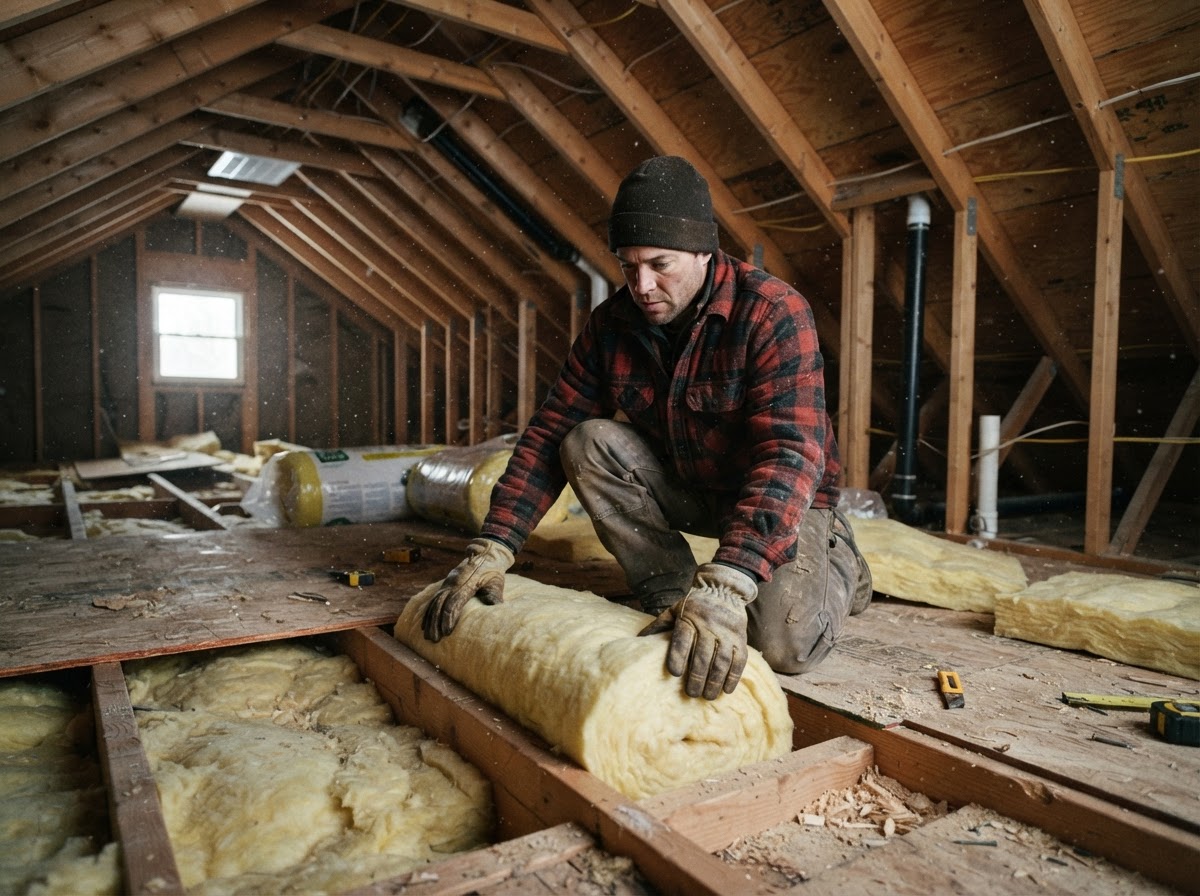
The most effective long-term solution is to keep your attic cold. The U.S. Department of Energy recommends sealing air leaks and adding insulation to achieve an R-value appropriate for your climate zone. Proper ventilation—soffit and ridge vents—allows cold outside air to flow through the attic, removing heat and moisture. FEMA’s Building Science Branch advises ensuring vents are not blocked by insulation.
2. Remove Snow from Your Roof
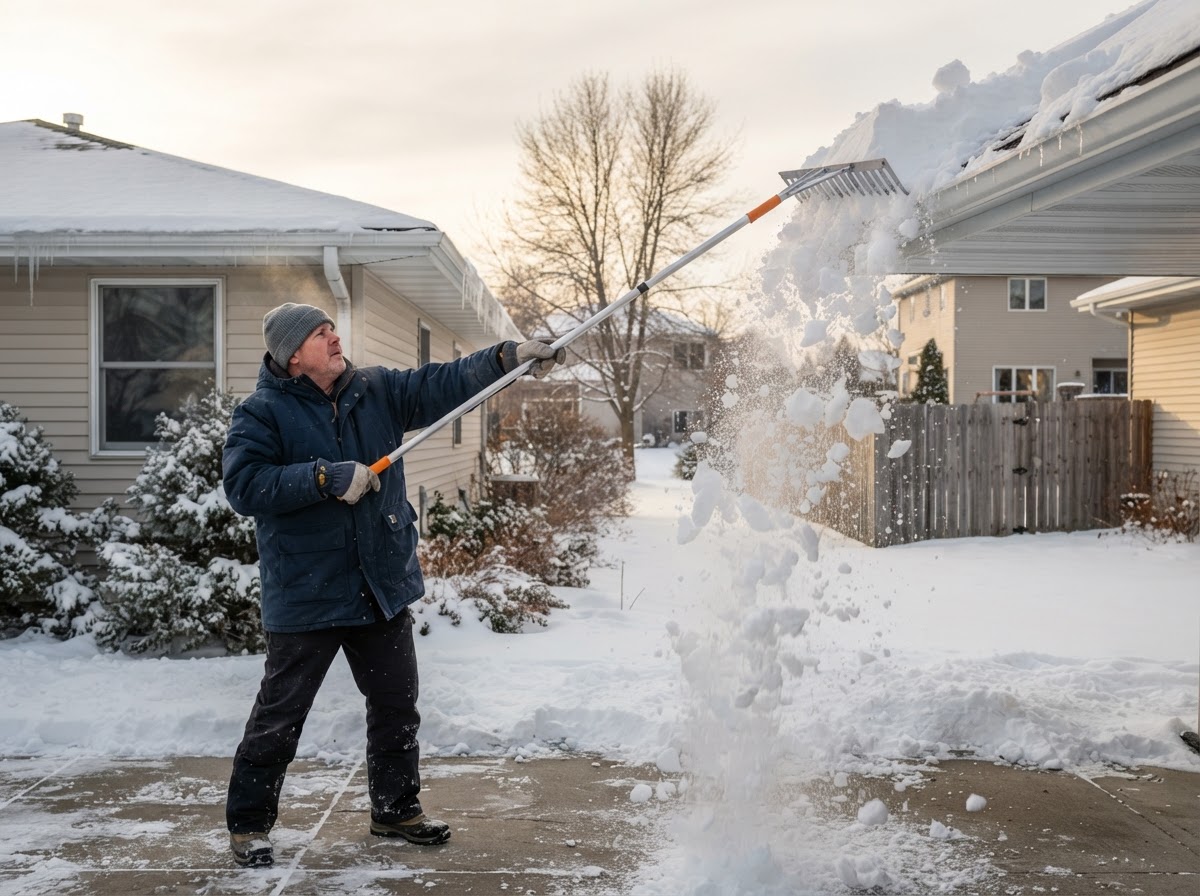
After heavy snowfall, use a roof rake (with a long handle) to pull snow off the roof from the ground. This removes the fuel for ice dams. Never use a shovel or ladder on icy surfaces. NOAA’s Winter Weather Safety page recommends this as a temporary measure. Avoid chipping ice, which can damage shingles.
3. Install Ice and Water Shield
When re-roofing, install a self-adhering ice and water barrier along the eaves and valleys. This waterproof membrane prevents water from penetrating even if ice dams form. FEMA’s guidance for rebuilding notes this is a best practice in snow-prone areas.
4. Seal Attic Bypasses
Warm air from your home can leak into the attic through gaps around pipes, ducts, chimneys, and light fixtures. Use caulk, spray foam, or weatherstripping to seal these "bypasses." The U.S. Department of Energys Energy Saver guide provides step-by-step instructions. This also reduces heating costs.
5. Manage Indoor Humidity
Excess moisture from cooking, bathing, and drying clothes can condense in the attic and contribute to ice dam formation. Use exhaust fans vented to the outside. The Centers for Disease Control and Prevention (CDC) also recommends humidity levels between 30% and 50% in winter for health and home maintenance. A dehumidifier may help.
What to Do If You Already Have an Ice Dam
If water is leaking inside, take immediate steps to minimize damage:
- Remove snow from the roof with a rake if possible.
- Create channels for water to flow: Fill pantyhose with calcium chloride (ice melt) and lay them perpendicularly across the dam, extending over the roof edge. This will melt a channel.
- Do not use salt or roof torches—they can damage shingles and create fire hazards. Ready.gov warns against these methods.
- Dry out any interior wetness promptly to prevent mold. The CDC offers guidance on mold cleanup.
- Contact a professional if the dam persists or you have significant leakage.
When to Call a Professional
If you cannot safely reach your roof, or if ice dams recur each winter despite your efforts, consider hiring a licensed contractor experienced in ice dam prevention. They can assess your attic insulation and ventilation and recommend improvements. FEMA’s Choosing a Contractor fact sheet offers tips for avoiding fraud.
Conclusion
Ice dams can cause costly damage, but proactive steps—like insulating your attic, sealing air leaks, and removing snow—can drastically reduce your risk. By keeping your roof cold and water out, you protect your home and family. For more detailed guidance, visit Ready.gov and NOAA’s winter weather safety page. Stay warm and stay safe this winter.
About our guidance
Our guides are grounded in publicly available information from official sources such as FEMA, NOAA, USGS and Ready.gov. Information is general in nature — always verify details for your specific property and policy with official sources and your insurer.
Related guides
 InsuranceLender-Placed Flood Insurance: The Expensive Backup If Your Policy LapsesYour lender can force-place flood insurance if your policy lapses — and bill you for it, usually at a higher price. Here is how…Oct 15, 2026Read guide →
 InsuranceWhat Happens to Your NFIP Policy If Congress Lets the Program LapseCongress extended the NFIP through December 11, 2026. If the program lapses, existing policies stay in force and claims get paid…Oct 15, 2026Read guide →
 InsuranceExcess Flood Insurance: Coverage Above NFIP's $250,000 LimitThe NFIP caps flood coverage at $250,000 for the building and $100,000 for contents. If your home would cost more to rebuild,…Oct 15, 2026Read guide →