
Lightning Protection for Homes: Myths and Facts
4 min read

On this page
Lightning strikes cause billions in property damage each year. Learn common myths and evidence-based facts to protect your home from lightning hazards.
Understanding Lightning Risk to Your Home
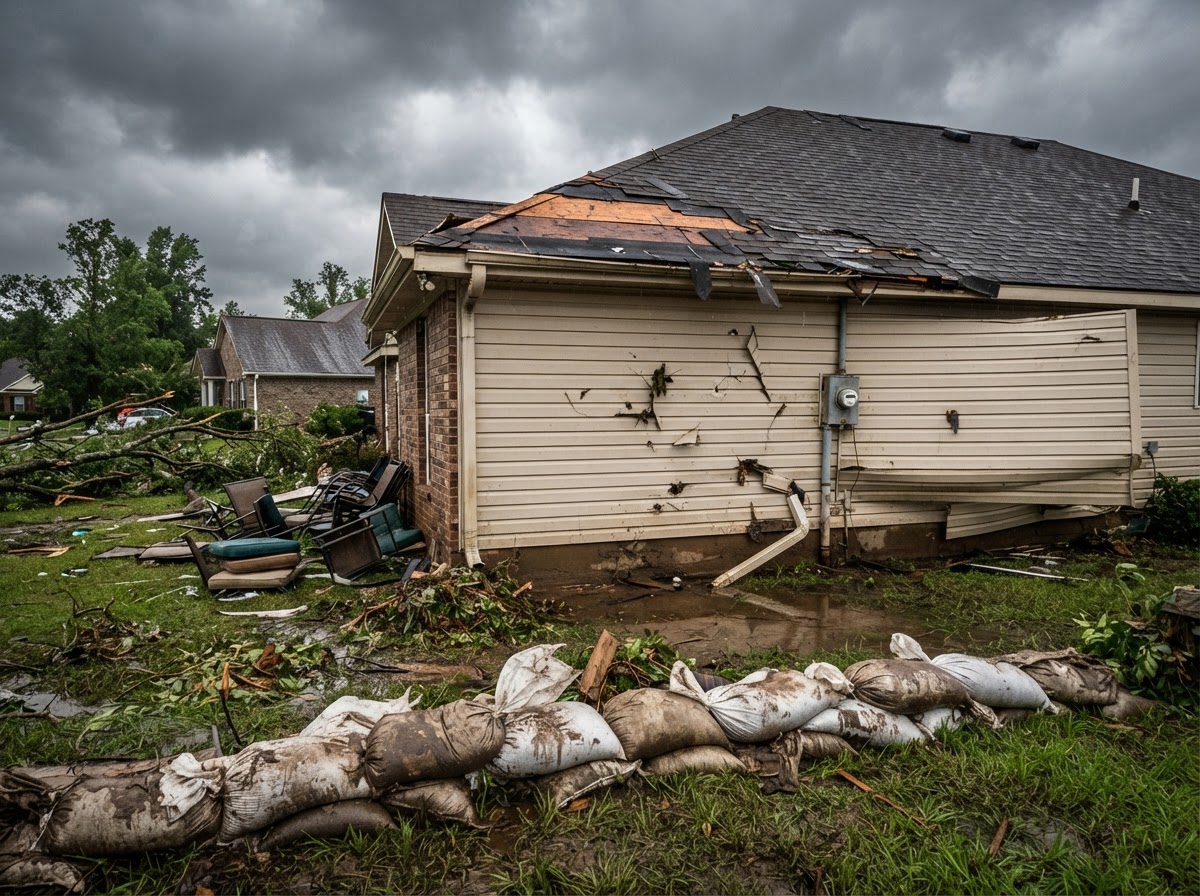
Lightning is a powerful natural phenomenon that can strike anywhere, including your home. According to the National Weather Service, the United States averages about 25 million lightning flashes each year, causing an average of 20 fatalities and many more injuries. Property damage from lightning exceeds several billion dollars annually, much of it preventable. Understanding the facts about lightning protection is crucial for homeowners.
Common Myths vs. Facts

Myth: Lightning never strikes the same place twice.
Fact: Lightning can and does strike the same place repeatedly, especially tall, isolated structures. For example, the Empire State Building is struck about 23 times per year. A house with a lightning protection system installed is a designed target – a safe one, because it directs the strike to ground safely.
Myth: Surge protectors in power strips protect against lightning strikes.
Fact: Standard power strip surge protectors are designed for minor electrical surges, not the massive voltage from a lightning strike. Lightning can enter a home through power lines, phone lines, cable TV, and even plumbing. Whole-house surge protectors installed at the main electrical panel can provide a first line of defense, but they do not make your home lightning-proof. For comprehensive protection, a lightning protection system (lightning rods) is necessary. Ready.gov recommends a licensed electrician for whole-house surge protection.
Myth: Rubber tires insulate you from lightning in a car.
Fact: The rubber tires offer no insulation from lightning. The safety of a car during a lightning storm comes from its metal roof and sides, which act as a Faraday cage, directing the lightning current around the occupants. However, convertibles, soft-top vehicles, and those with plastic bodies offer very little protection. NOAA advises staying in a hard-topped metal vehicle when lightning threatens.
Myth: Lightning rods attract lightning.
Fact: Lightning rods do not attract lightning; they simply intercept a strike that is already headed toward your home and provide a low-resistance path to ground. Without a lightning protection system, lightning can take a path through your home's wiring, plumbing, or structure, causing fires, explosions, and damage to electronics. FEMA and the National Fire Protection Association (NFPA) recognize lightning rods as effective protection.
Myth: If caught outdoors, lying flat on the ground is safe.
Fact: Lying flat increases the surface area of your body in contact with the ground, making you more vulnerable to ground current from a nearby strike. The CDC recommends crouching on the balls of your feet, with feet together, head down, and ears covered. Reduce contact with the ground. Avoid open fields, hilltops, and isolated trees.
Lightning Protection Systems: What Works
Key Components of a Lightning Protection System
According to NFPA 780, a standard lightning protection system includes:
- Air terminals (lightning rods): Copper or aluminum rods mounted on the roof.
- Conductors: Heavy cables that connect rods to ground.
- Grounding electrodes: Deep-driven rods or buried plates to dissipate current into the earth.
- Bonding: Connecting metal bodies like gutters, pipes, and electrical panels to the system to prevent side-flashes.
These systems are not do-it-yourself projects. Always hire a certified lightning protection contractor (check for UL certification or membership in the Lightning Protection Institute).
Surge Protection: An Important Layer
In addition to a lightning rod system, install a whole-house surge protector at the main electrical panel. This device protects against indirect surges from lightning strikes miles away. For electronic devices, use point-of-use surge protectors with a certification label from UL 1449. Remember: no surge protector can stop a direct strike; only a complete lightning protection system can handle that.
Practical Safety Steps for Homeowners
Before the Storm
- Unplug electronics and appliances if a thunderstorm is approaching.
- Install a lightning protection system if you live in an area with frequent lightning (check NOAA's lightning climatology maps).
- Ensure your home's grounding electrode system is up to code (consult an electrician).
- Fence in or anchor outdoor items that might be a target.
During a Thunderstorm
Follow the 30-30 rule: If the time between lightning and thunder is less than 30 seconds, seek shelter indoors. Wait 30 minutes after the last thunderclap before going outside. Avoid these activities:
- Using corded electronics (including landline phones) – lightning can travel through wires.
- Showering, bathing, or washing dishes – plumbing conducts electricity.
- Using concrete floors or walls – they contain metal rebar.
- Standing near windows, doors, or porches.
If you are caught outdoors with no shelter, avoid open fields, hilltops, and isolated trees. Crouch low but don't lie flat. Stay away from metal objects (fences, poles). If you feel your hair stand on end, lightning is about to strike – immediately crouch and cover your ears.
Actionable Conclusion
Lightning is unpredictable but not unmanageable. Separate fact from fiction: lightning rods are effective and safe, surge protectors are a supplement not a solution, and never lie flat outdoors. The best form of lightning protection is a professionally installed system meeting NFPA 780 standards, combined with whole-house surge protection and sensible indoor safety habits. Protect your home and family by acting on these facts, not myths.
For more information, visit NOAA Lightning Safety, Ready.gov, and CDC Lightning Safety.
About our guidance
Our guides are grounded in publicly available information from official sources such as FEMA, NOAA, USGS and Ready.gov. Information is general in nature — always verify details for your specific property and policy with official sources and your insurer.
Keep exploring
Related guides
 Storm-Proof Your Yard: Prep for Severe Thunderstorm SeasonLearn how to secure loose items, trim trees, and improve drainage to protect your property from high winds, hail, and heavy…Jun 21, 2026Read guide →
 Hail Damage to Your Roof: Inspection Steps and Insurance TipsLearn how to inspect your roof for hail damage and navigate the insurance claim process with confidence. This guide provides…Jun 21, 2026Read guide →
 InsuranceLender-Placed Flood Insurance: The Expensive Backup If Your Policy LapsesYour lender can force-place flood insurance if your policy lapses — and bill you for it, usually at a higher price. Here is how…Oct 15, 2026Read guide →