
Lower Your Flood Insurance Premium: Elevation Certificates & Mitigation
4 min read

On this page
Discover how an Elevation Certificate and proven mitigation measures can reduce your flood insurance cost. Learn official FEMA strategies for homeowners.
Introduction
Flood insurance premiums can be a significant expense for homeowners in high-risk areas. However, many property owners can lower their rates by obtaining an Elevation Certificate and implementing specific mitigation measures. This article explains these tools using guidance from the Federal Emergency Management Agency (FEMA) and the National Flood Insurance Program (NFIP).
What Is an Elevation Certificate?
An Elevation Certificate is a FEMA form that documents your building's elevation relative to the Base Flood Elevation (BFE) shown on the Flood Insurance Rate Map (FIRM). It also records other structural characteristics like the lowest floor elevation, foundation type, and flood openings. Insurers use this certificate to accurately rate your flood risk. Learn more from FEMA.
How an Elevation Certificate Lowers Your Premium
Without an Elevation Certificate, your insurance agent often places your home in the highest risk zone or assumes a low elevation, resulting in a higher premium. With the certificate, if your home's lowest floor is above the BFE, you may qualify for a significantly lower rate. Even homes in low-risk zones (Zones B, C, X) benefit by verifying they are not in a floodway or high-risk area. FEMA notes that an Elevation Certificate can reduce premiums by hundreds of dollars annually.
How to Get an Elevation Certificate
Hire a licensed land surveyor, engineer, or architect who is authorized by your state to complete the certificate. The cost typically ranges from $300 to $800. Check with your local floodplain manager or county government—sometimes they have existing certificates from previous surveys. You can also search FEMA's Map Service Center for previous certificates tied to your property.
Flood Mitigation Measures That Lower Premiums
The NFIP rewards homeowners who take steps to reduce flood risk. Many mitigation improvements can lower your premium, and some may even reduce your flood zone designation. Below are the most effective measures.
Elevating Your Home
Raising your home above the BFE is one of the most impactful actions. This requires permits from your local building department and must meet NFIP requirements. Elevation can be achieved by lifting the structure onto new foundations or adding fill. The cost is significant, but the premium reduction can be substantial—sometimes cutting rates by 50-75%. FEMA's Home Elevation Guide provides detailed advice.
Installing Flood Openings
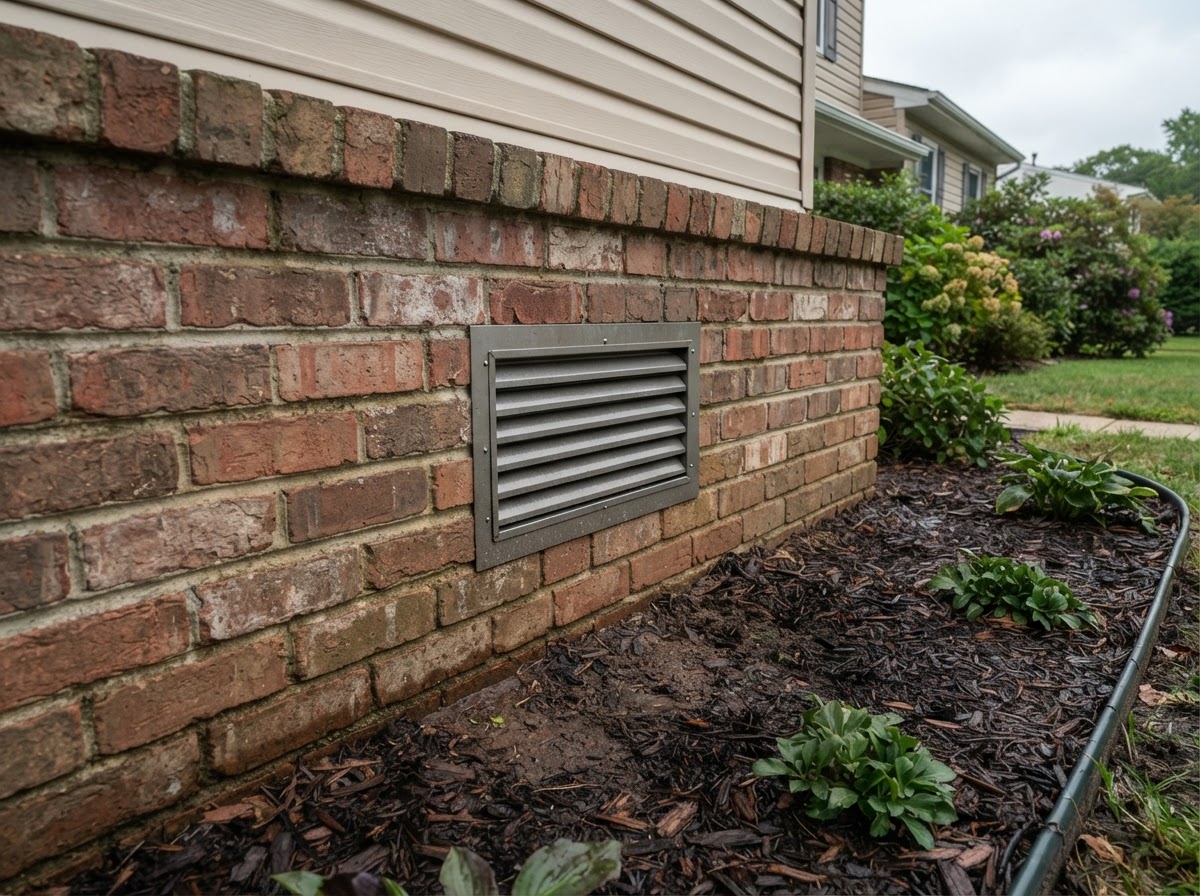
For homes with enclosed areas below the elevated floor (such as crawlspaces or garages), flood openings (also called vents) allow water to flow through, equalising pressure and reducing structural damage. Properly installed flood openings—one square inch of opening per square foot of enclosed area—are required for lower premiums. FEMA's Technical Bulletin on flood openings explains the specifics.
Retrofitting Utilities
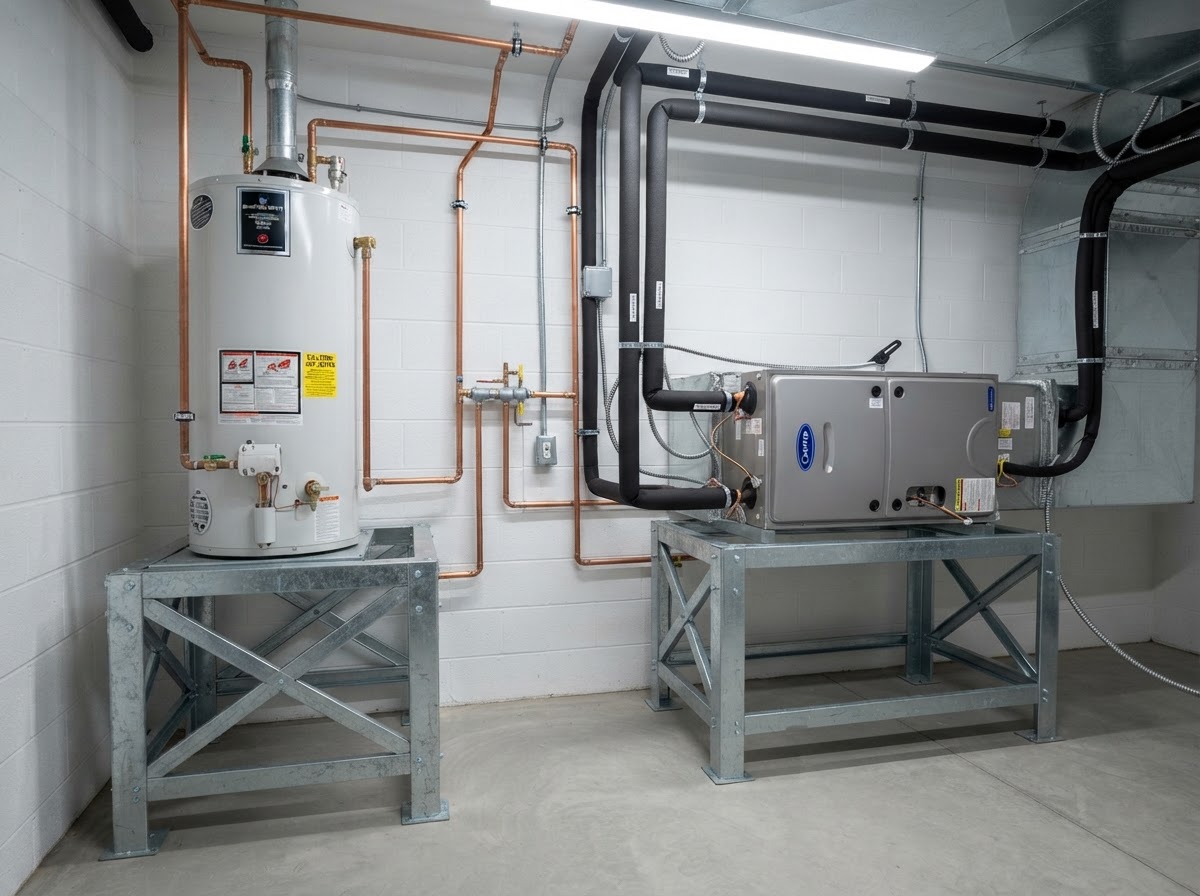
Moving HVAC equipment, water heaters, electrical panels, and other utilities above the BFE can prevent costly damage and qualify for premium discounts. This is often a lower-cost mitigation step. Anchor fuel tanks and elevate outdoor appliances. Ready.gov offers guidance on utility retrofitting.
Dry Floodproofing
For non-residential buildings (and in some cases residential), dry floodproofing involves sealing walls with waterproof coatings and installing automatic barriers to keep water out. This method is only applicable if the lowest floor is not used for living space, and it requires a permit and professional design. FEMA's Flood Damage-Resistant Materials Requirements include detailed guidelines.
Wet Floodproofing
Wet floodproofing is used when allowing water to enter the building is the safer or more cost-effective option. It involves using flood-resistant materials (e.g., concrete, tile) in areas below the BFE and moving valuables out. While wet floodproofing doesn't directly lower insurance premiums, it can reduce damage and may be part of a comprehensive plan that earns a discount. Consult your insurance agent or local floodplain manager.
Steps to Take Today
- Check your flood zone: Use FEMA's Flood Map Service Center to view your FIRM.
- Find an Elevation Certificate: Contact your local county surveyor or a licensed professional.
- Consult your insurance agent: Ask how much a certificate could save you.
- Plan mitigation projects: Start with low-cost retrofits (utilities, flood openings).
- Apply for the Community Rating System (CRS) discount: If your community participates, you may already receive a premium reduction of up to 45%. FEMA's CRS program rewards community-level floodplain management. Learn more about CRS.
Conclusion
An Elevation Certificate and targeted mitigation measures are proven ways to reduce your flood insurance premium. Start by obtaining the certificate to ensure you pay the correct risk-based rate. Then, consult with a licensed contractor or floodplain manager to prioritize cost-effective improvements. Every step you take not only lowers your insurance costs but also protects your home and family. For more resources, visit FEMA's Flood Insurance page.
About our guidance
Our guides are grounded in publicly available information from official sources such as FEMA, NOAA, USGS and Ready.gov. Information is general in nature — always verify details for your specific property and policy with official sources and your insurer.
Related guides
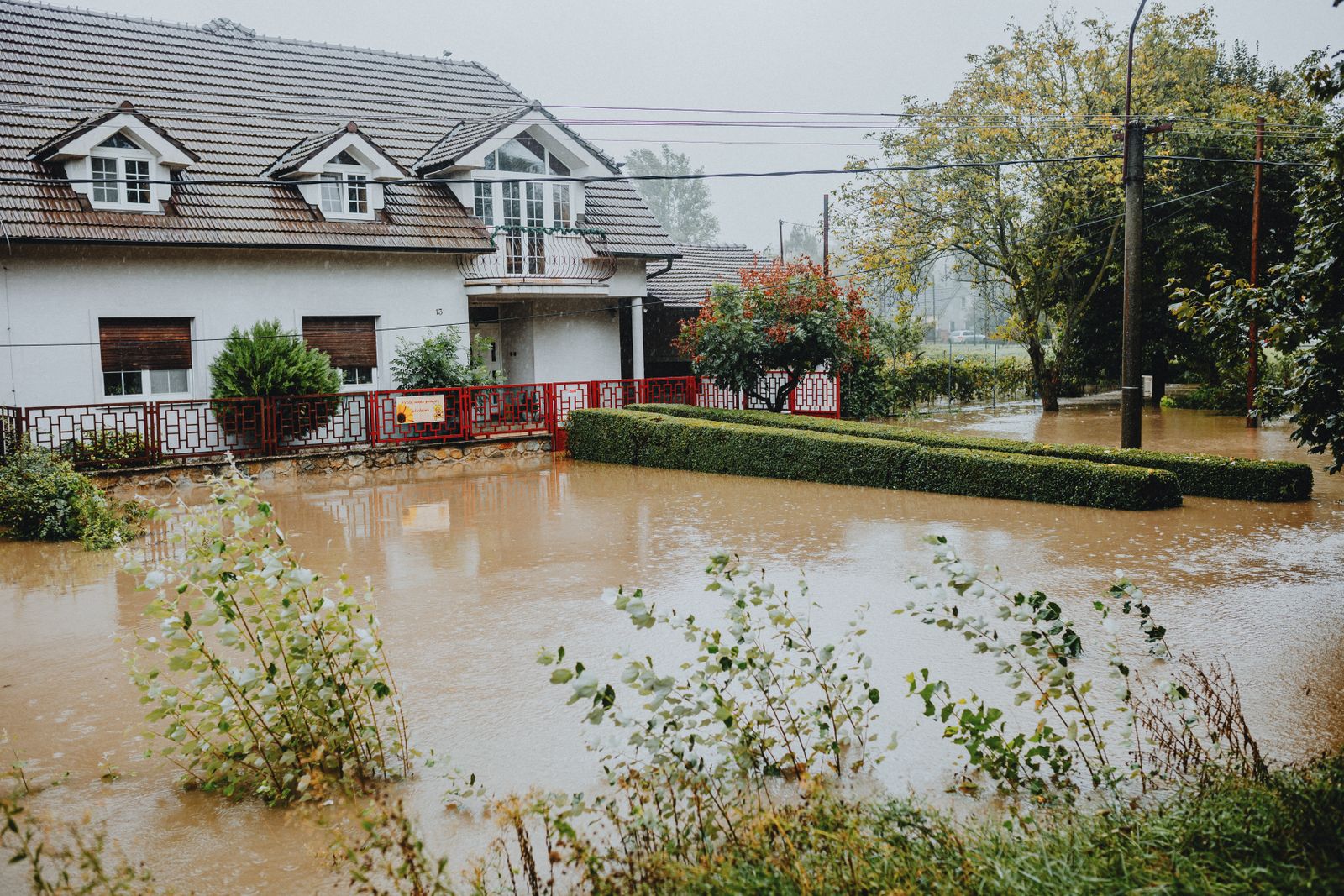 InsuranceLender-Placed Flood Insurance: The Expensive Backup If Your Policy LapsesYour lender can force-place flood insurance if your policy lapses — and bill you for it, usually at a higher price. Here is how…Oct 15, 2026Read guide →
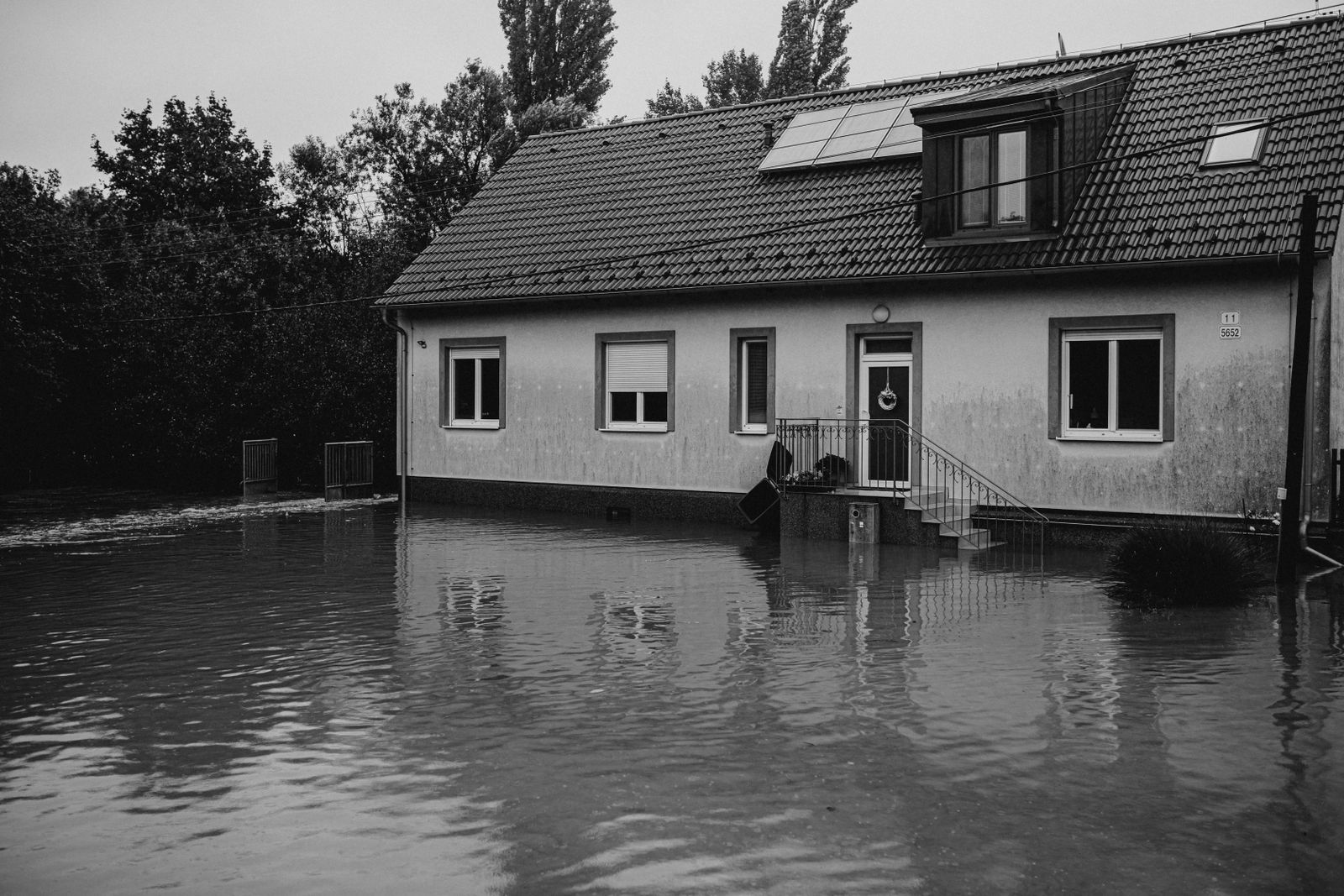 InsuranceWhat Happens to Your NFIP Policy If Congress Lets the Program LapseCongress extended the NFIP through December 11, 2026. If the program lapses, existing policies stay in force and claims get paid…Oct 15, 2026Read guide →
 InsuranceExcess Flood Insurance: Coverage Above NFIP's $250,000 LimitThe NFIP caps flood coverage at $250,000 for the building and $100,000 for contents. If your home would cost more to rebuild,…Oct 15, 2026Read guide →