
March Wildfire Prep Checklist for Western US Homeowners
5 min read

On this page
Spring is the time to prepare your home and family for wildfire season. Use this March checklist to create defensible space, harden your home, and build an emergency kit.
Why March Matters for Wildfire Preparedness

In the Western United States, wildfire season is starting earlier and lasting longer. March is the ideal month to take proactive steps before the dry summer months. According to Ready.gov, preparing now can reduce the risk of losing your home and give your family precious time to evacuate safely. This checklist covers three key areas: defensible space, home hardening, and emergency planning.
1. Create and Maintain Defensible Space
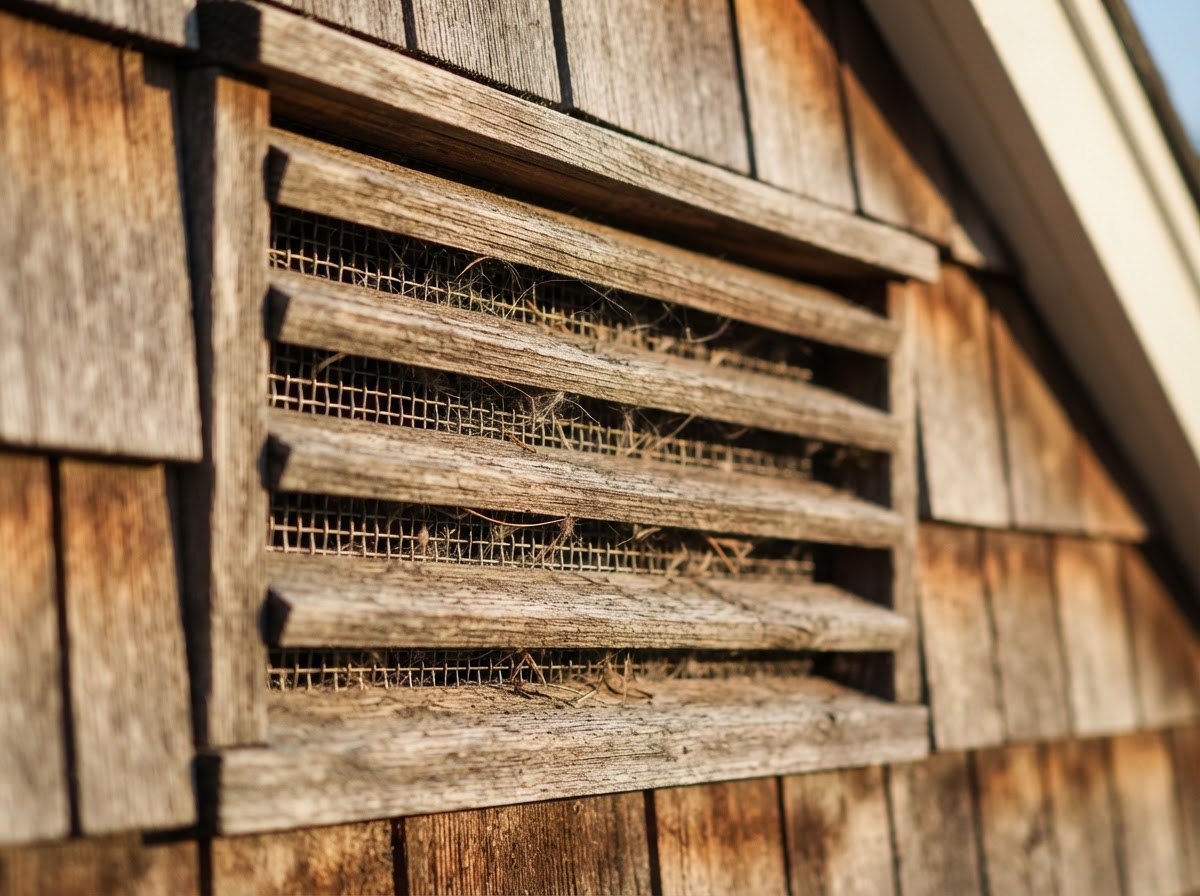
Defensible space is the buffer between your home and the surrounding vegetation. The FEMA Homebuilder’s Guide recommends a minimum of 30 feet of defensible space in moderate-risk areas, and up to 100 feet on slopes. In March, focus on:
- Clear dead vegetation: Remove dead leaves, pine needles, and branches from your roof, gutters, and yard. Even small debris can ignite from embers.
- Trim trees and shrubs: Remove lower tree branches up to 6–10 feet from the ground to prevent ground fires from climbing into the canopy. Space trees at least 10 feet apart.
- Mow dry grass and weeds: Keep grass less than 4 inches tall. Use a weed trimmer, not a lawn mower that can strike rocks and spark.
- Remove flammable plants near structures: Relocate fire-prone shrubs like juniper and rosemary away from the home. Use fire-resistant plants such as sage, lavender, or yarrow.
- Stack firewood and propane tanks at least 30 feet from the house: Embers can ignite these materials and spread flames quickly.
Check your local state or county guidelines for specific defensible space requirements.
2. Harden Your Home Against Embers
Embers are the leading cause of home ignition during wildfires. According to the National Institute of Standards and Technology (NIST), simple retrofits can make a home far less vulnerable. In March, inspect and upgrade:
- Roof: If your roof is asphalt shingles, replace any missing or loose shingles. Consider upgrading to Class A fire-rated materials (metal, tile, or asphalt composition). Clean gutters of debris.
- Vents: Cover attic, soffit, and crawl space vents with 1/8-inch metal mesh to block embers. Use ember-resistant vents (e.g., with baffles).
- Windows: Single-pane windows can crack from heat. Install double-pane tempered glass windows, or at least apply fire-resistant shutters.
- Decks and fences: Remove combustible materials underneath deck. Replace wooden fences that attach directly to the house with noncombustible sections (metal or masonry) for the first 5 feet.
- Eaves and siding: Box in open eaves with fire-resistant material. Use stucco, fiber cement, or brick for siding—avoid wood.
Detailed guidance is available from the FEMA Home Builder’s Guide to Wildfire Defense and the Firewise USA program.
3. Prepare Your Emergency Kit and Evacuation Plan
Wildfire can force you to leave with little notice. The Ready.gov emergency kit checklist recommends packing for at least 72 hours. In March, assemble or restock your Go Bag:
- Essential documents: IDs, insurance policies, birth certificates, and pet records in a waterproof container.
- Three-day supply of food and water: One gallon per person per day. Include non-perishable food and a manual can opener.
- First aid kit and medications: Prescription meds, glasses, and hygiene items.
- Flashlights, batteries, and a portable charger or power bank.
- N95 masks: Smoke inhalation is a major hazard.
- Pet supplies: Leash, carrier, food, bowls.
- Cash and a full tank of gas.
Also create a family evacuation plan:
- Identify at least two evacuation routes from your neighborhood.
- Designate a meeting place outside the danger zone (e.g., a relative’s home or a community center).
- Practice the drill with your family. Time it—you may have only minutes.
- Sign up for local emergency alerts. Many counties have Wireless Emergency Alerts (WEA) and notify systems via text or app.
For a detailed evacuation guide, see Ready.gov Wildfire Evacuation.
4. Check Your Insurance and Home Inventory
Review your homeowners insurance policy with your agent. Standard policies cover fire, but many have specific sub-limits for structures. The Insurance Information Institute recommends documenting your possessions with photos or video. Store the inventory in the cloud or a safe deposit box. March is a good time to:
- Confirm your policy covers replacement cost (not actual cash value) for your home and contents.
- Ask about additional living expenses (ALE) coverage if you need to stay in a hotel.
- Check if you have enough coverage for local rebuilding costs—many homes in the West are underinsured.
5. Stay Informed on Fire Danger
Bookmark the National Weather Service fire weather forecast and the Incident Information System (InciWeb) for active fires. In March, fire risk may still be low in many areas, but conditions change quickly. The U.S. Drought Monitor tracks drought severity, which increases wildfire risk. Sign up for your county’s emergency notification system now, before an incident occurs.
Next Steps: Your March Action Checklist
- Week 1: Clear dead vegetation from yard and roof. Schedule a home inspection for roof and siding.
- Week 2: Trim trees and shrubs. Install ember-resistant vent covers.
- Week 3: Assemble or update your Go Bag. Review insurance policy.
- Week 4: Practice your evacuation drill and update family contact information.
Taking these steps in March gives you a head start on wildfire season. By creating defensible space, hardening your home, and preparing your kit, you protect your family and property. For more expert guidance, visit HomeRiskMap.com and explore wildfire risk in your specific county.
Sources: Ready.gov, FEMA, NIST, NOAA, U.S. Drought Monitor, Insurance Information Institute.
About our guidance
Our guides are grounded in publicly available information from official sources such as FEMA, NOAA, USGS and Ready.gov. Information is general in nature — always verify details for your specific property and policy with official sources and your insurer.
Related guides
 InsuranceLender-Placed Flood Insurance: The Expensive Backup If Your Policy LapsesYour lender can force-place flood insurance if your policy lapses — and bill you for it, usually at a higher price. Here is how…Oct 15, 2026Read guide →
 InsuranceWhat Happens to Your NFIP Policy If Congress Lets the Program LapseCongress extended the NFIP through December 11, 2026. If the program lapses, existing policies stay in force and claims get paid…Oct 15, 2026Read guide →
 InsuranceExcess Flood Insurance: Coverage Above NFIP's $250,000 LimitThe NFIP caps flood coverage at $250,000 for the building and $100,000 for contents. If your home would cost more to rebuild,…Oct 15, 2026Read guide →