
Mobile Home Tornado Safety: What Actually Works
4 min read
On this page
Mobile homes are particularly vulnerable to tornadoes. Learn the proven strategies that save lives, based on official guidance from FEMA and NOAA.
Why Mobile Homes Are Especially Vulnerable
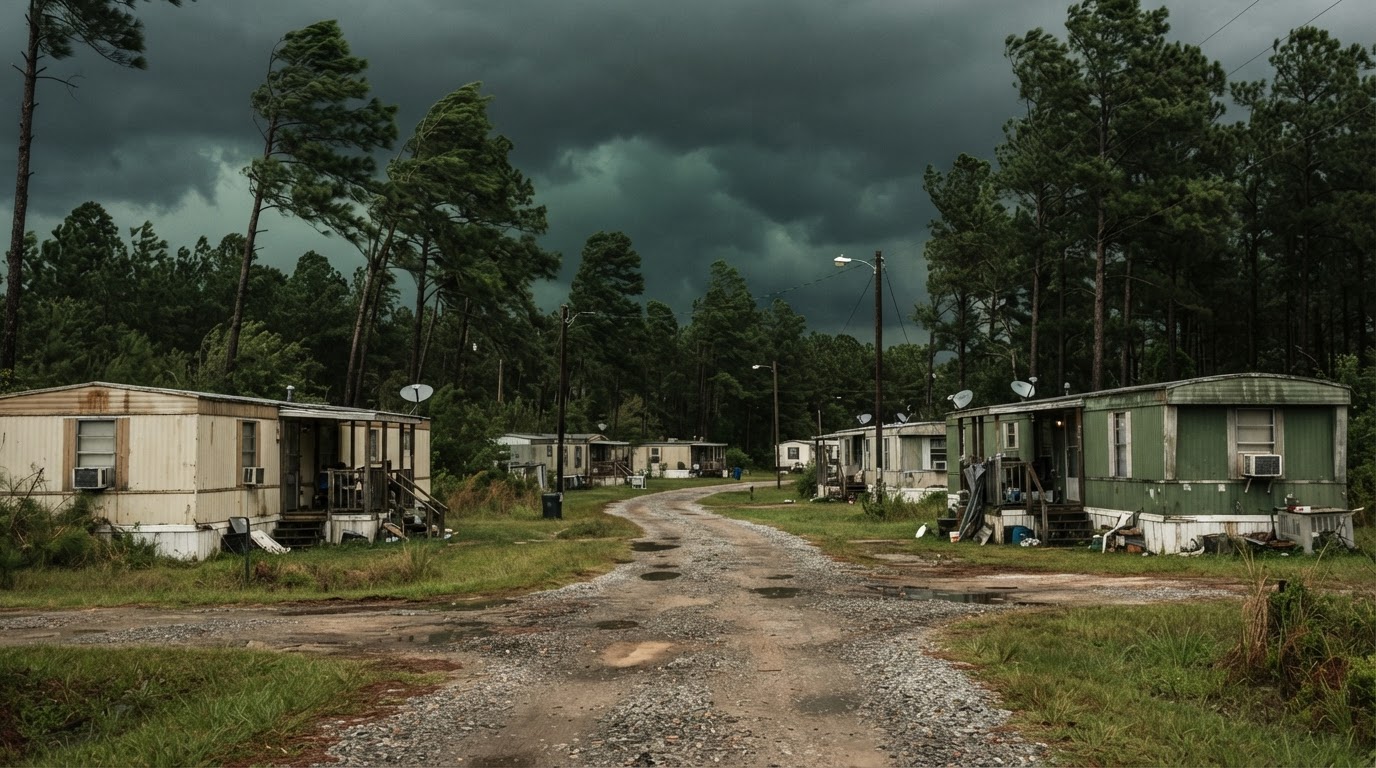
Mobile and manufactured homes are not designed to withstand the high winds of a tornado. According to FEMA, a typical mobile home can be destroyed by winds as low as 80 mph—far weaker than the EF1 tornado threshold. The lightweight construction, lack of a foundation, and large surface area make them prone to overturning or disintegrating. Even anchored mobile homes offer minimal protection. The National Weather Service (NWS) warns that no mobile home, regardless of tie-downs, is safe in a tornado. This reality demands a proactive, life-saving plan.
The Most Effective Safety Strategy: Have a Plan
The single most important step you can take is to have a plan before a tornado warning is issued. The NWS emphasizes that in a mobile home, you must leave and go to a safe location. Waiting until the last minute lowers your chances. Identify your options now, and practice the plan with everyone in your household. The three main strategies, in order of effectiveness, are:
Option 1: Leave Before the Storm (Best)
If you live in a mobile home, the safest approach is to leave well before a tornado threatens. Monitor NOAA Weather Radio, a smartphone app, or local news for tornado watches and warnings. When a watch is issued, consider relocating to a friend's or relative's house that has a basement or storm shelter. This option removes all risk from the mobile home. FEMA states that advance planning and early departure is the most effective way to protect yourself.
Option 2: Seek a Designated Shelter (Preferred)
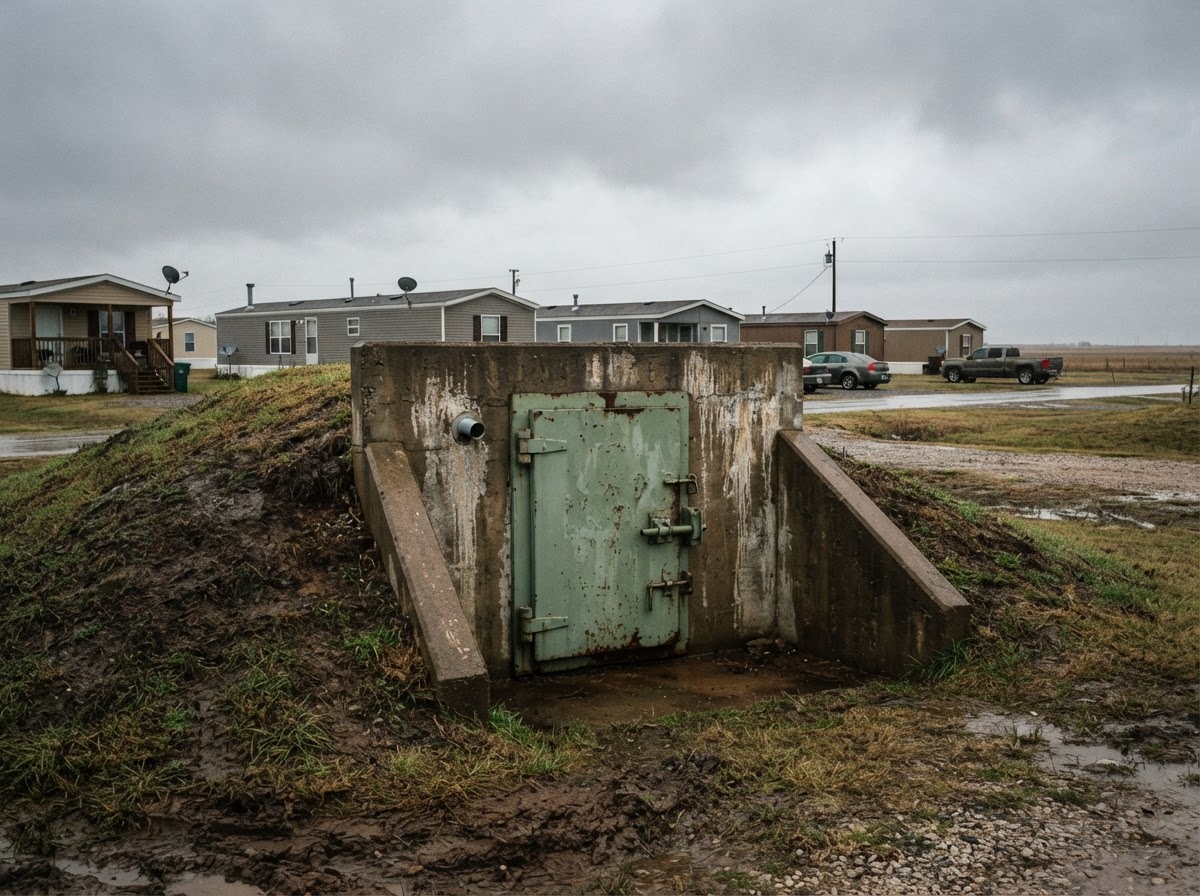
Many mobile home parks have a community storm shelter or a nearby safe building. Identify the closest shelter and its capacity. The Ready.gov website recommends that if you cannot leave, go to a pre-identified shelter, preferably a FEMA-rated tornado shelter or a basement. If no shelter exists, ask your park management about installing one. Community shelters are often built to withstand extreme winds and are the next best option.
Option 3: A Low-Lying Area or Ditch (Last Resort)
If you are caught in a tornado warning and have no time to leave or reach a shelter, your last resort is to lie flat in a low-lying area away from the mobile home. The CDC advises covering your head and neck with your arms. Do not stay in a vehicle or under an overpass. Ditches can protect against flying debris, but they may also flood. This option is extremely dangerous and should only be used when no other choice exists. Never attempt to outrun a tornado in a vehicle.
What NOT to Do
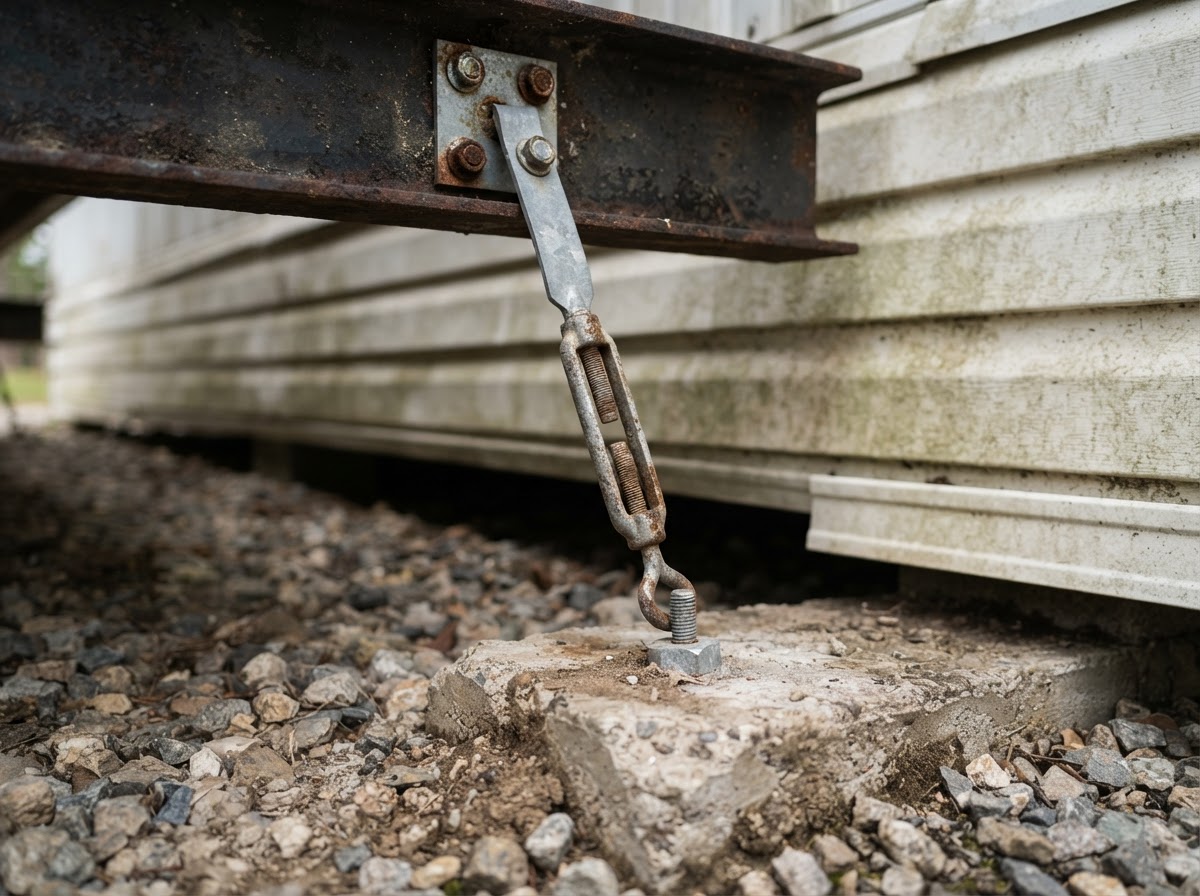
Knowing what not to do is equally important. Never stay in your mobile home during a tornado. Opening windows to equalize pressure is a myth and wastes precious time. Do not seek shelter under a mobile home; it offers no protection and may collapse. Avoid taking shelter in a closet or bathroom—mobile homes lack the structural integrity to provide safety. Do not rely on tie-downs or anchoring to save you; they are designed for high winds, not tornadoes. The NWS is clear: the only safe place is outside the mobile home.
Preparing Your Property
While you cannot make a mobile home tornado-proof, you can reduce some risks. Secure loose items like lawn furniture and propane tanks that could become projectiles. Install a NOAA Weather Radio with battery backup. Keep an emergency kit with water, first aid, flashlights, and a whistle. If you own the land, consider installing a private storm shelter. FEMA provides guidelines for safe room construction. Even if you rent, ask your landlord about park-wide shelter plans.
After the Storm
After a tornado, watch for hazards: downed power lines, gas leaks, and sharp debris. Wear sturdy shoes and gloves. Check for injuries and administer first aid. Use a whistle to signal for help if trapped. Follow instructions from local emergency services. The CDC recommends avoiding damaged buildings and staying away from fallen wires. Document any damage for insurance claims, but prioritize safety.
Conclusion: Your Action Items
Tornado safety in a mobile home is not about staying put—it's about getting out. Your life depends on early action and a solid plan. Today, do three things: 1) Identify a safe place you can go (a friend's basement or a community shelter). 2) Practice your plan with all household members. 3) Get a NOAA Weather Radio. For more detailed guidance, visit Ready.gov/tornadoes and weather.gov/safety/tornado. Remember: in a mobile home, the safest place is not inside—it's somewhere else.
About our guidance
Our guides are grounded in publicly available information from official sources such as FEMA, NOAA, USGS and Ready.gov. Information is general in nature — always verify details for your specific property and policy with official sources and your insurer.
Keep exploring
Related guides
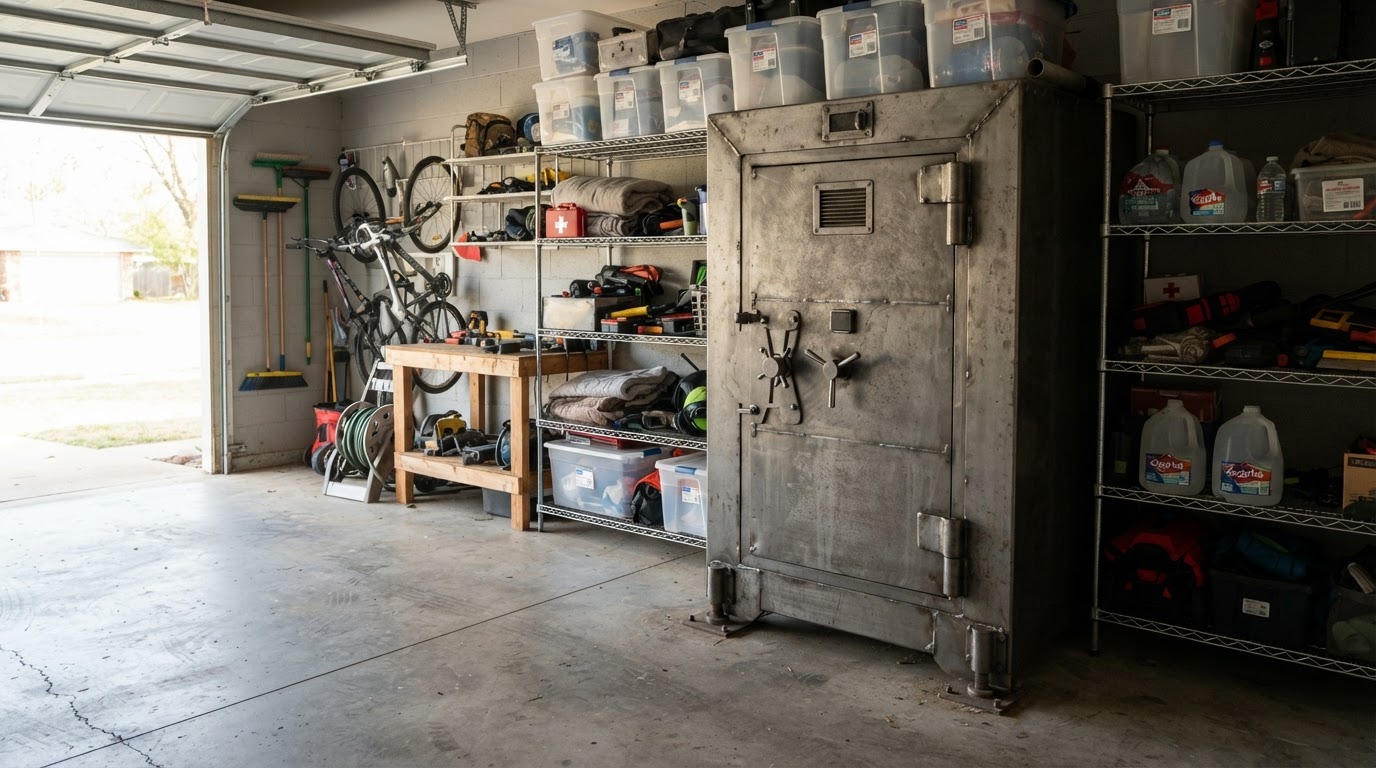 Tornado Safe Room vs Storm Shelter: Costs & Options for HomeownersLearn the key differences between tornado safe rooms and storm shelters, including costs, installation options, and FEMA…Jun 21, 2026Read guide →
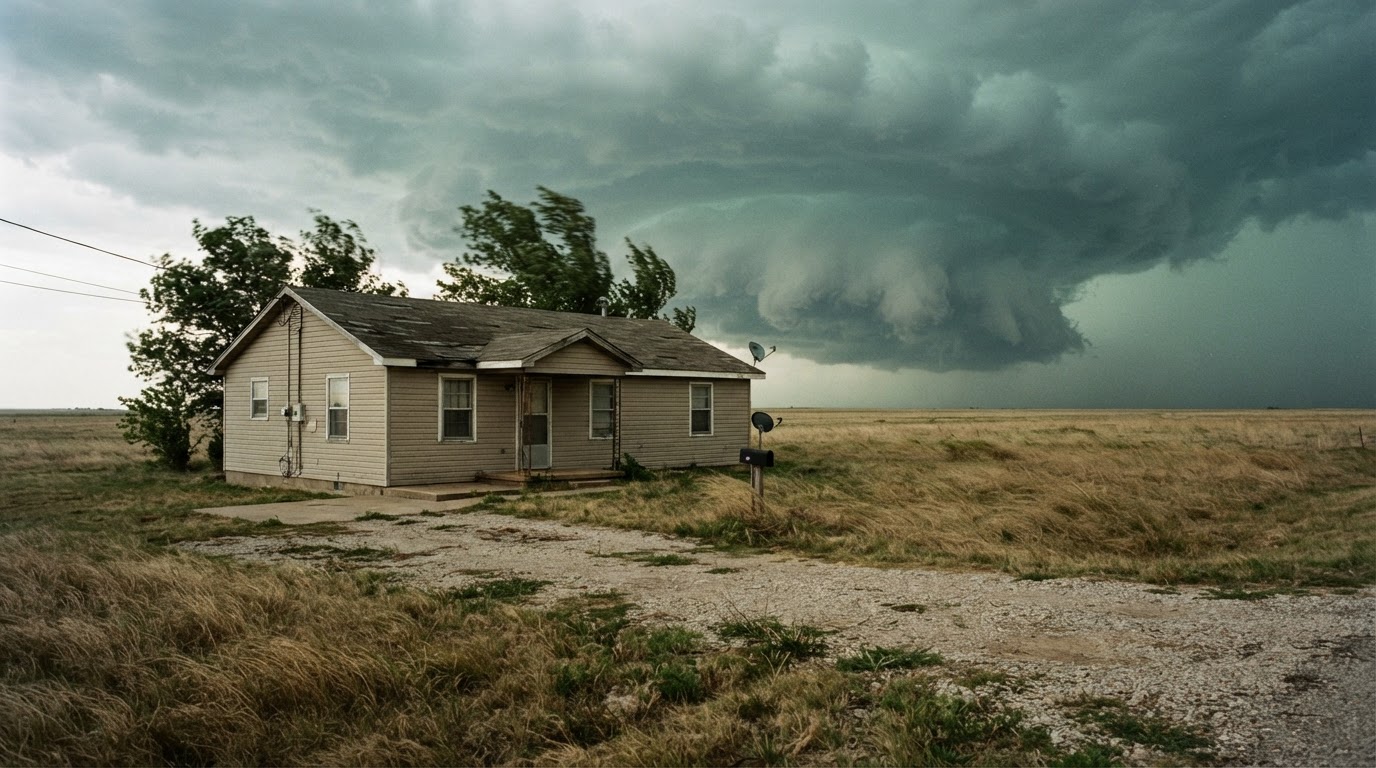 Safest Place in Your House During a Tornado by Home TypeWhere you take shelter during a tornado depends on your home type. Learn the safest locations for single-family homes,…Jun 21, 2026Read guide →
 InsuranceLender-Placed Flood Insurance: The Expensive Backup If Your Policy LapsesYour lender can force-place flood insurance if your policy lapses — and bill you for it, usually at a higher price. Here is how…Oct 15, 2026Read guide →