
Mold After Flooding: Insurance, Health Risks & Cleanup
4 min read
On this page
Learn how to deal with mold after a flood, including insurance coverage, health risks from mold exposure, and essential cleanup steps based on official guidance from FEMA, CDC, and EPA.
Understanding Mold After a Flood
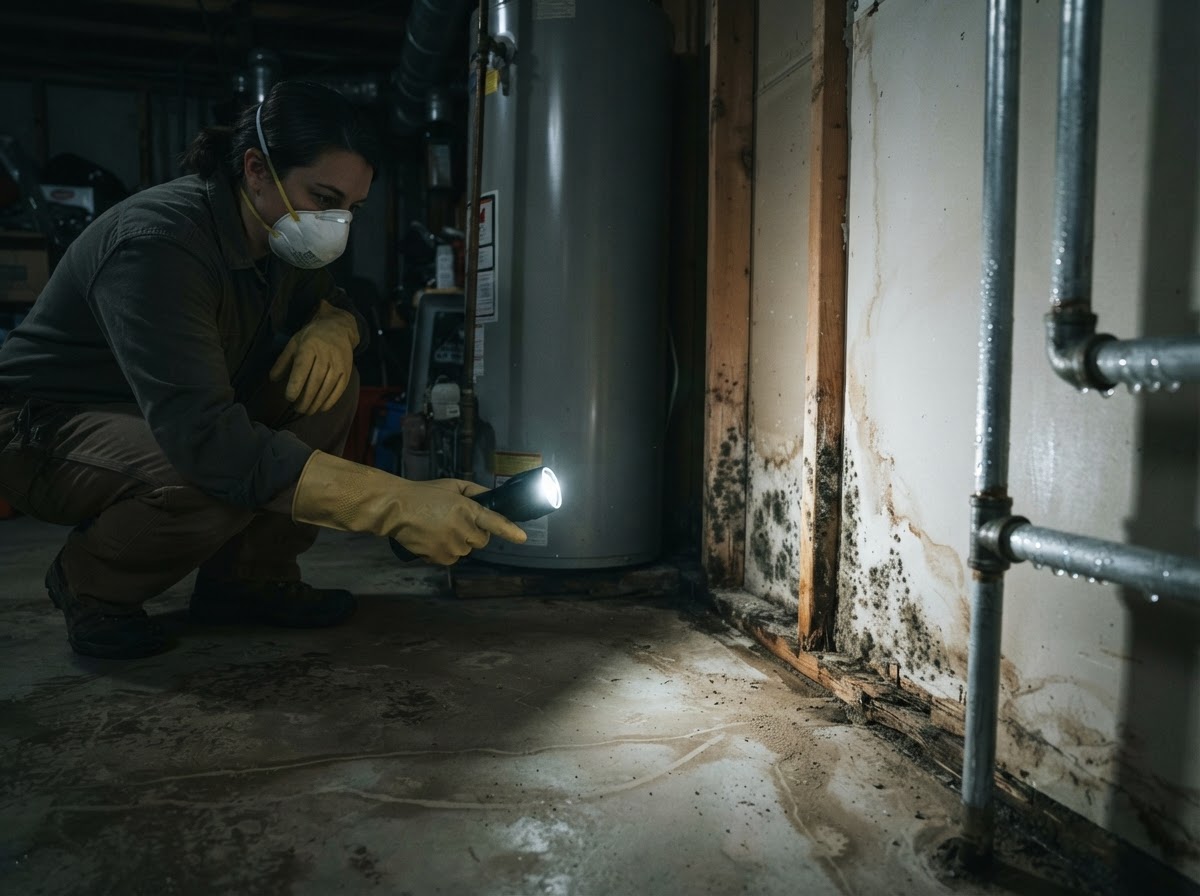
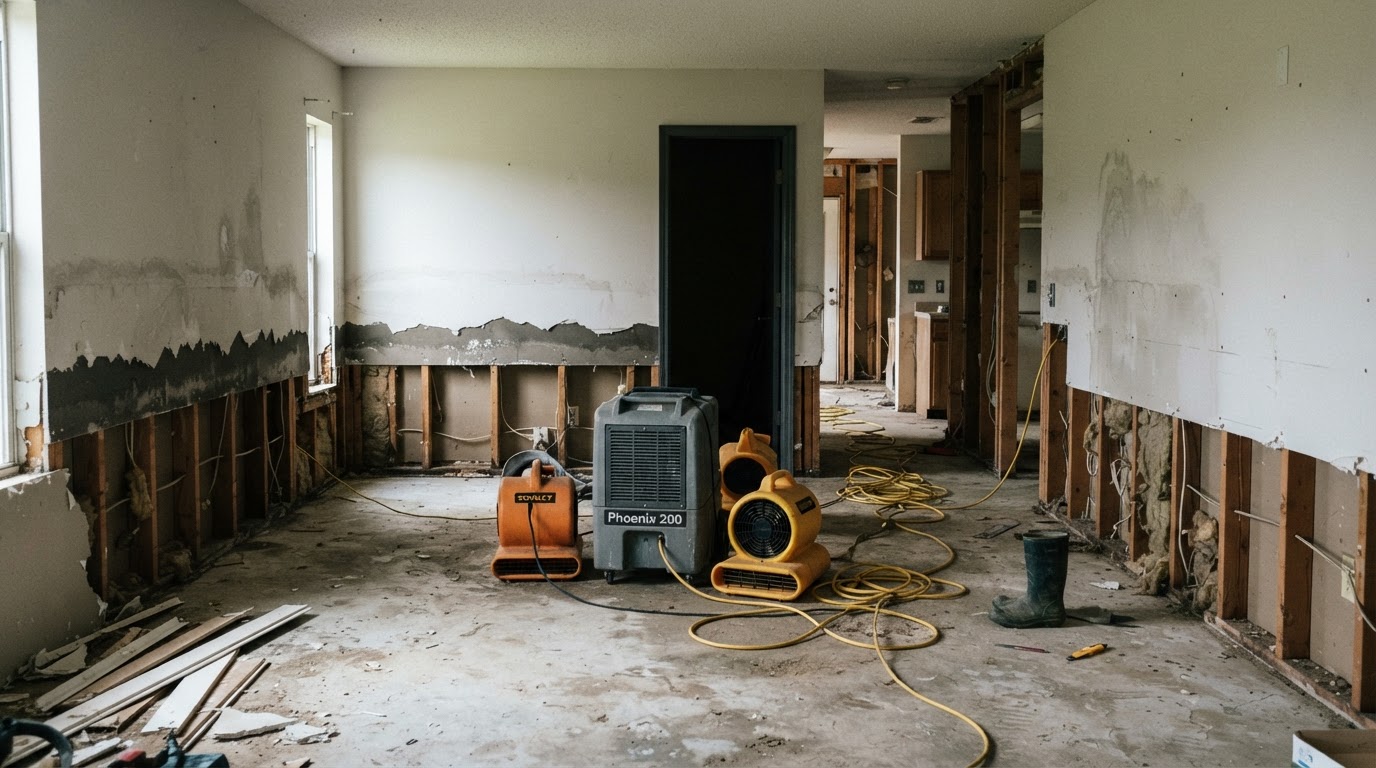
Floodwater can introduce moisture into your home, creating ideal conditions for mold growth. Mold can start growing within 24 to 48 hours after water intrusion, so acting quickly is crucial. This article covers insurance considerations, health risks, and cleanup steps based on guidance from FEMA, the CDC, and the EPA.
Does Homeowners Insurance Cover Mold After Flooding?
Standard homeowners insurance policies typically do not cover flood damage or resulting mold. Flood insurance is available through the National Flood Insurance Program (NFIP), which may cover mold if it results from a covered flood event and you took reasonable steps to dry your property. However, NFIP policies have limits and exclusions. For example, mold remediation is covered only if caused by the flood and you promptly report the loss and mitigate damage. Check your policy and consult your agent. Some private insurers offer mold endorsements, but these vary.
Key Insurance Tips:
- Document all damage with photos and videos before cleanup.
- File your claim as soon as possible. Ready.gov recommends contacting your insurance company immediately.
- Keep records of all communications and receipts for cleanup supplies and professional services.
- Ask your adjuster about coverage for mold testing and remediation.
Health Risks of Mold After Flooding
Mold can cause a variety of health problems, especially for people with allergies, asthma, or weakened immune systems. The CDC warns that breathing in mold can trigger allergic reactions, asthma attacks, and other respiratory issues. Symptoms may include sneezing, coughing, wheezing, eye irritation, and skin rashes. Prolonged exposure can lead to more serious conditions.
Who Is Most at Risk?
- Infants and children
- Elderly individuals
- People with chronic respiratory conditions (e.g., asthma, COPD)
- Immunocompromised individuals
- Those with mold allergies
If you experience persistent symptoms after flood cleanup, consult a healthcare provider. The EPA emphasizes that any mold growth should be removed, as it can damage your home and health.
Cleanup Basics: How to Safely Remove Mold
According to Ready.gov, drying your home within 24-48 hours is key to preventing mold. Here are steps based on EPA mold cleanup guidelines and CDC disaster mold guidance.
1. Ensure Safety First
- Turn off electricity and gas if standing water is present.
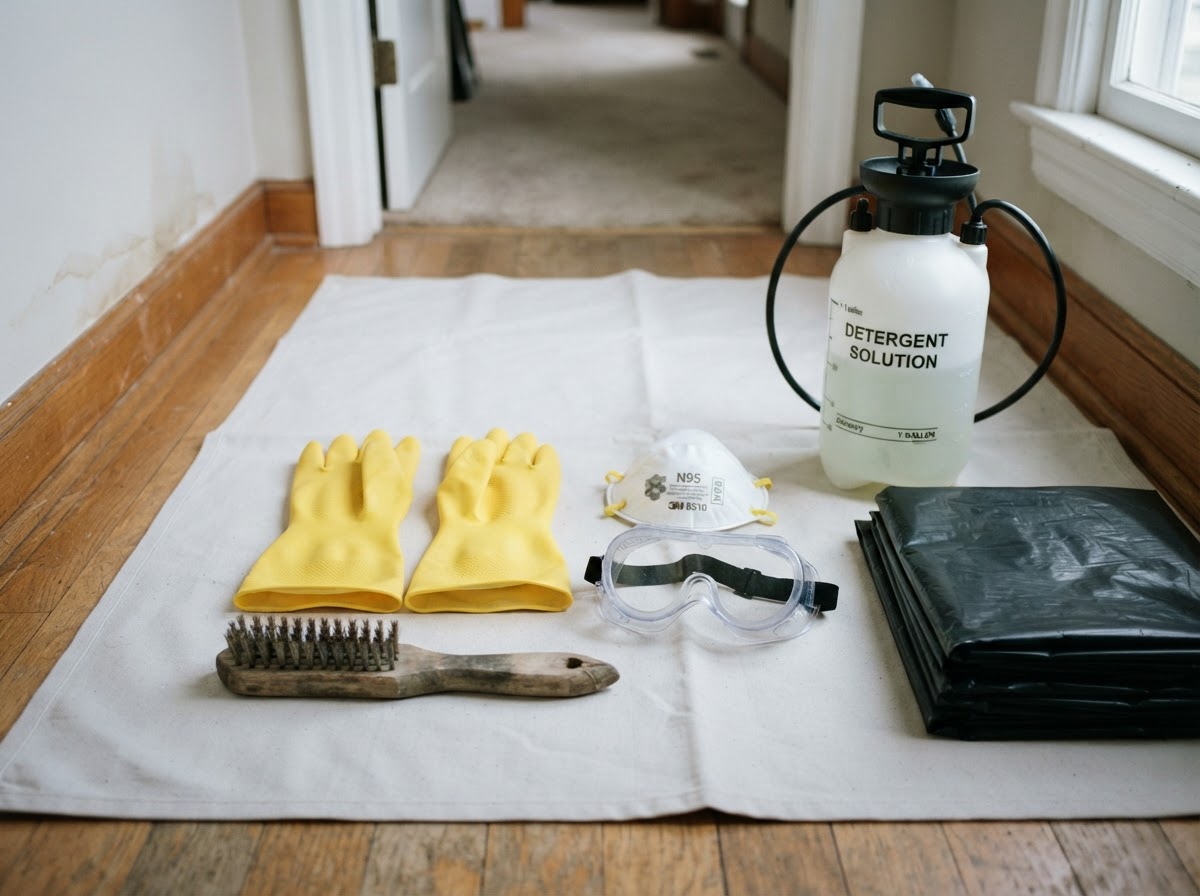
- Wear protective gear: N-95 respirator, goggles, gloves, and boots.
- Ensure ventilation by opening windows and doors.
2. Remove Standing Water and Dry Out
- Use pumps or wet vacuums to remove water.
- Use fans, dehumidifiers, and natural ventilation to dry the area.
- Remove soaked carpets, padding, and fabric items that can't be cleaned.
3. Clean and Disinfect
- Scrub hard surfaces (wood, metal, concrete) with detergent and water, then dry thoroughly.
- Do not mix bleach with ammonia or other cleaners; toxic fumes can occur. For mold, the EPA suggests using a mixture of 1 cup of bleach to 1 gallon of water, but only on non-porous surfaces. Bleach is not effective on porous surfaces like wood or drywall.
- Use commercial mold cleaners or a mix of detergent and water.
4. Dispose of Contaminated Materials
- Items that cannot be thoroughly cleaned and dried (e.g., drywall, insulation, porous wood) should be discarded.
- Bag moldy materials in heavy-duty plastic bags before disposal.
5. When to Call a Professional
For large mold growth (more than 10 square feet), the EPA recommends hiring a professional mold remediation contractor. Also consider professionals if your HVAC system is contaminated, or if you have health concerns.
Preventing Future Mold
After cleanup, take steps to prevent mold from returning:
- Fix any leaks in roofs, pipes, or foundations.
- Improve ventilation in bathrooms, kitchens, and basements.
- Use dehumidifiers in damp areas and maintain humidity below 60%.
- Consider applying mold inhibitors to surfaces during renovation.
Conclusion
Mold after flooding is a serious issue that can affect your health and home. Act quickly to dry your property, document damage for insurance, and follow safety guidelines from FEMA, the CDC, and the EPA. For more information, visit Ready.gov Floods. Take immediate action to protect your home and family.
About our guidance
Our guides are grounded in publicly available information from official sources such as FEMA, NOAA, USGS and Ready.gov. Information is general in nature — always verify details for your specific property and policy with official sources and your insurer.
Related guides
 InsuranceLender-Placed Flood Insurance: The Expensive Backup If Your Policy LapsesYour lender can force-place flood insurance if your policy lapses — and bill you for it, usually at a higher price. Here is how…Oct 15, 2026Read guide →
 InsuranceWhat Happens to Your NFIP Policy If Congress Lets the Program LapseCongress extended the NFIP through December 11, 2026. If the program lapses, existing policies stay in force and claims get paid…Oct 15, 2026Read guide →
 InsuranceExcess Flood Insurance: Coverage Above NFIP's $250,000 LimitThe NFIP caps flood coverage at $250,000 for the building and $100,000 for contents. If your home would cost more to rebuild,…Oct 15, 2026Read guide →