
Moving to California? Wildfire, Earthquake & Insurance Guide
3 min read

On this page
California's natural beauty comes with risks: wildfires, earthquakes, and floods. Learn how to protect your home with this reality check on hazards and insurance, based on official guidance from FEMA, USGS, and Ready.gov.
California draws millions with its stunning coastlines, mountains, and vibrant cities. But before you relocate, understand the natural hazard risks that come with the territory. Wildfires, earthquakes, and floods are part of life here, and knowing how to prepare and insure your home is essential. This guide draws on official information from FEMA, USGS, Ready.gov, and CalFire to give you the reality check you need.
Wildfire Risk in California
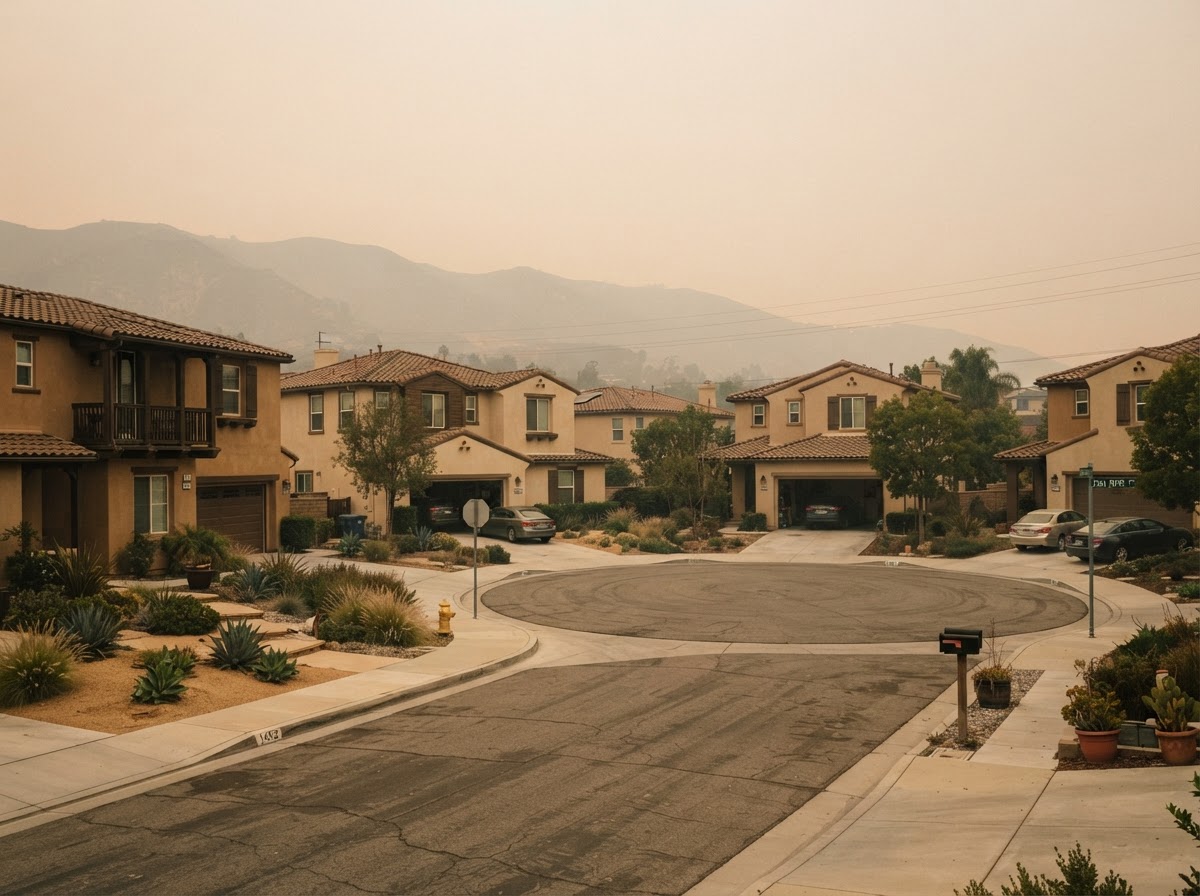
Wildfires are a year-round threat, though the peak season is late summer through fall. According to Ready.gov, homes in or near wildland areas face the highest risk. Key steps to reduce your vulnerability:
- Defensible space: Clear dry vegetation, dead leaves, and flammable materials within 100 feet of your home. CalFire’s defensible space guidelines are a must-read.
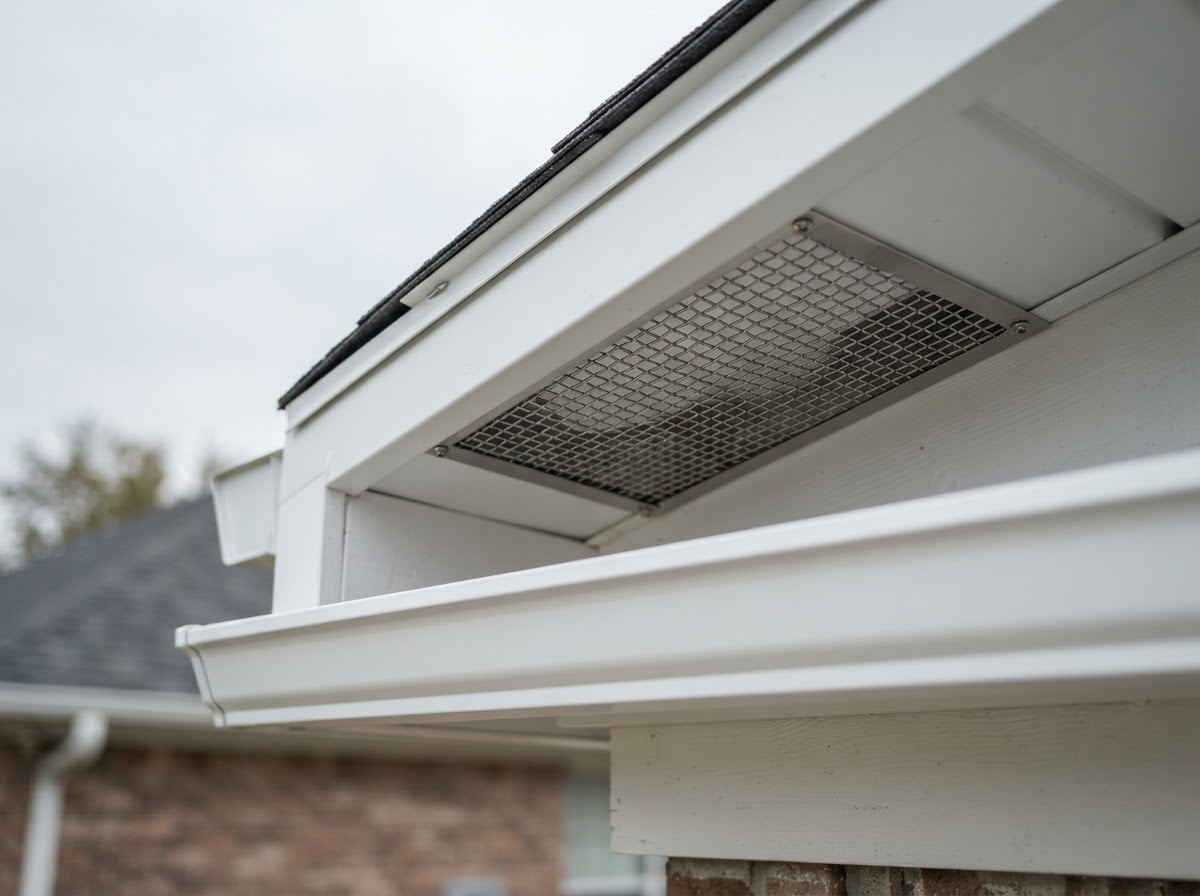
- Home hardening: Use fire-resistant roofing, siding, and dual-pane windows. Ember-resistant vents can prevent fire from entering your attic.
- Evacuation plan: Know two routes out of your neighborhood, pack a go-bag, and sign up for local emergency alerts (e.g., CalFire’s Ready for Wildfire alert system).
Earthquake Risk in California
The entire state sits on active fault lines. The USGS Earthquake Hazards Program offers a map of fault zones. Major quakes (like the 1994 Northridge and 1989 Loma Prieta) can occur anywhere. Prepare by:
- Securing heavy furniture and appliances with braces or straps.
- Storing water and food for at least 72 hours per person. FEMA recommends drop, cover, and hold on during shaking.
- Retrofitting your home: If you buy an older house (pre-1979), consider a seismic retrofit—bolting the house to the foundation and adding plywood shear walls. The Earthquake Brace + Bolt program offers grants.
Other Natural Hazards
Flooding
Heavy rains, snowmelt, and tsunamis cause flooding. Check FloodSmart.gov to see if your property is in a FEMA Special Flood Hazard Area. Standard homeowners policies exclude flood; you need a separate policy from the National Flood Insurance Program (NFIP).
Landslides
Wildfires denude slopes, leading to mudslides during rain. The USGS Landslide Hazards site has maps. Avoid building on steep hillsides without proper geotechnical review.
Insurance Reality Check
Standard homeowners insurance in California covers some perils but excludes earthquake and flood. Here’s what you need to know:
Wildfire and Homeowners Insurance
Most policies cover wildfire damage, but insurers are increasingly non-renewing policies in high-risk areas. The California Department of Insurance offers a wildfire coverage FAQ. If you lose coverage, you may need to turn to the California FAIR Plan, a state-mandated insurer of last resort that covers fire, but with limited benefits—usually lower liability and no other perils.
Earthquake Insurance
Earthquake damage is not covered by standard policies. The California Earthquake Authority (CEA) offers policies with a deductible (often 10-20% of the home’s replacement cost). For a $500,000 home, that deductible could be $50,000–$100,000. Consider whether the premium is worth the peace of mind.
Flood Insurance
Flood insurance is separate and required if you have a federally backed mortgage and live in a high-risk zone. Premiums vary by flood zone. Check with your insurance agent.
Practical Steps Before You Move
- Research hazard history of the area using FEMA’s National Risk Index or local fire department maps.
- Hire a home inspector who knows seismic and fire risks. Ask about retrofit needs.
- Shop for insurance early. Get quotes from multiple companies for homeowners, earthquake, and flood. The FAIR Plan may take weeks to process.
- Prepare an emergency kit per Ready.gov’s list: water, food, flashlight, radio, first aid, cash, and medications.
Conclusion
Moving to California means embracing a beautiful but dynamic environment. By understanding wildfire, earthquake, and flood risks—and securing the right insurance—you can protect your home and family. Start with official resources: FEMA, USGS, Ready.gov, and your local emergency management office. Preparation isn’t fear; it’s peace of mind.
About our guidance
Our guides are grounded in publicly available information from official sources such as FEMA, NOAA, USGS and Ready.gov. Information is general in nature — always verify details for your specific property and policy with official sources and your insurer.
Related guides
 InsuranceLender-Placed Flood Insurance: The Expensive Backup If Your Policy LapsesYour lender can force-place flood insurance if your policy lapses — and bill you for it, usually at a higher price. Here is how…Oct 15, 2026Read guide →
 InsuranceWhat Happens to Your NFIP Policy If Congress Lets the Program LapseCongress extended the NFIP through December 11, 2026. If the program lapses, existing policies stay in force and claims get paid…Oct 15, 2026Read guide →
 InsuranceExcess Flood Insurance: Coverage Above NFIP's $250,000 LimitThe NFIP caps flood coverage at $250,000 for the building and $100,000 for contents. If your home would cost more to rebuild,…Oct 15, 2026Read guide →