
Moving to Florida? Flood, Hurricane, and Insurance Risks to Research First
6 min read
On this page
Florida offers sunshine and beaches, but also faces significant natural hazards. Before moving, understand flood zones, hurricane risks, and the insurance landscape to protect your home and finances.
Florida's warm climate and coastal beauty draw thousands of new residents each year. However, the state's geography also makes it prone to hurricanes, flooding, and related insurance challenges. Before you buy a home or sign a lease, it's essential to research these risks thoroughly. This article provides practical steps grounded in guidance from FEMA, NOAA, the National Weather Service, and other official sources to help you make informed decisions.
Understand Your Flood Risk
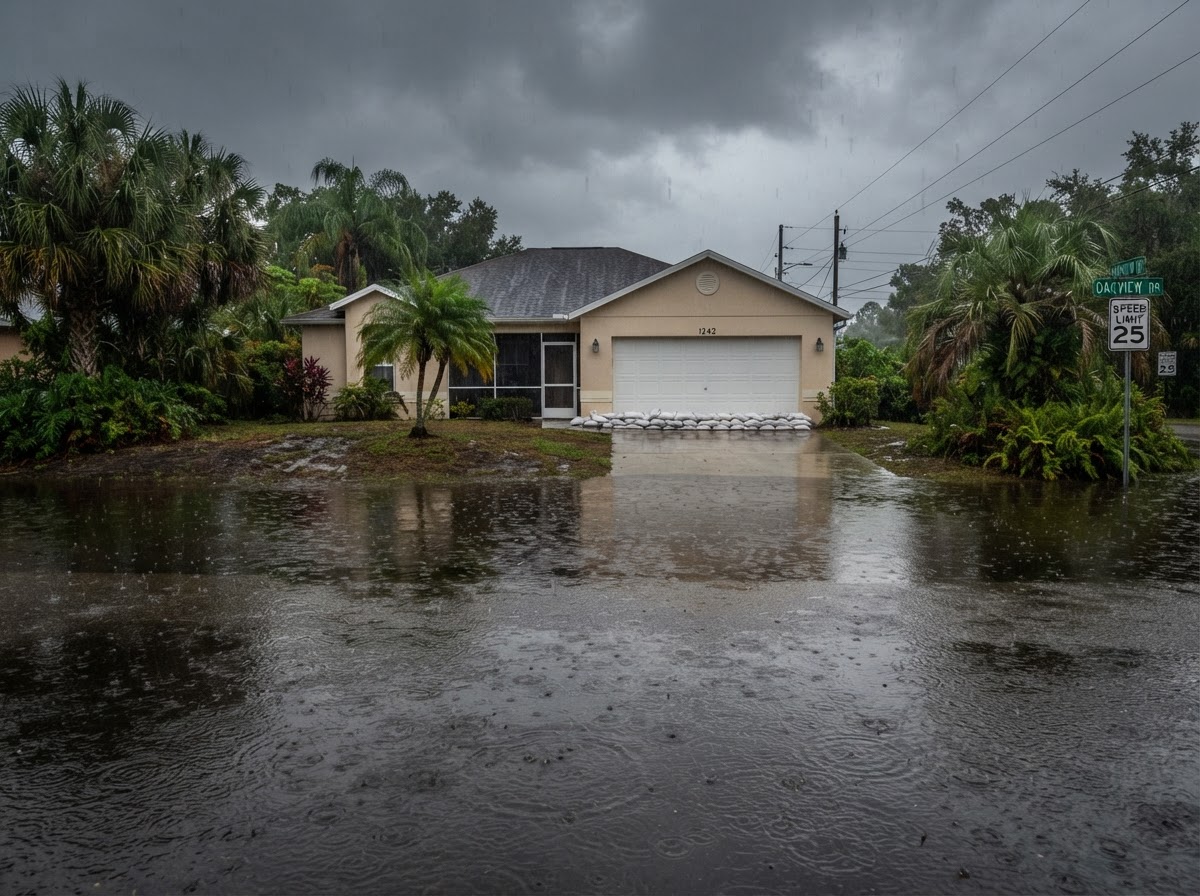
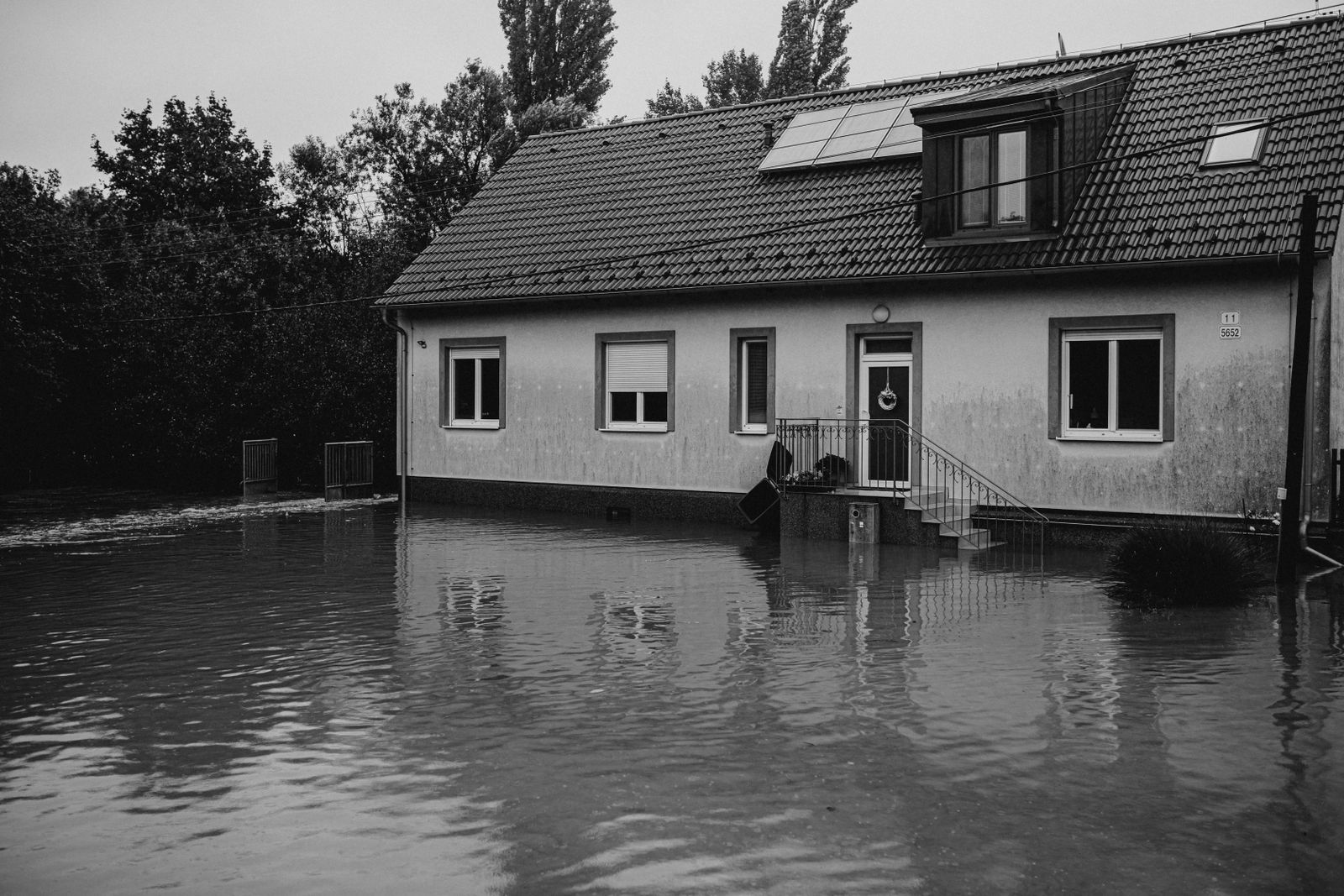
Flooding is the most common and costly natural disaster in Florida. Even properties outside high-risk zones can flood from heavy rains, storm surge, or overflowing waterways. FEMA's Flood Insurance Rate Maps (FIRMs) designate areas as Special Flood Hazard Areas (SFHAs) – often called the 100-year floodplain – which have a 1% annual chance of flooding. However, FEMA also reminds us that flooding can happen anywhere; about 25% of all flood insurance claims come from low- to moderate-risk zones.
How to Check Flood Risk for a Property
- Use FEMA's Map Service Center to view official flood maps and identify your property's flood zone (e.g., A, AE, V, VE).
- Ask the seller or real estate agent for a flood elevation certificate if available. This document shows how the building's elevation compares to the Base Flood Elevation (BFE).
- Contact the local floodplain manager or county planning office for historical flood data and drainage issues.
- Check FloodSmart.gov for personalized flood risk information and NFIP policy details.
Flood Insurance Requirements
If you are buying a home with a federally backed mortgage and the property is in a high-risk flood zone, you will be required to purchase flood insurance. But even if not required, Ready.gov and FEMA strongly recommend it. Standard homeowners insurance does not cover flood damage. Flood insurance is available through the National Flood Insurance Program (NFIP) and from a growing number of private insurers. Note that NFIP policies have limits: up to $250,000 for the building and $100,000 for contents. Private policies may offer higher limits or additional coverage options.
Hurricane Risks and Home Preparation
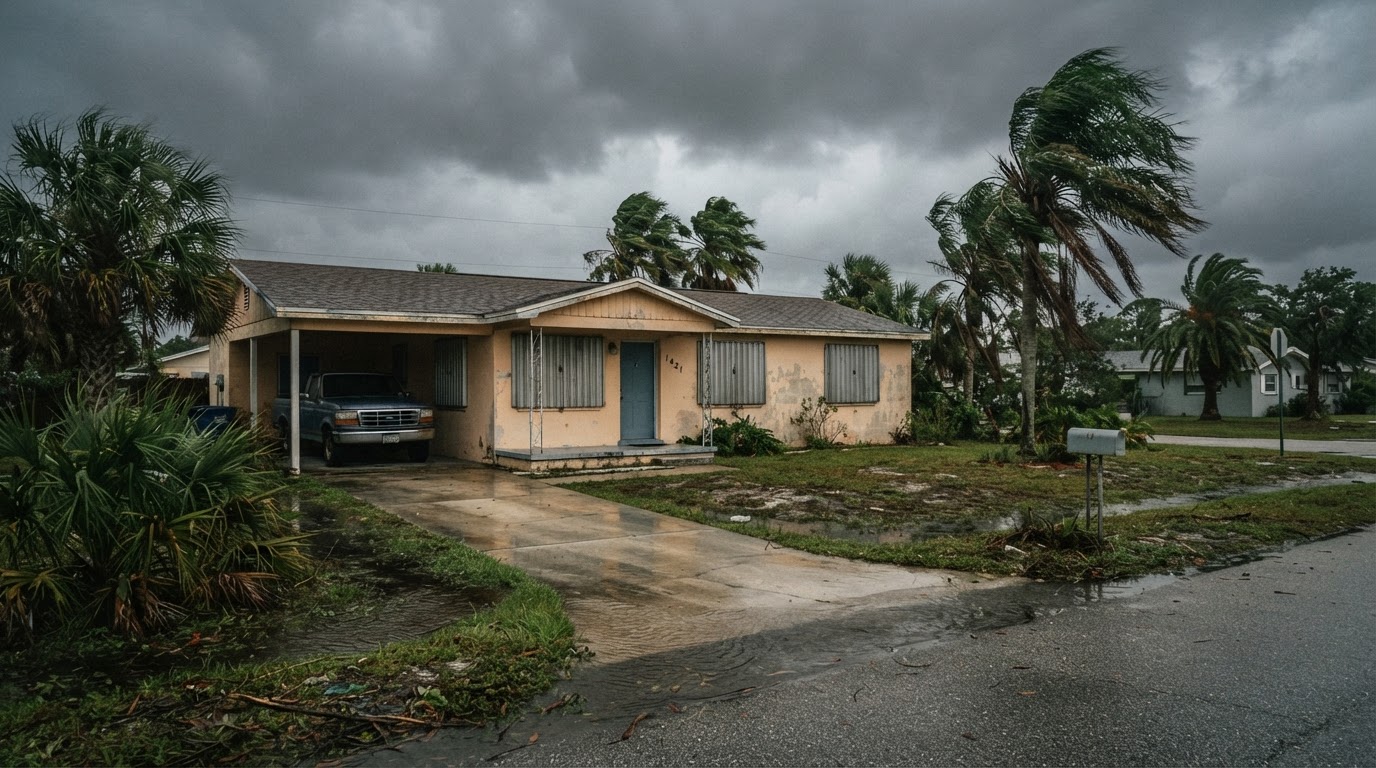
Hurricanes bring a triple threat: high winds, storm surge, and inland flooding. The Atlantic hurricane season runs from June 1 to November 30. According to NOAA's National Hurricane Center, Florida has the highest number of hurricane landfalls in the United States. Your risk varies by location: coastal areas face greater storm surge threats, while inland areas can still experience damaging winds and flooding from rain.
Key Hurricane Safety Steps
- Know your evacuation zone by checking local emergency management maps. These zones are based on storm surge vulnerability. They are different from flood zones.
- If you are in a surge-prone area, plan your evacuation route and have a go-bag ready. Ready.gov's hurricane page offers detailed preparation checklists.
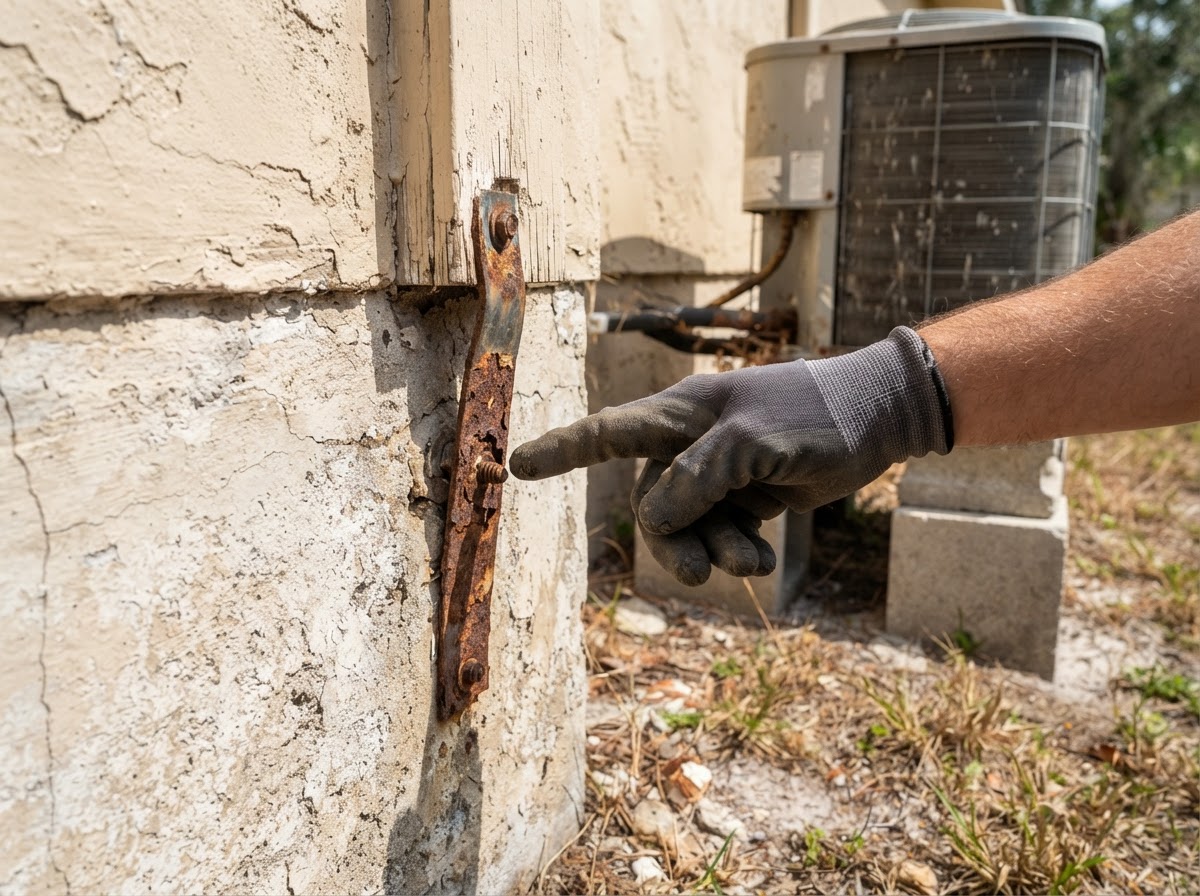
- Consider hurricane-resistant home features: impact-resistant windows or shutters, reinforced garage doors, and a roof meeting Florida Building Code standards (the code is one of the strongest in the U.S., especially after Hurricane Andrew).
- Look into Florida Division of Emergency Management resources for local mitigation programs, such as the My Safe Florida Home program that offers wind mitigation inspections and grants for home hardening.
Wind Mitigation Inspections
When buying a home, consider getting a wind mitigation inspection. This inspection identifies features like roof shape, secondary water barriers, and opening protections that can reduce wind damage. Many insurance companies offer premium discounts based on these features, potentially saving hundreds of dollars annually.
Insurance Challenges in Florida
Florida's homeowners insurance market is under significant pressure due to litigation, fraud, and increasing catastrophe losses. Premiums have risen sharply, and some insurers have stopped writing new policies. Understanding the market is crucial for your budget.
Types of Insurance You May Need
- Homeowners Insurance – covers perils like wind, fire, theft, liability. It typically excludes flood, earthquake, and (sometimes) windstorm depending on the company.
- Windstorm or Wind & Hail Insurance – In many coastal areas, wind coverage is separate. Florida's Office of Insurance Regulation (OIR) notes that some policies bundle wind, while others exclude it. Check your policy carefully.
- Flood Insurance – As discussed, separate from homeowners insurance. Required by lenders in high-risk zones; strongly recommended elsewhere.
- Citizens Property Insurance Corporation – This is Florida's state-run insurer of last resort. If you cannot get coverage in the private market, you may be eligible for a Citizens policy. However, Citizens premiums are typically higher and may have surcharges if a major hurricane exhausts its reserves.
Tips for Navigating Insurance
- Shop around: Get quotes from multiple private insurers (e.g., Universal Property & Casualty, Tower Hill, Security First). Use an independent insurance agent who can compare options.
- Review the OIR's consumer guides for homeowners insurance and flood insurance. These explain policy forms, coverage limits, and exclusions.
- Check the financial strength and complaint history of any insurer using A.M. Best or NAIC consumer tools.
- Ask about discounts for wind mitigation features, newer roofs, gated communities, and security systems.
- Consider a higher deductible to lower premiums, but ensure you can afford the out-of-pocket cost after a disaster.
Recent Trends and What They Mean for You
As of 2023 and 2024, Florida's insurance market has seen multiple company insolvencies and non-renewals. This has led to increased reliance on Citizens Property Insurance, the state-run insurer. According to the Insurance Information Institute, Florida's homeowners insurance premiums are among the highest in the nation. Lawsuits over assignment of benefits (AOB) have contributed to rate hikes. The state legislature has passed reforms to reduce litigation, but impacts on premiums may take years. When evaluating a property, ask about the insurance history: Has the home been non-renewed? What did previous owners pay? These clues can help you anticipate costs.
Practical Steps Before You Move
- Check flood zone and evacuation zone for your prospective address.
- Get insurance quotes before making an offer. Include both flood and wind coverage if needed.
- Review the home's disclosure regarding past flood damage, repairs, and claim history (Florida requires sellers to disclose known defects).
- Commission a home inspection with a licensed inspector experienced in wind and flood issues.
- Consider the costs of hardening the home (e.g., impact windows, roof reinforcement) if they aren't already present.
Conclusion
Moving to Florida offers incredible lifestyle benefits, but it comes with responsibility. By understanding flood risks, hurricane hazards, and the insurance landscape before you buy, you can protect your home and finances. Use official resources like FEMA, NOAA, Ready.gov, and the Florida Division of Emergency Management to guide your decisions. With thorough research and preparation, you can enjoy the Sunshine State with confidence.
About our guidance
Our guides are grounded in publicly available information from official sources such as FEMA, NOAA, USGS and Ready.gov. Information is general in nature — always verify details for your specific property and policy with official sources and your insurer.
Related guides
 InsuranceLender-Placed Flood Insurance: The Expensive Backup If Your Policy LapsesYour lender can force-place flood insurance if your policy lapses — and bill you for it, usually at a higher price. Here is how…Oct 15, 2026Read guide →
 InsuranceWhat Happens to Your NFIP Policy If Congress Lets the Program LapseCongress extended the NFIP through December 11, 2026. If the program lapses, existing policies stay in force and claims get paid…Oct 15, 2026Read guide →
 InsuranceExcess Flood Insurance: Coverage Above NFIP's $250,000 LimitThe NFIP caps flood coverage at $250,000 for the building and $100,000 for contents. If your home would cost more to rebuild,…Oct 15, 2026Read guide →