
Moving to Texas? Tornado, Flood, and Hail Risks by Region
4 min read
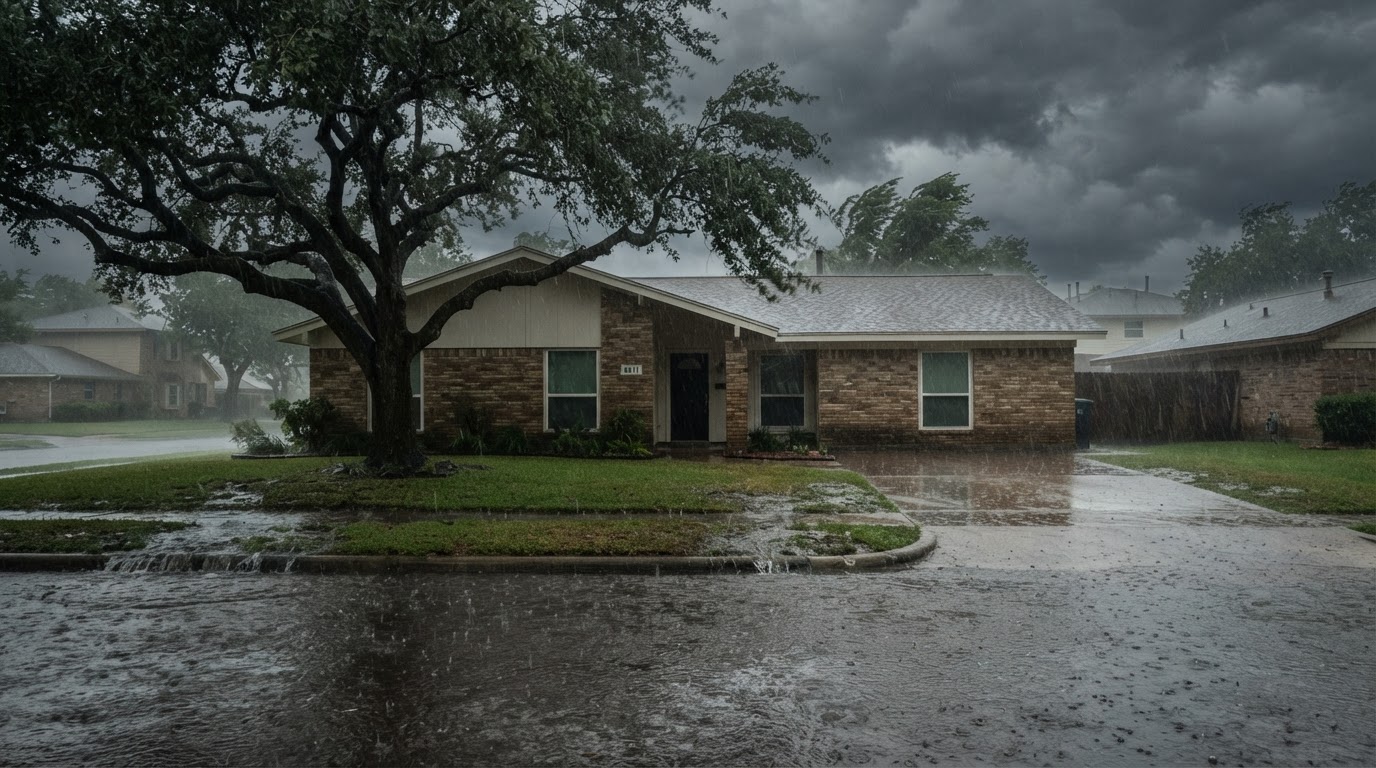
On this page
Texas homeowners face distinct natural hazards depending on location. This article breaks down tornado, flood, and hail risks by region, with practical advice from FEMA, NOAA, and Ready.gov.
Understanding Texas’s Hazard Landscape
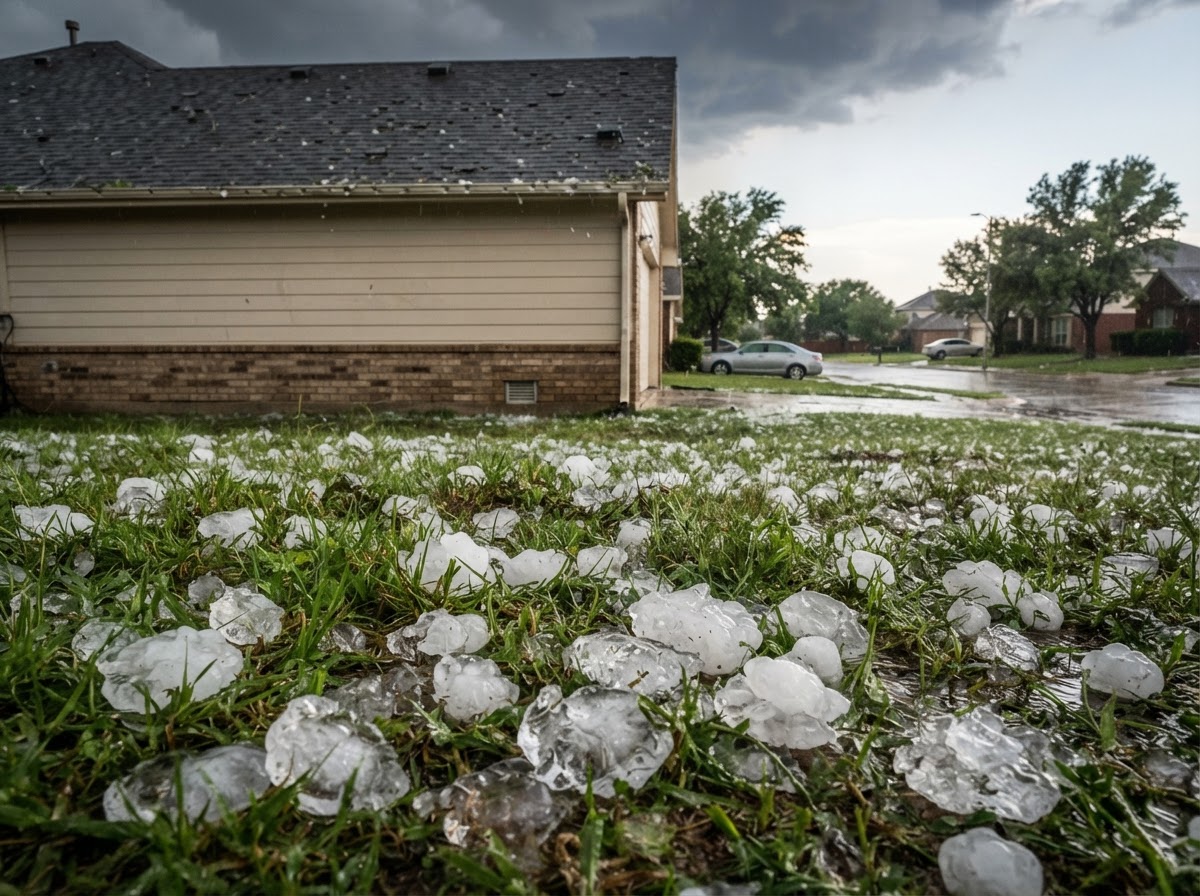
Texas is one of the most disaster-prone states in the U.S., experiencing tornadoes, floods, and hailstorms with varying intensity across its regions. Whether you're moving to Dallas, Houston, Austin, or El Paso, knowing regional risks helps you prepare. This guide uses information from the FEMA National Risk Index, NOAA National Severe Storms Laboratory, and Ready.gov.
Regional Risk Breakdown
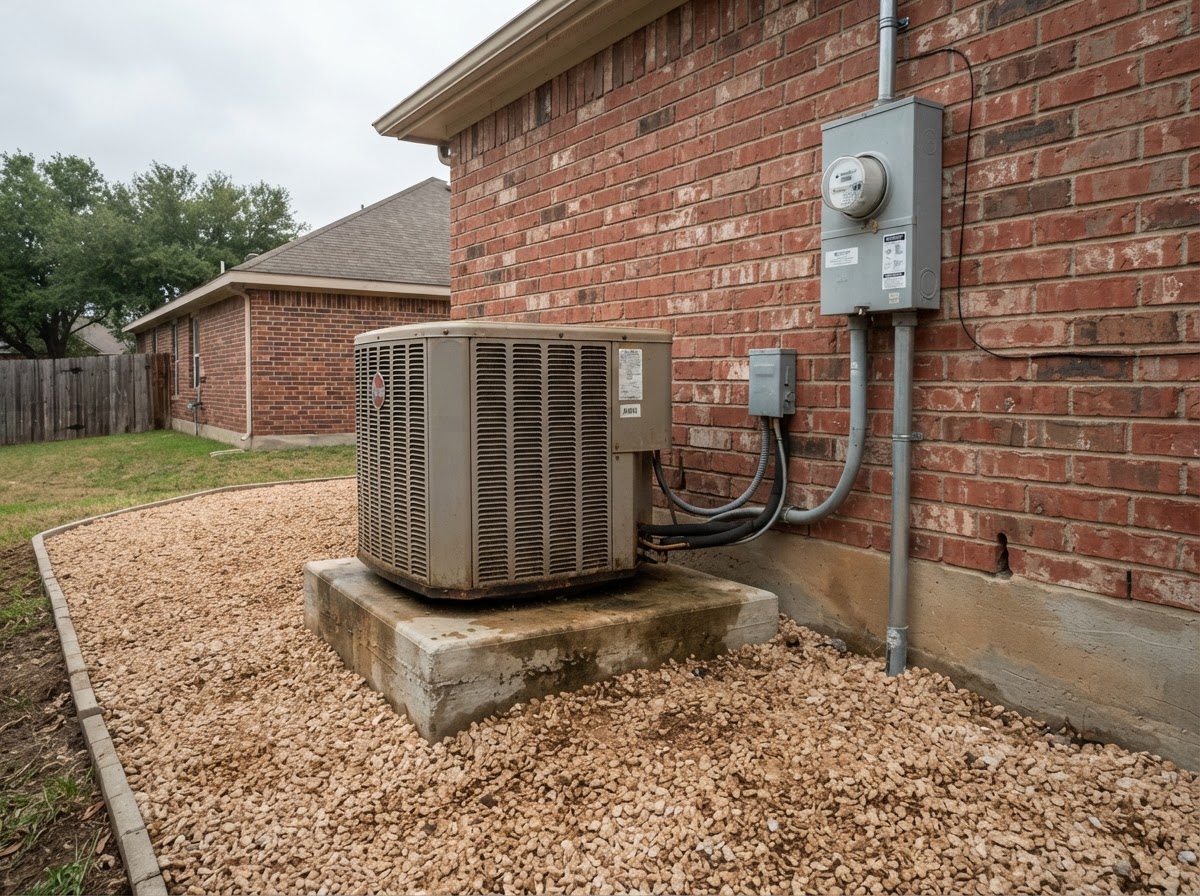
North Texas (Dallas-Fort Worth)
Tornado Risk: Very High. The Dallas-Fort Worth area lies in the heart of Tornado Alley. The NWS Fort Worth office reports an average of 7-9 tornadoes per year in the region. The deadliest outbreak in recent memory was the May 4-5, 2022 outbreak that produced multiple EF-3 tornadoes.
Hail Risk: High. North Texas experiences frequent large hail (2+ inches) during spring storms. In 2023, the Dallas area saw over $1 billion in hail damage (per NOAA).
Flood Risk: Moderate. Flash flooding occurs in urban areas due to poor drainage and clay soils. The Trinity River can overflow after heavy rain.
East Texas (Houston, Beaumont)
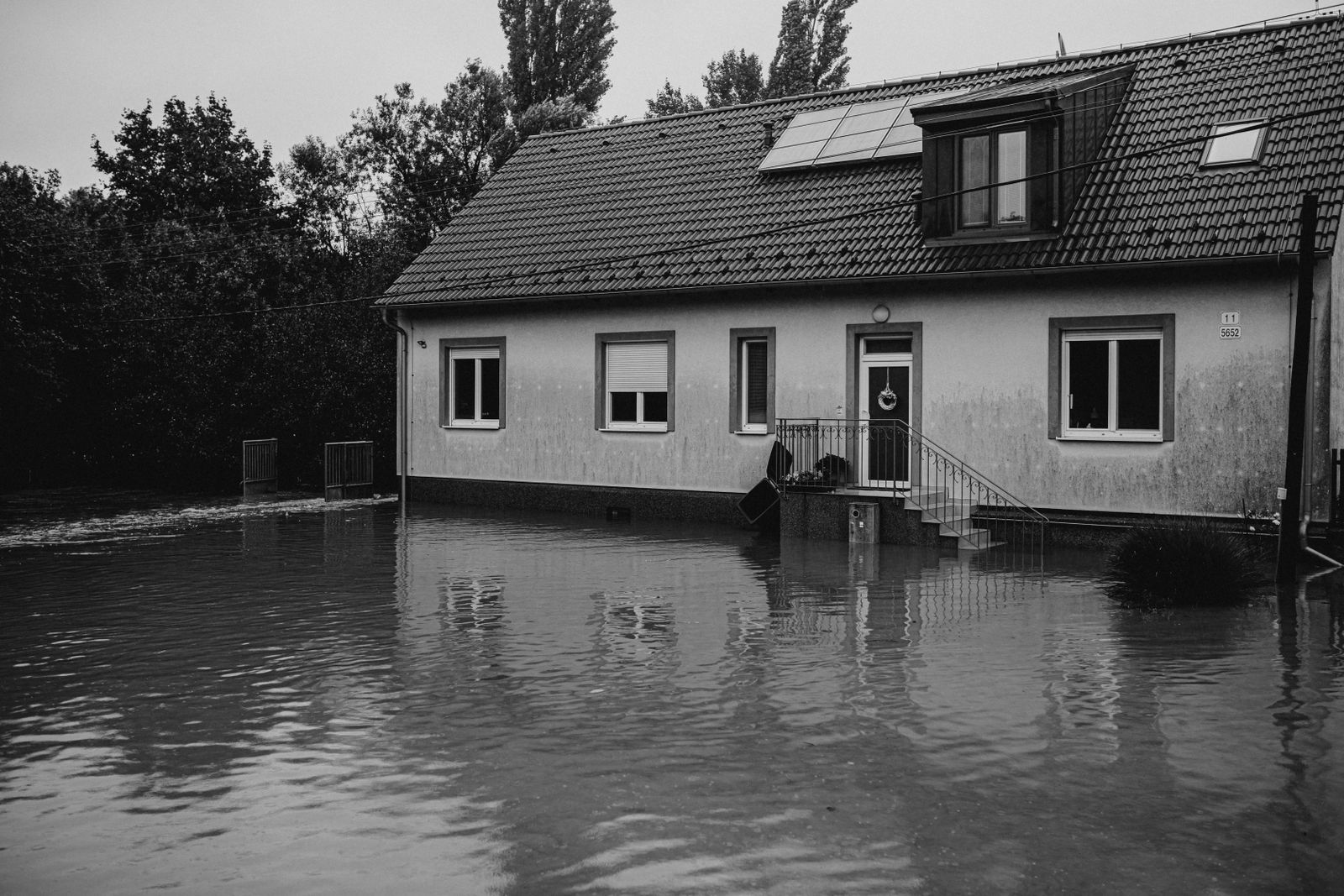
Flood Risk: Extremely High. Houston is known for devastating floods, including Hurricane Harvey (2017) and the Tax Day Flood (2016). FEMA flood maps show large portions of Harris County in Special Flood Hazard Areas (SFHAs). New homeowners should check the FEMA Flood Map Service Center before buying.
Tornado Risk: Moderate. While not as frequent as north Texas, tornadoes do occur, often spawned by tropical systems.
Hail Risk: Low to Moderate. Hail is less common but possible during spring thunderstorms.
Central Texas (Austin, San Antonio)
Hail Risk: Very High. The I-35 corridor is a known “hail alley.” Austin and San Antonio face frequent hailstorms, with severe hail (>1 inch) reported 5-10 times per year. The NWS Austin/San Antonio issues numerous severe thunderstorm warnings annually.
Flood Risk: High. The Hill Country and Balcones Escarpment produce flash floods. The infamous 2021 Memorial Day floods in Austin caught many off guard.
Tornado Risk: Moderate. Tornadoes are less frequent but can be strong (EF-2 or higher).
West Texas (El Paso, Lubbock)
Hail Risk: High. The South Plains (Lubbock area) experiences some of the largest hailstones in the U.S. due to supercell storms.
Tornado Risk: Moderate. Tornadoes occur, but at lower density than north Texas.
Flood Risk: Low. Arid climate means less frequent flooding, but when rain comes, flash floods can be deadly in arroyos and dry washes.
Actionable Preparedness Steps
For Tornadoes
- Sign up for Wireless Emergency Alerts and local NWS alerts.
- Identify a safe room or interior closet on the lowest level. FEMA safe room guidance can help retrofits.
- Consider a storm shelter if building new. Texas offers tax exemptions for qualified shelters.
- Practice your tornado drill with family.
For Floods
- Check flood zone on FEMA’s Flood Map Service Center. Even if not in an SFHA, consider flood insurance – 20% of flood claims come from low-risk areas (FloodSmart.gov).
- Elevate your HVAC, electrical panels, and valuables above base flood elevation.
- Install check valves and sump pumps with backup batteries.
- Know your evacuation routes – especially in coastal areas near Houston.
For Hail
- Invest in impact-resistant roofing (Class 4 rated) to reduce damage. Some insurers offer discounts.
- Install storm shutters or impact windows for skylights and large windows.
- Park vehicles in a garage or covered structure during storms.
- Review your homeowner’s insurance: hail damage is usually covered, but deductibles may be higher based on wind/hail endorsements.
Statewide Resources
- Texas Department of Insurance: Provides consumer guides on insurance claims and dispute resolution.
- Texas Division of Emergency Management (TDEM): Offers preparedness tips and disaster recovery information.
- National Weather Service (NWS) Texas Offices: Find local forecast and alerts here.
- Ready.gov/texas: State-specific tips for natural hazards.
Conclusion: Know Your Region, Prepare Accordingly
Moving to Texas brings exciting opportunities, but natural hazards vary drastically by region. North Texas demands tornado readiness; Houston requires flood mitigation; Central Texas needs hail-resistant features. Take action before a disaster strikes: understand your risk map, review insurance coverage, and invest in structural protections. Use the links above to access official guidance, and stay informed with NWS alerts. Being prepared not only protects your property but can save lives.
About our guidance
Our guides are grounded in publicly available information from official sources such as FEMA, NOAA, USGS and Ready.gov. Information is general in nature — always verify details for your specific property and policy with official sources and your insurer.
Related guides
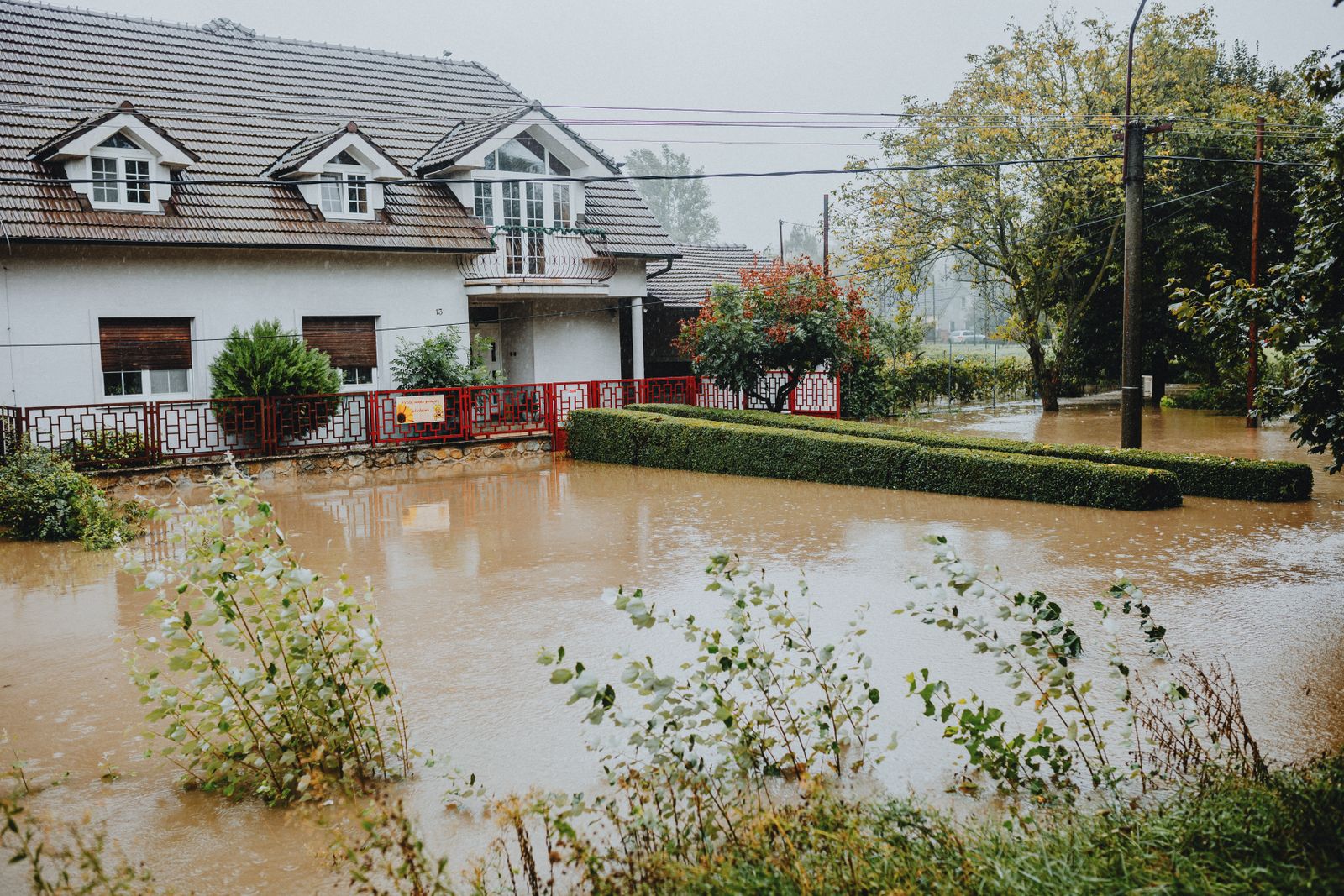 InsuranceLender-Placed Flood Insurance: The Expensive Backup If Your Policy LapsesYour lender can force-place flood insurance if your policy lapses — and bill you for it, usually at a higher price. Here is how…Oct 15, 2026Read guide →
 InsuranceWhat Happens to Your NFIP Policy If Congress Lets the Program LapseCongress extended the NFIP through December 11, 2026. If the program lapses, existing policies stay in force and claims get paid…Oct 15, 2026Read guide →
 InsuranceExcess Flood Insurance: Coverage Above NFIP's $250,000 LimitThe NFIP caps flood coverage at $250,000 for the building and $100,000 for contents. If your home would cost more to rebuild,…Oct 15, 2026Read guide →