
NFIP vs Private Flood Insurance: Which Is Right for Your Home?
5 min read
On this page
Compare the National Flood Insurance Program (NFIP) with private flood insurance to understand coverage, cost, and claims differences. Learn which option best protects your home.
Understanding Your Flood Insurance Options
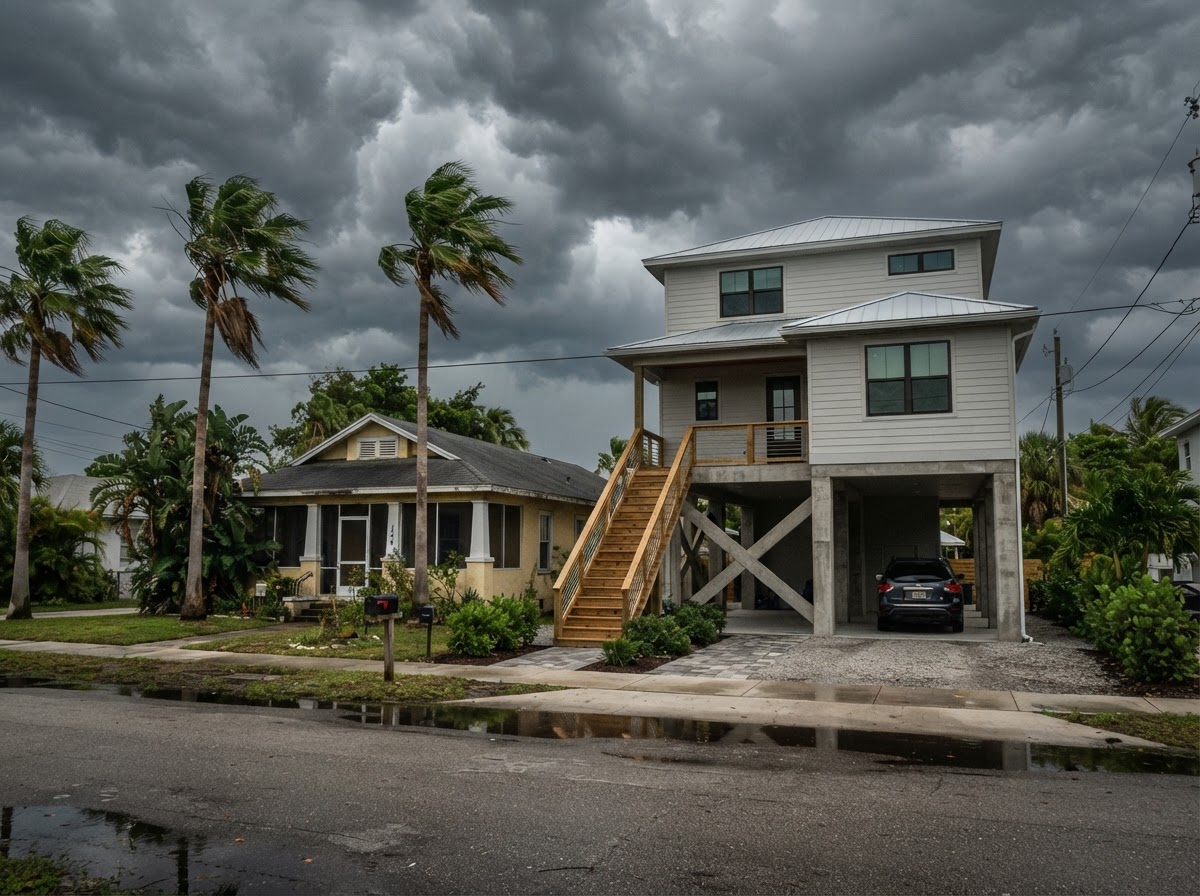
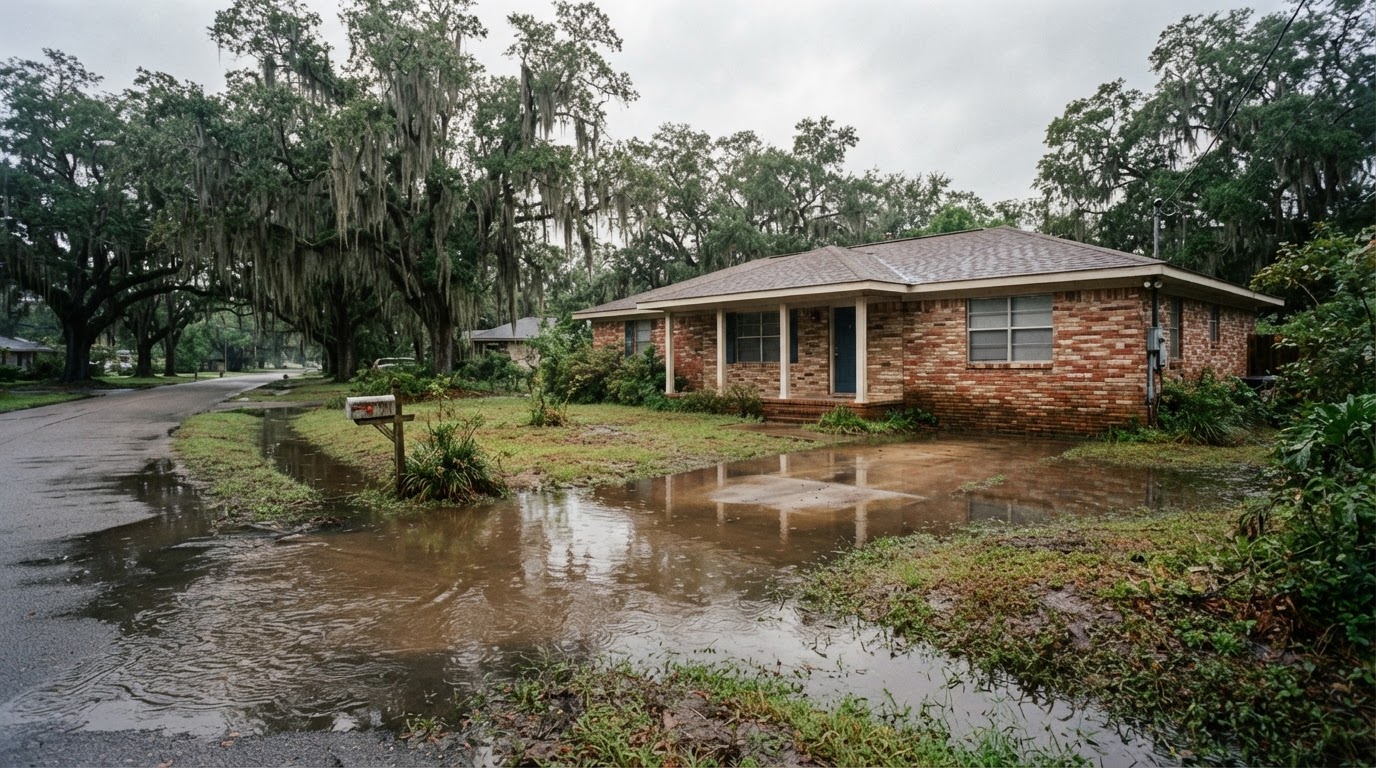
Flooding is the most common and costly natural disaster in the United States. Standard homeowners insurance policies do not cover flood damage, so securing separate flood coverage is essential for homeowners in flood-prone areas. Two primary options exist: the federally backed National Flood Insurance Program (NFIP) and private flood insurance policies. Each has distinct features, benefits, and drawbacks. This article compares NFIP and private flood insurance to help you make an informed decision.
What Is the NFIP?
The National Flood Insurance Program (NFIP) is administered by the Federal Emergency Management Agency (FEMA). It was created in 1968 to provide flood insurance to property owners, renters, and businesses in participating communities that adopt and enforce floodplain management ordinances. The NFIP aims to reduce the impact of flooding by encouraging community floodplain management and providing affordable insurance.
Coverage Limits
NFIP policies have statutory limits: up to $250,000 for building coverage and up to $100,000 for contents coverage for residential properties. Coverage is available for single-family homes, condominiums, and rental properties. For commercial properties, limits are up to $500,000 for the building and $500,000 for contents.
What NFIP Covers
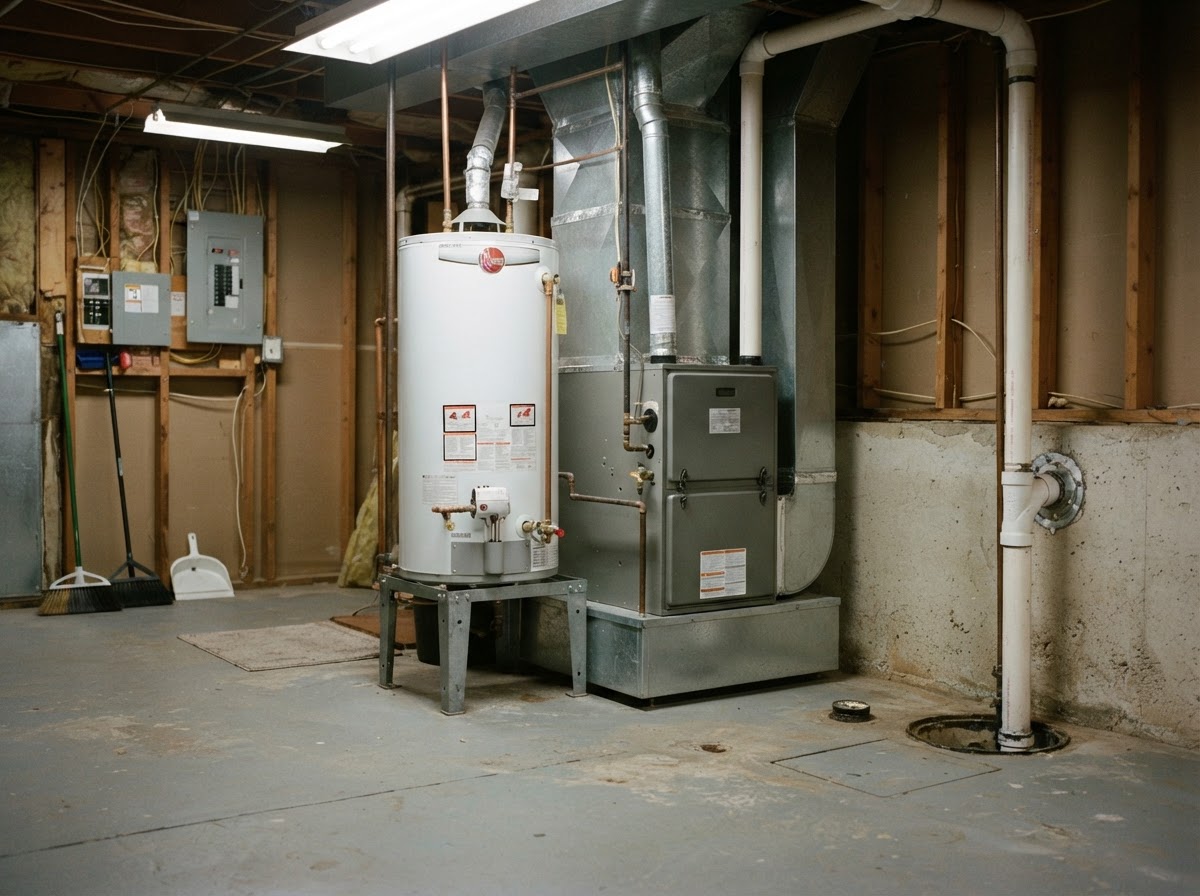
NFIP policies cover direct physical loss caused by a flood, defined as a general and temporary condition of partial or complete inundation of normally dry land from: overflow of inland or tidal waters; unusual and rapid accumulation or runoff of surface waters; mudflow; or collapse of land along a lake or river due to erosion or undermining caused by waves or currents. Covered items include the building structure, electrical and plumbing systems, appliances, carpeting, and certain personal belongings. However, coverage for basements and below-ground spaces is limited. Typically, items like finished walls, floors, and personal property in basements are not covered. For more details, see FEMA’s NFIP page.
What NFIP Does Not Cover
NFIP policies have notable exclusions: damage caused by sewer backups (unless directly caused by flooding), mold and mildew that could have been prevented, additional living expenses, and property outside the insured building (e.g., landscaping, decks). Also, there is a 30-day waiting period before coverage takes effect (unless the policy is purchased in connection with a mortgage closing).
What Is Private Flood Insurance?
Private flood insurance is offered by private insurance companies and is not backed by the federal government. These policies can provide higher coverage limits, broader coverage, and more flexible terms than the NFIP. Many private insurers offer policies that meet or exceed NFIP requirements. Since the Biggert-Waters Flood Insurance Reform Act of 2012, the private market has grown significantly.
Coverage Limits
Private insurers can offer coverage far exceeding NFIP limits. Some companies provide building coverage up to $1 million or more, and contents coverage up to $500,000 or more, making them suitable for high-value homes. There are no statutory caps, so you can tailor coverage to your property’s replacement cost.
What Private Flood Insurance Covers
Private policies often include coverage for additional living expenses (ALE), which are not covered by the NFIP. They may also cover basement repairs and improvements, sewer backup coverage (even if not flood-related), replacement cost for contents, and loss of use. Some policies offer dollar-deductible options and lower deductibles than the NFIP. Coverage definitions of “flood” vary but typically mirror or extend beyond the NFIP’s definition. Always read the policy details.
Potential Benefits of Private Flood Insurance
- Higher coverage limits – Suitable for properties valued above NFIP limits.
- Additional living expenses – Pays for temporary housing if your home is uninhabitable.
- Broader coverage – May include basements, sewer backups, and external structures.
- Faster claims process – Private insurers may have streamlined claims handling.
- Competitive pricing – In low- to moderate-risk zones, private rates can be lower than NFIP.
Potential Drawbacks of Private Flood Insurance
- Less regulation – Not backed by the federal government, so financial stability of the insurer matters.
- Underwriting variability – Insurers can decline coverage for high-risk properties or charge high premiums.
- Policy complexity – Terms and exclusions vary widely among carriers.
- Possible gaps – Some private policies may not meet federal mortgage requirements; verify with your lender.
Comparison: NFIP vs Private Flood Insurance
| Feature | NFIP | Private |
|---|---|---|
| Maximum building coverage | $250,000 (residential) | Often up to $1M+ |
| Contents coverage | $100,000 (residential) | Variable, up to $500K+ |
| Additional living expenses | No | Often included |
| Replacement cost on contents | Only if eligible | Often available |
| Waiting period | 30 days (except for mortgage closing) | Usually 14–30 days |
| Availability | All participating communities | Varies by location and risk |
| Premium setting | FEMA risk rating 2.0 (individualized) | Market-based |
| Renewal stability | Guaranteed if community stays in program | May change year-to-year |
Which Is Right for You?
Your choice depends on your property’s flood risk, value, and personal preferences. Homeowners in high-risk flood zones (Special Flood Hazard Areas) with federally backed mortgages are generally required to carry flood insurance. The NFIP is widely accepted and meets this requirement. However, if your home is worth more than $250,000, you might consider a private policy for higher limits or an excess policy on top of NFIP. Check with your mortgage lender to ensure any private policy satisfies their requirements.
If you are in a low- or moderate-risk zone, private insurance might be cheaper and offer better coverage. Always compare quotes from multiple private insurers and the NFIP. Use the FloodSmart.gov website to get an NFIP quote, and consult a licensed insurance agent for private options.
Actionable Conclusion
Flood insurance is essential for protecting your home, and you have two viable options. The NFIP provides a stable, federally backed safety net with standardized coverage, while private insurance offers flexibility, higher limits, and extra benefits like additional living expenses. Evaluate your home’s value, risk level, and budget. Consider speaking with an insurance agent who specializes in flood insurance. Remember that flood risk exists even outside high-risk zones—nearly 25% of flood claims come from low- to moderate-risk areas according to FEMA. Don’t wait until the next storm; get covered today.
About our guidance
Our guides are grounded in publicly available information from official sources such as FEMA, NOAA, USGS and Ready.gov. Information is general in nature — always verify details for your specific property and policy with official sources and your insurer.
Related guides
 InsuranceLender-Placed Flood Insurance: The Expensive Backup If Your Policy LapsesYour lender can force-place flood insurance if your policy lapses — and bill you for it, usually at a higher price. Here is how…Oct 15, 2026Read guide →
 InsuranceWhat Happens to Your NFIP Policy If Congress Lets the Program LapseCongress extended the NFIP through December 11, 2026. If the program lapses, existing policies stay in force and claims get paid…Oct 15, 2026Read guide →
 InsuranceExcess Flood Insurance: Coverage Above NFIP's $250,000 LimitThe NFIP caps flood coverage at $250,000 for the building and $100,000 for contents. If your home would cost more to rebuild,…Oct 15, 2026Read guide →