
NOAA Weather Radio: Your Essential Home Safety Device
5 min read
On this page
Learn why every US home needs a NOAA Weather Radio, how it works, and how to choose and program one to receive life-saving alerts from the National Weather Service.
Why Every Home Needs a NOAA Weather Radio
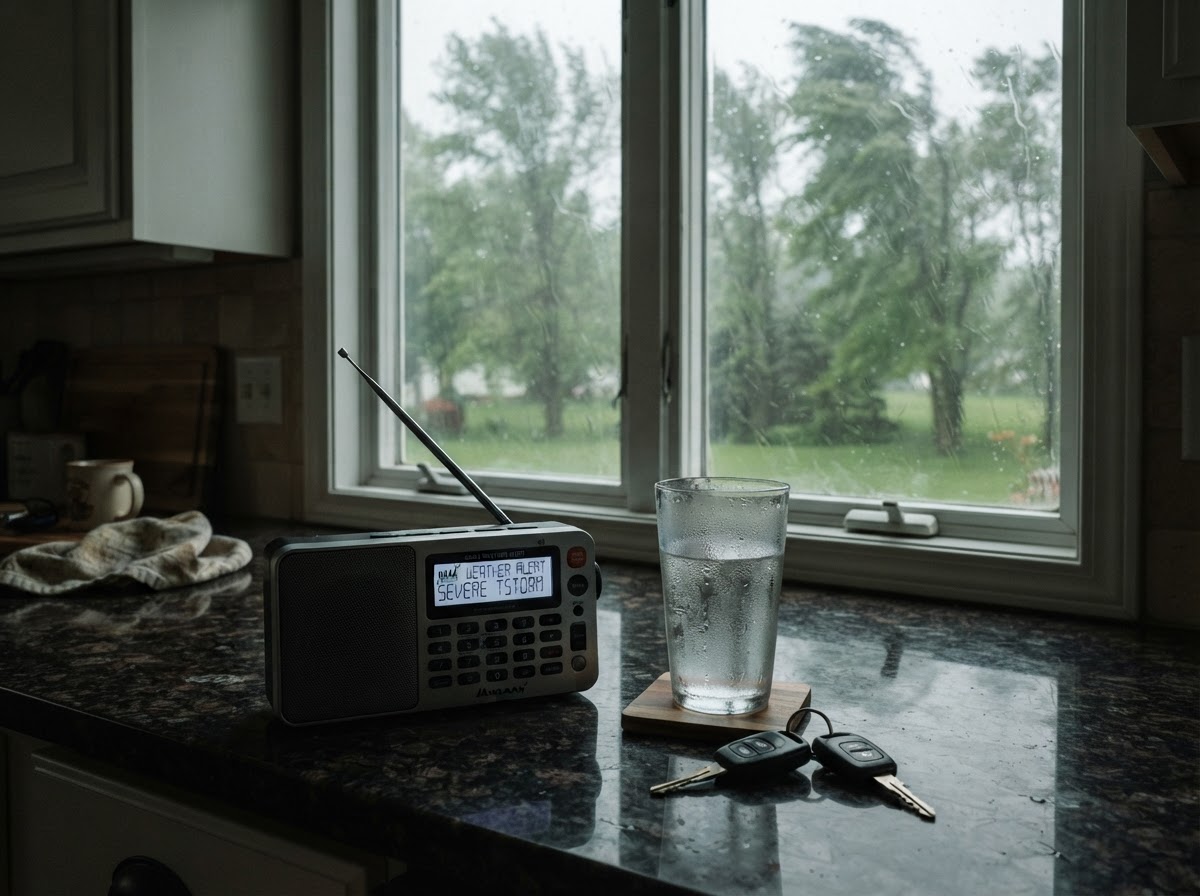
When severe weather strikes, seconds can save lives. NOAA Weather Radio (NWR) is a nationwide network of radio stations broadcasting continuous weather information directly from the National Weather Service (NWS). Unlike smartphone alerts that may fail during network outages or battery drain, a dedicated weather radio provides 24/7 access to warnings, watches, and forecasts—even when the power goes out. The Federal Emergency Management Agency (FEMA) and the National Oceanic and Atmospheric Administration (NOAA) strongly recommend every household have a NOAA Weather Radio as part of its emergency preparedness kit.
According to NOAA's NWR page, these radios receive broadcasts from over 1,000 NWS transmitters covering 98% of the U.S. population. They automatically sound an alarm when a watch or warning is issued for your area, providing critical time to seek shelter.
How NOAA Weather Radios Work
Direct Broadcasts from the National Weather Service
NOAA Weather Radios are special receivers tuned to seven specific VHF frequencies (162.400–162.550 MHz) that are exclusively used by the NWS. They pick up broadcasts 24/7, including detailed forecasts, current conditions, and severe weather alerts. The radios use a system called Specific Area Message Encoding (SAME) to allow you to program the radio to only receive alerts for your county or counties of interest, reducing false alarms from distant storms.
Automatic Alert Feature
One of the most important features is the ability to issue an audible alert—a 1050 Hz tone that triggers the radio to turn on from standby and broadcast the warning. This ensures that even if you are asleep or not watching the radio, you will be notified. The NWR FAQ explains that the alerts are the same as those used by the Emergency Alert System (EAS) on TV and radio.
What Alerts Can You Receive?
NOAA Weather Radios broadcast all NWS warnings, watches, and advisories for your area, including:
- Tornado Warnings
- Severe Thunderstorm Warnings
- Flash Flood Warnings
- Hurricane Warnings
- Winter Storm Warnings
- Tsunami Warnings
- AMBER Alerts
- 911 Telephone Outage Alerts
- Other civil emergency messages
Top Benefits Over Smartphone Alerts
While Wireless Emergency Alerts (WEA) on cell phones are useful, they have limitations that a NOAA Weather Radio overcomes:
- Battery Independence: Many weather radios have battery backup, so they work when the power is out and cell towers are overloaded.
- No Signal Dependence: Cell service may be disrupted by storms; NWR broadcasts are on dedicated frequencies unaffected by network congestion.
- SAME Technology Filtering: You can set the radio to only sound for your specific counties, preventing “alert fatigue” from warnings far away.
- Continuous Information: You can listen to detailed updates, not just short alert messages.
- Automatic Activation: The radio will turn on and alert you even if it’s on standby—a feature not available on phones unless they are powered on and not silenced.
Choosing the Right NOAA Weather Radio
Features to Look For
When shopping for a weather radio, consider these key features recommended by Ready.gov:
- SAME Technology: Allows you to program specific counties.
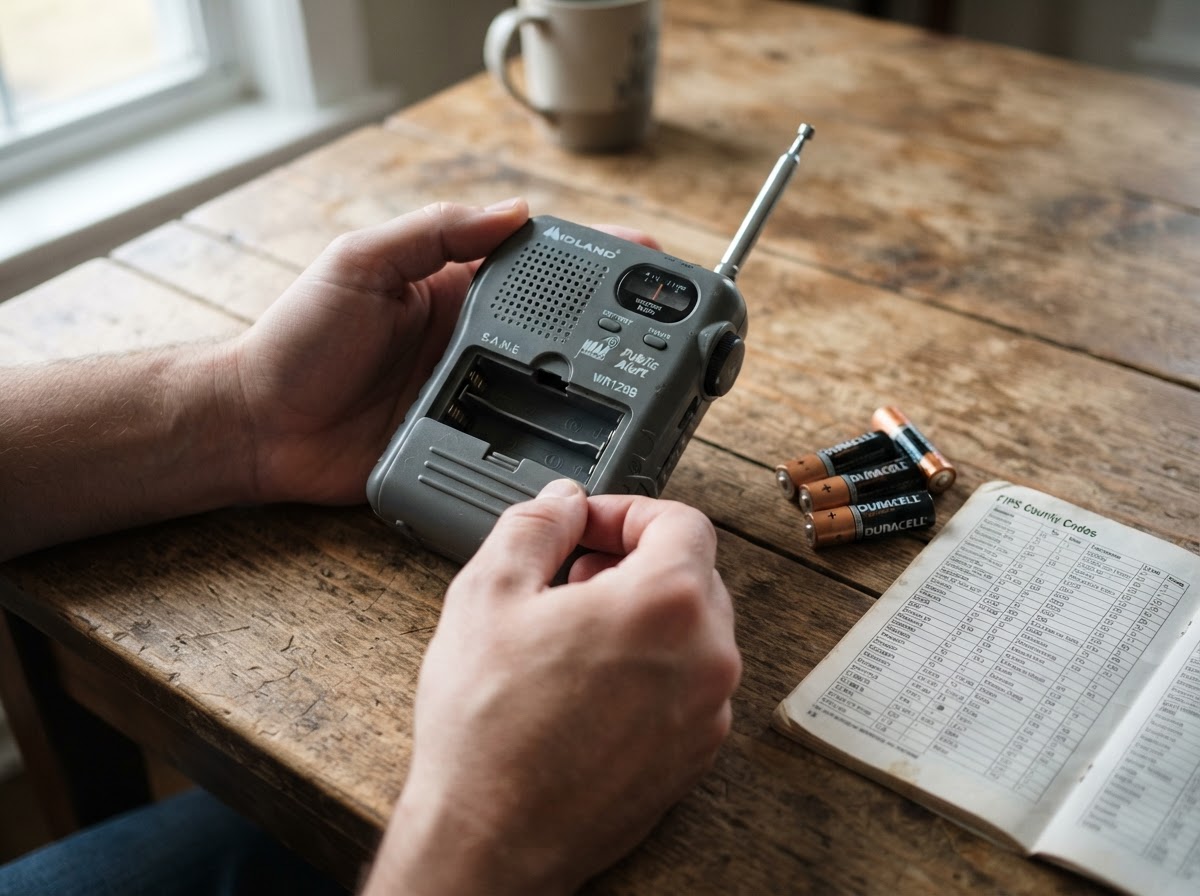
- Battery Backup: Radios with rechargeable batteries or AA/AAA ports ensure operation during power outages.
- Multiple Power Sources: Look for models that can run on AC, batteries, and hand crank or solar.
- Alert Tone and Visual Indicators: Bright lights or vibrate modes help alert the hearing impaired.
- Portability: A compact size makes it easy to take to a shelter.
- Weather Band Reception: Ensure it receives all seven NWR frequencies.
Recommended Brands and Models
Popular and reliable brands include Midland, Oregon Scientific, Reecom, and Sangean. Look for those that have been certified by NOAA or have good reviews for reliability. Prices range from $20 to $100. Midland’s “WR120BZ” is a top-selling model with SAME technology and battery backup.
How to Set Up and Program Your Radio
1. Find Your Local NWR Station
Visit NOAA’s station listing to find the frequencies and SAME codes for your county. You can also use the interactive map at weather.gov/nwr.
2. Program SAME Codes
Most radios allow you to enter up to 25 county codes. Input the codes for your home county and any adjacent counties you want alerts for. This prevents false alarms from distant warnings. The SAME code list provides numeric codes for each county.
3. Set the Alert Mode
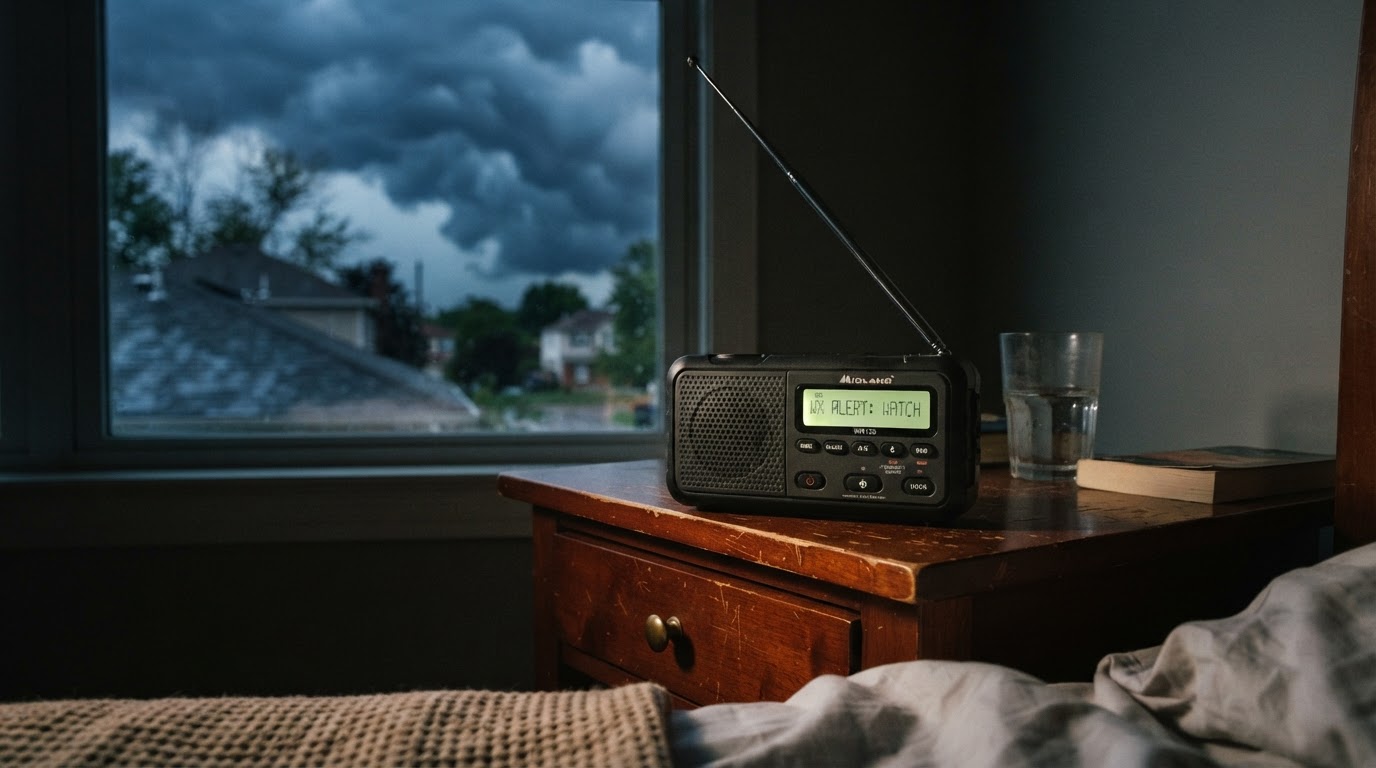
Choose between “Voice” (constant monitoring) and “Alert” (standby until an alert). For overnight use, set to “Alert” so the radio stays silent until needed.
4. Test Your Radio
NWS conducts weekly tests of the NWR system, usually on Wednesdays between 11 AM and noon. Listen for the test to confirm your radio is receiving broadcasts.
Placement and Maintenance Tips
- On Every Level: Keep one radio in a bedroom and one on the main floor. If you have a basement safe room, keep a radio there.
- Check Batteries: Replace batteries every six months when Daylight Saving Time changes.
- Keep in a Central Location: Ensure the radio’s reception is good by placing it away from large metal objects.
- Use an External Antenna: If reception is weak, an external antenna can improve signal strength.
Conclusion: A Small Investment With Life-Saving Potential
A NOAA Weather Radio is one of the most cost-effective and reliable tools for staying safe during natural disasters. It provides a direct line to the National Weather Service, works when other systems fail, and ensures you never miss a critical warning. Add a weather radio to your emergency kit today—it might be the most important purchase you make for your family’s safety.
For more information, visit the NOAA Weather Radio All Hazards page or FEMA’s Ready.gov for additional preparedness tips.
About our guidance
Our guides are grounded in publicly available information from official sources such as FEMA, NOAA, USGS and Ready.gov. Information is general in nature — always verify details for your specific property and policy with official sources and your insurer.
Related guides
 InsuranceLender-Placed Flood Insurance: The Expensive Backup If Your Policy LapsesYour lender can force-place flood insurance if your policy lapses — and bill you for it, usually at a higher price. Here is how…Oct 15, 2026Read guide →
 InsuranceWhat Happens to Your NFIP Policy If Congress Lets the Program LapseCongress extended the NFIP through December 11, 2026. If the program lapses, existing policies stay in force and claims get paid…Oct 15, 2026Read guide →
 InsuranceExcess Flood Insurance: Coverage Above NFIP's $250,000 LimitThe NFIP caps flood coverage at $250,000 for the building and $100,000 for contents. If your home would cost more to rebuild,…Oct 15, 2026Read guide →