
Prevent Frozen and Burst Pipes This Winter
4 min read
On this page
Frozen pipes can burst and cause costly water damage. Learn practical steps from FEMA and Ready.gov to protect your home before, during, and after a winter storm.
Why Frozen Pipes Are a Winter Hazard
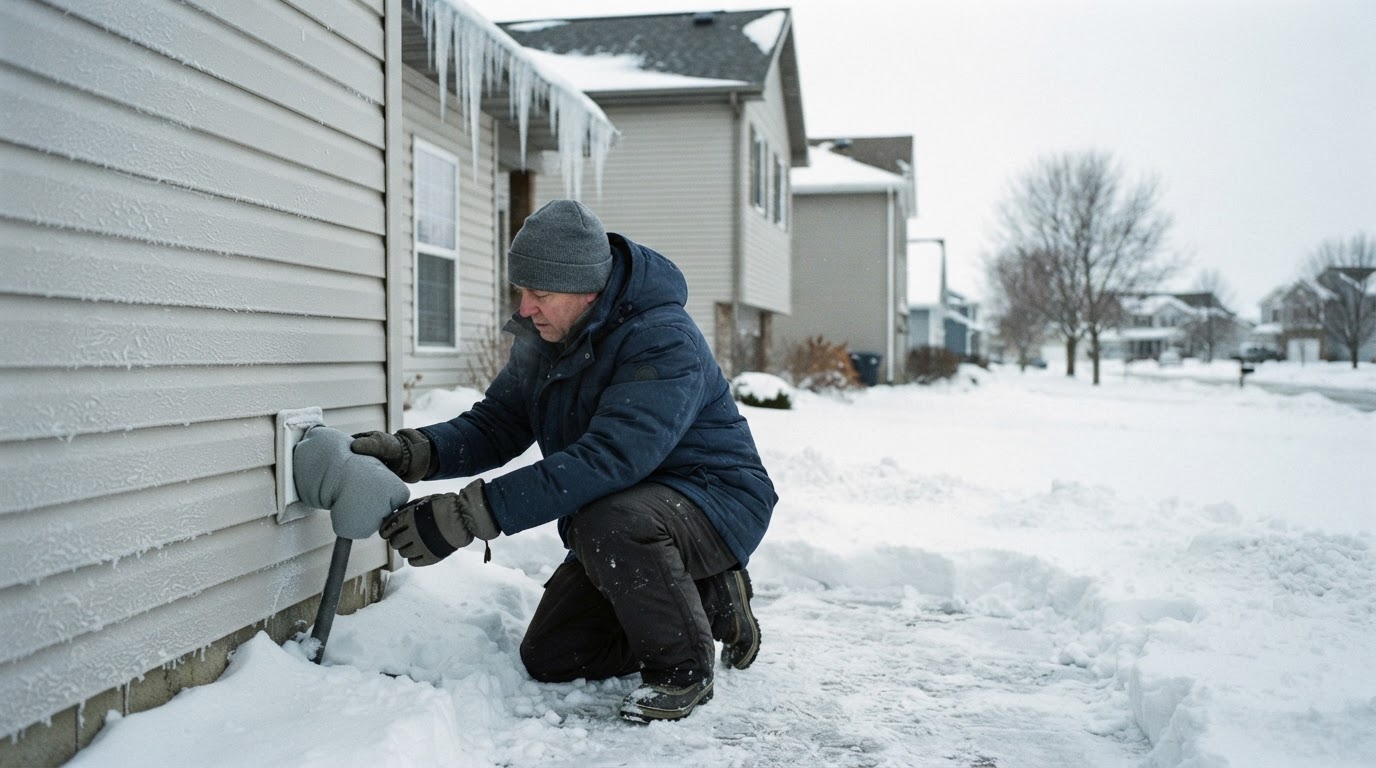
When temperatures drop below freezing, water inside your home's pipes can freeze. As water freezes, it expands, increasing pressure inside the pipe—often causing it to burst. A burst pipe can release hundreds of gallons of water per hour, leading to severe structural damage, mold, and costly repairs. According to FEMA, frozen pipes are a leading cause of property damage during winter storms. Fortunately, most incidents are preventable with the right preparation.
Before the Cold Hits: Insulate and Protect
Identify Vulnerable Pipes
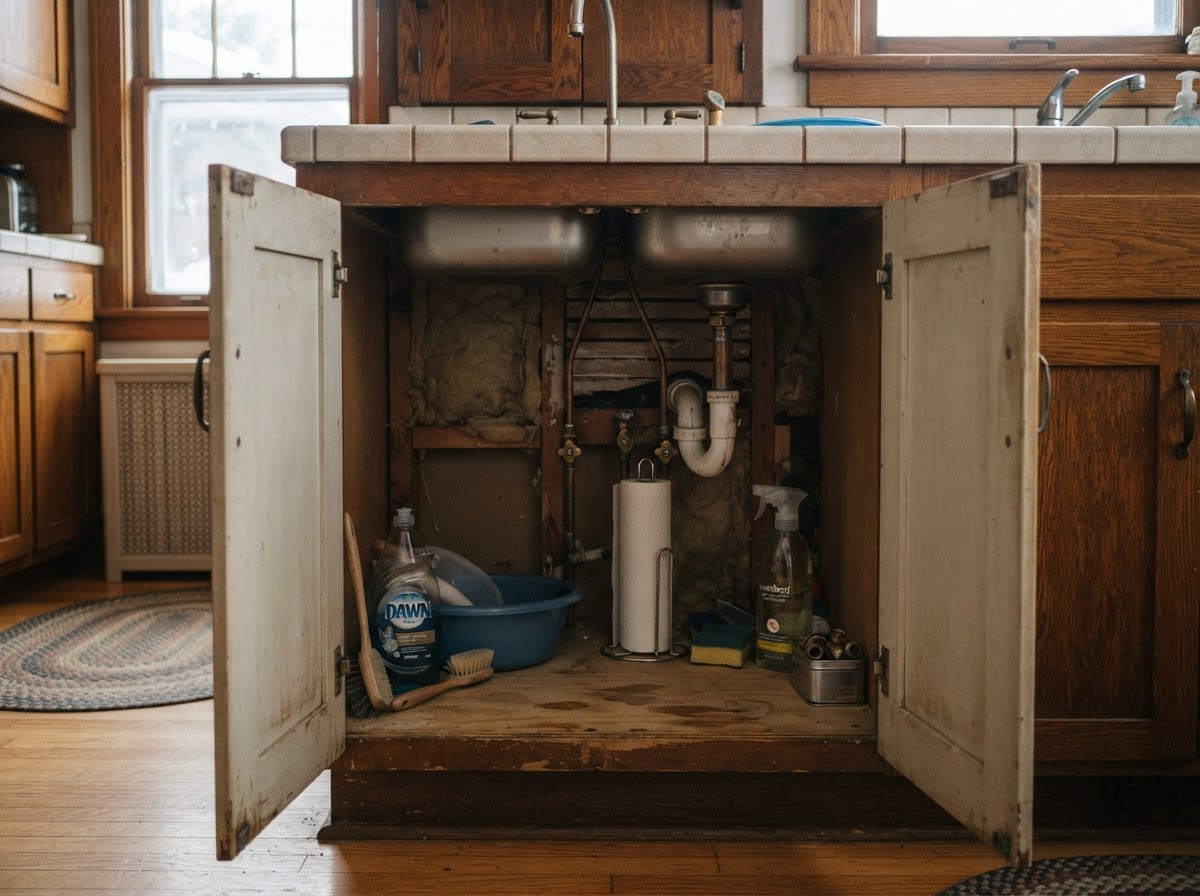
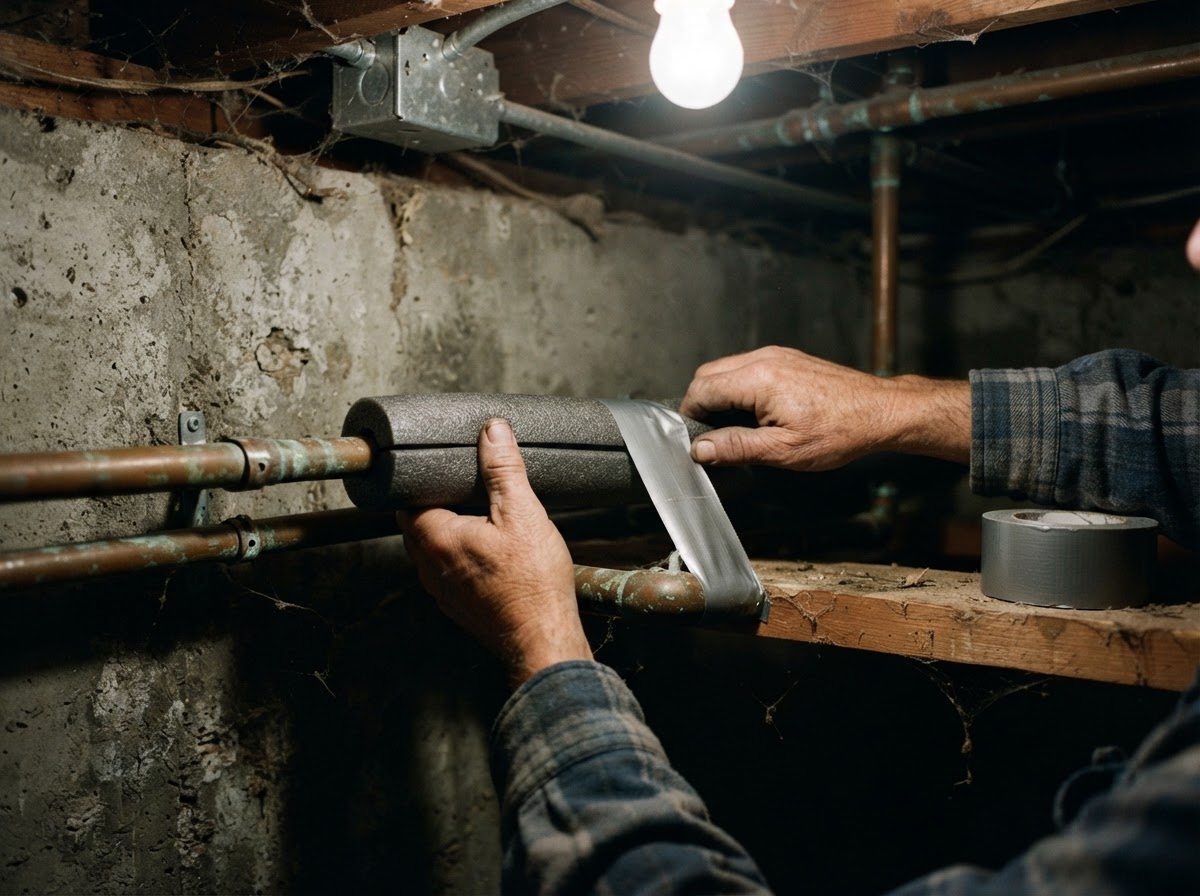
Start by locating pipes most at risk: those in unheated areas like basements, attics, crawl spaces, garages, and along exterior walls. Also check pipes in cabinets under sinks, especially those on outer walls. The Federal Emergency Management Agency (FEMA) recommends applying insulation to all pipes in unheated spaces.
Insulate Pipes Properly
- Use pipe sleeves, foam tubing, or heat tape (UL-listed) to wrap exposed pipes.
- Seal gaps around pipes where they enter the house with caulk or spray foam to block cold air.
- Install foam gaskets behind outlet covers on exterior walls to reduce drafts.
Prepare Indoor Pipes
- Remove garden hoses and shut off outside faucets via interior shut-off valves (if available). Drain the outdoor line.
- Open cabinet doors under sinks to allow warm household air to circulate around pipes—especially if the sink is on an exterior wall. Move any harmful cleaners out of reach of children first.
- Keep garage doors closed if water supply lines are located there.
During a Freeze: Maintain Warmth and Flow
Keep the Heat On
Set your thermostat to at least 55°F (12°C) day and night, even if you leave the house. Do not shut off the heat entirely. The U.S. Department of Energy and Ready.gov both stress that a consistent temperature helps prevent freezing.
Let the Water Drip
When temperatures are extremely low (below 20°F or -6°C), let a thin trickle of cold water run from faucets connected to exposed pipes. This relieves pressure and reduces the chance of freezing. According to the American Red Cross, running water (even a slow drip) is less likely to freeze.
Add Extra Insulation During Storms
During prolonged cold snaps, you can temporarily apply towels, blankets, or even newspapers to vulnerable pipes. However, these are less effective than proper pipe insulation, so use them only as a short-term measure.
If a Pipe Freezes: Act Quickly and Safely
- Identify frozen pipes: Check for reduced water flow or frost on exposed pipes. If only a trickle comes out when you turn on the faucet, that pipe may be frozen.
- Keep the faucet open: As ice melts, running water will help melt more ice.
- Apply gentle heat: Use a hair dryer (start from faucet end), a heat lamp, or a portable space heater—but never use an open flame (blowtorch, propane heater, charcoal grill) because it can damage pipes or start a fire. FEMA warns against using open flames.
- Check for leaks: After thawing, turn off the water at the main shut-off valve and inspect the pipe for cracks or ruptures. If you find one, call a plumber immediately.
- If you cannot locate or thaw the pipe: Call a licensed plumber. In some areas, you may also contact your local emergency management office for guidance.
Important: If the pipe has already burst, shut off the main water valve immediately and call a plumber. Document damage for insurance purposes.
Long-Term Prevention and Emergency Planning
Upgrade Your Home's Plumbing and Insulation
- Consider relocating vulnerable pipes to interior walls or insulating your entire attic and crawl space.
- Install freeze-proof outdoor faucets (Frost-free sillcocks).
- Add pipe heating cables (with automatic thermostats) for pipes in high-risk areas.
Prepare Your Home for Winter Storms
Ready.gov recommends having an emergency kit that includes a wrench or pliers to shut off the main water supply. Also:
- Know where your main water shut-off valve is located and how to operate it.
- Learn how to drain your home's plumbing system (for extended absences during extreme cold).
- Consider installing a leak detection system that alerts you to water flow changes.
Insurance and Recovery
Review your homeowner's insurance policy: Most standard policies cover water damage from burst pipes (excluding flood or neglect). However, some may limit coverage if the house was not adequately heated. FEMA's National Flood Insurance Program does not cover burst pipe damage. Keep your policy up to date and consider adding water backup coverage if available.
Take Action to Protect Your Home
Preventing frozen pipes is a simple, low-cost way to avoid a winter disaster. By insulating now, maintaining heat, and knowing what to do in a freeze, you can save thousands in repairs and keep your family safe. For more detailed information, visit Ready.gov/winter-weather and FEMA's Avoiding Frozen Pipes fact sheet.
Stay warm, stay prepared, and protect your home this winter.
About our guidance
Our guides are grounded in publicly available information from official sources such as FEMA, NOAA, USGS and Ready.gov. Information is general in nature — always verify details for your specific property and policy with official sources and your insurer.
Keep exploring
Related guides
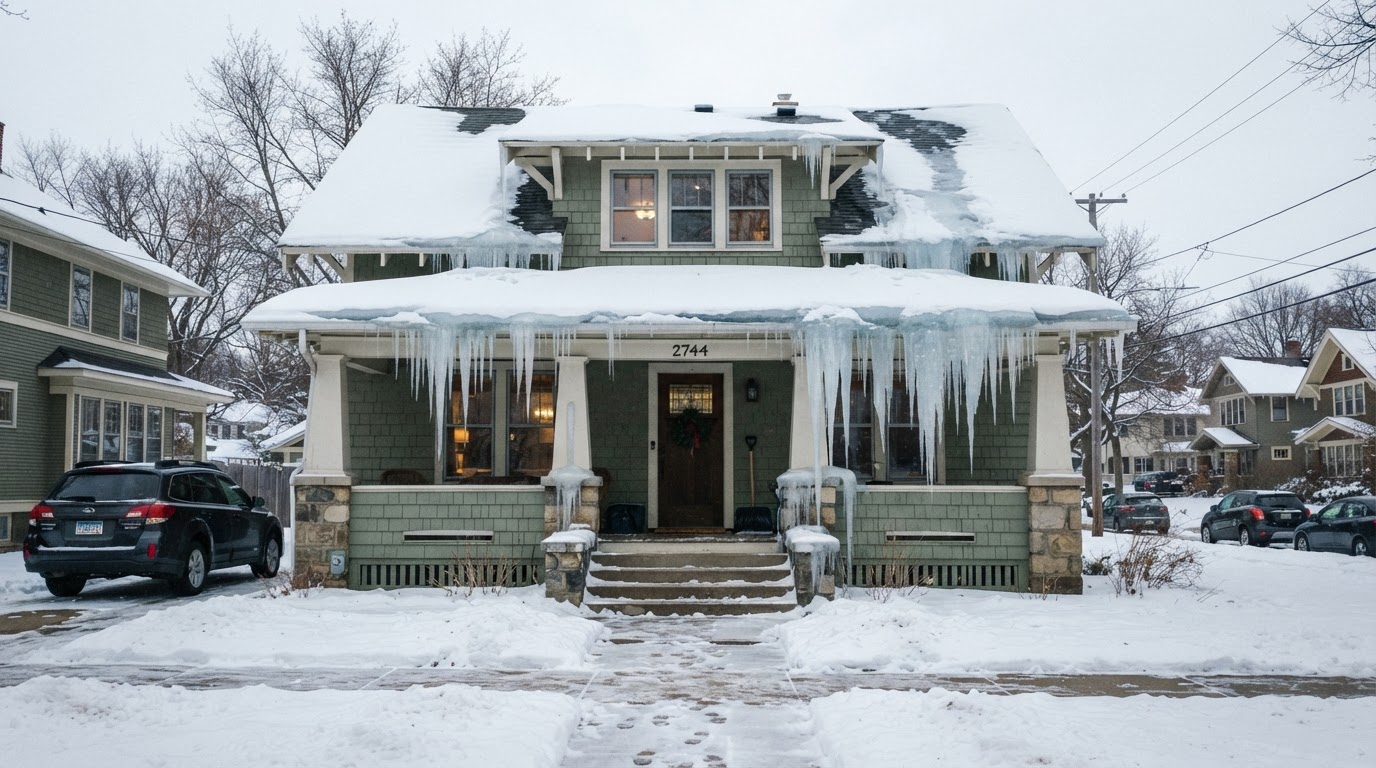 Stop Ice Dams: Essential Prevention Tips for Your RoofIce dams can cause costly damage to your home. Learn how to prevent them with proper insulation, ventilation, and smart home…Jun 21, 2026Read guide →
 Safe Backup Heating for Winter Power Outages: Expert TipsLearn how to stay warm safely during a winter power outage with backup heating options recommended by FEMA, Ready.gov, and the…Jun 21, 2026Read guide →
 InsuranceLender-Placed Flood Insurance: The Expensive Backup If Your Policy LapsesYour lender can force-place flood insurance if your policy lapses — and bill you for it, usually at a higher price. Here is how…Oct 15, 2026Read guide →