
Red Flag Warnings: Homeowner's Guide to Fire Weather Preparedness
4 min read

On this page
- What Is a Red Flag Warning?
- Understand Fire Weather Watches & Red Flag Warnings
- Create Defensible Space Around Your Home
- Harden Your Home Against Embers
- Prepare an Emergency Kit and Go-Bag
- Know Your Evacuation Routes
- When a Red Flag Warning Is Issued: Immediate Actions
- Stay Informed with Reliable Sources
- Conclusion
Learn what Red Flag Warnings mean for your home and how to prepare—from creating defensible space to assembling an emergency kit—using guidance from NOAA, FEMA, and Ready.gov.
What Is a Red Flag Warning?
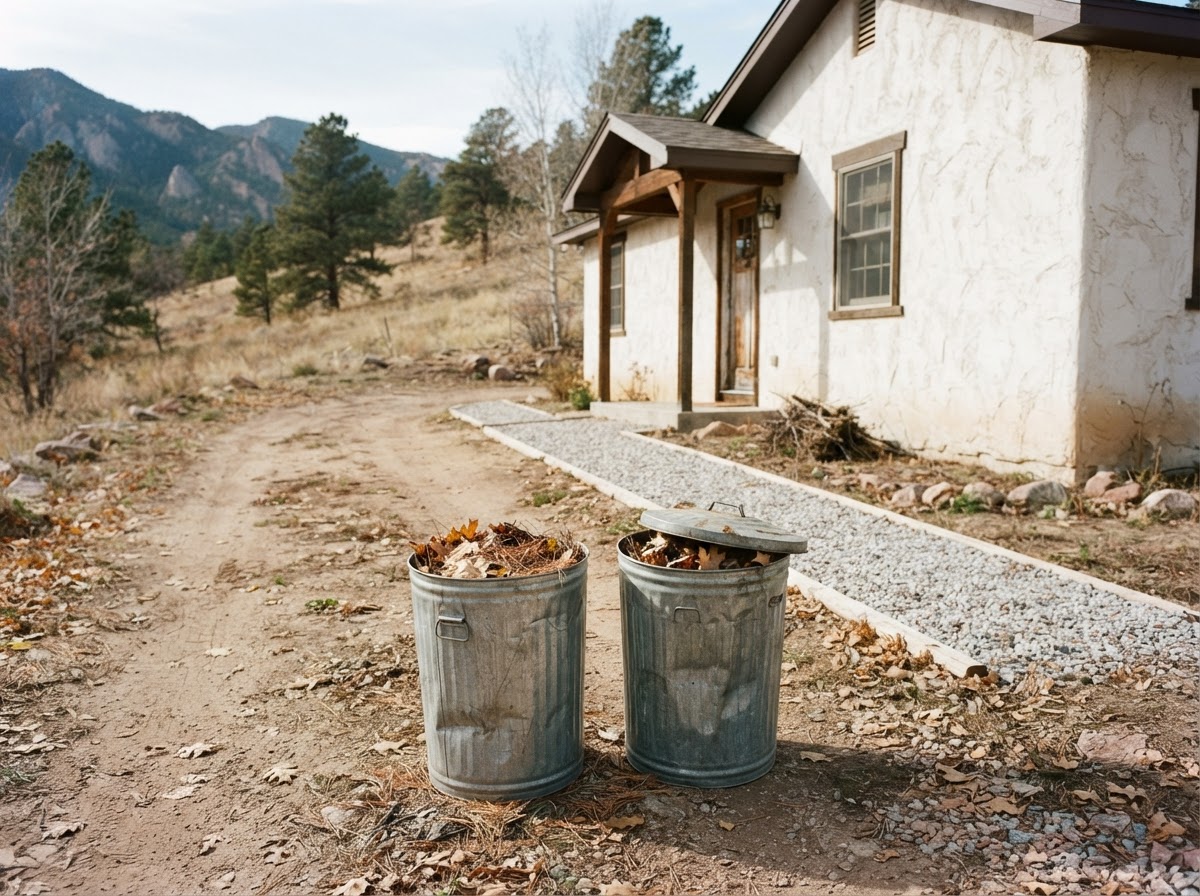
A Red Flag Warning is issued by the National Weather Service (NWS) when weather conditions are ripe for wildfires: low humidity, strong winds, and dry fuels like grass and timber. It means a fire that starts can spread rapidly and be difficult to control. For homeowners, especially those in the wildland-urban interface (WUI), this warning should trigger action.
According to NOAA's NWS, a Red Flag Warning is one of the highest alerts for fire weather. Check your local NWS office for current warnings via weather.gov.
Understand Fire Weather Watches & Red Flag Warnings
There are two key alerts:
- Fire Weather Watch: Issued 12-72 hours ahead when conditions could become dangerous. Begin preparing.
- Red Flag Warning: Issued when dangerous fire weather is imminent or occurring. Take immediate action.
Respecting these warnings can save your home and life. The Ready.gov Wildfire page advises preparing before a warning is even issued.
Create Defensible Space Around Your Home
FEMA and the US Forest Service recommend creating a defensible space of at least 30 feet from your home. This slows fire and gives firefighters a safer area to work.
In the First 5 Feet
- Use non-flammable landscaping (gravel, pavers) instead of wood mulch.
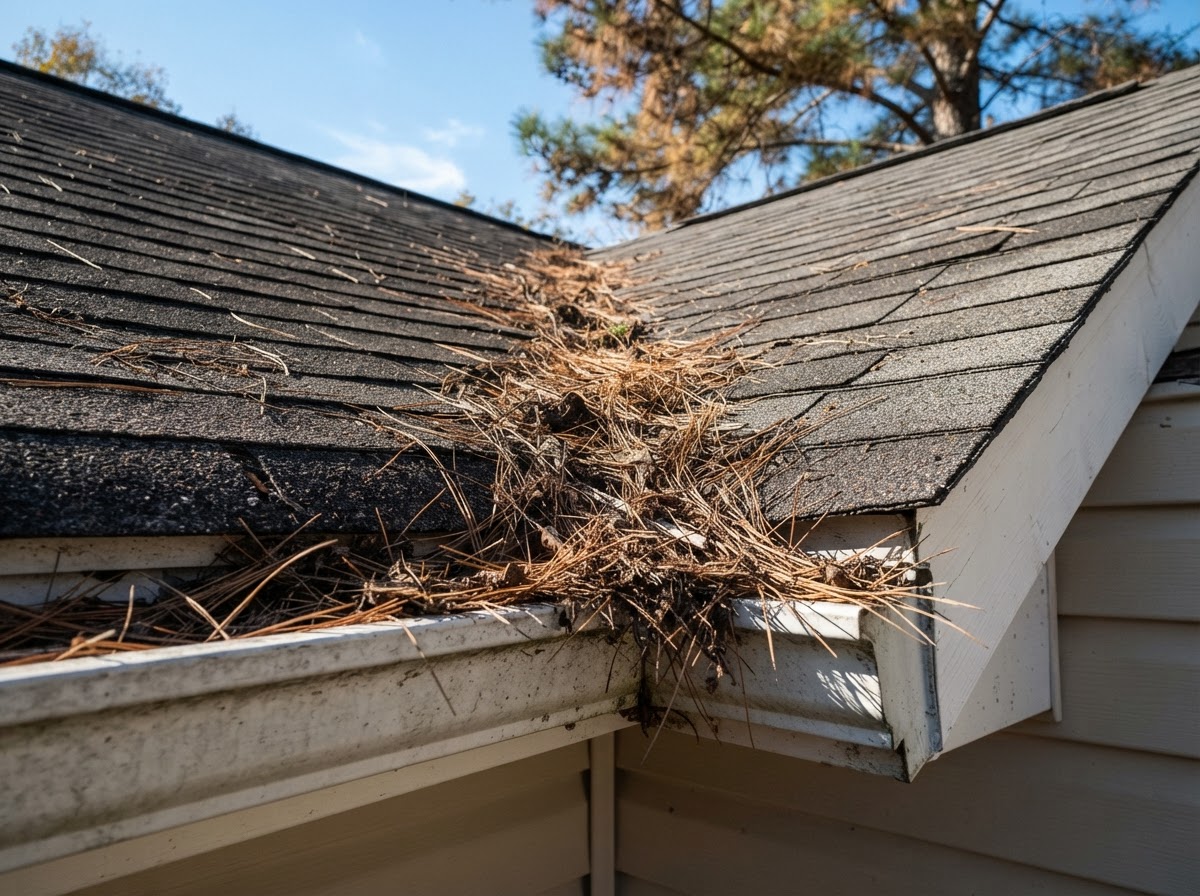
- Remove dead leaves, branches, and pine needles.
- Trim tree branches at least 10 feet away from your chimney and roof.
In the 5-30 Foot Zone
- Mow grass to 4 inches or less.
- Space trees and shrubs at least 10 feet apart.
- Remove ladder fuels (branches that allow fire to climb from ground to canopy).
For detailed guidance, refer to FEMA's How to Prepare for a Wildfire guide.
Harden Your Home Against Embers
Embers are the #1 cause of home ignitions during wildfires. Use the following checklist:
- Install metal mesh screens (⅛-inch mesh) over vents, eaves, and crawl spaces.
- Replace wood or shake roofs with Class A fire-rated materials (metal, tile, asphalt).
- Seal gaps in siding, windows, and doors with caulk or weather stripping.
- Use tempered glass windows to reduce heat breakage.
Learn more from the NFPA Firewise USA program.
Prepare an Emergency Kit and Go-Bag
When a Red Flag Warning is active, you may have minutes to evacuate. The CDC and Ready.gov recommend a go-bag ready year-round.
- Three days of non-perishable food and water (one gallon per person per day).
- Flashlight, batteries, first aid kit, and medications.
- Important documents (IDs, insurance, deeds) in a fireproof bag or digitally.
- N95 masks to filter smoke if you are caught outside.
- Charged power bank and phone charger.
- Pet supplies if you have animals.
For a full list, visit CDC's Wildfire Preparedness page.
Know Your Evacuation Routes
Identify at least two routes out of your neighborhood. Practice with your family. Keep your gas tank at least half full during fire weather season. The American Red Cross suggests mapping out a meeting place outside the danger zone.
Sign up for local emergency alerts via your county or state emergency management agency. For example, CalAlerts in California or FEMA's Wireless Emergency Alerts.
When a Red Flag Warning Is Issued: Immediate Actions
As soon as you hear a Red Flag Warning:
- Remove outdoor furniture, doormats, and firewood from next to the house.
- Shut windows and doors to prevent ember entry.
- Move vehicles into the garage or away from the home, pointing out for a quick exit.
- Hookup garden hoses and fill buckets with water—but do not stay if told to evacuate.
- Lay out go-bags and charge phones.
- Monitor NOAA Weather Radio or local news for updates.
If Evacuation Is Ordered
Leave immediately. Take your go-bag, pets, and any irreplaceable items only if time allows. Do not wait for flames to be visible. Ready.gov's evacuation page provides step-by-step instructions.
Stay Informed with Reliable Sources
These official sources provide real-time fire weather and preparation tips:
- NOAA NWS Fire Weather Page
- FEMA
- Ready.gov Wildfires
- CDC Wildfire Preparedness
- U.S. Fire Administration Wildfire Prevention
Conclusion
Red Flag Warnings are not to be ignored. By taking proactive steps—creating defensible space, hardening your home, preparing a go-bag, and staying alert—you dramatically improve your family's safety and your home's chance of surviving a wildfire. Start today, before a warning is issued. As FEMA advises, preparedness is a continuous process, not a one-time event.
About our guidance
Our guides are grounded in publicly available information from official sources such as FEMA, NOAA, USGS and Ready.gov. Information is general in nature — always verify details for your specific property and policy with official sources and your insurer.
Related guides
 InsuranceLender-Placed Flood Insurance: The Expensive Backup If Your Policy LapsesYour lender can force-place flood insurance if your policy lapses — and bill you for it, usually at a higher price. Here is how…Oct 15, 2026Read guide →
 InsuranceWhat Happens to Your NFIP Policy If Congress Lets the Program LapseCongress extended the NFIP through December 11, 2026. If the program lapses, existing policies stay in force and claims get paid…Oct 15, 2026Read guide →
 InsuranceExcess Flood Insurance: Coverage Above NFIP's $250,000 LimitThe NFIP caps flood coverage at $250,000 for the building and $100,000 for contents. If your home would cost more to rebuild,…Oct 15, 2026Read guide →