
Renters & Natural Disasters: What's Covered, What's Not
5 min read
On this page
Your landlord's insurance won't protect your belongings. Learn what renters insurance covers — and what it doesn't — so you can prepare for natural disasters.
Introduction
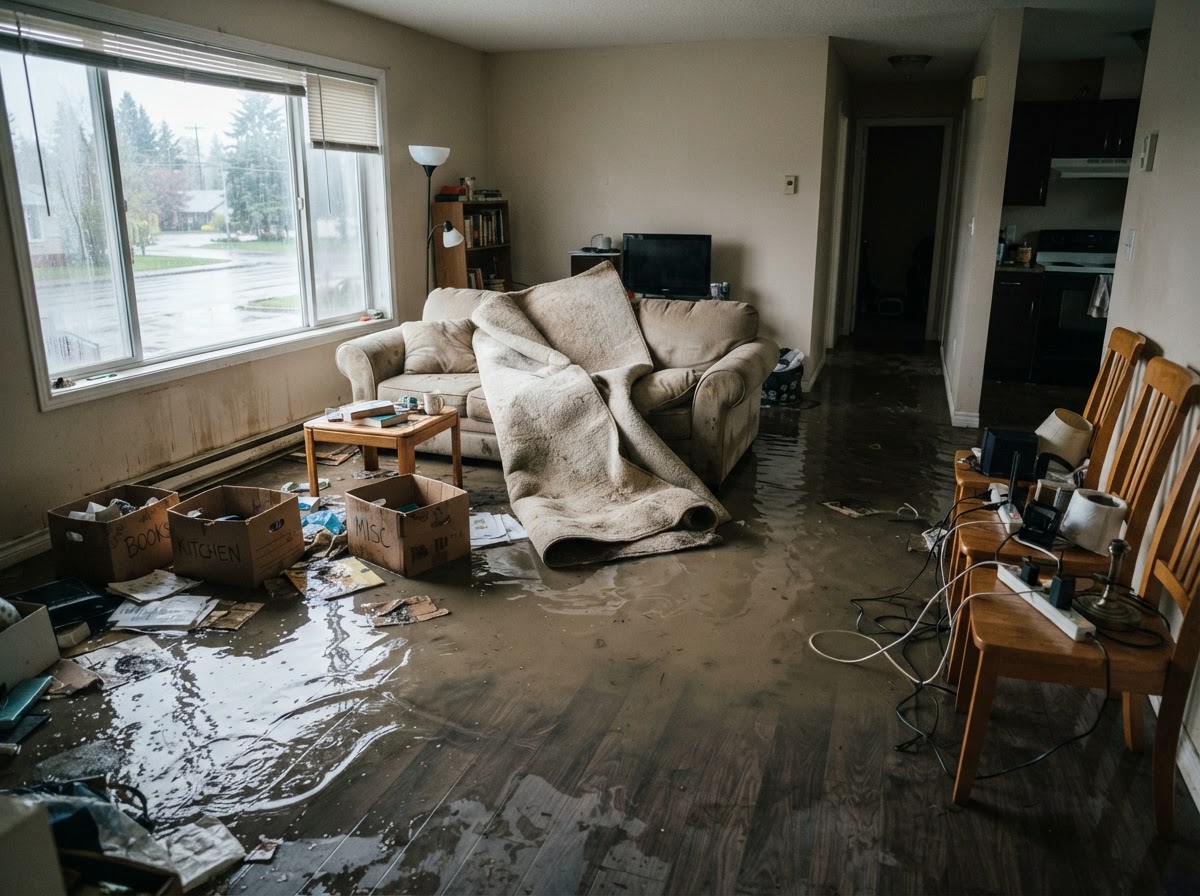
If you rent your home, you might assume that your landlord's insurance policy will cover your losses after a natural disaster. Unfortunately, that is rarely the case. Landlord insurance typically covers only the building structure and the landlord's liability — not your personal property or additional living expenses. That's where renters insurance comes in. But even renters insurance has limits. Understanding exactly what is and isn't covered for natural disasters can help you avoid costly surprises and make informed decisions about additional protection.
What Renters Insurance Typically Covers
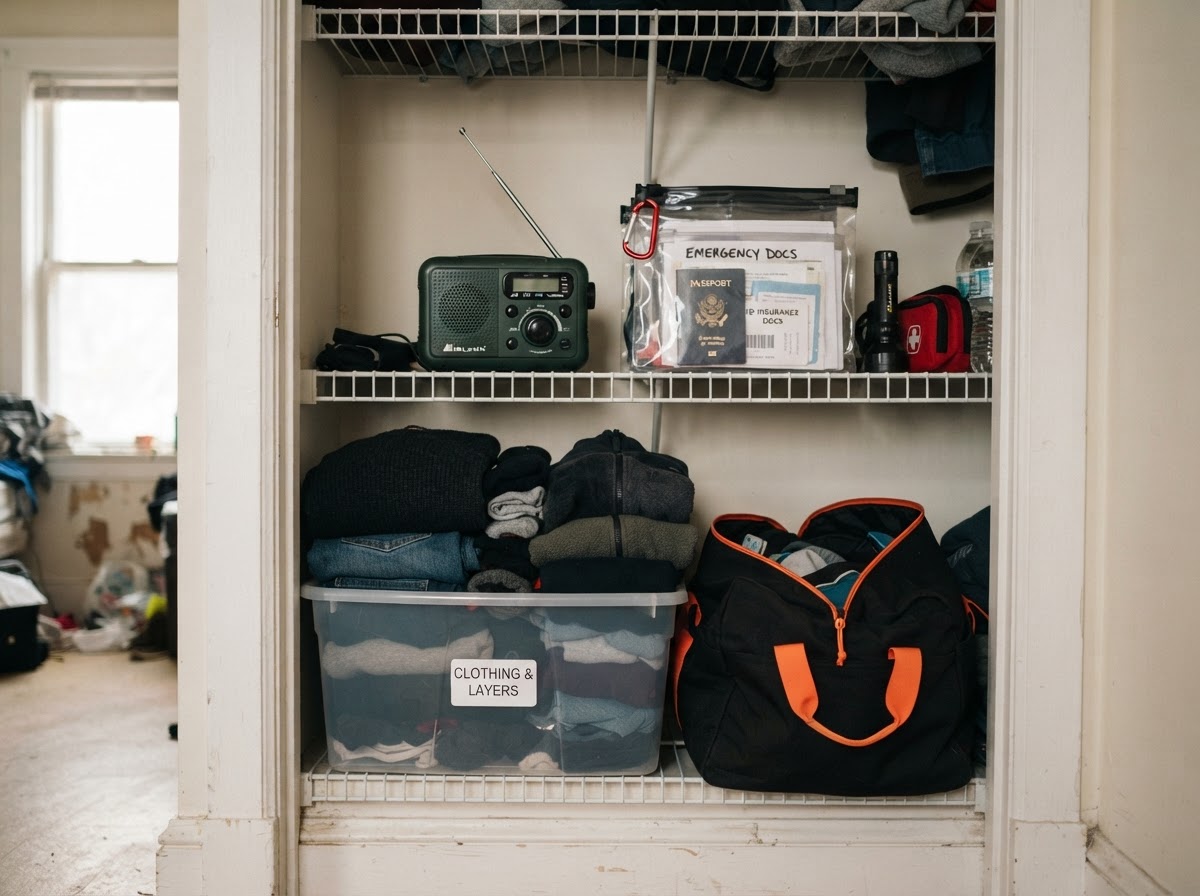
A standard renters insurance policy (HO-4) usually covers three main areas: personal property, liability, and additional living expenses. However, coverage for natural disasters depends on the specific peril.
Named Perils vs. All-Risk Policies
Most renters insurance policies are named peril policies, meaning they only cover losses caused by events specifically listed in the policy. Common covered perils include:
- Fire or lightning
- Windstorm or hail
- Explosion
- Riot or civil commotion
- Aircraft or vehicle damage
- Smoke
- Vandalism or malicious mischief
- Theft
- Volcanic eruption
- Falling objects
- Weight of ice, snow, or sleet
- Water damage from plumbing, appliances, or HVAC (but not from flooding)
If you have an all-risk (or open peril) policy, coverage is broader — it covers all perils except those explicitly excluded. But even all-risk policies have important exclusions for natural disasters.
Liability Coverage
Renters insurance includes personal liability coverage, which protects you if someone is injured in your rental unit or if you accidentally damage someone else's property. This coverage applies regardless of whether the injury is related to a natural disaster, though it's not a substitute for disaster-specific insurance.
Additional Living Expenses (ALE)
If your rental becomes uninhabitable due to a covered disaster, ALE coverage helps pay for temporary housing, food, and other costs. For example, if a fire destroys your apartment, your insurer may pay for a hotel and meals until you can return. But ALE only applies if the disaster itself is covered by your policy.
What's NOT Covered by Standard Renters Insurance
Even the best renters policy has exclusions. The following natural disasters are typically not covered by standard renters insurance:
Flooding
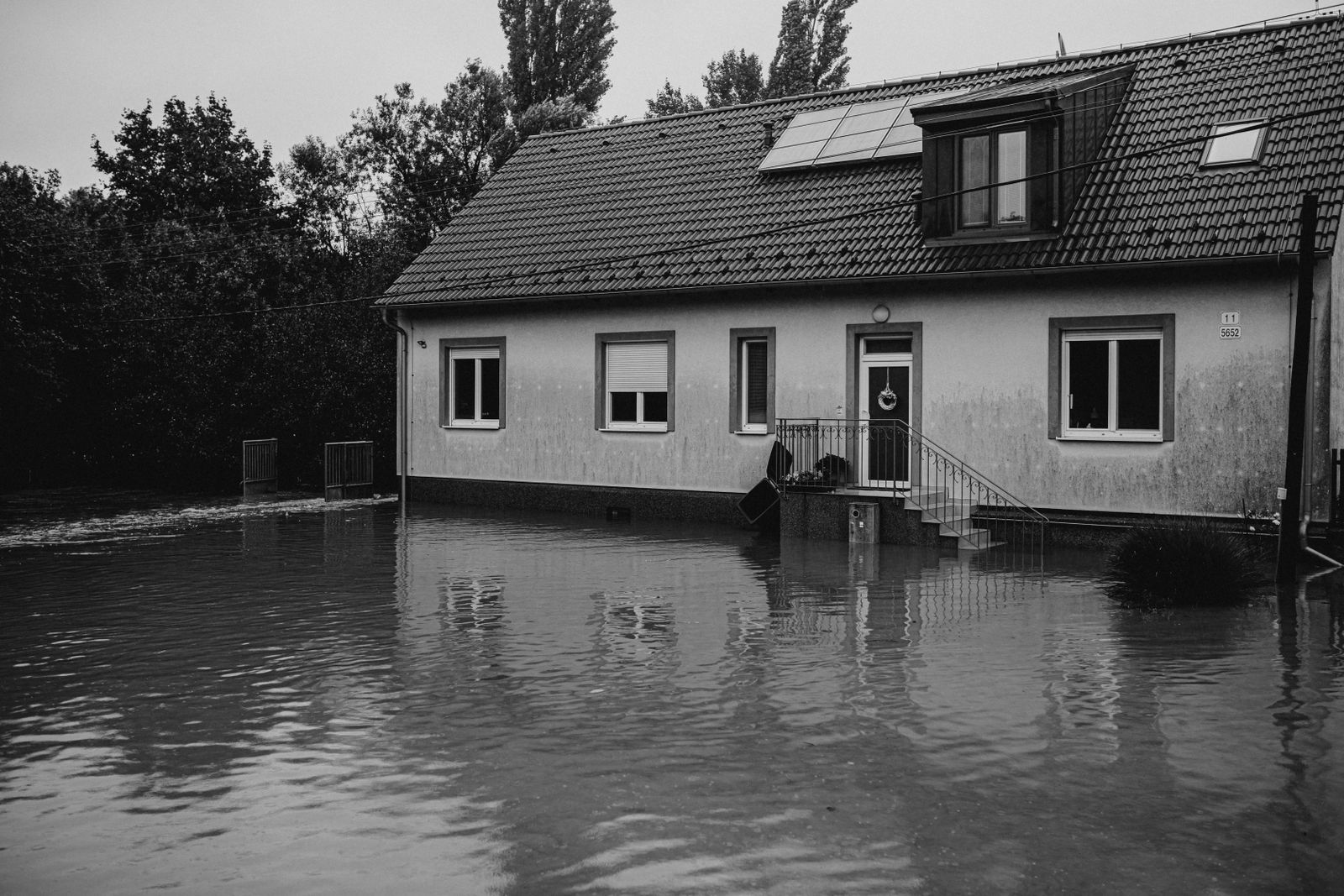
Flood damage — whether from rising water, storm surge, or heavy rain — is almost always excluded. According to FEMA, just one inch of water can cause up to $25,000 in damage. Renters must purchase a separate flood insurance policy through the National Flood Insurance Program (NFIP) or a private insurer. Flood insurance for renters covers personal property (contents) up to $100,000 under NFIP, but not the building itself.
Earthquakes
Earthquake damage is also excluded from standard policies. If you live in a seismically active area like California, Alaska, or the Pacific Northwest, consider purchasing a separate earthquake insurance policy from the California Earthquake Authority (if in CA) or a private insurer. Coverage typically includes contents and additional living expenses.
Landslides and Mudslides
Earth movements like landslides, mudslides, and sinkholes are generally excluded. Some insurers offer endorsements or separate policies for these perils in high-risk areas.
Hurricane-Related Wind vs. Flood
Wind damage from hurricanes is typically covered under standard renters insurance (as windstorm). However, flood damage from storm surge is not — it requires separate flood insurance. For those in hurricane-prone states like Florida, Texas, or the Gulf Coast, confirm exactly how your policy treats wind and water damage.
Other Exclusions
Other common exclusions include: mold, fungus, or rot (often only covered if caused by a covered peril like a burst pipe); neglect or intentional acts; war or nuclear hazard; and power failure off the premises. Check your policy carefully.
How to Assess Your Risk and Fill Gaps
Knowing what's not covered is only half the battle. Use these steps to protect yourself:
1. Check Your Rental Location's Hazards
Visit FEMA's National Risk Index to see the natural hazard risk for your county: flood, hurricane, earthquake, tornado, wildfire, and more. This helps prioritize which additional policies you might need.
2. Read Your Policy Declarations
Your policy's declarations page lists the covered perils and exclusions. If you see "flood" or "earth movement" excluded, you need separate coverage.
3. Consider Endorsements
Some insurers offer endorsements (riders) to add coverage for specific perils. For example, a water backup endorsement covers sewer or drain backups that aren't normally included. Ask your agent what's available.
4. Buy Separate Policies as Needed
- Flood insurance: Through NFIP or private. Average cost for renters is about $75–$150 per year for contents-only coverage.
- Earthquake insurance: Varies widely by risk; deductibles usually 10–20% of coverage.
- Windstorm or hail: Usually already included, but confirm in high-risk areas.
What About Disasters Declared by the President?
If a disaster is declared a federal emergency by the President, you may be eligible for FEMA Individual Assistance. This can help with temporary housing, repairs, and other needs — but it is not insurance. It only provides limited financial help, often a few thousand dollars. Also, you must first apply for insurance and be denied or underinsured. According to Ready.gov, disaster assistance is not a substitute for insurance.
Practical Tips for Renters
- Inventory your belongings: Create a home inventory with photos and receipts. Use the Ready.gov home inventory checklist.
- Store documents digitally: Keep insurance policies, ID, and inventory in the cloud or a waterproof USB drive.
- Ask about replacement cost vs. actual cash value: Replacement cost covers new items at today's prices; actual cash value subtracts depreciation. It's worth the extra premium.
- Review your coverage annually: Life changes (new valuables, moving to a new risk zone) may require updated coverage.
Conclusion
Renters insurance is affordable and essential — but it doesn't cover everything. Flood and earthquake are the two biggest gaps for natural disasters. By understanding your policy, assessing your local hazards, and buying additional coverage where needed, you can avoid financial devastation. As FEMA emphasizes: “Insurance is the first line of defense in a disaster.” Don't wait until the next storm to find out what your policy covers.
Take action today: Review your renters policy, check your flood risk via FEMA's Flood Map Service Center (https://msc.fema.gov/portal/home), and talk to your insurance agent about closing coverage gaps.
About our guidance
Our guides are grounded in publicly available information from official sources such as FEMA, NOAA, USGS and Ready.gov. Information is general in nature — always verify details for your specific property and policy with official sources and your insurer.
Related guides
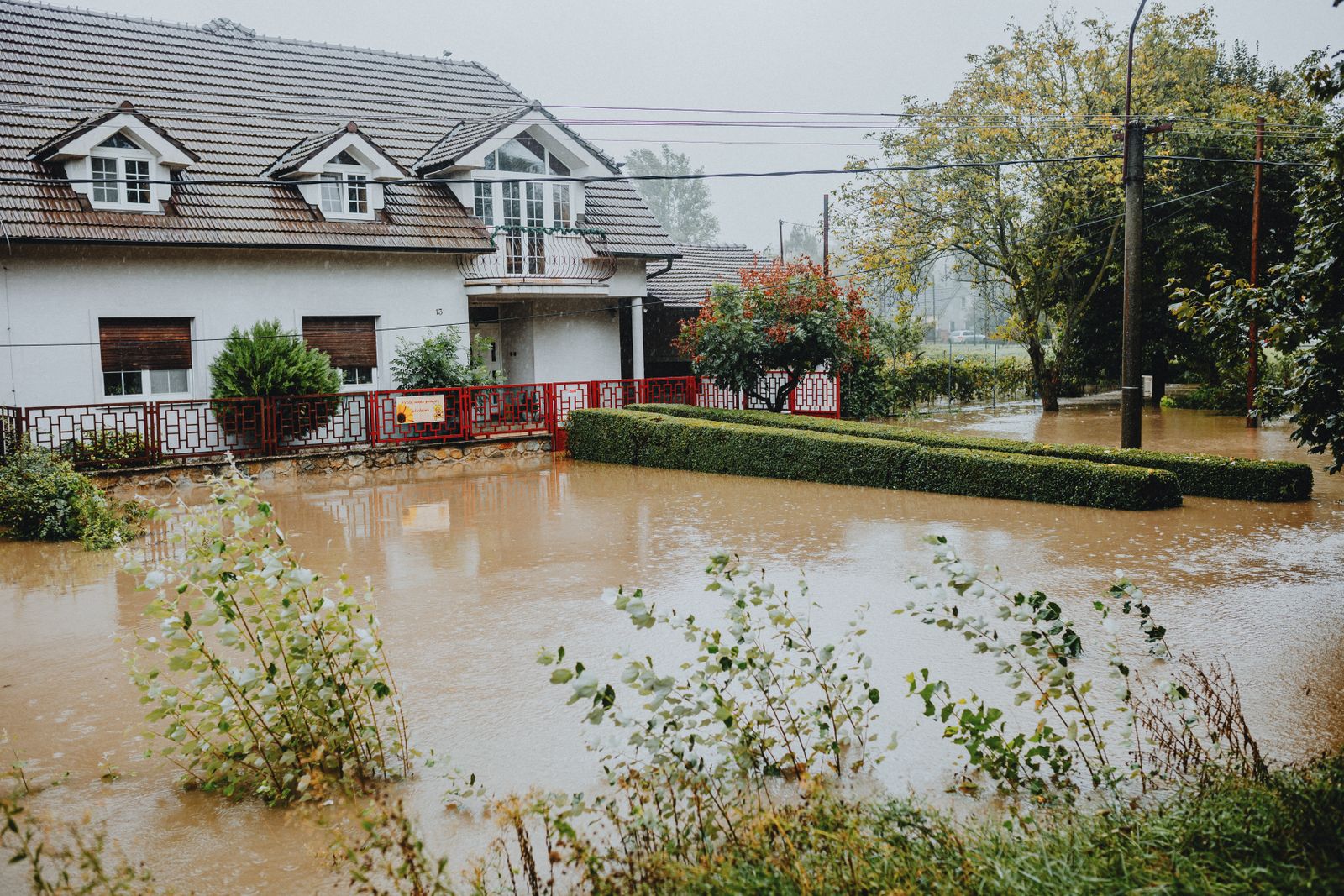 InsuranceLender-Placed Flood Insurance: The Expensive Backup If Your Policy LapsesYour lender can force-place flood insurance if your policy lapses — and bill you for it, usually at a higher price. Here is how…Oct 15, 2026Read guide →
 InsuranceWhat Happens to Your NFIP Policy If Congress Lets the Program LapseCongress extended the NFIP through December 11, 2026. If the program lapses, existing policies stay in force and claims get paid…Oct 15, 2026Read guide →
 InsuranceExcess Flood Insurance: Coverage Above NFIP's $250,000 LimitThe NFIP caps flood coverage at $250,000 for the building and $100,000 for contents. If your home would cost more to rebuild,…Oct 15, 2026Read guide →