
Replacement Cost vs Actual Cash Value: Which Protects Better After a Disaster?
5 min read
On this page
Understanding the difference between replacement cost and actual cash value insurance is critical to recovering fully after a disaster. Learn which option better protects your home and finances according to FEMA and other official sources.
Introduction: Why Your Insurance Valuation Method Matters
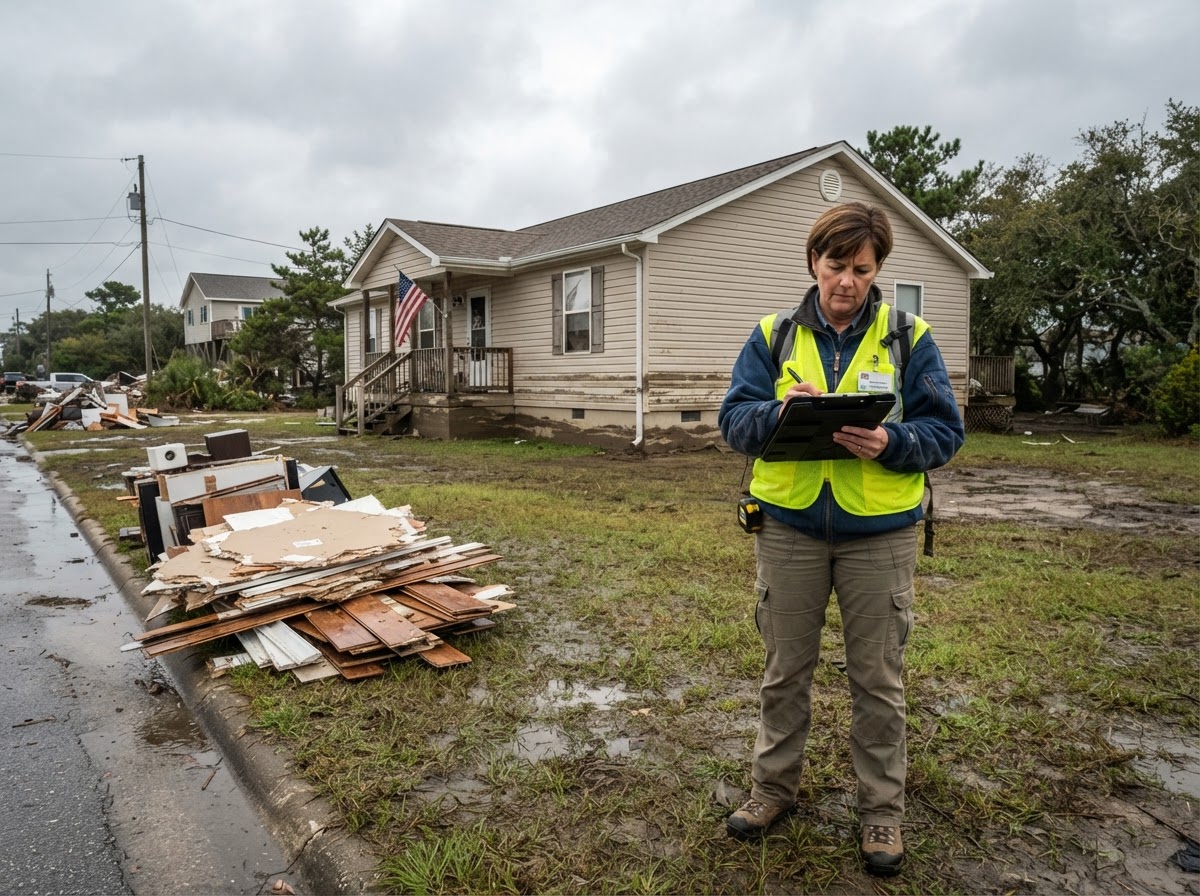
After a hurricane, wildfire, flood, or earthquake, your homeowners insurance policy's valuation method determines how much you'll be paid for damaged property. The two primary methods are replacement cost value (RCV) and actual cash value (ACV). Choosing the right one can mean the difference between a full rebuild and a significant out-of-pocket gap. This article explains both options using guidance from the Federal Emergency Management Agency (FEMA), the National Flood Insurance Program (NFIP), and consumer protection agencies.
What Is Replacement Cost Value (RCV)?
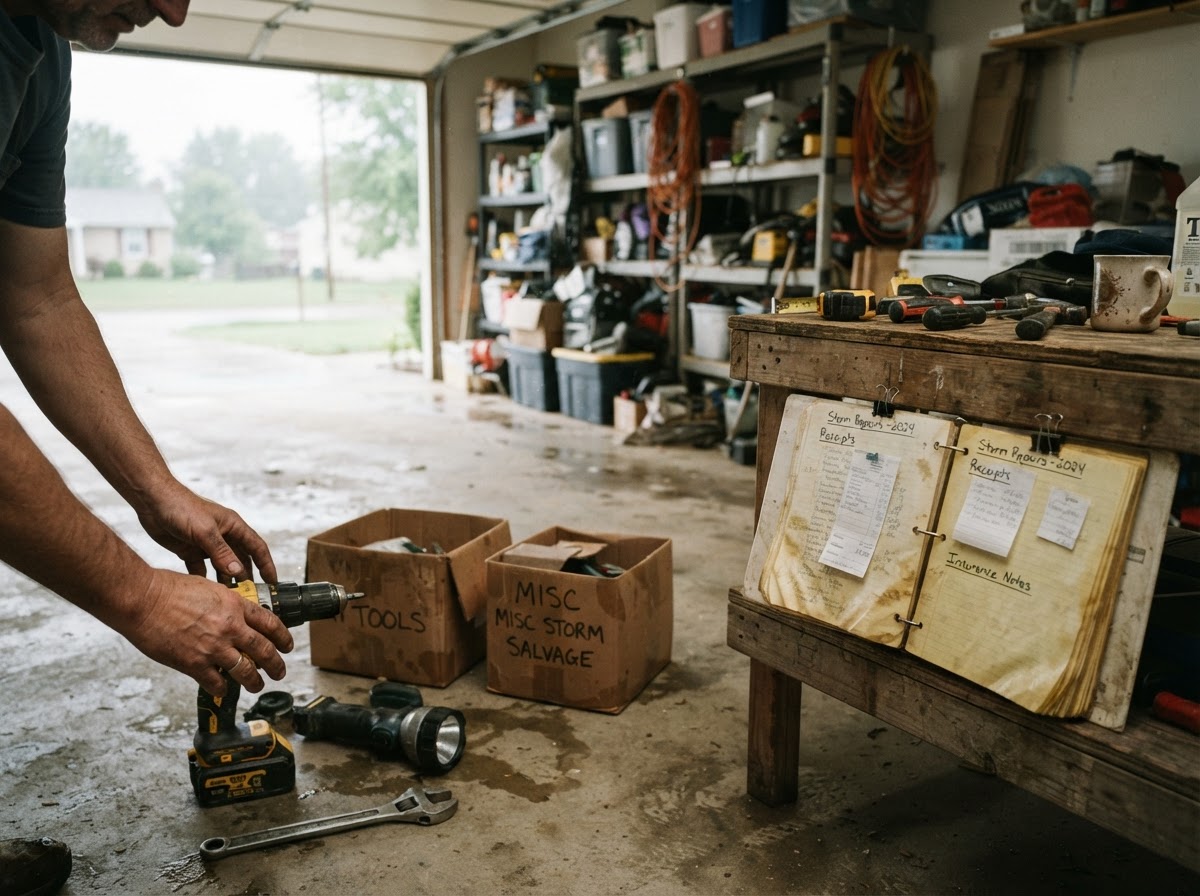
Replacement cost value covers the cost to repair or replace your damaged property with materials of like kind and quality, without deducting for depreciation. For example, if a 10-year-old roof is destroyed, RCV would pay for a new roof at current market prices, minus your deductible.
Key points from FEMA: Under the NFIP, residential buildings insured at replacement cost value must meet certain eligibility criteria, such as being the primary residence and having coverage at least 80% of the building's replacement cost (see FEMA's NFIP page). Standard homeowners insurance policies from private insurers typically offer RCV for the dwelling, but you may need to specifically elect RCV for personal property.
What Is Actual Cash Value (ACV)?
Actual cash value is replacement cost minus depreciation. Depreciation accounts for age, wear and tear, and useful life. Using the same roof example, ACV would pay the current value of the 10-year-old roof—far less than a new one.
Official definition: According to the Insurance Information Institute (a non-government source), ACV is calculated as replacement cost minus depreciation. FEMA also notes that ACV is the default for many flood insurance policies, especially for second homes or vacation properties (see FEMA's Replacement Cost Value page).
RCV vs ACV: Pros and Cons
Replacement Cost Value (RCV)
- Pros: You receive enough funds to rebuild or replace your property to its pre-loss condition. This reduces out-of-pocket costs after a disaster. Covers current construction costs and materials.
- Cons: Higher policy premiums—RCV can cost 10-25% more than ACV. Some policies require you to actually repair or replace the property before they pay the full RCV amount.
Actual Cash Value (ACV)
- Pros: Lower premiums upfront. Simple claims process because depreciation is calculated quickly.
- Cons: You may receive far less than the cost to rebuild, leaving you with a significant financial gap. After a major disaster, rebuilding costs often rise due to demand surges. FEMA warns that ACV may not be enough to cover a mortgage if the property is destroyed (see FEMA's Loss Settlement Options).
Which Is Better After a Disaster?
The clearer answer for homeowners is replacement cost value, especially for the structure of your home. Here’s why, grounded in official guidance:
- FEMA’s NFIP: For flood insurance, RCV is available only for primary residences and requires that you insure the building to at least 80% of its replacement cost. If you don't, you may face a co-insurance penalty or receive only ACV. FEMA recommends RCV for primary homes because it ensures you can rebuild after a catastrophic flood (see FEMA's RCV Explanation).
- Ready.gov: The official preparedness website advises reviewing your policy regularly to ensure you have enough coverage to rebuild. They note that building codes and labor costs can increase, making ACV insufficient (Ready.gov Insurance).
- National Weather Service: After severe weather events, the NWS often collaborates with FEMA to promote understanding of insurance coverage. They highlight that underinsurance is a major contributor to financial hardship post-disaster.
Special Considerations for Flood Insurance
The NFIP offers both RCV and ACV options. If you have a mortgage on a primary residence, the lender may require flood insurance, but the valuation method is your choice. However, if you choose ACV, you might not have enough to rebuild. A FEMA fact sheet explains that for RCV, you must be insured for at least 80% of the building's replacement cost; otherwise, the claim will be settled on an ACV basis. For second homes and non-primary residences, only ACV is available under NFIP.
How to Choose: Practical Steps for Homeowners
- Determine your financial risk tolerance: If you have significant savings or can absorb a gap, ACV may be acceptable. But for most, the extra premium for RCV is worth the security.
- Check your policy: Look at the declarations page for dwelling coverage. If it says “replacement cost” for the structure and “actual cash value” for contents, consider upgrading the contents coverage.
- Use FEMA’s guidance: The agency provides a Floodproofing Guide that includes insurance considerations. Also, the National Flood Insurance Program has a consumer brochure explaining the difference.
- Get a professional appraisal: Every 2-5 years, have a contractor or appraiser estimate your home's replacement cost. This ensures your coverage limit is adequate.
- Consult your state insurance department: Many state departments provide resources on homeowners insurance. For example, Texas Department of Insurance has a guide on replacement cost vs. ACV.
Conclusion: RCV Is Usually Better After Disaster
When a disaster strikes, the last thing you need is a shortfall in insurance funds. Official government sources like FEMA and Ready.gov consistently advocate for replacement cost value for primary residences. While the premiums are higher, the financial protection against inflation, building code upgrades, and demand surges is invaluable. Review your policy today and work with your agent to switch to RCV if you haven’t already. For more information, visit FEMA.gov and Ready.gov/insurance.
About our guidance
Our guides are grounded in publicly available information from official sources such as FEMA, NOAA, USGS and Ready.gov. Information is general in nature — always verify details for your specific property and policy with official sources and your insurer.
Related guides
 InsuranceLender-Placed Flood Insurance: The Expensive Backup If Your Policy LapsesYour lender can force-place flood insurance if your policy lapses — and bill you for it, usually at a higher price. Here is how…Oct 15, 2026Read guide →
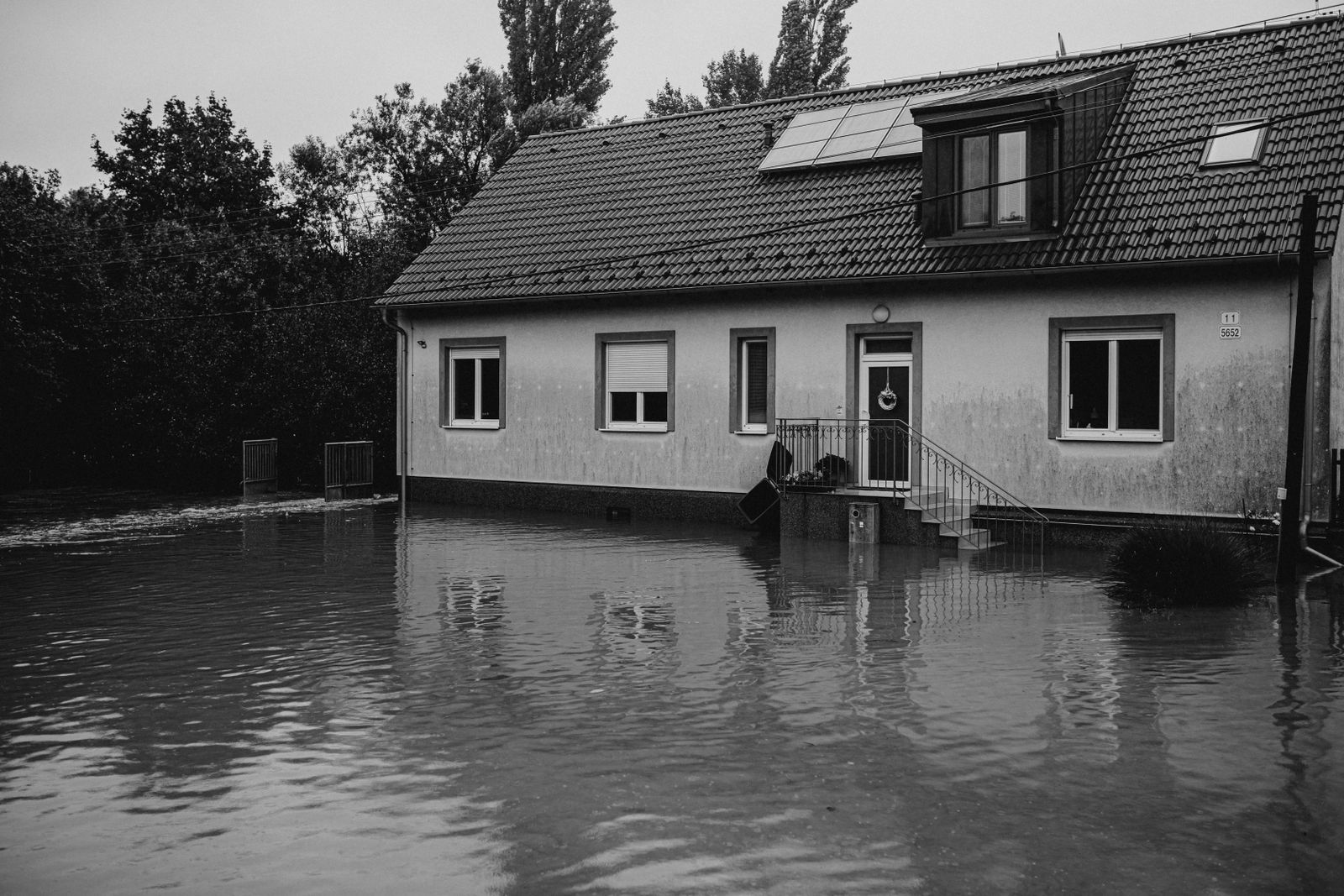 InsuranceWhat Happens to Your NFIP Policy If Congress Lets the Program LapseCongress extended the NFIP through December 11, 2026. If the program lapses, existing policies stay in force and claims get paid…Oct 15, 2026Read guide →
 InsuranceExcess Flood Insurance: Coverage Above NFIP's $250,000 LimitThe NFIP caps flood coverage at $250,000 for the building and $100,000 for contents. If your home would cost more to rebuild,…Oct 15, 2026Read guide →