
Safe Backup Heating for Winter Power Outages: Expert Tips
4 min read
On this page
Learn how to stay warm safely during a winter power outage with backup heating options recommended by FEMA, Ready.gov, and the CDC. Avoid dangerous mistakes like using generators indoors.
Why Safe Backup Heating Matters
Winter storms can knock out power for hours or days, leaving your home without heat. Hypothermia and frozen pipes are serious risks. But improper backup heating—like using outdoor appliances indoors—can cause carbon monoxide poisoning or fires. This guide covers safe options based on guidelines from Ready.gov, CDC, and FEMA.
Top Safe Backup Heating Methods
1. Properly Rated Indoor Space Heaters
Electric space heaters (not fuel-burning) are safe if used correctly. Look for models with automatic shut-off and tip-over protection. Keep them at least 3 feet away from flammable materials. Never use extension cords; plug directly into a wall outlet. If your power is out, a battery-powered or rechargeable heater isn’t practical for whole-room heating but can warm a small area. Consider a DOE-approved portable heater.
2. Fireplaces and Wood Stoves
If you have a fireplace or wood stove, it can be a primary heat source. Ensure your chimney is clean and inspected annually. Use only dry, seasoned wood. Never use charcoal or gas logs indoors—they produce deadly carbon monoxide. Close glass doors once the fire is established to prevent sparks. Keep a fire extinguisher nearby. The US Fire Administration offers more safety tips.
3. Kerosene Heaters (Used with Extreme Caution)
Kerosene heaters are permitted in some states but must be UL-listed and used only with K-1 kerosene. Never use indoors without proper ventilation. Always keep a window open at least one inch. Refuel outdoors after the heater has cooled. The CDC warns about carbon monoxide risks. Only rely on this if you follow every safety instruction.
4. Propane Heaters (Indoor-Rated Models Only)
Some propane heaters are rated for indoor use (look for low-oxygen shut-off). Even so, crack a window for fresh air. Never leave them unattended. Read the manufacturer’s instructions carefully. The National Fire Protection Association has resources on propane safety.
What NOT to Do
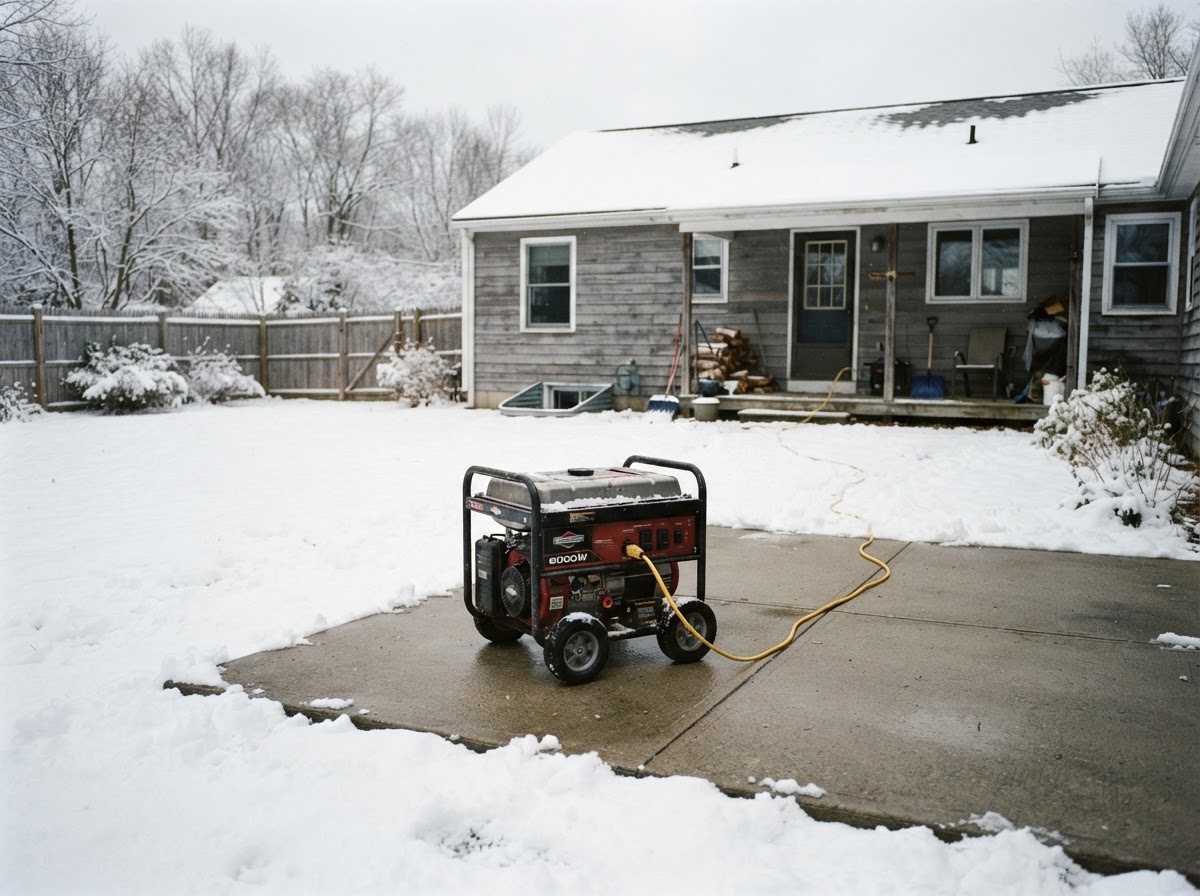
- Never use a generator indoors—including garages, basements, or porches. Generators produce CO that can kill in minutes. Place them at least 20 feet from doors and windows.
- Never use a gas oven or range for heat. It’s a fire and CO hazard.
- Never burn charcoal indoors. Charcoal produces lethal CO.
- Don’t use unvented gas heaters in small rooms without oxygen sensors.
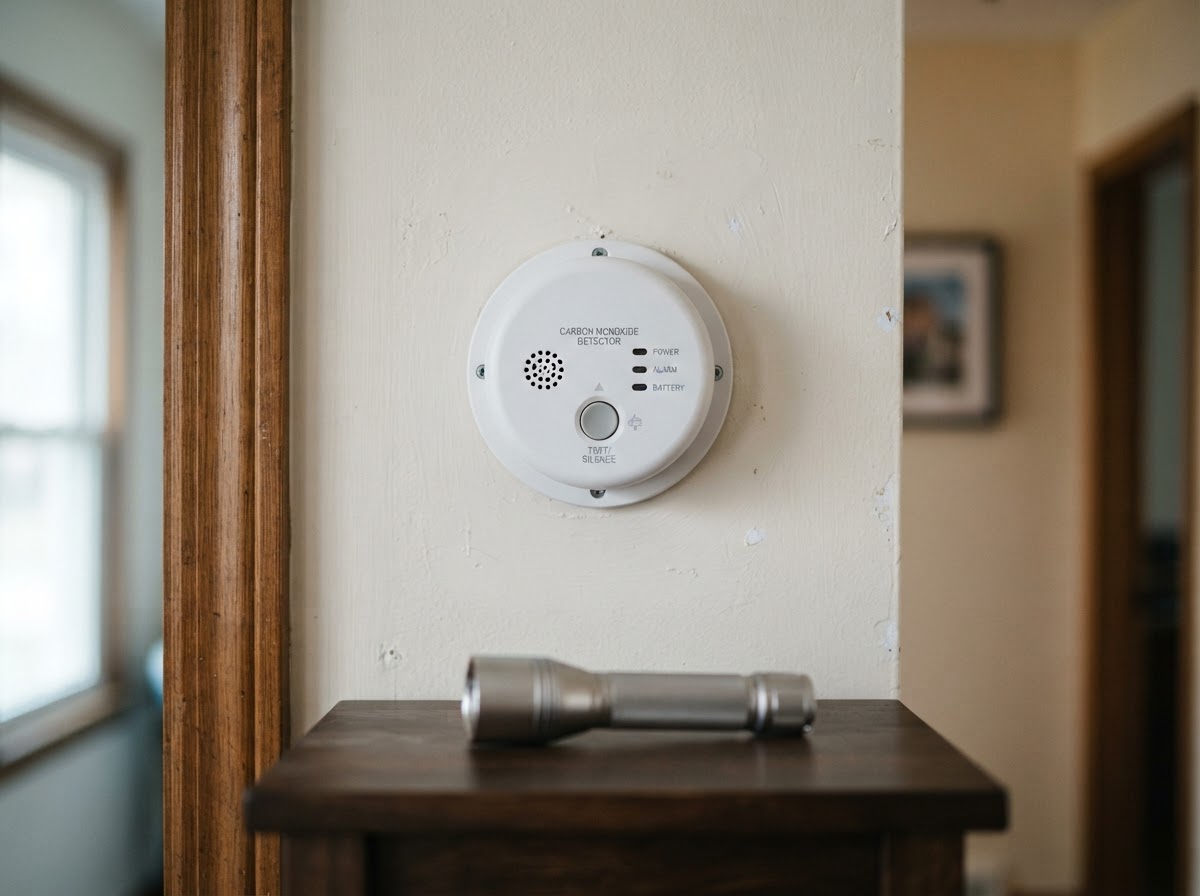
- Don’t ignore CO alarms. Install battery-operated CO detectors on every level. Test them monthly.
Alternative Ways to Stay Warm
Layer Up and Insulate
Wear multiple layers of loose, warm clothing. Use blankets and sleeping bags. Close off unused rooms to retain heat. Hang heavy curtains over windows. The Ready.gov guide recommends dressing warmly even indoors.
Use a Tent Inside
Set up a small tent (camping tent) in a room and sleep inside with sleeping bags. Body heat will keep it warmer. This is a recommended strategy from the CDC winter guide.
Heated Blankets and Battery-Powered Gear
Battery-operated heated blankets or vests can be helpful. Have extra batteries charged. Note that these won’t heat a room but can keep you warm directly.
Carbon Monoxide and Fire Safety
Carbon monoxide (CO) is an invisible, odorless killer. During power outages, CO poisonings spike. Install CO alarms on every level of your home. If the alarm sounds, get outside immediately and call 911. The CDC CO page has more signs and symptoms. Also, have a fire extinguisher accessible and know how to use it.
Powering heaters and essentials? Our sister site UTrendCo reviews portable power stations built for outages — compare capacities and runtimes, or take the 60-second quiz to size one for your home.
Plan Ahead for Power Outages
Create a Winter Emergency Kit
Assemble supplies before a storm hits. Include:
- Flashlights and extra batteries (avoid candles)
- Warm blankets and sleeping bags
- Weather radio (NOAA Weather Radio)
- Battery-powered or hand-crank phone chargers
- First aid kit
- Fire extinguisher
- Carbon monoxide detector with battery backup
See the Ready.gov kit list for full details.
Winterize Your Home
Insulate pipes to prevent freezing. Seal drafts around doors and windows. Keep the thermostat at a consistent temperature (even during a power outage, the residual heat helps). Know how to shut off water in case pipes burst.
Conclusion
Staying safe during a winter power outage starts with the right backup heating and a solid plan. Never compromise safety for convenience—avoid generators indoors, don’t use cooking appliances for heat, and always monitor CO detectors. By following these guidelines from FEMA, Ready.gov, and the CDC, you can keep your family warm and safe until the power returns. Prepare now, so you’re not scrambling in the dark.
About our guidance
Our guides are grounded in publicly available information from official sources such as FEMA, NOAA, USGS and Ready.gov. Information is general in nature — always verify details for your specific property and policy with official sources and your insurer.
Keep exploring
Related guides
 Stop Ice Dams: Essential Prevention Tips for Your RoofIce dams can cause costly damage to your home. Learn how to prevent them with proper insulation, ventilation, and smart home…Jun 21, 2026Read guide →
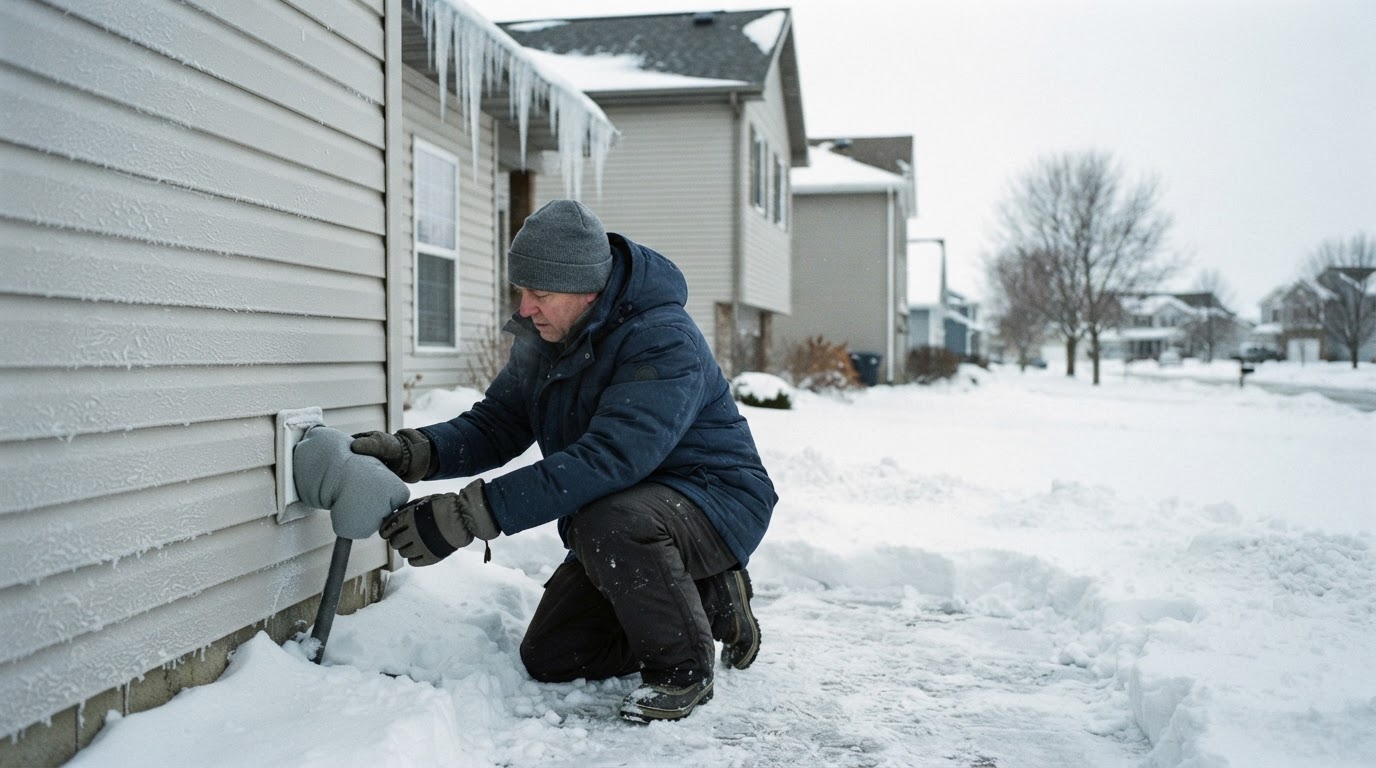 Prevent Frozen and Burst Pipes This WinterFrozen pipes can burst and cause costly water damage. Learn practical steps from FEMA and Ready.gov to protect your home before,…Jun 21, 2026Read guide →
 InsuranceLender-Placed Flood Insurance: The Expensive Backup If Your Policy LapsesYour lender can force-place flood insurance if your policy lapses — and bill you for it, usually at a higher price. Here is how…Oct 15, 2026Read guide →