
Safeguard Your Home: Window & Roof Tips for Thunderstorm Winds
3 min read
On this page
Learn how to protect your windows and roof from severe thunderstorm wind damage using proven strategies from FEMA, NOAA and Ready.gov. Practical tips for US homeowners.
Understanding Severe Thunderstorm Wind Risks
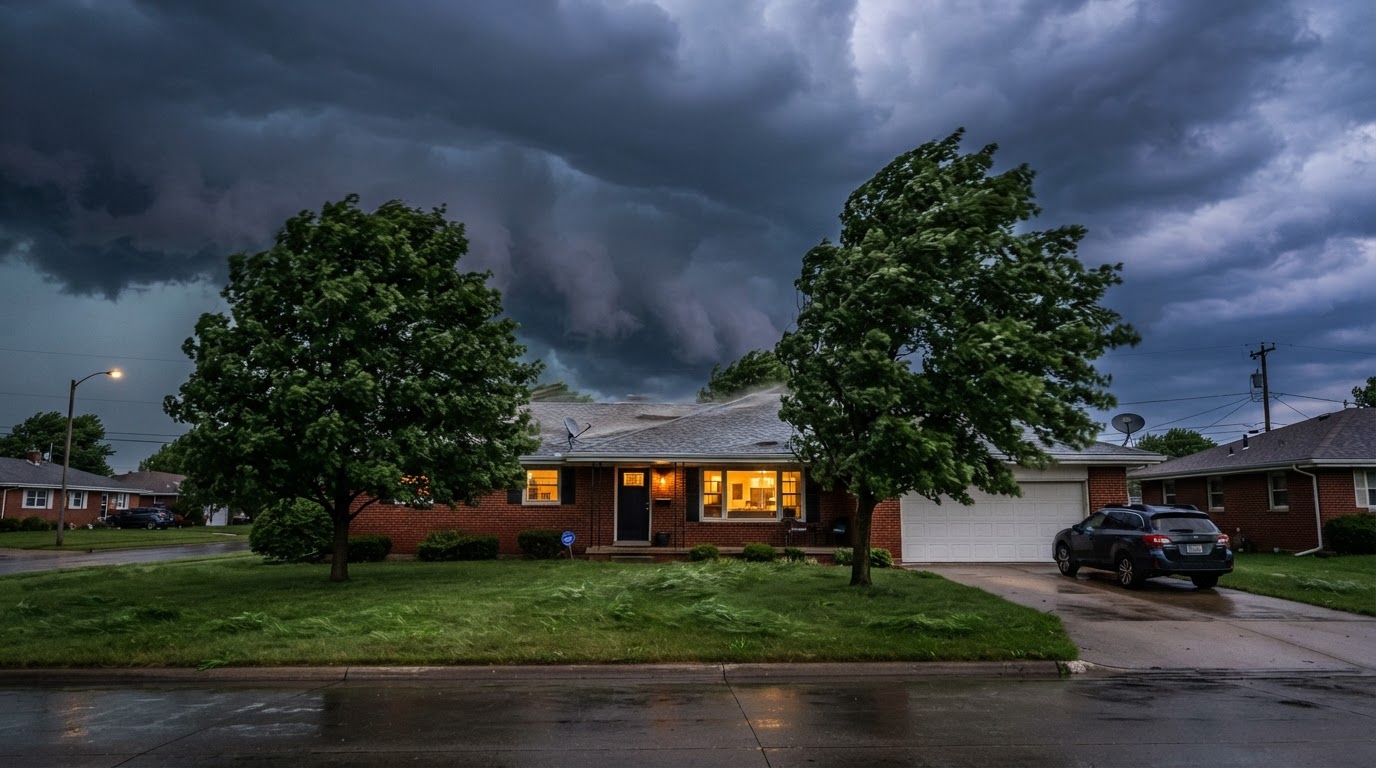
Severe thunderstorms produce straight-line winds that can exceed 100 mph, causing damage comparable to tornadoes. According to the National Weather Service, these winds are responsible for billions of dollars in property damage annually. Your windows and roof are the most vulnerable parts of your home. This article provides practical, government-backed steps to protect them.
Roof Protection Strategies
Inspect and Maintain Your Roof
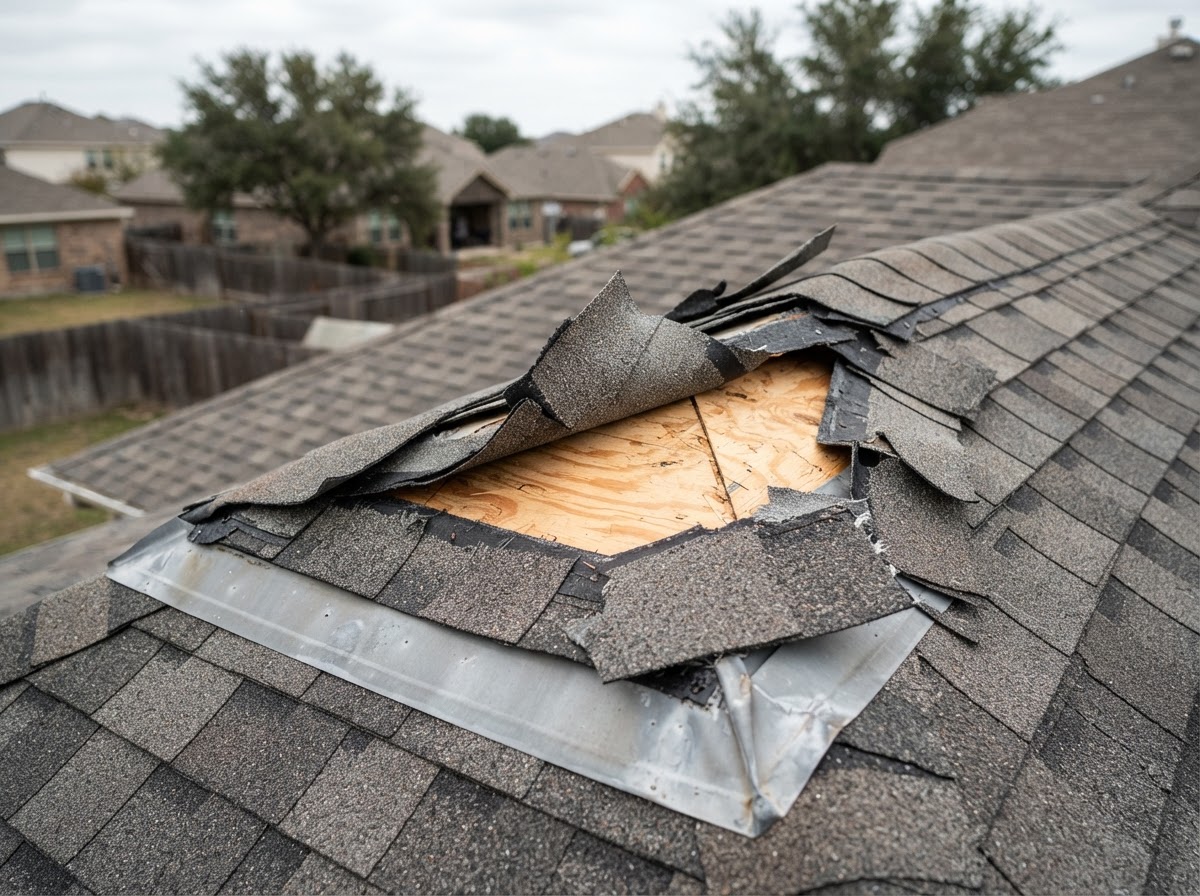
Regular inspections are critical. The Federal Emergency Management Agency (FEMA) recommends checking for loose or missing shingles, cracked flashing, and deteriorated seals. Pay special attention to roof edges and valleys where wind uplift is strongest. Replace any damaged materials promptly.
Install Impact-Resistant Shingles
Consider upgrading to impact-resistant shingles that meet FEMA's recommended standards. These shingles are tested to withstand wind speeds up to 110 mph and resist hail. Look for Class 4 impact rating, the highest available.
Reinforce Roof Decking
Wind can peel off shingles and then lift roof decking. FEMA suggests using ring-shank nails or screws to secure plywood or OSB sheathing. Ensure fasteners penetrate the trusses or rafters by at least 1 inch. This simple upgrade can prevent catastrophic roof failure. For more details, see FEMA's roofing guidance.
Seal Roof Penetrations
Chimneys, vents, and skylights are weak points. Use metal flashings and heavy-duty sealant. Inspect them annually. NOAA notes that wind-driven rain can enter through these openings and cause extensive interior damage.
Install Hurricane Straps or Clips
Connecting your roof to walls with metal straps or clips can prevent uplift. This is especially important in newer homes, but retrofits are effective. FEMA's Hurricane Wind Resistant Retrofit Guide provides installation details.
Window Protection Strategies
Install Impact-Resistant Windows
Tempered or laminated glass windows are designed to withstand high winds and debris. They meet ASTM E1996 standards. Check with your local building department for code requirements. FEMA considers them a long-term upgrade that also improves energy efficiency.
Use Storm Shutters
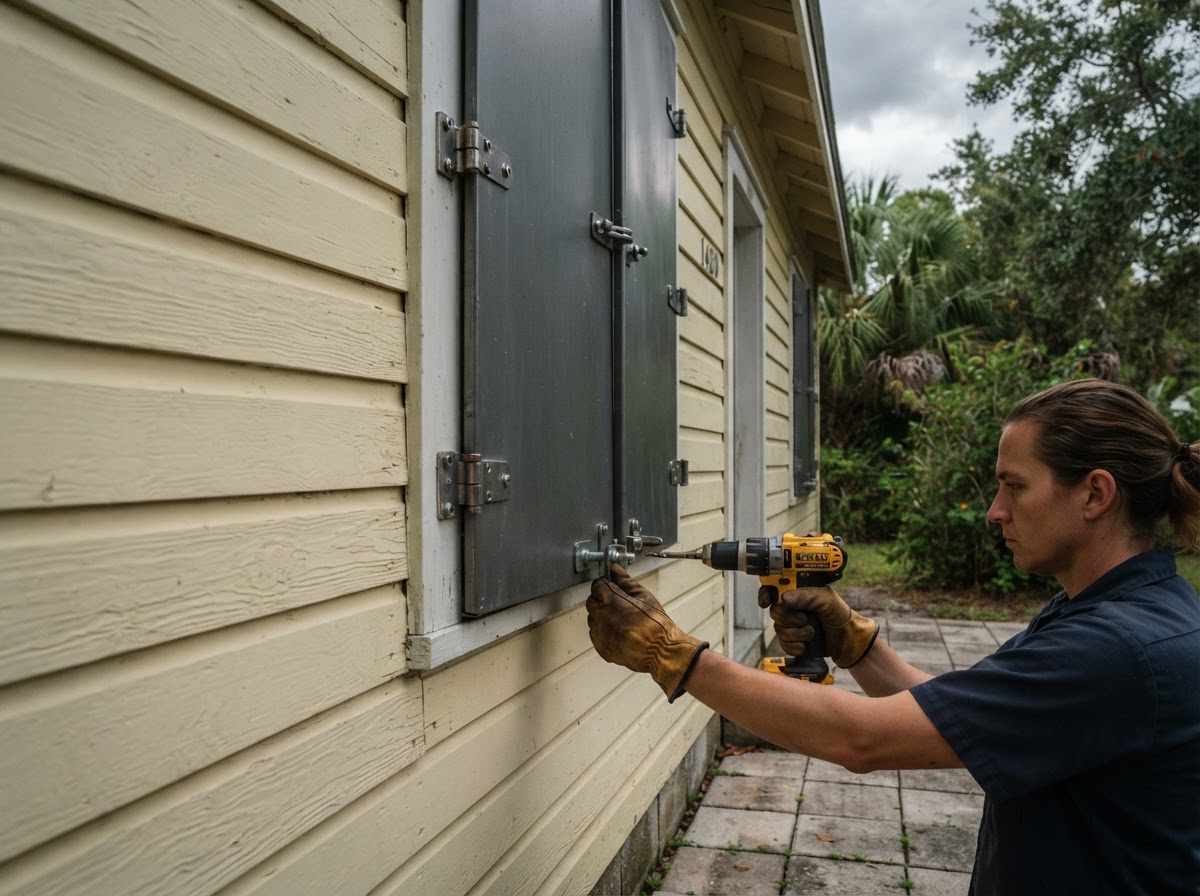
Storm shutters are a proven defense. Options include accordion, roll-up, and colonial styles. They must be installed before a storm warning. The Ready.gov guide recommends them as a primary protection measure. Ensure shutters are tested to meet ASTM E1666 standards.
Apply Window Film
Safety and security window films can hold shattered glass together. While not as strong as shutters, they offer protection against flying debris. Look for films rated for impact resistance. Read more at the Ready.gov severe weather page.
Plywood as a Temporary Measure
If permanent options are not available, pre-cut 5/8-inch exterior-grade plywood can be fitted over windows. Drill holes for anchors and store them near windows for quick deployment. FEMA provides guidelines in its hurricane retrofit guide. Remember: plywood is less reliable than shutters and should be used only as a last resort.
Seal Gaps Around Windows
Use quality caulk around frames to prevent wind-driven water intrusion. Check for cracks and apply fresh sealant annually.
Pre-Storm Preparation Checklist
- Trim trees and remove dead branches near your home.
- Secure loose outdoor items like furniture, grills, and trash cans.
- Close and lock all windows and doors.
- Move vehicles into a garage or away from trees.
- Charge emergency devices and review your family emergency plan.
After the Storm: Inspection and Recovery
Wait until the storm passes completely before inspecting. Check for roof leaks, broken windows, and water damage. Document damage for insurance claims. FEMA's Individuals and Households Program may offer assistance in federally declared disasters.
Conclusion
Protecting your windows and roof from severe thunderstorm winds is a mix of proactive upgrades and timely preparation. Start with a professional inspection, invest in impact-resistant materials, and keep shutters or plywood ready. These steps, grounded in guidance from NOAA, FEMA, and Ready.gov, can significantly reduce the risk of catastrophic damage. Your home is your shelter—make it resilient.
About our guidance
Our guides are grounded in publicly available information from official sources such as FEMA, NOAA, USGS and Ready.gov. Information is general in nature — always verify details for your specific property and policy with official sources and your insurer.
Related guides
 InsuranceLender-Placed Flood Insurance: The Expensive Backup If Your Policy LapsesYour lender can force-place flood insurance if your policy lapses — and bill you for it, usually at a higher price. Here is how…Oct 15, 2026Read guide →
 InsuranceWhat Happens to Your NFIP Policy If Congress Lets the Program LapseCongress extended the NFIP through December 11, 2026. If the program lapses, existing policies stay in force and claims get paid…Oct 15, 2026Read guide →
 InsuranceExcess Flood Insurance: Coverage Above NFIP's $250,000 LimitThe NFIP caps flood coverage at $250,000 for the building and $100,000 for contents. If your home would cost more to rebuild,…Oct 15, 2026Read guide →