
Safest Place in Your House During a Tornado by Home Type
4 min read
On this page
Where you take shelter during a tornado depends on your home type. Learn the safest locations for single-family homes, apartments, and mobile homes, based on official guidance from FEMA and NOAA.
Why Your Shelter Location Matters
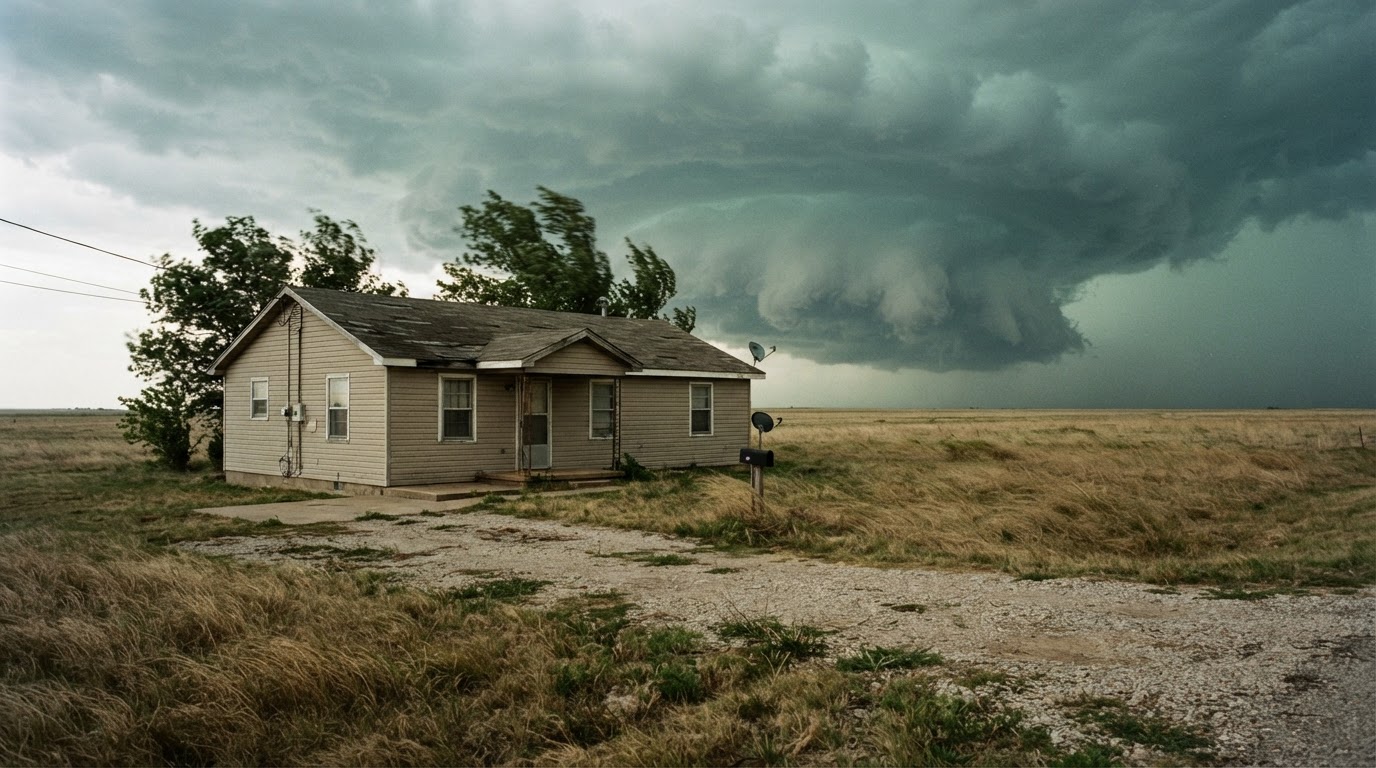
When a tornado warning is issued, every second counts. Your safest location depends on the type of home you live in and its structural features. The National Weather Service and FEMA emphasize that no place is completely safe during a violent tornado, but taking shelter in the right spot can mean the difference between life and death. Below are evidence-based recommendations for different home types.
Single-Family Homes with a Basement
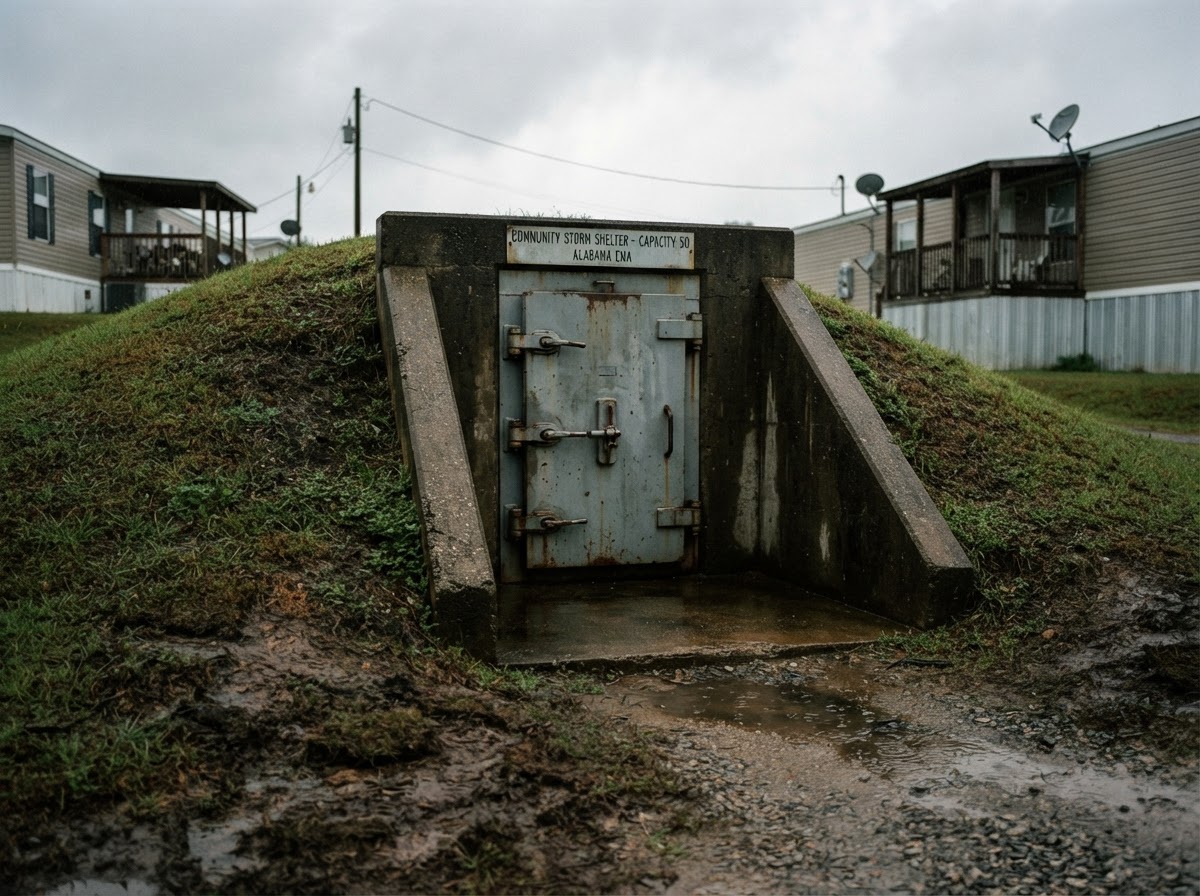
The basement is the safest place in a house with a basement during a tornado. Go to the lowest level, preferably under a sturdy object like a workbench or heavy table. Stay away from windows and exterior doors. If possible, put as many walls between you and the outside as you can. A corner of the basement away from windows is often best because it provides more structural support. For added protection, crouch low and cover your head with your arms, a mattress, or a helmet.
If your basement has a concrete storm shelter or safe room, use it. FEMA recommends that safe rooms be built to withstand winds up to 250 mph. Learn more about FEMA safe rooms.
Single-Family Homes without a Basement
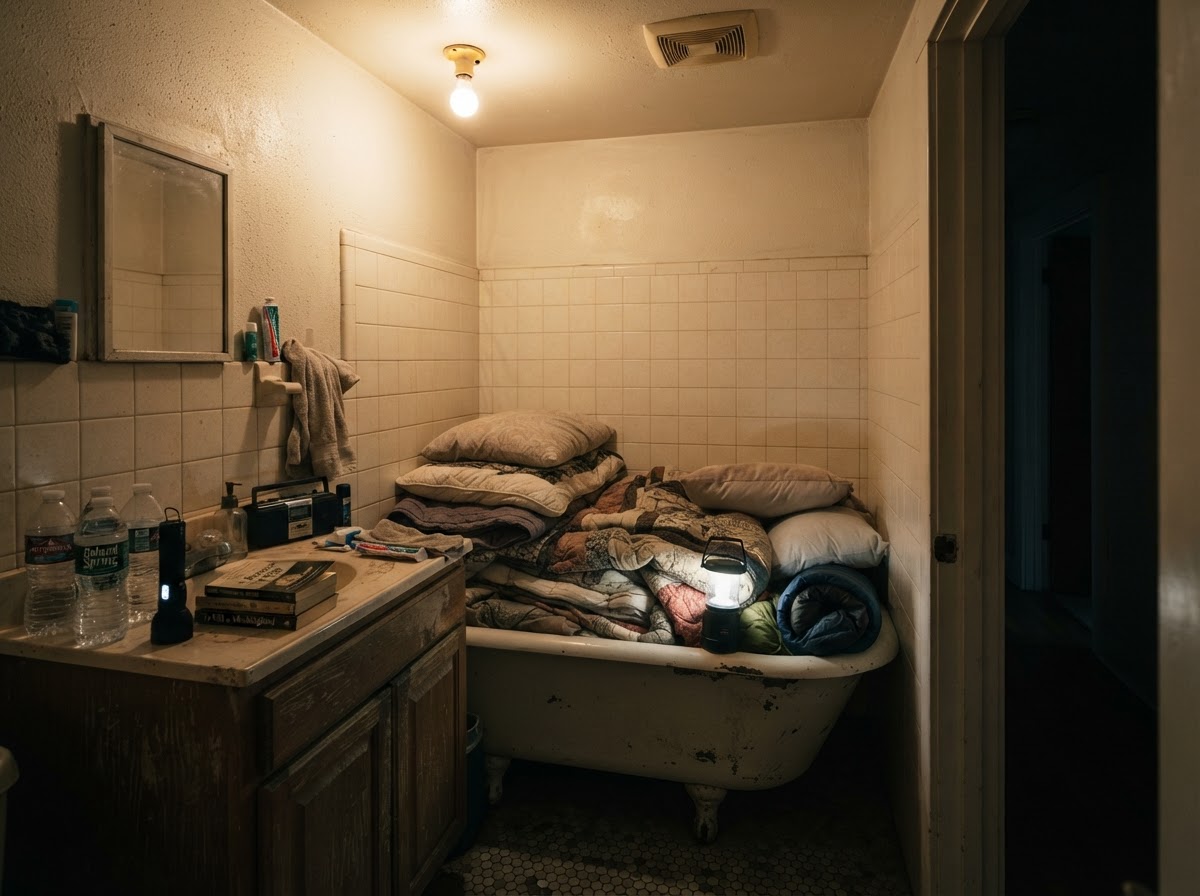
If your house has no basement, go to the lowest floor, preferably a small interior room (like a bathroom, closet, or hallway) on the ground floor. Avoid windows, skylights, and glass doors. The goal is to put as many walls between you and the tornado’s path. An interior room offers the most protection because it is structurally reinforced by surrounding walls and framing. Bathrooms can be good choices because plumbing in the walls provides some additional structural support and cast-iron tubs offer extra protection. Crouch low, cover your head, and use pillows or blankets for padding.
Never stay in a room with windows, a garage, or an exterior wall. Mobile home residents should never stay in their home; see the mobile home section below.
Mobile and Manufactured Homes
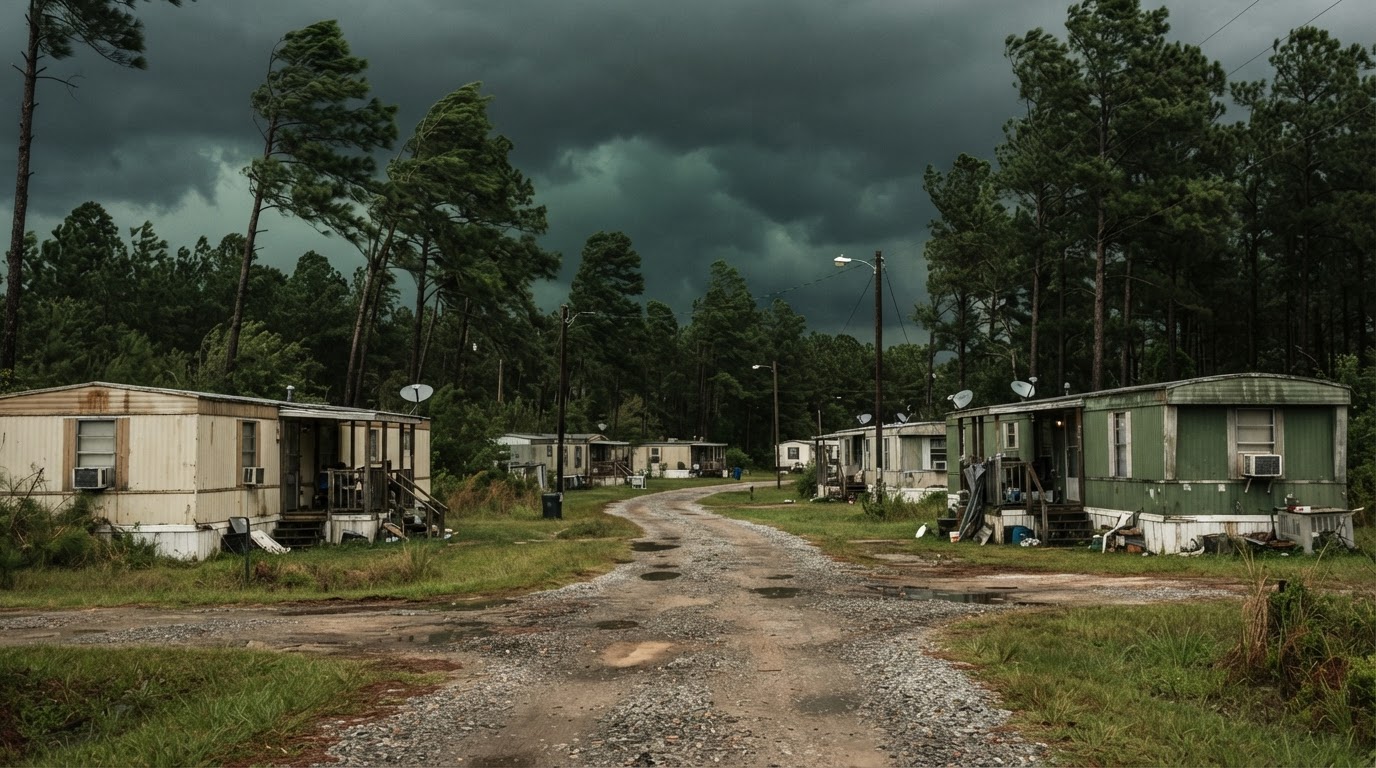
Mobile homes are not safe during a tornado. Even well-anchored mobile homes can be overturned or destroyed by tornado winds. The safest place is a pre-identified storm shelter or community safe room. If no shelter is available, leave the mobile home and find a nearby sturdy building or lie flat in a low-lying area, such as a ditch or culvert, covering your head. Be aware of potential flooding in low spots. FEMA and NOAA stress that evacuating a mobile home is critical. For more details, see the Ready.gov tornado page.
Apartments, Condos, and Multi-Story Buildings
In an apartment or condo, the safest place is the lowest possible floor, in an interior room or hallway without windows. If your building has a basement or underground parking garage, go there. If not, find an interior stairwell or a small room like a bathroom on the lowest floor. Avoid the upper floors and exterior walls. Stay away from windows, which can shatter from debris and flying glass. In a high-rise, it may not be possible to get to the ground floor quickly—if so, move to a small interior room or hallway on a low floor. Crouch low and cover your head.
Homes with a Safe Room or Storm Shelter
A safe room (or storm shelter) built to FEMA guidelines is the best protection. If you have a safe room in or near your home, use it immediately when a tornado warning is issued. Safe rooms can be located inside the home (e.g., a reinforced closet or bathroom) or outside (e.g., a buried shelter). Ensure your safe room is accessible and free of clutter. FEMA recommends that safe rooms be equipped with a weather radio, flashlight, and first aid kit. More information on constructing safe rooms: FEMA Safe Room Resources.
General Tips for All Home Types
- Stay low – Crouch as low as possible to the floor, facing down, and cover your head with your hands, a blanket, or a mattress.
- Wear helmets – Bicycle or motorcycle helmets can protect against head injuries from falling debris.
- Avoid windows – Flying glass is a leading cause of injury.
- Use a weather radio – Have a NOAA Weather Radio with battery backup to receive warnings.
- Practice drills – Review your shelter plan with family members so everyone knows where to go.
- Never try to outrun a tornado – It's safer to shelter in place than to get in a vehicle.
Conclusion
Knowing the safest place in your home for tornado sheltering is a critical part of severe weather preparedness. Regardless of your home type, the principles are: go to the lowest floor, put as many walls between you and the outside as possible, and protect your head and neck. Take time now to identify your shelter location and practice your plan. For more detailed guidance, visit NOAA's tornado safety page or Ready.gov.
About our guidance
Our guides are grounded in publicly available information from official sources such as FEMA, NOAA, USGS and Ready.gov. Information is general in nature — always verify details for your specific property and policy with official sources and your insurer.
Keep exploring
Related guides
 Mobile Home Tornado Safety: What Actually WorksMobile homes are particularly vulnerable to tornadoes. Learn the proven strategies that save lives, based on official guidance…Jun 21, 2026Read guide →
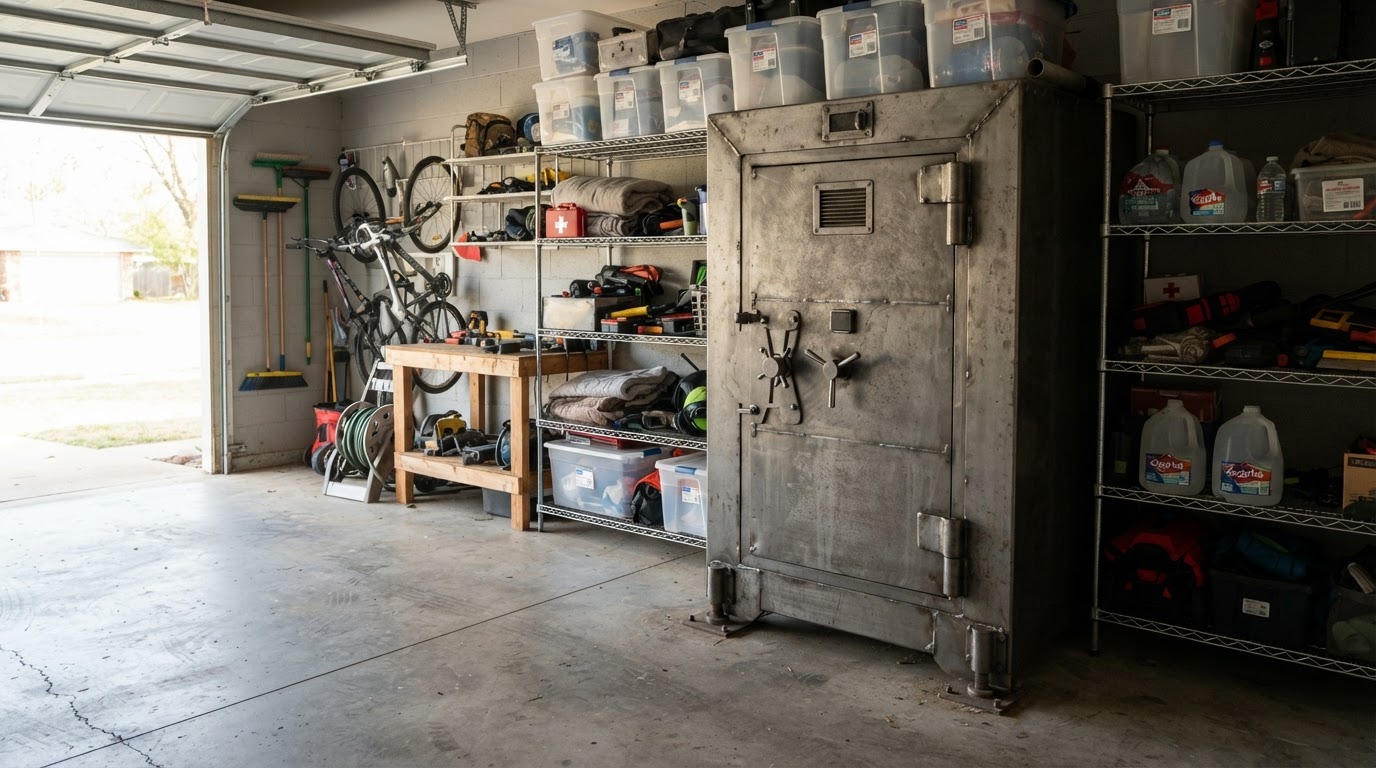 Tornado Safe Room vs Storm Shelter: Costs & Options for HomeownersLearn the key differences between tornado safe rooms and storm shelters, including costs, installation options, and FEMA…Jun 21, 2026Read guide →
 InsuranceLender-Placed Flood Insurance: The Expensive Backup If Your Policy LapsesYour lender can force-place flood insurance if your policy lapses — and bill you for it, usually at a higher price. Here is how…Oct 15, 2026Read guide →