
Stop Ice Dams: Essential Prevention Tips for Your Roof
3 min read
On this page
Ice dams can cause costly damage to your home. Learn how to prevent them with proper insulation, ventilation, and smart home maintenance strategies recommended by FEMA and other official sources.
What Are Ice Dams and Why Are They Dangerous?
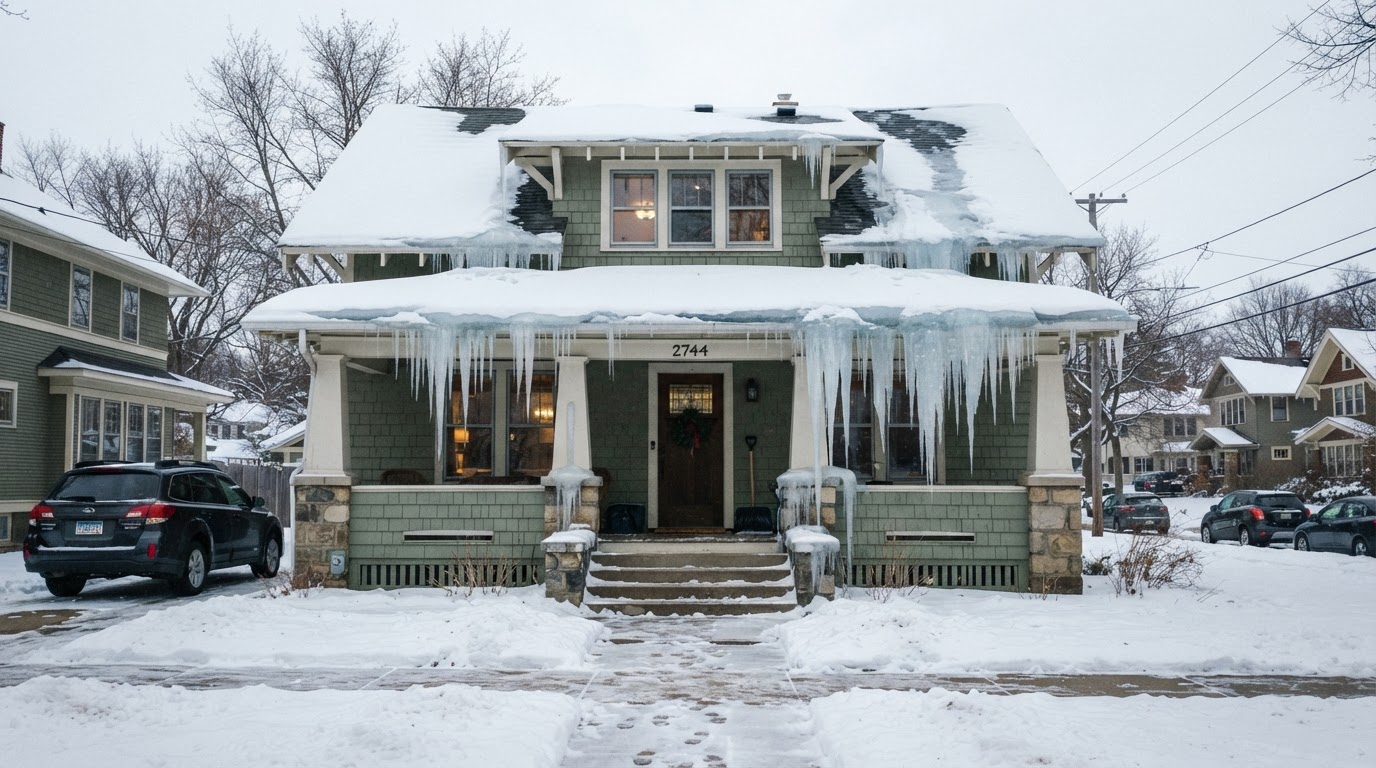
Ice dams are ridges of ice that form at the edge of a roof, preventing melting snow from draining off. Water backs up behind the dam and can leak into your home, damaging walls, ceilings, insulation, and even leading to mold growth. According to FEMA building science, ice dams are a common winter hazard in many U.S. regions, especially after heavy snowfall followed by freezing temperatures.
The Science Behind Ice Dams
Ice dams form when heat from your attic warms the roof deck, melting snow on the upper slopes. The water runs down to the colder eaves, where it refreezes. This cycle creates a dam that traps more water. The key to prevention is keeping the entire roof cold, so snow melts evenly or not at all.
Prevention Strategies
1. Improve Attic Insulation
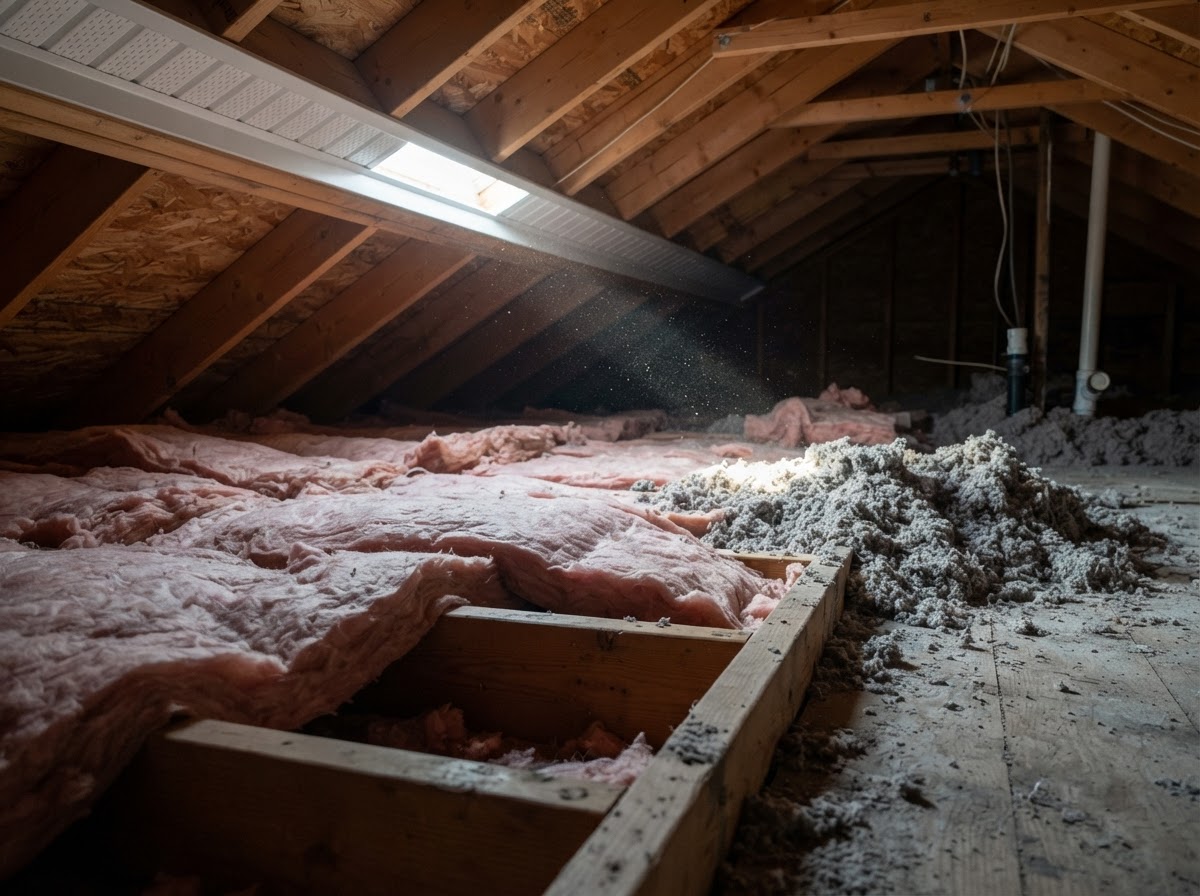
Proper insulation prevents warm air from escaping into the attic. The Ready.gov winter weather page recommends sealing air leaks and adding sufficient insulation to keep attic temperature close to the outside. Use materials like fiberglass, cellulose, or spray foam. Aim for at least R-49 in most climates (check Energy Star guidelines).
2. Ensure Adequate Attic Ventilation
Ventilation helps remove any heat that escapes into the attic. Install intake vents at the soffits and exhaust vents at the ridge or gable. The Federal Emergency Management Agency (FEMA) best practices for ice dam protection emphasizes a balanced system: one square foot of vent area per 300 square feet of attic floor.
3. Seal Penetrations and Ductwork
Common air leaks include recessed lights, attic hatches, plumbing vents, and duct boots. Use caulk, weatherstripping, or expanding foam to seal gaps. Insulate ductwork running through the attic to prevent heat loss.
4. Keep Gutters Clean
Clean gutters allow melted water to flow freely. Leaves and debris can create dams that reinforce ice formation. The National Weather Service (NWS winter safety page) advises cleaning gutters before winter and installing gutter guards if needed.
5. Use a Roof Rake
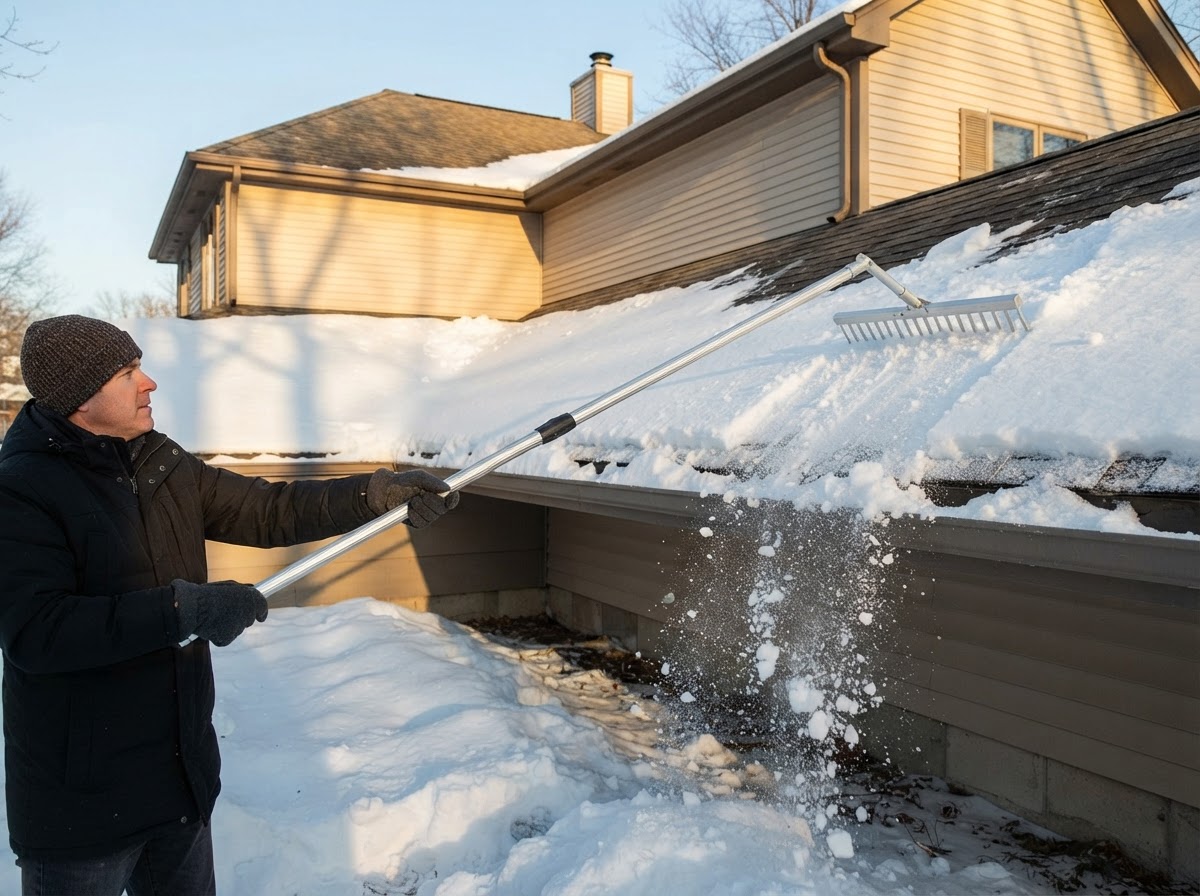
After a snowfall, carefully remove snow from the roof edge using a roof rake (long-handled tool). Avoid damaging shingles. This removes the fuel for ice dams. The CDC winter weather tips recommend this as a safe practice.
6. Install Heat Cables (If Necessary)
In extreme cases, electric heat cables along the eaves can create channels for water to drain. Use only UL-listed products and follow manufacturer instructions. However, FEMA notes this is a temporary fix; permanent solutions involve insulation and ventilation.
What Not to Do
- Never use salt or ice melt on your roof – these can corrode metal components and contaminate runoff.
- Avoid chipping ice dams aggressively – you may damage shingles and create leaks.
- Don't rely solely on heat cables – they increase energy use and may fail.
What to Do If You Already Have an Ice Dam
If you discover an ice dam that's causing a leak, consider contacting a professional for safe removal. Some companies use steam to melt channels. In the meantime, use a fan in your attic to blow cold air on the underside of the roof, which can help freeze the dam and stop additional water from entering.
Conclusion: A Cold Roof Is Your Best Defense
Preventing ice dams is about keeping your roof cold by stopping heat from escaping into the attic. Focus on insulation, ventilation, and air sealing. These upgrades not only prevent ice dams but also improve energy efficiency and reduce heating costs. For more detailed guidance, visit Energy Saver or consult your local building department. Take action before the next storm – your roof and wallet will thank you.
About our guidance
Our guides are grounded in publicly available information from official sources such as FEMA, NOAA, USGS and Ready.gov. Information is general in nature — always verify details for your specific property and policy with official sources and your insurer.
Keep exploring
Related guides
 Safe Backup Heating for Winter Power Outages: Expert TipsLearn how to stay warm safely during a winter power outage with backup heating options recommended by FEMA, Ready.gov, and the…Jun 21, 2026Read guide →
 Prevent Frozen and Burst Pipes This WinterFrozen pipes can burst and cause costly water damage. Learn practical steps from FEMA and Ready.gov to protect your home before,…Jun 21, 2026Read guide →
 InsuranceLender-Placed Flood Insurance: The Expensive Backup If Your Policy LapsesYour lender can force-place flood insurance if your policy lapses — and bill you for it, usually at a higher price. Here is how…Oct 15, 2026Read guide →