
Storm-Proof Your Yard: Prep for Severe Thunderstorm Season
4 min read
On this page
Learn how to secure loose items, trim trees, and improve drainage to protect your property from high winds, hail, and heavy rain—based on official guidance from FEMA and NOAA.
Why Yard Prep Matters Before Severe Storms
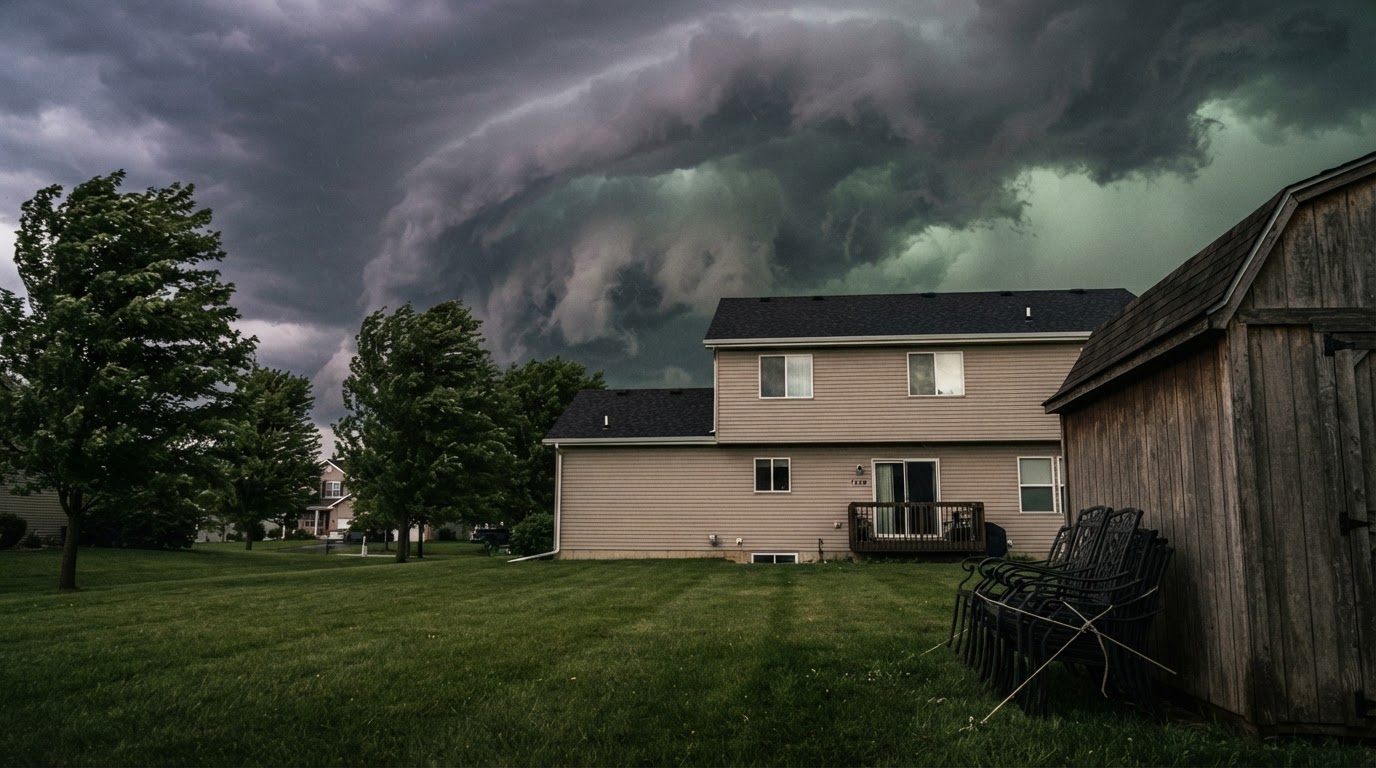
Severe thunderstorms bring high winds, hail, and heavy rain that can turn everyday yard items into dangerous projectiles. According to Ready.gov, taking simple steps before storm season can prevent damage to your home and injury to your family. This article outlines practical, government-backed advice to storm-proof your yard, focusing on securing loose objects, tree maintenance, and drainage improvements.
1. Secure Loose Items (The #1 Cause of Yard Damage)
FEMA's Wind Retrofit Guide emphasizes that unsecured items become debris in high winds. Walk your yard and identify anything that could be picked up by wind:
- Patio furniture: Bring lightweight chairs, tables, and umbrellas inside. For heavier pieces, use straps or anchors.
- Grills and fire pits: Disconnect propane tanks and store them in a shed or garage. Secure grills with covers and tie-downs.
- Lawn tools and toys: Store bicycles, lawnmowers, and children's toys in a locked shed or garage. Even small items like garden hoses can be whipped by wind.
- Potted plants and decorations: Move potted plants indoors or to a sheltered area. Securely anchor wind chimes, flags, and yard art.
- Trash and recycling cans: Store bins in a garage or shed, or tie them to a fixed structure.
2. Prune Trees and Remove Dead Limbs
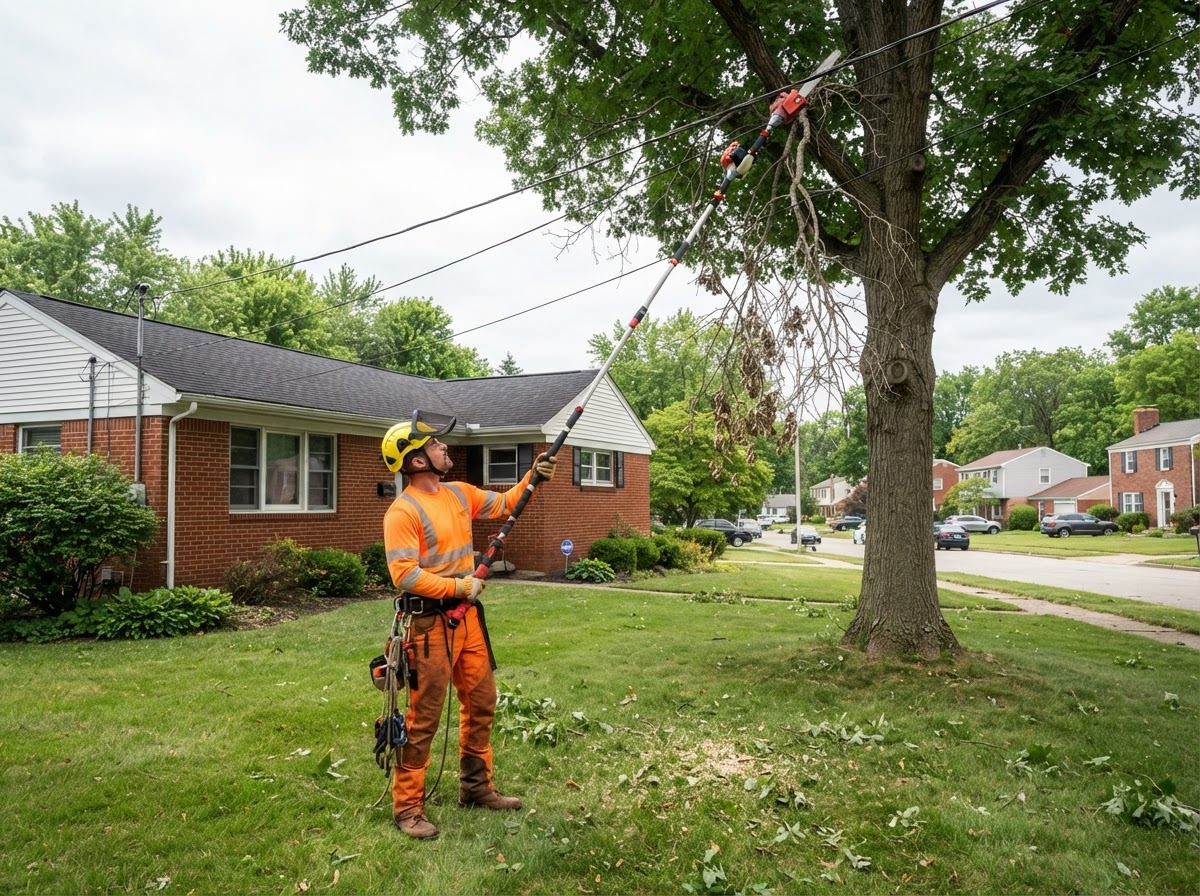
According to USDA guidance, properly pruned trees are less likely to break during storms. NOAA's National Weather Service also warns that damaged trees attract lightning. Follow these steps:
- Inspect trees annually: Look for dead, dying, or weakly attached branches. Hire a certified arborist for large trees.
- Prune with purpose: Remove branches that overhang your house, shed, or power lines. Keep trees trimmed to allow wind to pass through the canopy.
- Watch for hazards: Trees with cracks, splits, or decay near the trunk may need removal. FEMA recommends consulting a professional if you're unsure.
- Dispose of debris: Properly chip or remove pruned branches so they don't become projectiles.
3. Improve Drainage to Prevent Flooding
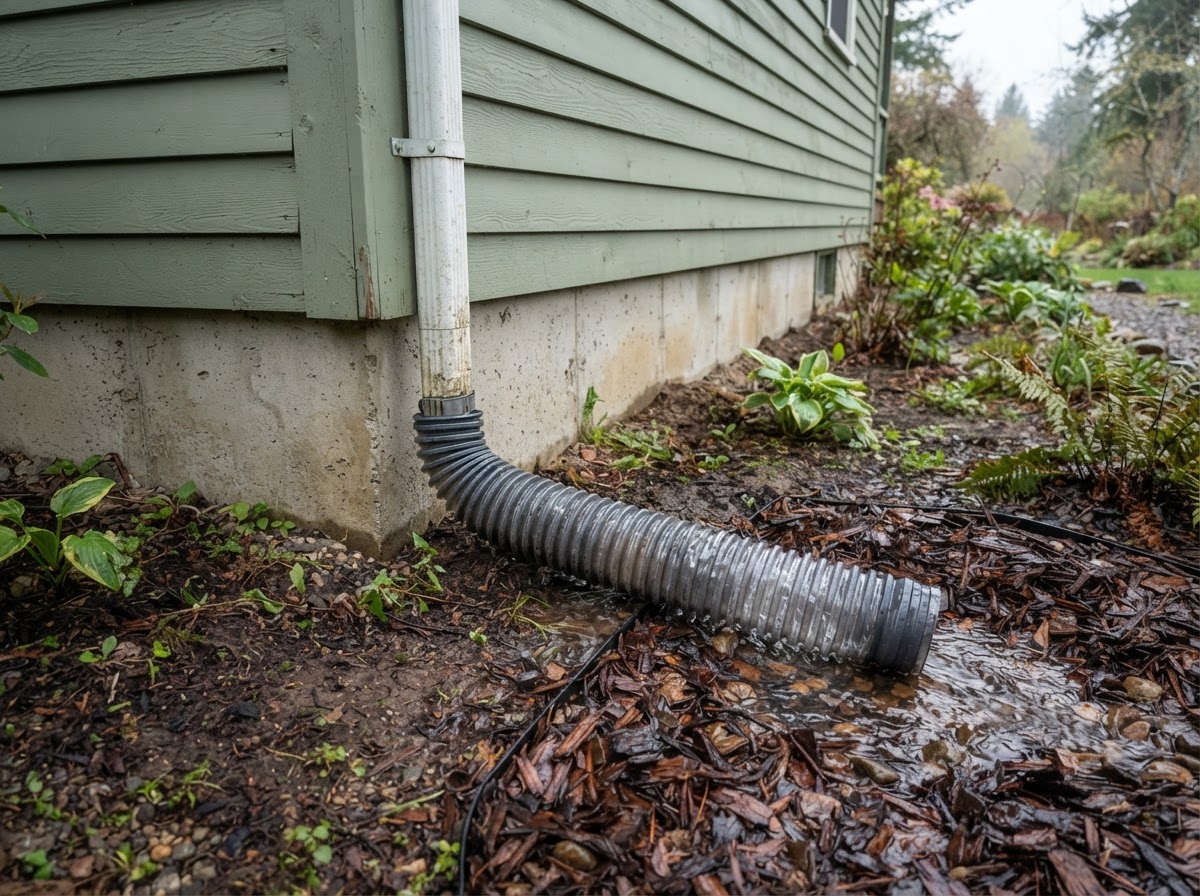
Heavy rain often accompanies severe thunderstorms. The CDC's Storm Preparedness page notes that clogged gutters and poor grading can lead to basement flooding. Take these measures:
- Clean gutters and downspouts: Remove leaves and debris so water flows freely. Extend downspouts at least 5 feet from the foundation.
- Grade your yard: Ensure the ground slopes away from the house. Fill low spots where water pools.
- Install French drains or swales: If water collects in certain areas, consider a drainage system to redirect it.
- Check sump pump: If you have a basement, test your sump pump before storm season and consider a backup battery.
4. Secure Outdoor Structures and Fences
FEMA's Retrofit guidance applies to thunderstorm winds too. Check your:
- Fences: Inspect posts for rot or rust. Replace loose boards and tighten hardware. Consider wind-resistant designs like spaced pickets.
- Sheds and playhouses: Anchor them to concrete footings or ground anchors. Many sheds are sold with anchors that are never used—install them.
- Pergolas and arbors: Ensure they are bolted or anchored. Remove cloth covers in high winds.
- Dog houses and pet shelters: Secure them so they don't blow away; bring pets inside during storms.
5. Prepare for Hail
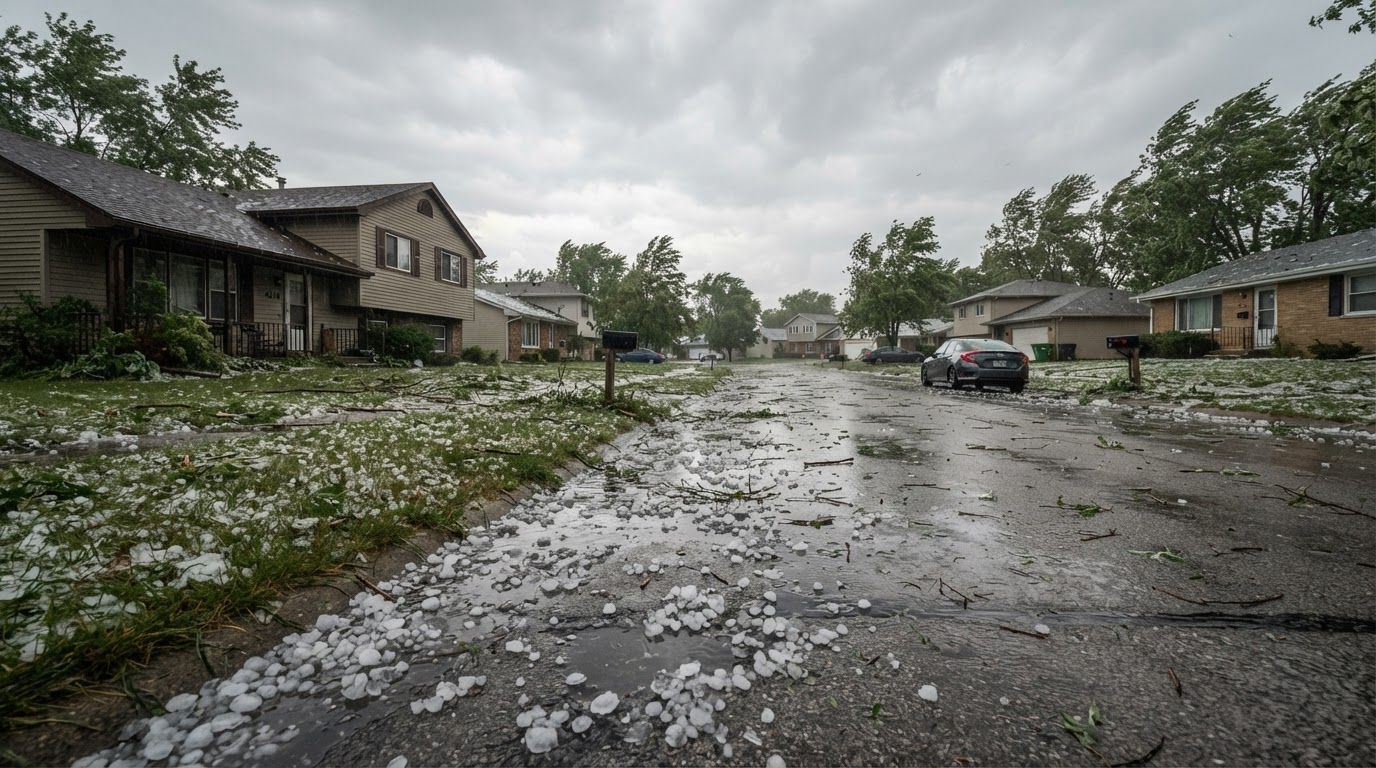
Hail can damage cars, roofs, and plants. The National Weather Service recommends taking cover during hail. Before the season:
- Protect vehicles: Park in a garage or under a carport. If unavailable, use a thick hail blanket or cover.
- Shield gardens: Row covers or netting can protect vegetable gardens. For larger plants, consider hail cloth.
- Inspect your roof: Check for loose shingles or tiles that could be more easily breached by hail. Ready.gov offers a home disaster checklist.
6. Create a Storm-Ready Yard Maintenance Routine
Incorporate these tasks into your seasonal checklists:
- Spring: Prune trees, test sump pump, inspect roof, and secure loose items.
- Before each storm: Watch forecasts at weather.gov. Bring in or tie down any loose items.
- After a storm: Check for damage, remove fallen branches, and document for insurance.
Conclusion
Storm-proofing your yard doesn't require expensive contractors—just a few hours of proactive work each season. By securing loose items, maintaining trees, improving drainage, and anchoring structures, you reduce the risk of damage and injury. For more comprehensive guidance, visit Ready.gov's thunderstorm page or your local emergency management office. Start today, before severe thunderstorm season arrives.
About our guidance
Our guides are grounded in publicly available information from official sources such as FEMA, NOAA, USGS and Ready.gov. Information is general in nature — always verify details for your specific property and policy with official sources and your insurer.
Keep exploring
Related guides
 Lightning Protection for Homes: Myths and FactsLightning strikes cause billions in property damage each year. Learn common myths and evidence-based facts to protect your home…Jun 21, 2026Read guide →
 Hail Damage to Your Roof: Inspection Steps and Insurance TipsLearn how to inspect your roof for hail damage and navigate the insurance claim process with confidence. This guide provides…Jun 21, 2026Read guide →
 InsuranceLender-Placed Flood Insurance: The Expensive Backup If Your Policy LapsesYour lender can force-place flood insurance if your policy lapses — and bill you for it, usually at a higher price. Here is how…Oct 15, 2026Read guide →