
Storm Surge vs Flooding: Key Differences for Your Home
5 min read
On this page
Storm surge and flooding are often confused, but they pose different risks to your home. Learn the distinctions, how to prepare, and what insurance covers.
Understanding the Basics: Storm Surge vs. Flooding
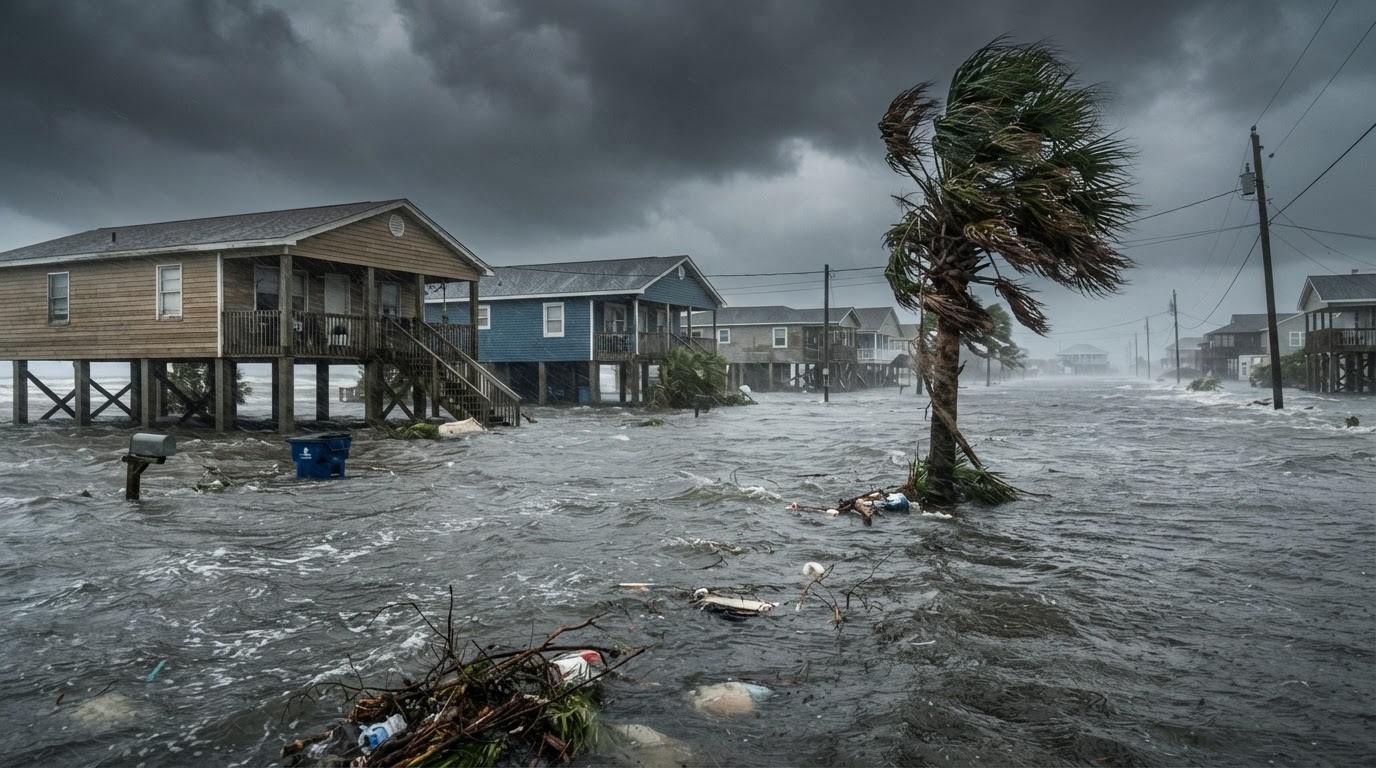
When a hurricane or tropical storm threatens, two terms dominate the news: storm surge and flooding. While both involve water inundation, they are distinct phenomena with different causes, characteristics, and risks to your home. Understanding these differences is critical for proper preparation, safety, and insurance coverage.
What Is Storm Surge?
Storm surge is the abnormal rise of water generated by a storm's winds pushing water toward the shore. According to the National Hurricane Center (NOAA), storm surge is often the greatest threat to life and property during a hurricane. It can raise water levels by 20 feet or more, depending on storm intensity, forward speed, and coastal topography. Storm surge is measured as the height of water above the normal predicted astronomical tide.
Key characteristics:
- Rapid onset – surge can occur within hours or even minutes as the storm makes landfall.
- Short duration – typically lasts a few hours, receding as the storm moves inland.
- Highly localized – the worst surge is usually to the right of the storm's eye (in the Northern Hemisphere).
- Extreme force – moving water can erode beaches, undermine structures, and carry debris at high speeds.
What Is Flooding?
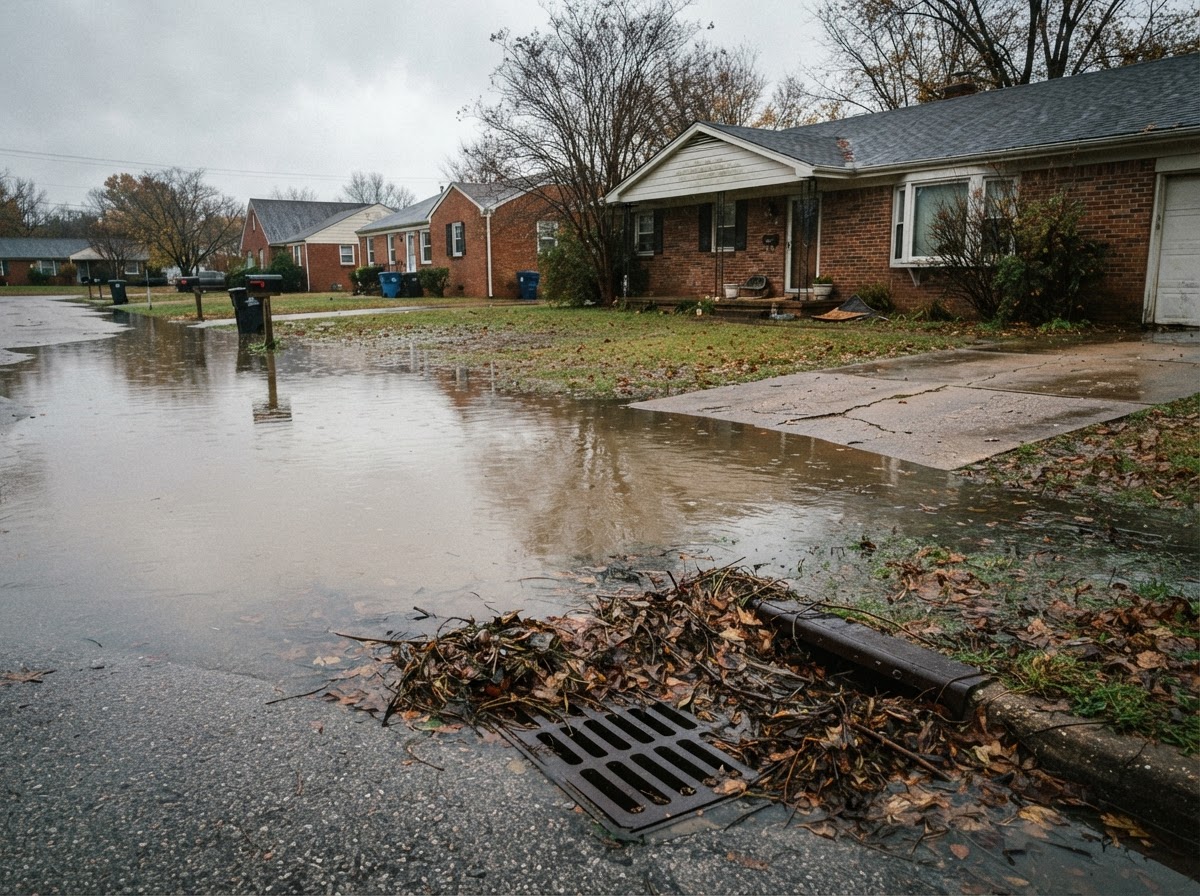
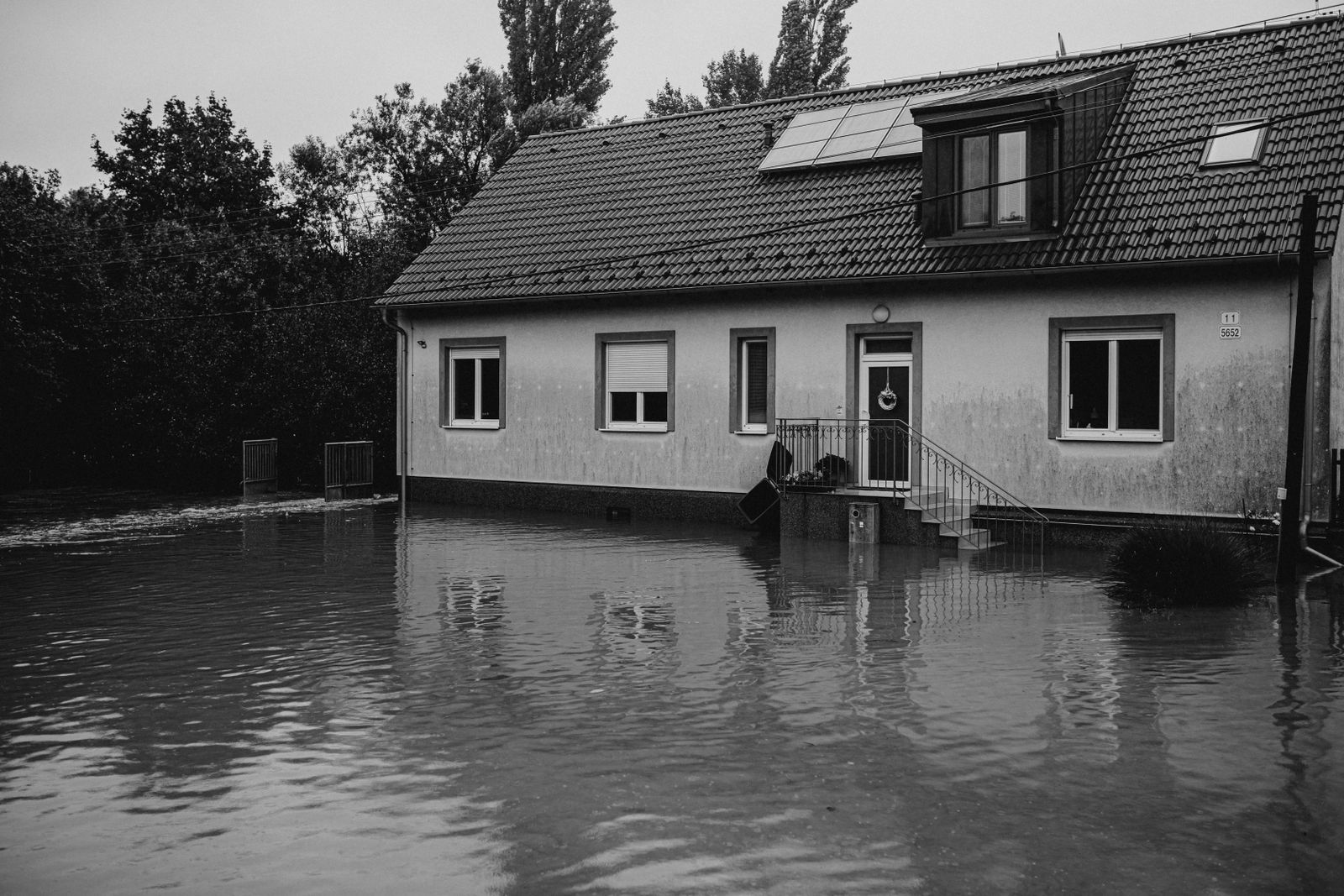
Flooding is the overflow of water onto normally dry land. It can be caused by heavy rainfall (including from hurricanes), overflowing rivers, stormwater runoff, or broken dams. Unlike storm surge, flooding is not necessarily tied to coastal storms. The Federal Emergency Management Agency (FEMA) defines flood zones based on the likelihood of inundation from rivers, streams, or rainfall.
Key characteristics:
- Slower onset – riverine flooding can develop over days, while flash flooding from heavy rain can occur in minutes.
- Longer duration – floodwaters can persist for days or weeks, especially in low-lying areas.
- Widespread – can affect large regions inland, far from the coast.
- Variable depth – from a few inches to dozens of feet, depending on terrain and rainfall intensity.
Why the Distinction Matters for Homeowners
Both storm surge and flooding can destroy homes, but the risks and preparation strategies differ. Understanding which hazard is more likely in your area is essential for insurance, evacuation planning, and mitigation measures.
Insurance Coverage
Standard homeowners insurance policies do not cover damage from flooding or storm surge. You need a separate flood insurance policy, typically through the National Flood Insurance Program (NFIP) administered by FEMA. However, storm surge is considered a form of flooding under NFIP policies, so the same flood insurance covers both storm surge and rainfall-driven flooding. But note: if you only have a standard policy, you are not covered for either. Check with your insurance provider.
Evacuation Decisions
Storm surge can be life-threatening because it rises quickly and can trap people in their homes. Local officials issue evacuation orders based on storm surge risk zones. The Ready.gov website advises knowing your evacuation zone and having a plan. For inland flooding, especially flash flooding, you may have less warning but should never drive or walk through floodwaters.
Mitigation Measures
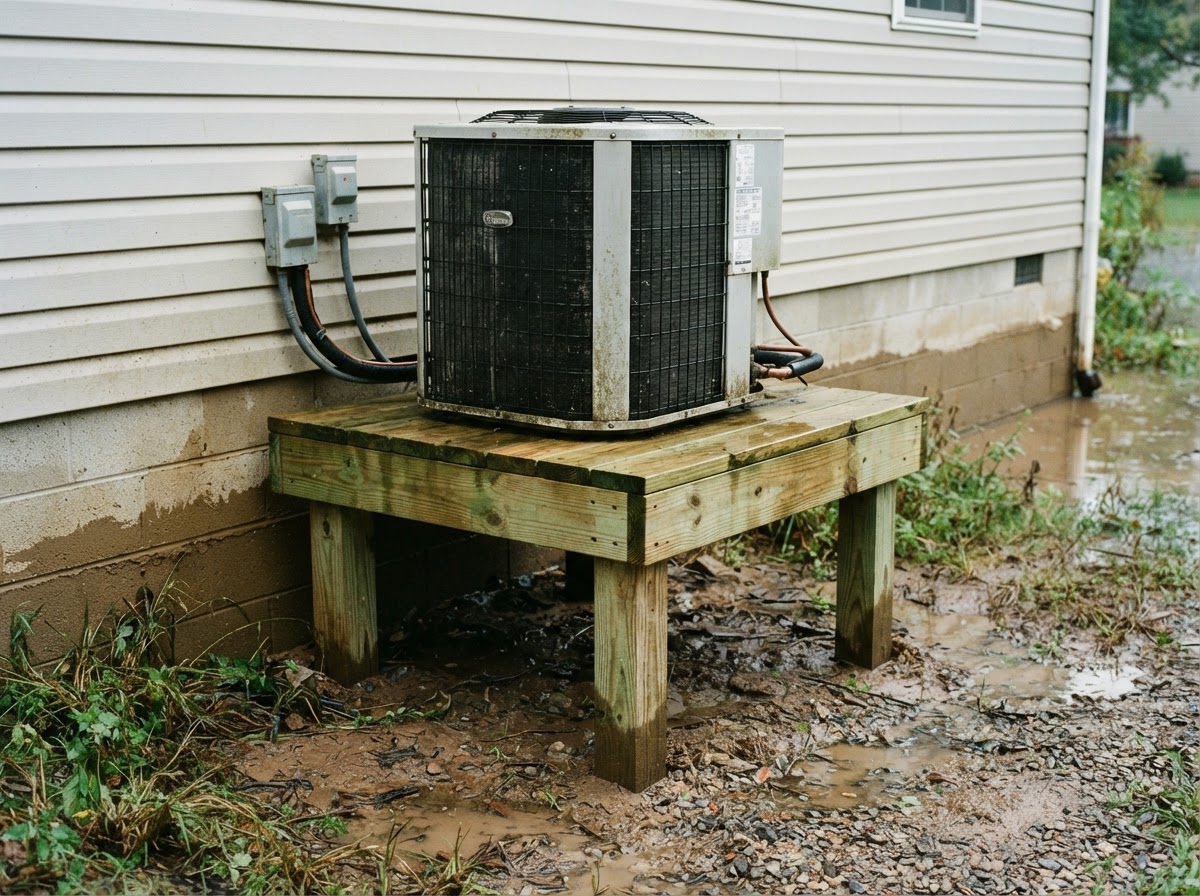
To protect against storm surge, structural measures like elevation of the home, flood vents, and breakaway walls may be required in coastal high-hazard areas (V zones on FEMA flood maps). For general flooding, techniques include elevating utilities, installing sump pumps, and using sandbags. The FEMA Building Science branch provides guidance for both.
How to Assess Your Risk
Start by checking your home’s flood zone designation on FEMA’s Map Service Center. Flood hazard maps show zones labeled A, AE, V, VE, etc. Generally, V zones are coastal areas subject to wave action and storm surge, while A zones are inland areas at risk for flooding. However, even homes in moderate- to low-risk zones can flood. Also, use NOAA’s Storm Surge Risk Maps to see if your area is vulnerable to surge.
The National Risk Index from FEMA can provide a community-level risk rating for both coastal flooding (including storm surge) and riverine flooding. This tool helps you understand the likelihood and consequences of each hazard in your county.
Actionable Steps to Protect Your Home
- Know your flood risk. Review FEMA flood maps and local hazard mitigation plans.
- Purchase flood insurance. Even if you are not in a high-risk zone, consider it. Floods can happen anywhere.
- Elevate critical systems. Raise electrical panels, HVAC equipment, and appliances above potential flood levels.
- Install flood barriers. For doors and windows, consider removable barriers or sandbags for smaller threats.
- Waterproof basements and foundations. Apply sealants and install sump pumps with battery backup.
- Maintain gutters and drainage. Ensure water flows away from your home’s foundation.
- Create an emergency plan. Identify evacuation routes for storm surge and safe spots for flash flooding. Visit Ready.gov/plan for templates.
Conclusion
Storm surge and flooding are both destructive, but they come from different sources and require tailored preparation. By understanding the differences, you can better protect your home and family. Check your flood risk, purchase appropriate insurance, and implement mitigation measures specific to your area’s hazard. For most homeowners, the single most important step is to buy flood insurance – because whether it’s surge from a hurricane or rain from a thunderstorm, flood damage is rarely covered by standard policies. Stay informed through official sources like NOAA, FEMA, and your local emergency management office.
About our guidance
Our guides are grounded in publicly available information from official sources such as FEMA, NOAA, USGS and Ready.gov. Information is general in nature — always verify details for your specific property and policy with official sources and your insurer.
Related guides
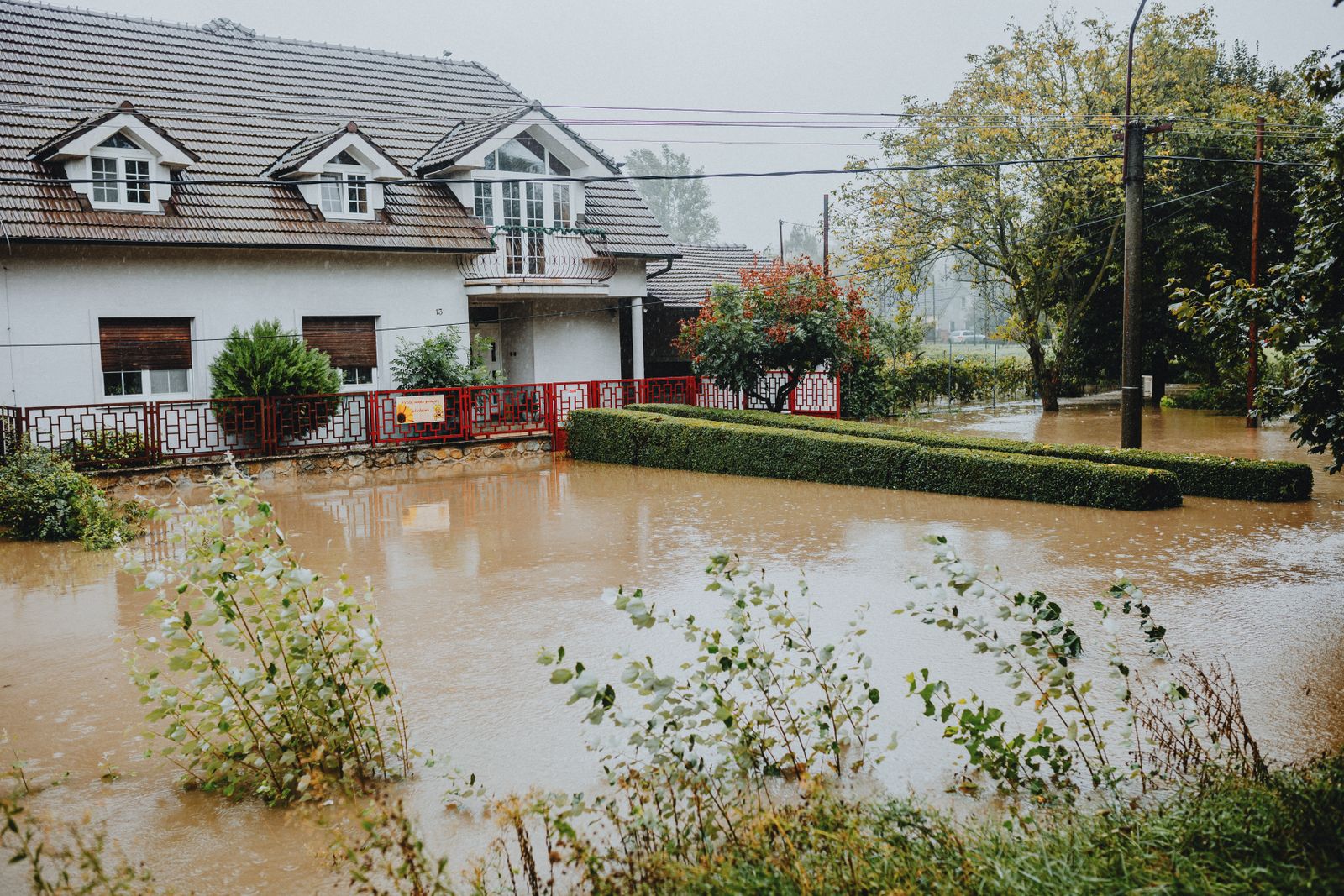 InsuranceLender-Placed Flood Insurance: The Expensive Backup If Your Policy LapsesYour lender can force-place flood insurance if your policy lapses — and bill you for it, usually at a higher price. Here is how…Oct 15, 2026Read guide →
 InsuranceWhat Happens to Your NFIP Policy If Congress Lets the Program LapseCongress extended the NFIP through December 11, 2026. If the program lapses, existing policies stay in force and claims get paid…Oct 15, 2026Read guide →
 InsuranceExcess Flood Insurance: Coverage Above NFIP's $250,000 LimitThe NFIP caps flood coverage at $250,000 for the building and $100,000 for contents. If your home would cost more to rebuild,…Oct 15, 2026Read guide →