
Sump Pump Failure & Water Backup: What Insurance Covers
4 min read
On this page
- Understanding Standard Homeowners Insurance
- What Is Not Covered by Standard Policies?
- How to Get Coverage: Endorsements and Riders
- Flood Insurance vs. Water Backup Coverage
- Practical Steps to Prevent Sump Pump Failure
- What to Do If You Experience a Water Backup or Sump Pump Failure
- Conclusion: Protect Your Home from Sump Pump and Water Backup Risks
Sump pump failure and water backup can lead to costly basement flooding. Understand what standard homeowners insurance covers and what endorsements you may need to protect your home.
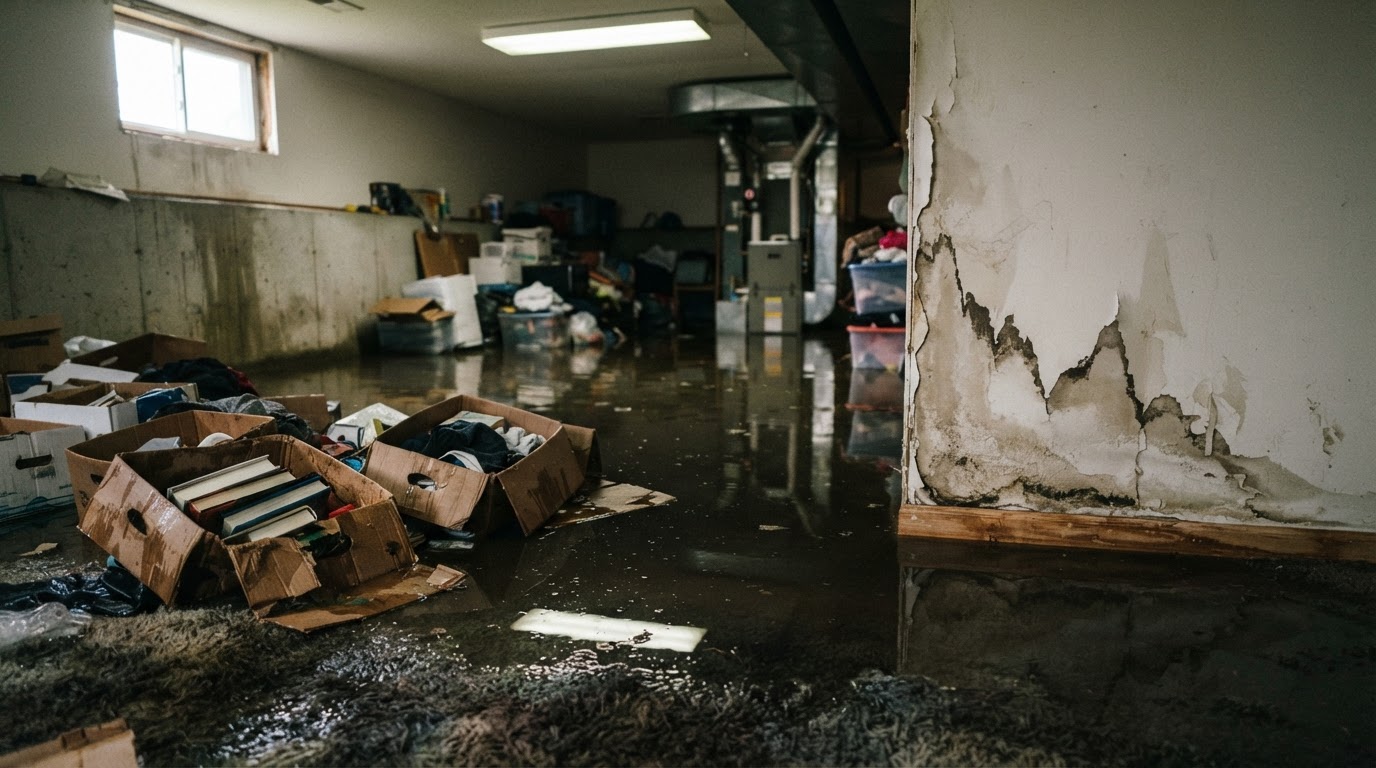
When your sump pump fails or water backs up through drains, the resulting flood can damage floors, walls, personal belongings, and even your home's foundation. Many homeowners assume their insurance will cover these losses, but the reality is more nuanced. This article explains what typical homeowners policies cover, what they exclude, and how you can fill coverage gaps using official guidance from federal agencies like FEMA and the National Flood Insurance Program (NFIP).
Understanding Standard Homeowners Insurance
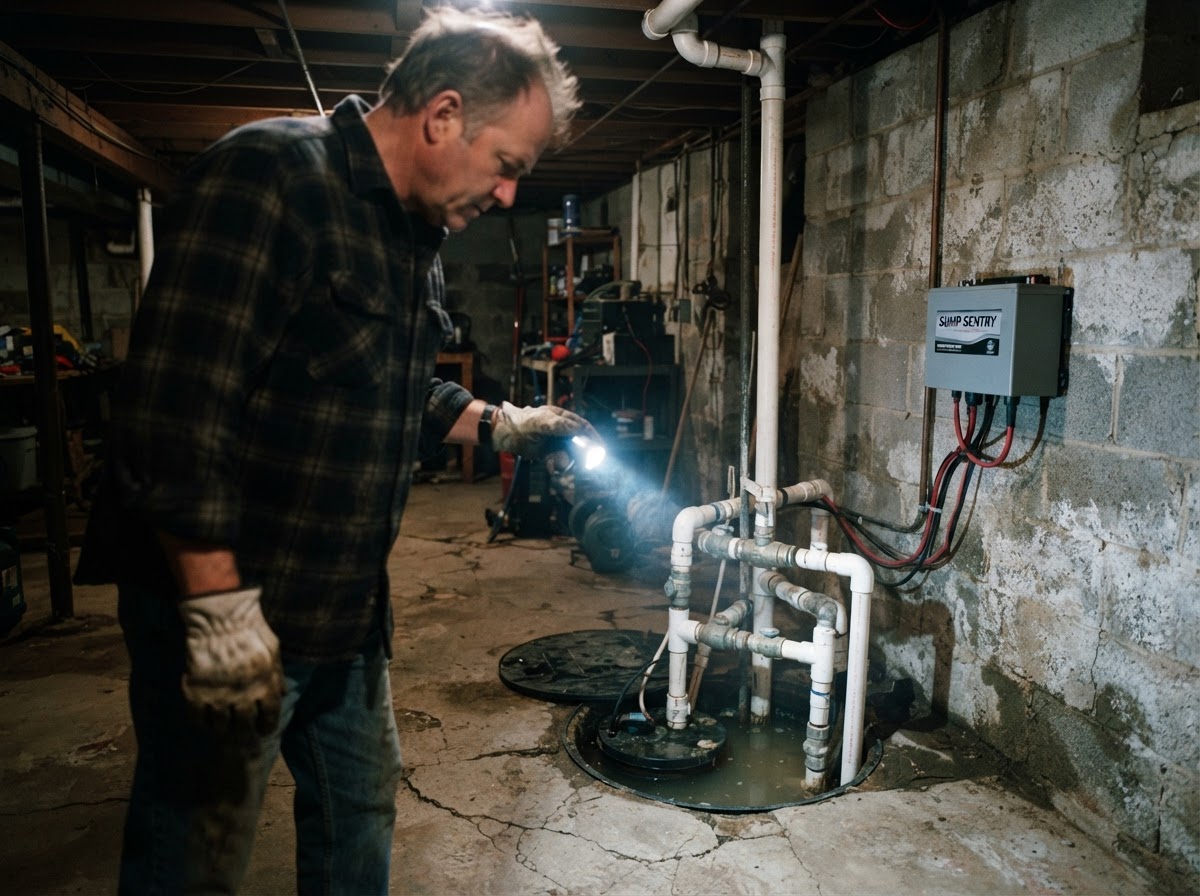
Standard homeowners insurance (HO-3 policies) covers sudden and accidental water damage from certain sources, such as a burst pipe or an appliance overflow. However, water damage from sump pump failure or sewer or drain backup is almost always excluded from the basic policy. The Insurance Information Institute (III) confirms that these scenarios require a separate endorsement or rider.
What Is Not Covered by Standard Policies?
Typical exclusions in a standard homeowners policy include:
- Sump pump failure – If the pump stops working due to a power outage, mechanical breakdown, or being overwhelmed, resulting water damage is not covered.
- Sewer or drain backup – Water that enters your home from outside drains, sewers, or septic systems is excluded unless you have added coverage.
- Groundwater seepage – Gradual leakage through basement walls or floors due to hydrostatic pressure is not covered.
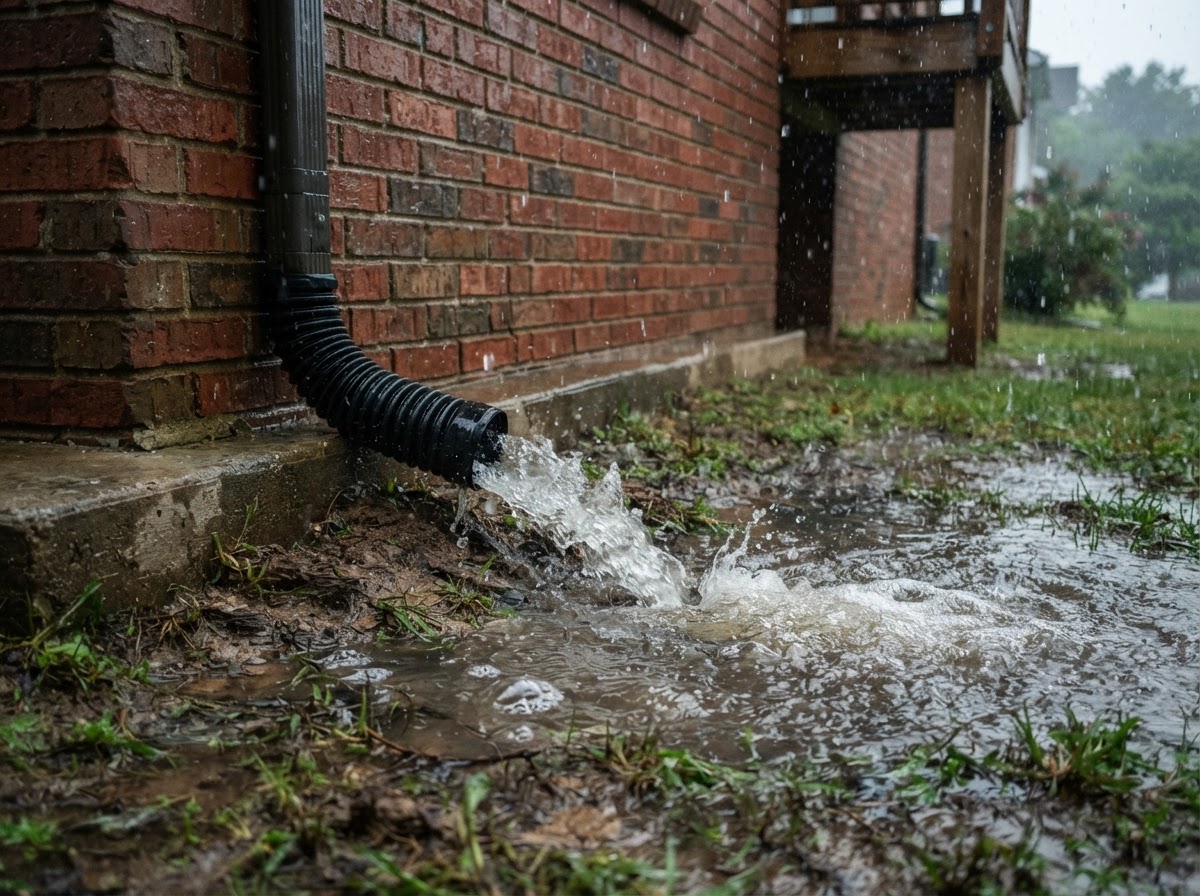
- Flooding from natural causes – Water entering from rivers, heavy rain, or storm surge is covered only by a separate flood insurance policy, as per FEMA's NFIP.
How to Get Coverage: Endorsements and Riders
To protect against sump pump failure and water backup, you can add endorsements to your standard policy. Key options include:
- Water Backup and Sump Pump Overflow Coverage – This endorsement covers damage caused by water that backs up through sewers or drains, or from a sump pump that fails or overflows. The III recommends this coverage for homes with basements or below-grade rooms.
- Service Line Coverage – Some insurers offer coverage for repairs to underground pipes (like sewer lines) that might cause backups. This is separate from water damage coverage but can prevent the root cause.
Check with your insurance agent to see if these are available. The Ready.gov website also advises homeowners to review their policies annually and understand exclusions.
Flood Insurance vs. Water Backup Coverage
Many homeowners confuse water backup coverage with flood insurance. They protect against different causes:
- Flood insurance (NFIP) covers damage from natural flooding events, like heavy rain, storm surge, or overflowing rivers. It does NOT cover sewer backups unless the backup was directly caused by a flood. See FEMA's NFIP coverage details.
- Water backup endorsement covers backups from drains, sewers, or sump pump failures, regardless of whether a flood caused them. It does NOT cover general flooding.
If you live in a flood zone, you need both flood insurance and a water backup endorsement for full protection. Homes outside high-risk flood zones can still benefit from flood insurance; about 20% of NFIP claims come from moderate-to-low risk areas.
Practical Steps to Prevent Sump Pump Failure
While insurance can pay for damages, preventing failure is even better. Follow these tips from the Ready.gov basement flooding guide:
- Test your sump pump regularly by pouring water into the pit to ensure the float switch activates the pump.
- Install a backup sump pump, such as one powered by a battery or water pressure. Battery backups are especially helpful during power outages.
- Clean the pump inlet screen and discharge line to prevent clogs.
- Consider a secondary power source like a generator for extended outages.
- Ensure the discharge pipe drains away from your foundation (at least 10 feet) and does not freeze in winter.
What to Do If You Experience a Water Backup or Sump Pump Failure
- Stop the water source if possible – Turn off the sump pump or clear the clog if safe.
- Mitigate further damage – Remove water with a wet/dry vacuum or pump, move furniture to dry areas, and use fans/dehumidifiers. The CDC recommends drying affected areas within 24-48 hours to prevent mold.
- Document the damage – Take photos and videos before cleaning.
- Contact your insurance agent – File a claim for water backup or sump pump coverage if you have the endorsement. For flood-related events, file a flood claim under your NFIP policy.
- Keep records – Save receipts for repairs, temporary housing, and cleaning supplies.
Conclusion: Protect Your Home from Sump Pump and Water Backup Risks
Standard homeowners insurance does not cover sump pump failure or water backup, but affordable endorsements can fill the gap. Review your policy today with your agent, ask about adding water backup and sump pump overflow coverage, and consider flood insurance if you are in a risk area. Combine insurance with proactive maintenance to keep your basement dry. For more information on flood risk and insurance, visit FEMA's Flood Map Service Center.
About our guidance
Our guides are grounded in publicly available information from official sources such as FEMA, NOAA, USGS and Ready.gov. Information is general in nature — always verify details for your specific property and policy with official sources and your insurer.
Related guides
 InsuranceLender-Placed Flood Insurance: The Expensive Backup If Your Policy LapsesYour lender can force-place flood insurance if your policy lapses — and bill you for it, usually at a higher price. Here is how…Oct 15, 2026Read guide →
 InsuranceWhat Happens to Your NFIP Policy If Congress Lets the Program LapseCongress extended the NFIP through December 11, 2026. If the program lapses, existing policies stay in force and claims get paid…Oct 15, 2026Read guide →
 InsuranceExcess Flood Insurance: Coverage Above NFIP's $250,000 LimitThe NFIP caps flood coverage at $250,000 for the building and $100,000 for contents. If your home would cost more to rebuild,…Oct 15, 2026Read guide →