
Tornado Safe Room vs Storm Shelter: Costs & Options for Homeowners
4 min read
On this page
Learn the key differences between tornado safe rooms and storm shelters, including costs, installation options, and FEMA guidelines to protect your home.
Understanding the Difference
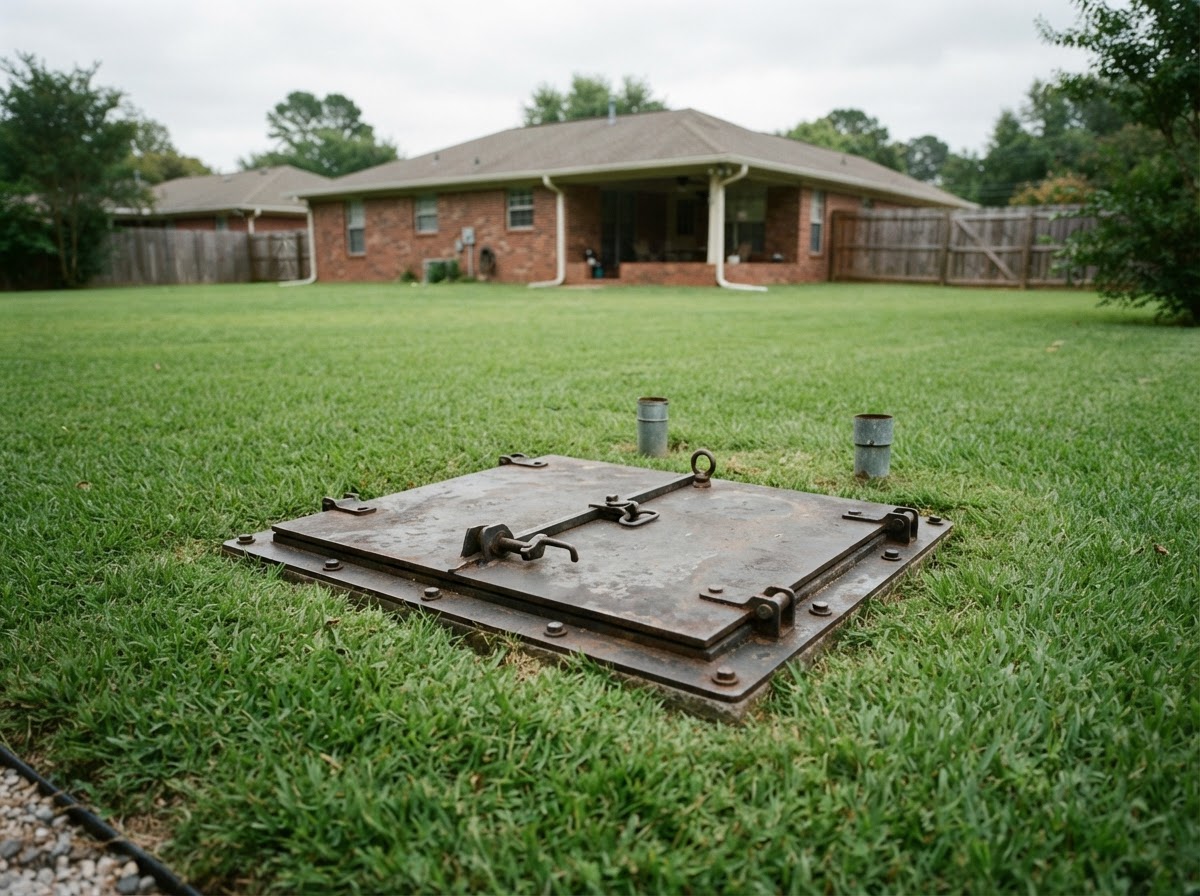
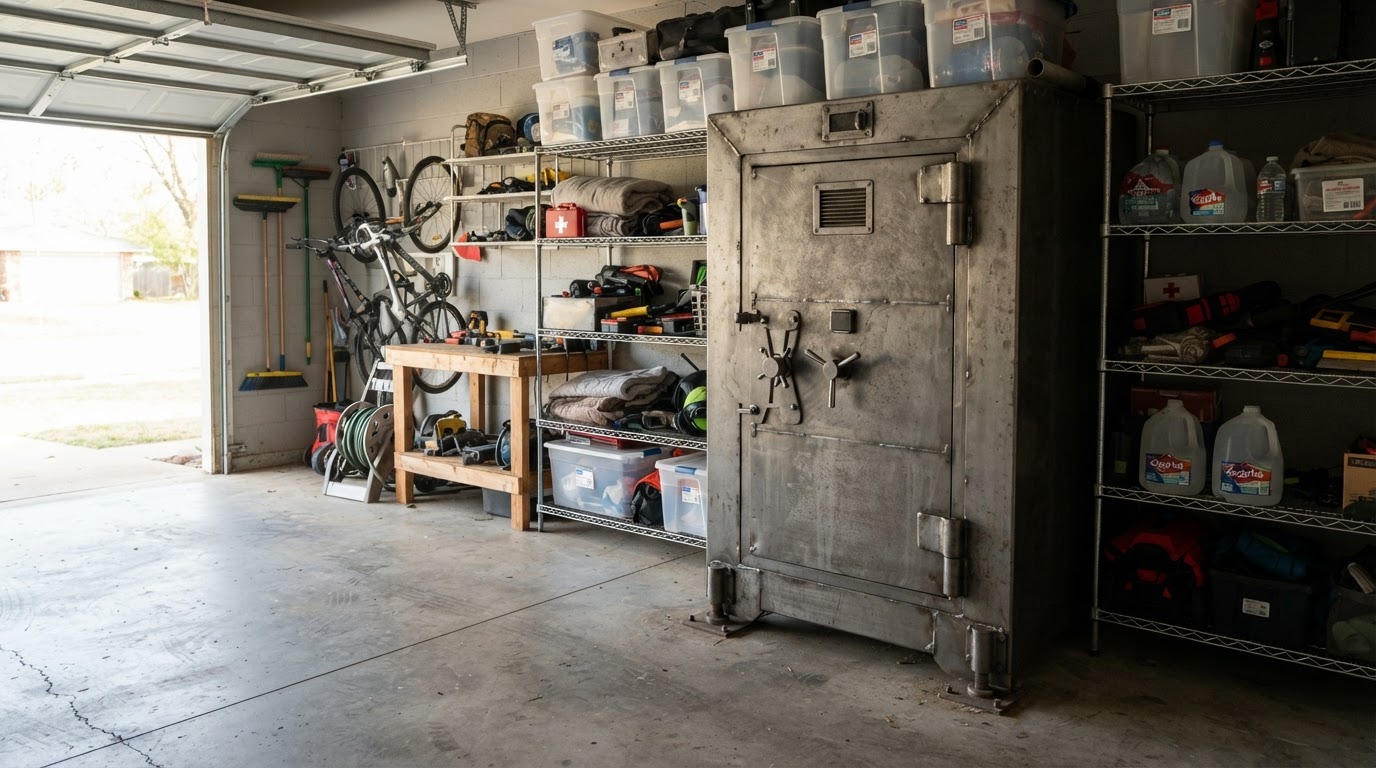
When it comes to protecting your family from tornadoes, two primary options exist: a safe room (often built inside a home) and a storm shelter (typically a separate outdoor structure or a below-ground bunker). Both are designed to provide near-absolute protection from extreme winds and debris, but they differ in cost, space, and installation requirements. This article compares both options using guidelines from FEMA and the National Weather Service.
What Is a Tornado Safe Room?
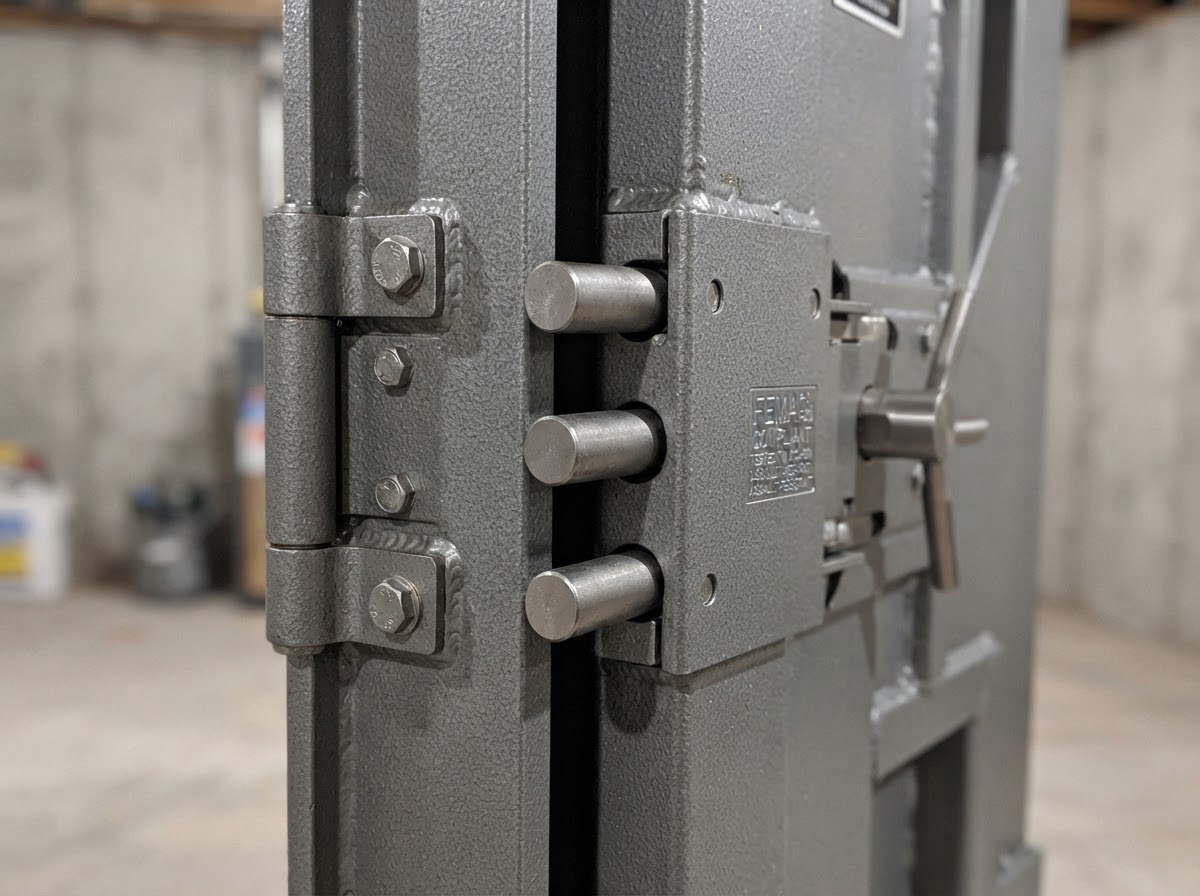
A safe room is a hardened structure specifically designed to meet FEMA criteria (FEMA P-320 or P-361). It can be built inside a new home, retrofitted into an existing home, or constructed as a separate structure. Safe rooms are typically above ground, but below-ground options exist. They are built with reinforced concrete, steel, or approved wood-frame systems that withstand EF5 tornado winds up to 250 mph.
Key features of safe rooms:
- Designed to meet or exceed FEMA P-361 guidelines
- Tested to withstand missile impacts (debris)
- Can be combined with a bathroom, closet, or utility room
- Must be accessible from all parts of the home
- Often required to have ventilation, lighting, and a door that opens inward
What Is a Storm Shelter?
A storm shelter is a generic term for any space that provides protection during severe weather. They can be above ground or below ground (e.g., concrete bunkers, steel units). Not all storm shelters meet FEMA safe room standards, though many can be certified if designed to resist wind and debris. Below-ground shelters offer protection from tornado winds but may be vulnerable to flooding.
Common types of storm shelters:
- Below-ground concrete bunkers – installed in a yard or garage
- Above-ground steel units – bolted to a concrete slab
- Modified basement or cellar – reinforced with steel supports
- In-ground “tornado pods” – prefabricated fiberglass units
Cost Comparison
Costs vary widely based on region, materials, and size. The following estimates are based on typical industry figures and reflect the approximate range as of 2023–2024. For exact quotes, consult licensed contractors.
Safe room costs (per FEMA guidelines):
- New construction (interior room): 8×8 ft – $7,000 to $15,000
- Retrofit in existing home: 8×8 ft – $10,000 to $25,000
- Standalone safe room: 8×12 ft – $15,000 to $30,000
- Per square foot: $150–$300 for above ground; $200–$400 for below ground (if reinforced)
Storm shelter costs (non-FEMA certified):
- Below-ground concrete shelter (6–8 person): $4,000–$12,000
- Above-ground steel shelter (8–10 person): $5,000–$15,000
- Precast concrete bunker (installed): $8,000–$18,000
- Basement reinforcement (partial safe room): $2,000–$6,000
Note: Many homeowners qualify for FEMA hazard mitigation grants or state rebates (e.g., in tornado-prone states) to offset costs. Check with your state emergency management agency.
Installation and Space Requirements
Safe rooms: Require a concrete slab or reinforced foundation. Interior safe rooms must be on the first floor (or basement) and accessible. Above-ground units can be placed in a garage or yard. Below-ground versions need excavation and waterproofing.
Storm shelters: Below-ground shelters require digging and proper drainage to avoid flooding. Above-ground steel units need a level concrete pad and anchors. Some prefabricated shelters can be installed in a day.
Size considerations:
- Minimum for a safe room: 8×8 ft (64 sq ft) – fits 4–6 people
- Minimum for a storm shelter: 6×8 ft (48 sq ft) – fits 4–6 people
- Larger families should plan for 5–7 sq ft per person
Pros and Cons
Safe Rooms
Pros:
- Meets rigorous FEMA criteria for near-absolute protection
- Can be incorporated into the home design (adds resale value)
- Above-ground options avoid flooding risks
- Often eligible for FEMA mitigation grants
Cons:
- Higher upfront cost
- Retrofitting may require major remodeling
- Limited space if not planned in new construction
Storm Shelters
Pros:
- Lower initial cost
- Quick installation (especially above-ground models)
- Can be placed outside, saving interior space
- Below-ground models offer excellent wind protection
Cons:
- May not meet FEMA safe room standards (check certification)
- Below-ground shelters risk flooding; need proper drainage
- Outdoor shelters require you to go outside during a storm (dangerous)
- May not add value to the home
Which One Should You Choose?
Your decision depends on budget, existing space, and risk tolerance. For maximum protection and peace of mind, a FEMA-certified safe room is the gold standard. If cost is a primary concern and you can safely access an outdoor shelter (e.g., via a garage or covered walkway), a storm shelter can be a good alternative. Consider the following:
- If you live in an area with a history of EF4/EF5 tornadoes (e.g., Oklahoma, Kansas, Alabama), invest in a safe room.
- If your home already has a basement, reinforcing a corner with a concrete safe room may be cost-effective.
- If you rent or plan to move soon, a portable above-ground shelter may be more practical.
Actionable Conclusion
Start by assessing your risk using the FEMA National Risk Index. Then, consult with a licensed contractor who follows FEMA P-320 guidance. Obtain multiple quotes and ask about certification. Remember: Any shelter is better than none, but a FEMA safe room offers the highest level of safety. For official guidance, download the FEMA P-361 Safe Room Guide.
About our guidance
Our guides are grounded in publicly available information from official sources such as FEMA, NOAA, USGS and Ready.gov. Information is general in nature — always verify details for your specific property and policy with official sources and your insurer.
Keep exploring
Related guides
 Mobile Home Tornado Safety: What Actually WorksMobile homes are particularly vulnerable to tornadoes. Learn the proven strategies that save lives, based on official guidance…Jun 21, 2026Read guide →
 Safest Place in Your House During a Tornado by Home TypeWhere you take shelter during a tornado depends on your home type. Learn the safest locations for single-family homes,…Jun 21, 2026Read guide →
 InsuranceLender-Placed Flood Insurance: The Expensive Backup If Your Policy LapsesYour lender can force-place flood insurance if your policy lapses — and bill you for it, usually at a higher price. Here is how…Oct 15, 2026Read guide →