
Tornado Safety at Home: Safe Room, Shelter & Insurance Tips
4 min read
On this page
Learn how to protect your home and family from tornadoes with expert tips on building a safe room, identifying shelter options, and understanding homeowners insurance coverage for tornado damage.
Introduction
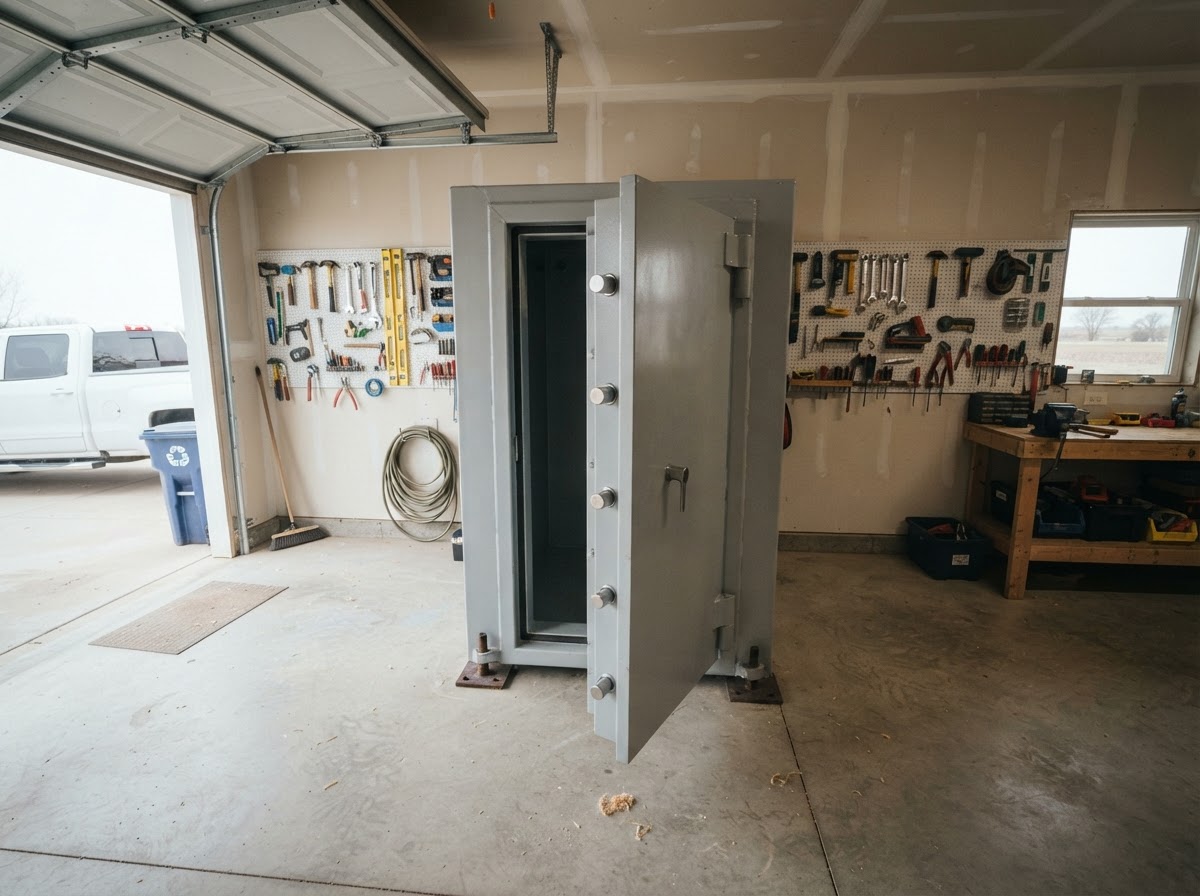
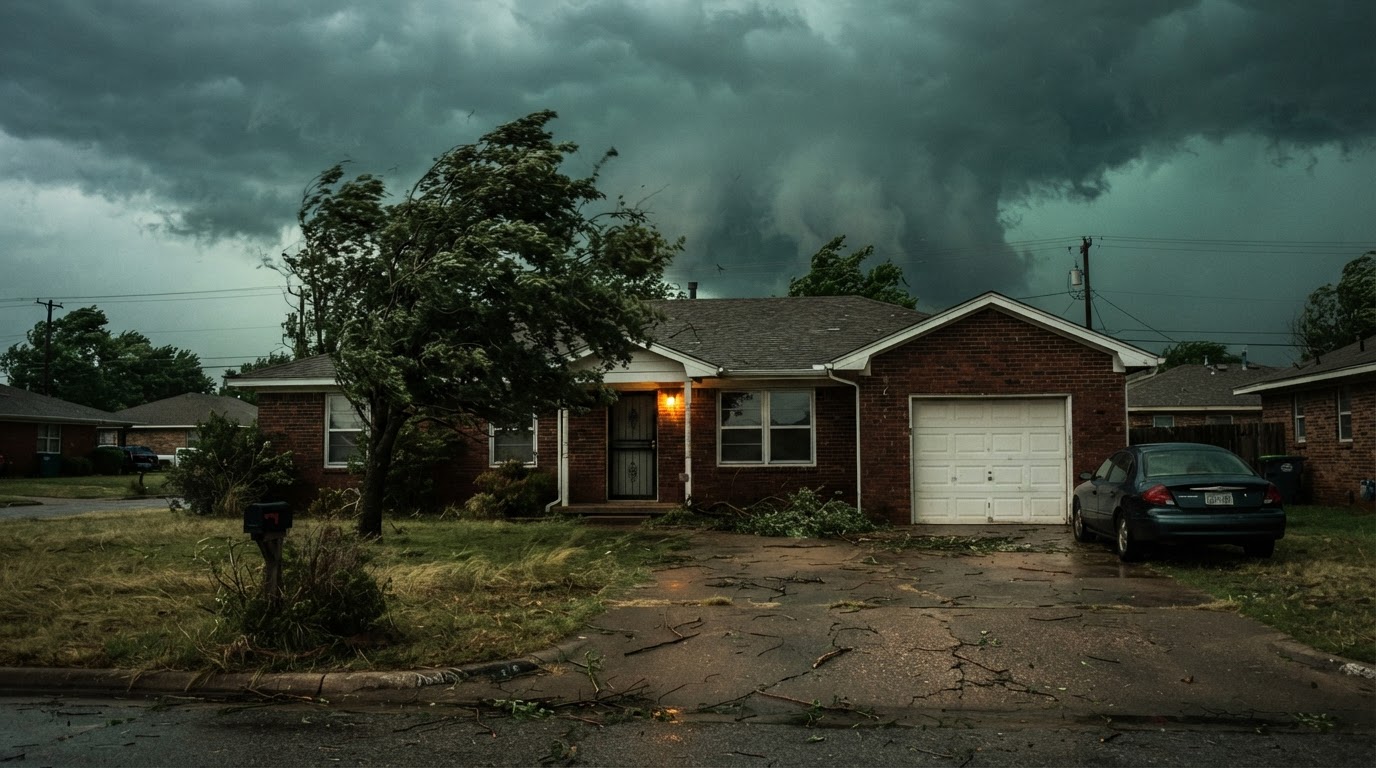
Tornadoes can strike with little warning, causing devastating damage to homes and communities. While no home is completely tornado-proof, you can significantly reduce the risk to your family and property by following proven safety measures. This guide covers three key areas: constructing or retrofitting a safe room, choosing the best shelter within your home, and making sure your insurance covers tornado damage. All advice is based on official guidance from FEMA, NOAA, the National Weather Service, and Ready.gov.
Safe Rooms: The Gold Standard
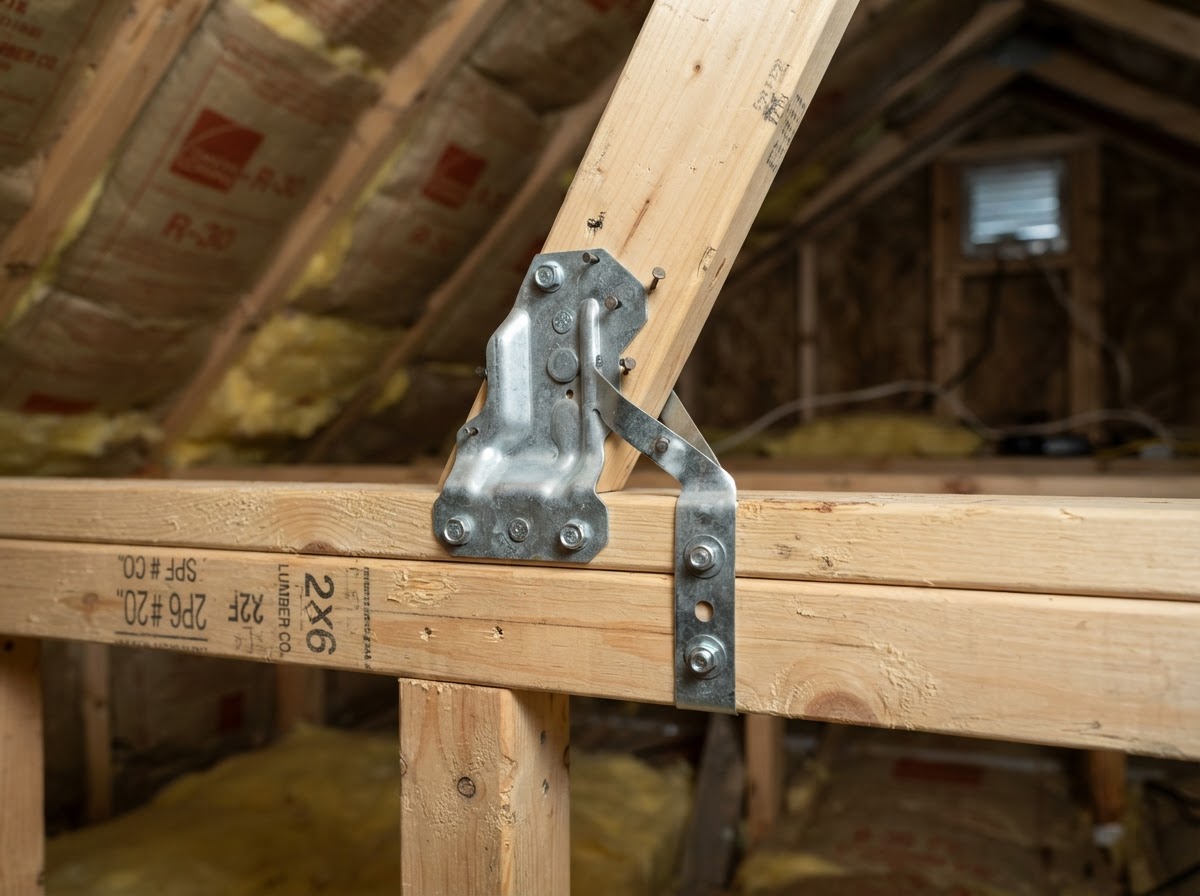
A safe room is a hardened structure specifically designed to provide near-absolute protection from extreme winds, including EF5 tornadoes. FEMA defines a safe room as a structure that meets strict criteria for wind resistance and debris impact, capable of withstanding winds up to 250 mph. Safe rooms can be built within a new home or retrofitted into an existing one.
Where to Build a Safe Room
Safe rooms are typically located in a basement or on a concrete slab on the first floor. They must be anchored to resist overturning and uplift. Common locations include a garage, a closet, or a bathroom. FEMA provides detailed plans in its publication FEMA P-320, Taking Shelter from the Storm.
Cost and Incentives
Building a safe room can cost between $3,000 and $7,000 for an above-ground model, or up to $30,000 for a larger in-ground shelter. Some states and local governments offer grants or tax incentives. Check with your state emergency management agency for programs.
Shelter Options in Your Home
If you don’t have a safe room, the next best option is an interior room on the lowest floor, away from windows, doors, and outside walls. Basements offer excellent protection, but if you don’t have one, choose a small interior closet, bathroom, or hallway. Stay under a sturdy table or mattress if possible.
Recognizing the Warning Signs
NOAA Weather Radio with battery backup is essential. Also monitor local news and National Weather Service alerts. When a tornado warning is issued, take shelter immediately. Do not waste time opening windows—that outdated myth does nothing to reduce pressure differences.
Mobile Homes and Apartments
Mobile homes are extremely vulnerable. If you live in one, identify a nearby community shelter or a sturdy building. Apartments: go to the lowest floor, innermost hallway, or stairwell. Never use an elevator.
Insurance Tips for Tornado Damage
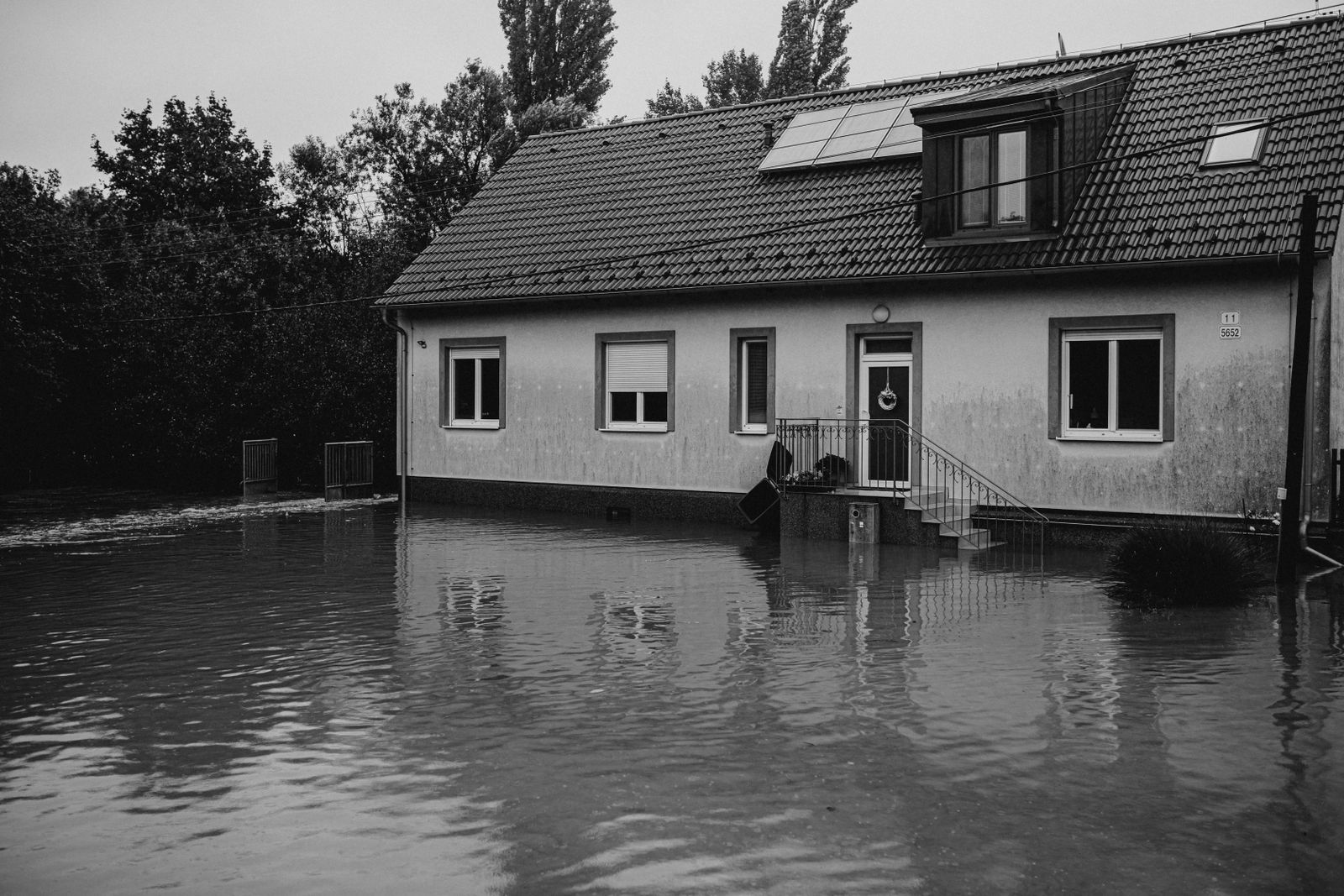
Standard homeowners insurance policies cover wind damage from tornadoes, including wind-driven rain that enters through a breached roof or wall. However, flood damage (including storm surge or flash flooding after a tornado) is not covered—you need a separate flood insurance policy through the National Flood Insurance Program (NFIP) or a private insurer.
How to File a Claim
- Document damage with photos and video before making temporary repairs.
- Save receipts for any emergency repairs (e.g., tarping a roof).
- Contact your insurer as soon as possible. Many companies have 24/7 claims hotlines.
- Adjusters will inspect the damage. Be present if you can.
Understanding Your Deductible
Tornado damage often falls under a separate windstorm or hurricane deductible, typically a percentage of your home’s insured value (e.g., 1% to 5%). Check your policy. For homes in high-risk areas (like parts of Tornado Alley), this deductible may be higher.
Replacement Cost vs. Actual Cash Value
Replacement cost coverage pays to rebuild or repair with new materials of like kind and quality. Actual cash value subtracts depreciation. Make sure you have replacement cost coverage for your dwelling and personal property if possible.
Actionable Conclusion
Tornado safety starts with planning. Identify the safest room in your home today, and if you’re building or remodeling, consider installing a FEMA-compliant safe room. Review your insurance policy annually—call your agent to confirm you have adequate wind coverage and understand deductibles. Store important documents (policy numbers, inventory lists) in a waterproof, portable container. Finally, practice your tornado drill with your family every spring. For more information, visit Ready.gov and FEMA.gov.
About our guidance
Our guides are grounded in publicly available information from official sources such as FEMA, NOAA, USGS and Ready.gov. Information is general in nature — always verify details for your specific property and policy with official sources and your insurer.
Related guides
 InsuranceLender-Placed Flood Insurance: The Expensive Backup If Your Policy LapsesYour lender can force-place flood insurance if your policy lapses — and bill you for it, usually at a higher price. Here is how…Oct 15, 2026Read guide →
 InsuranceWhat Happens to Your NFIP Policy If Congress Lets the Program LapseCongress extended the NFIP through December 11, 2026. If the program lapses, existing policies stay in force and claims get paid…Oct 15, 2026Read guide →
 InsuranceExcess Flood Insurance: Coverage Above NFIP's $250,000 LimitThe NFIP caps flood coverage at $250,000 for the building and $100,000 for contents. If your home would cost more to rebuild,…Oct 15, 2026Read guide →