
Tornado Season Safety: Spring Prep for Midwest & South Homes
5 min read
On this page
- Why Spring Prep Matters for Tornado Safety
- Step 1: Identify Your Safe Room or Shelter
- Step 2: Build an Emergency Kit
- Step 3: Create a Family Communication Plan
- Step 4: Secure Your Home Exterior
- Step 5: Know Watches vs. Warnings
- Step 6: What to Do During a Tornado
- Step 7: After the Tornado—Stay Safe
- Take Action Today
Learn how to prepare your home and family for tornado season with expert tips from FEMA, NOAA, and Ready.gov. From safe rooms to emergency kits, get the actionable steps you need.
Why Spring Prep Matters for Tornado Safety
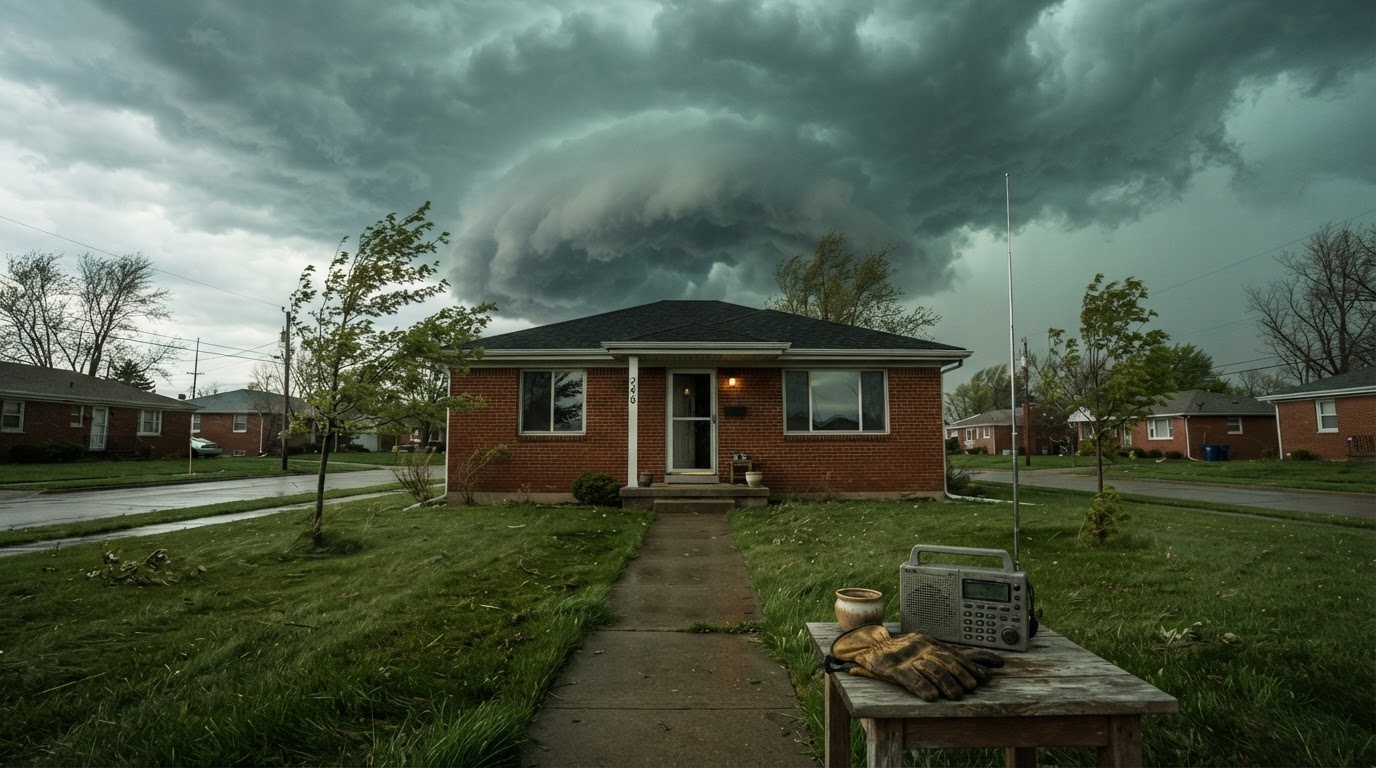
Spring brings warmer weather—and with it, heightened tornado risk across the Midwest and South. The National Oceanic and Atmospheric Administration (NOAA) reports that the United States averages over 1,200 tornadoes each year, with peak season running from March through June in these regions. A single tornado can devastate a neighborhood in seconds. But preparation saves lives. By following guidance from the Federal Emergency Management Agency (FEMA), NOAA, and Ready.gov, you can protect your home and family before the sirens sound.
Step 1: Identify Your Safe Room or Shelter
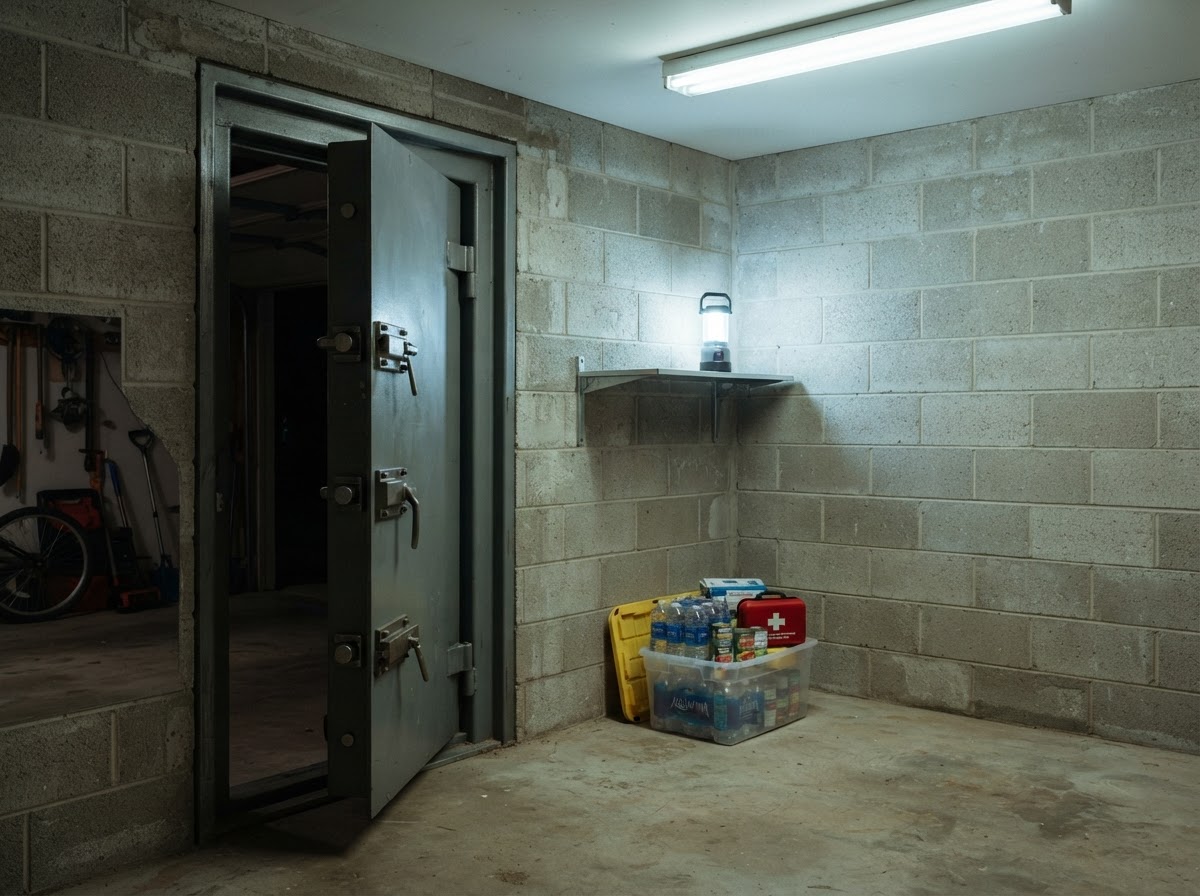
Your first priority is knowing the safest place in your home. FEMA recommends a basement, storm cellar, or an interior room on the lowest floor with no windows—such as a bathroom, closet, or hallway. Avoid rooms with windows, doors, or exterior walls. If your home lacks a basement, consider installing a FEMA-approved safe room (a reinforced space designed to withstand winds up to 250 mph). Learn more about safe rooms at FEMA's Safe Room page.
Tips for Multi-Family Homes or Apartments
- Use interior hallways or stairwells on the lowest floor.
- Do not go to a mobile home—these are extremely unsafe during tornadoes. Pre-identify a nearby permanent structure or community storm shelter.
- If you live in a high-rise, go to the lowest floor possible, such as the basement or a small interior room on the first floor.
Step 2: Build an Emergency Kit
Ready.gov recommends these essentials for a basic tornado emergency kit:
- Water: one gallon per person per day for at least three days.
- Food: non-perishable, easy-to-prepare items for three days.
- Battery-powered or hand-crank NOAA Weather Radio with extra batteries.
- Flashlight and extra batteries.
- First aid kit.
- Whistle to signal for help.
- Dust mask (to filter contaminated air) and plastic sheeting with duct tape.
- Wrench or pliers to turn off utilities.
- Cell phone with chargers and a backup battery bank.
Store your kit in your safe room so it's ready when needed. For a full checklist, visit Ready.gov's emergency kit page.
Include Supplies for Pets, Seniors, and Infants
- For pets: food, water, leash, carrier, vaccination records.
- For seniors: extra prescription medications, glasses, hearing aid batteries, walker or wheelchair.
- For infants: formula, diapers, bottles, baby wipes.
Step 3: Create a Family Communication Plan
During a tornado, family members may be separated. Plan ahead how you'll reconnect. According to Ready.gov, your plan should include:
- An out-of-state contact everyone can call to report their status.
- A pre-designated meeting place outside your home (if safe) or a digital check-in method.
- Teach children how and when to call 911 and how to reach the family contact.
Practice your plan twice a year with tornado drills. Use the NOAA Weather Radio's weekly test as a reminder. More guidance is at Ready.gov's plan page.
Step 4: Secure Your Home Exterior
While no home is completely tornado-proof, you can reduce debris damage. FEMA and the National Weather Service (NWS) recommend:
- Reinforce garage doors—they are often the first to fail, allowing wind into the home.
- Trim or remove dead trees and branches that could become projectiles.
- Secure outdoor furniture, grills, and trash cans in a shed or garage.
- Anchor large appliances like water heaters and refrigerators to wall studs.
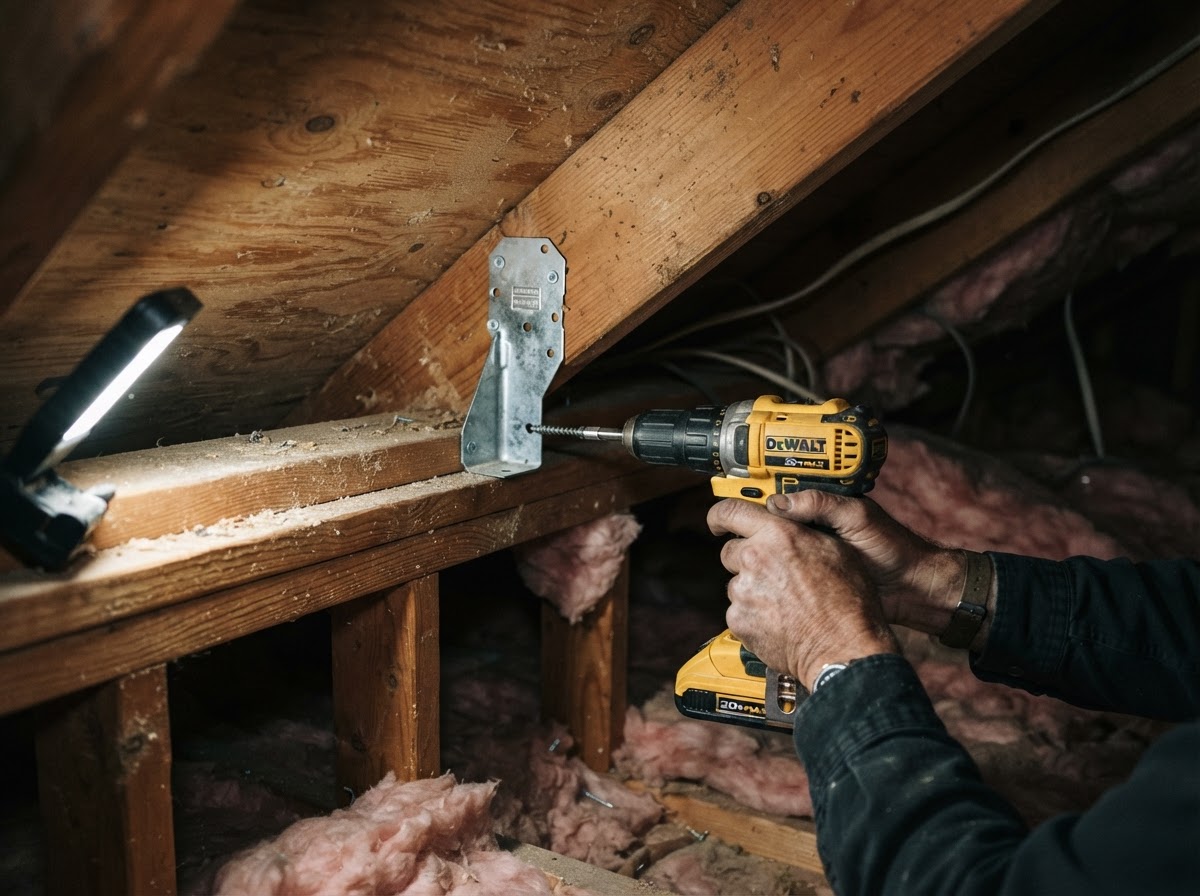
Consider retrofitting your roof with hurricane clips or straps to Better connect the structure. While not foolproof, these steps can mitigate damage.
Step 5: Know Watches vs. Warnings
A Tornado Watch means conditions are favorable for tornadoes—be ready. A Tornado Warning means a tornado has been spotted or indicated by radar—take immediate action. The NWS issues these via NOAA Weather Radio, local TV and radio, and mobile apps. Sign up for Wireless Emergency Alerts (WEA) on your phone. Check weather.gov for detailed explanations.
Step 6: What to Do During a Tornado
When a tornado warning is issued for your area:
- Immediately go to your designated safe room or shelter.
- Bring your emergency kit.
- Get under a sturdy table or mattress if possible, and cover your head and neck with your arms.
- Stay until the warning expires or the threat passes.
- Do not leave to check on others—your safety comes first.
If you are outside or in a vehicle, do not try to outrun a tornado. Instead, get into a low-lying area (ditch) and cover your head. Do not hide under an overpass—it can act as a wind tunnel. For full guidance, see NWS Tornado Safety page.
Step 7: After the Tornado—Stay Safe
Once the storm passes, check for injuries and administer first aid. Avoid downed power lines—report them to the utility company. Watch for sharp debris and broken glass. Use flashlights, not candles, to avoid gas leaks. Stay away from damaged buildings until they are declared safe. Turn on your NOAA radio for updates. For mental health support after a disaster, the CDC has resources.
Take Action Today
Tornado season is predictable, but each storm is not. The steps above—building a kit, identifying shelter, creating a plan—can be done in an afternoon. Share your plan with neighbors, especially seniors or those with disabilities. When the warning comes, every second counts. Be prepared, not scared. Visit FEMA's tornado safety page for more resources.
About our guidance
Our guides are grounded in publicly available information from official sources such as FEMA, NOAA, USGS and Ready.gov. Information is general in nature — always verify details for your specific property and policy with official sources and your insurer.
Related guides
 InsuranceLender-Placed Flood Insurance: The Expensive Backup If Your Policy LapsesYour lender can force-place flood insurance if your policy lapses — and bill you for it, usually at a higher price. Here is how…Oct 15, 2026Read guide →
 InsuranceWhat Happens to Your NFIP Policy If Congress Lets the Program LapseCongress extended the NFIP through December 11, 2026. If the program lapses, existing policies stay in force and claims get paid…Oct 15, 2026Read guide →
 InsuranceExcess Flood Insurance: Coverage Above NFIP's $250,000 LimitThe NFIP caps flood coverage at $250,000 for the building and $100,000 for contents. If your home would cost more to rebuild,…Oct 15, 2026Read guide →