
Tropical Storm Watch: What Homeowners Need to Do Now
7 min read
On this page
When a tropical storm watch is issued, you have about 48 hours to prepare. Learn the difference between a watch and warning, and the concrete steps to protect your home and family.
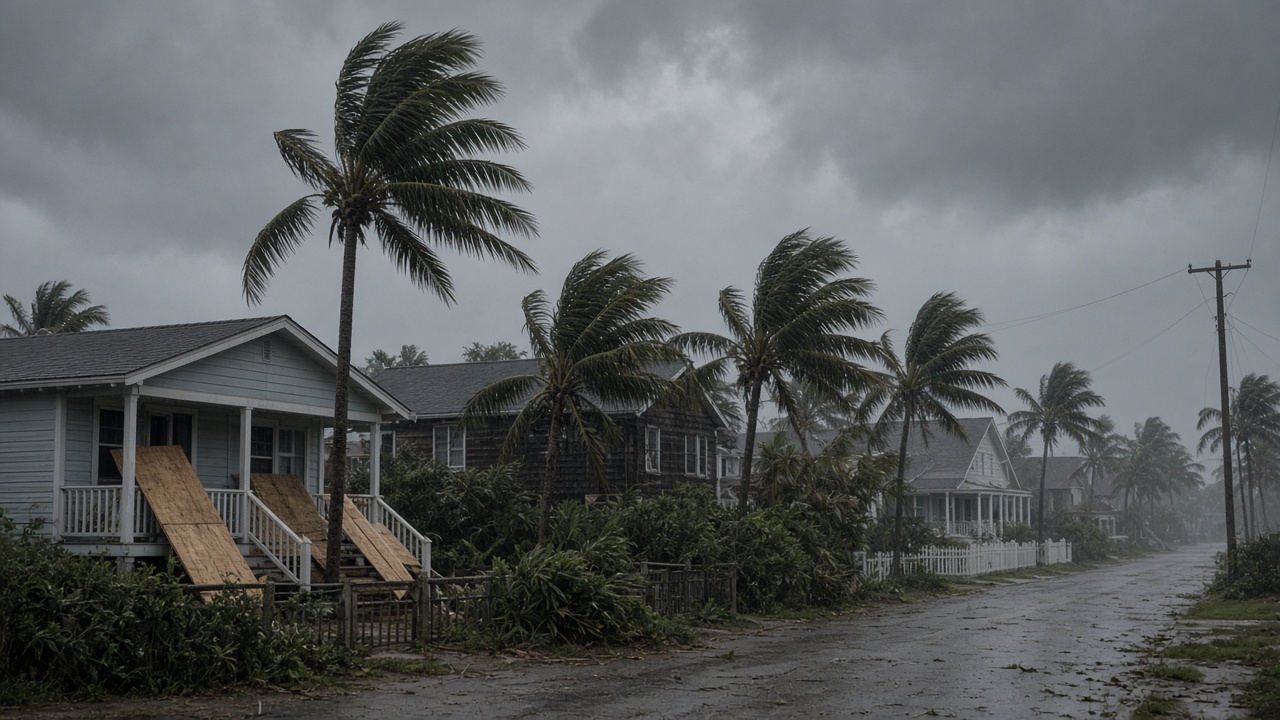
When the National Hurricane Center issues a tropical storm watch for your area, it means sustained winds of 39 to 73 mph are possible within the next 48 hours. This is your signal to take action—not to panic, but to prepare. This guide is for homeowners in coastal and inland areas that can be affected by tropical storms. It explains what a watch means, how it differs from a warning, and the concrete steps you should take to protect your family, home, and property.
Tropical storms can bring damaging winds, heavy rain, flooding, and tornadoes—even if they never reach hurricane strength. A watch gives you valuable time to get ready. Use it.
What Is a Tropical Storm Watch?
According to the National Weather Service (NWS), a tropical storm watch is issued when sustained winds of 39 to 73 mph are possible within a specified area, generally within 48 hours. These winds are associated with a tropical storm, subtropical storm, or a potential tropical cyclone.
A watch is not a guarantee that you will experience tropical-storm-force winds, but it means conditions are possible. The NWS issues watches to give you time to prepare. A tropical storm warning, by contrast, means those conditions are expected within 36 hours. When a warning is issued, you should complete your preparations and be ready to shelter in place or evacuate if told to do so.
Watches and warnings are also issued for hurricanes and storm surge. A hurricane watch means hurricane conditions (winds 74 mph or higher) are possible, while a storm surge watch means a life-threatening inundation from rising water is possible. Always follow the most severe alert for your location.
Immediate Steps When a Tropical Storm Watch Is Issued
You have roughly two days before the onset of tropical-storm-force winds. Use this time wisely. Here’s what to do, in order of priority.
1. Stay Informed with Official Sources
- Monitor the National Hurricane Center for the latest forecasts, watches, and warnings.
- Follow your local National Weather Service office for area-specific updates.
- Keep a battery-powered or hand-crank NOAA Weather Radio on hand.
- Sign up for local emergency alerts through your county or city emergency management agency.
Do not rely on social media rumors. Go straight to official government sources.
2. Review Your Emergency Plan and Kit
If you don’t have a plan, make one now. Ready.gov recommends that every household have a communication plan and an emergency kit. Your kit should include:
- At least a three-day supply of non-perishable food and water (one gallon per person per day).
- Prescription medications, first aid supplies, and hygiene items.
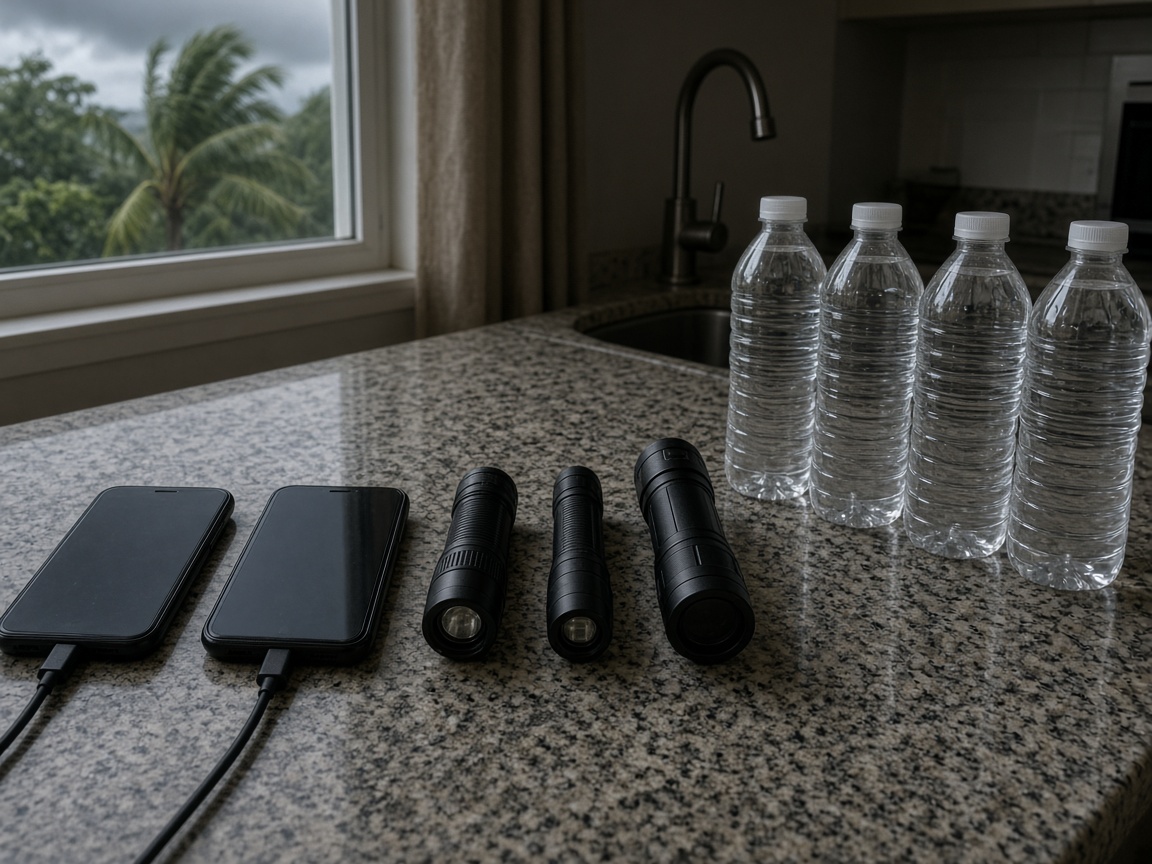
- Flashlights, batteries, and a manual can opener.
- Copies of important documents (insurance policies, IDs, bank records) in a waterproof container.
- Cash, because ATMs and card readers may be down.
- Pet supplies and a carrier.
Review your plan with everyone in your household. Identify a safe room in your home—an interior room on the lowest level that is not subject to flooding. If you live in a mobile home or flood zone, plan to evacuate early.
3. Secure Your Property
High winds can turn everyday objects into dangerous projectiles. Take these steps:
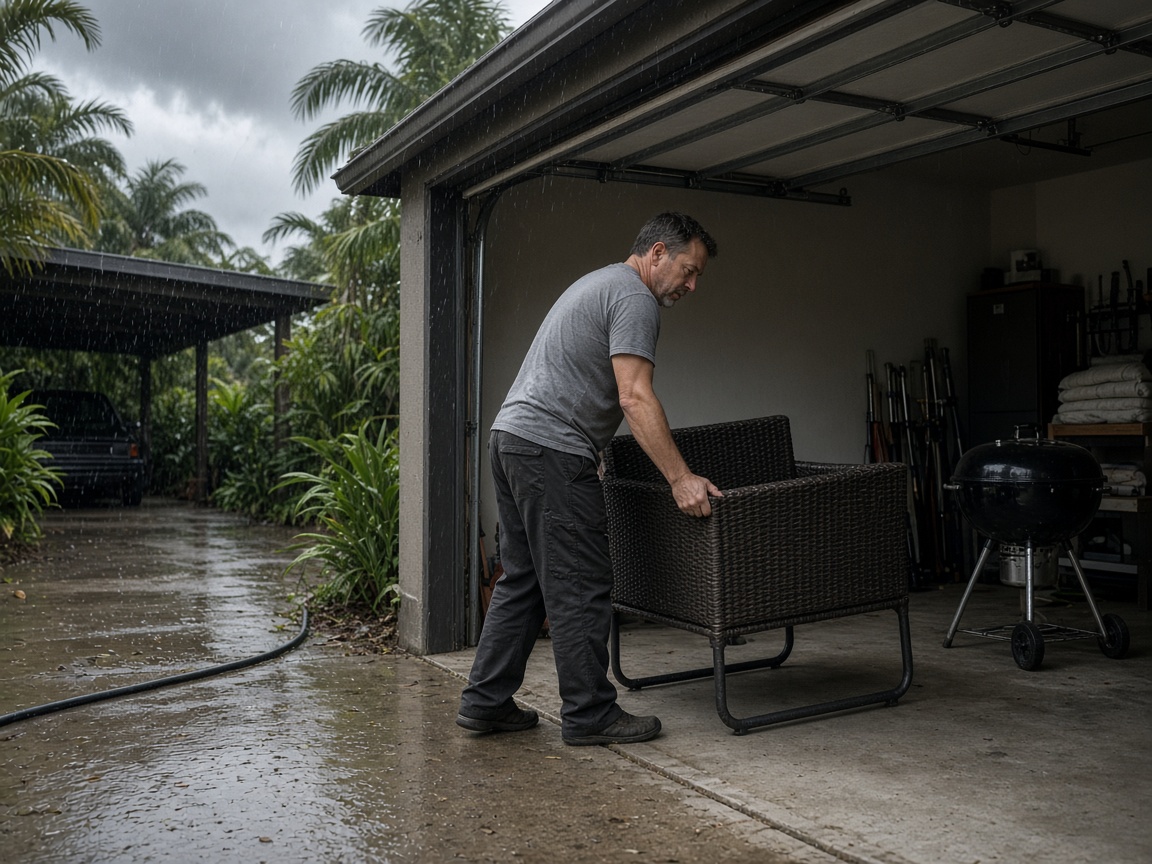
- Bring inside or tie down outdoor furniture, grills, trash cans, toys, and garden tools.
- Trim dead branches from trees and shrubs, but do not attempt major tree work once winds pick up.
- Clear gutters and downspouts so heavy rain can drain away from your foundation.
- If you have storm shutters, install them. Otherwise, close and lock windows and doors. Do not tape windows—it does not prevent breakage and can create larger, more dangerous shards.
- Move vehicles into a garage or away from trees and power lines.
- Turn off propane tanks and unplug small appliances to protect against power surges.
If you have a generator, test it and make sure you have fuel. Never run a generator indoors, in a garage, or near open windows—carbon monoxide can be deadly.
4. Prepare for Power Outages and Flooding
Tropical storms often cause widespread power outages and flooding. Charge phones, laptops, and portable power banks. If you rely on electricity for medical equipment, have a backup plan and contact your local emergency management office for guidance.
Flooding is the most common and deadly hazard from tropical storms. According to FEMA, just one inch of water in a home can cause significant damage. If you live in a flood-prone area, know your evacuation route and have a way to get to higher ground. Never drive through flooded roads—Turn Around, Don’t Drown.
Most homeowners insurance does not cover flood damage. FloodSmart.gov, the official site of the National Flood Insurance Program (NFIP), explains that separate flood insurance is typically required for homes in high-risk flood zones. If you already have flood insurance, review your policy now. If you don’t, be aware that there is usually a 30-day waiting period before a new policy takes effect, so it cannot be purchased at the last minute.
5. Document Your Home and Belongings
Before the storm arrives, take photos or videos of each room, your exterior, and valuable items. Store them in the cloud or email them to yourself. This documentation will help if you need to file an insurance claim later. Also, locate your insurance policies and write down your agent’s phone number.
6. Know Your Evacuation Zone and Routes
If local officials issue an evacuation order, follow it immediately. Know your evacuation zone (often designated by letters or colors) and primary and alternate routes. Check with your county emergency management agency for evacuation maps. If you have pets, confirm that your planned shelter or hotel allows them. Most American Red Cross shelters accept pets, but have a crate and supplies ready.
If you are not in an evacuation zone, plan to shelter in place. Stay away from windows, and keep a safe room ready. If the power goes out, use flashlights, not candles, to avoid fire risk.
What Not to Do During a Tropical Storm Watch
- Don’t wait until a warning is issued. By then, conditions may already be deteriorating, and stores may be closed or out of supplies.
- Don’t ignore the threat of inland flooding. Tropical storms can stall and produce catastrophic rainfall far from the coast.
- Don’t use a generator indoors or in an attached garage. Carbon monoxide is invisible and odorless.
- Don’t drive through barricades or flooded roads. The water may be deeper and faster than it looks.
If You Have to Evacuate
If an evacuation order is given, leave as soon as possible. Follow these tips:
- Wear sturdy shoes and clothing that protects your skin.
- Take your emergency kit, medications, and important documents.
- Unplug appliances and turn off utilities if instructed.
- Lock your home and leave a note indicating where you are going.
- Follow official evacuation routes. Do not take shortcuts; they may be blocked.
- If you have no means of transportation, contact your local emergency management agency for assistance.
Once you are safe, stay there until officials say it is safe to return. Avoid downed power lines and flooded areas.
After the Storm: Safety First
When the storm has passed, continue to monitor official sources for updates. Avoid flooded roads and downed power lines. If your home has been damaged, document it with photos before cleanup. Be careful during cleanup—wear gloves and boots, and avoid wading in floodwater, which can contain sewage, chemicals, and sharp debris. For more guidance, see the CDC’s hurricane safety page.
Official Sources
- National Hurricane Center (NOAA) — forecasts, watches, warnings
- National Weather Service — local forecasts and alerts
- Ready.gov — Hurricanes — preparedness checklists and plans
- FEMA — disaster assistance and mitigation information
- FEMA National Risk Index — community-level risk data
- FloodSmart.gov (NFIP) — flood insurance facts and tools
- CDC — Hurricanes and Other Tropical Storms — health and safety after a storm
- USGS Natural Hazards — landslide, flood, and coastal change science
- U.S. Drought Monitor — drought conditions that can affect flood risk
Bottom Line
A tropical storm watch is your early warning. Use the 48 hours it provides to secure your home, review your plan, and be ready to evacuate if necessary. Stay informed through official government sources, and never ignore an evacuation order. With preparation, you can reduce the risk to your family and property. For more state-specific hazard information, visit HomeRiskMap.com.
About our guidance
Our guides are grounded in publicly available information from official sources such as FEMA, NOAA, USGS and Ready.gov. Information is general in nature — always verify details for your specific property and policy with official sources and your insurer.
Related guides
 Hurricane PrepHurricane Isaias: Gulf Coast Lessons for LA, MS, AL & FLIsaias never hit the Gulf Coast, but the storm still holds real lessons for homeowners in Louisiana, Mississippi, Alabama and…Oct 8, 2026Read guide →
 InsuranceLender-Placed Flood Insurance: The Expensive Backup If Your Policy LapsesYour lender can force-place flood insurance if your policy lapses — and bill you for it, usually at a higher price. Here is how…Oct 15, 2026Read guide →
 InsuranceWhat Happens to Your NFIP Policy If Congress Lets the Program LapseCongress extended the NFIP through December 11, 2026. If the program lapses, existing policies stay in force and claims get paid…Oct 15, 2026Read guide →