
What Happens to Your NFIP Policy If Congress Lets the Program Lapse
7 min read

On this page
Congress extended the NFIP through December 11, 2026. If the program lapses, existing policies stay in force and claims get paid — but new policies, renewals, and coverage increases freeze. Here is what homeowners need to do before the…
Congress extended the National Flood Insurance Program through December 11, 2026 — and if lawmakers don't act again, the program's authority to sell and renew policies lapses at midnight. Here's what that actually means for your existing NFIP policy, your claims, and your home sale or purchase.
If you carry flood insurance through the NFIP, a lapse sounds alarming. The good news, straight from FEMA: a lapse does not cancel your existing policy. FEMA states that it and Congress have never failed to honor flood insurance contracts already in place with NFIP policyholders. But a lapse freezes almost everything else — new policies, renewals, and coverage increases all stop until Congress reauthorizes the program.
The December deadline, explained
The NFIP can't operate without Congress periodically renewing its statutory authority. After a brief lapse in early February 2026, lawmakers passed short-term extensions — the latest, attached to a stopgap spending law in September 2026, keeps the program running through December 11, 2026. The Congressional Research Service counts this as the 36th short-term reauthorization since fiscal year 2017.
What happens after December 11 depends entirely on Congress. Lawmakers could pass another short-term extension (the usual pattern), agree on long-term reform, or let the authority lapse. Because extensions are typically attached to must-pass spending bills, the outcome is often decided at the last minute.
If Congress lets it lapse: what happens to YOUR policy
Your existing policy stays in force
This is the most important fact: policies already in effect remain valid through their one-year term, even during a lapse. FEMA has been explicit that it has never failed to honor NFIP contracts in place with policyholders. Your coverage doesn't evaporate at midnight on December 11 — if your policy term runs into 2027, it stays in effect.
FEMA's rules also include a 30-day grace period for renewals, which can prevent an overnight gap in coverage if your renewal date falls during a short lapse. But a grace period is not a renewal — it just gives you breathing room.
Claims still get paid — with a catch
Should the NFIP's authorization lapse, FEMA would still have authority to ensure the payment of valid claims with available funds, according to FEMA itself. In practice, FEMA continues to adjust and pay claims as premium dollars flow into the National Flood Insurance Fund.
The catch: during a lapse, the NFIP's borrowing authority from the U.S. Treasury drops from more than $30 billion to just $1 billion. If a major flood event depleted available funds during a lapse, claims could be delayed until sufficient premiums were received — unless Congress appropriated supplemental funds or restored borrowing authority. For most policyholders in normal conditions, claims processing continues. But the financial backstop is thinner.
What stops: new policies, renewals, and coverage increases
This is where a lapse bites. Until Congress reauthorizes the program, the NFIP cannot:
- Issue new policies — no one can buy NFIP coverage during a lapse, including first-time buyers and homeowners who let coverage drop.
- Renew expiring policies — if your policy's term ends during a lapse, you can't renew it until reauthorization (beyond the 30-day grace period).
- Increase coverage limits — you can't raise your building or contents coverage mid-lapse.
NFIP policies cap at $250,000 for building coverage and $100,000 for contents (per FEMA) — and during a lapse, even policyholders below those caps can't add coverage.
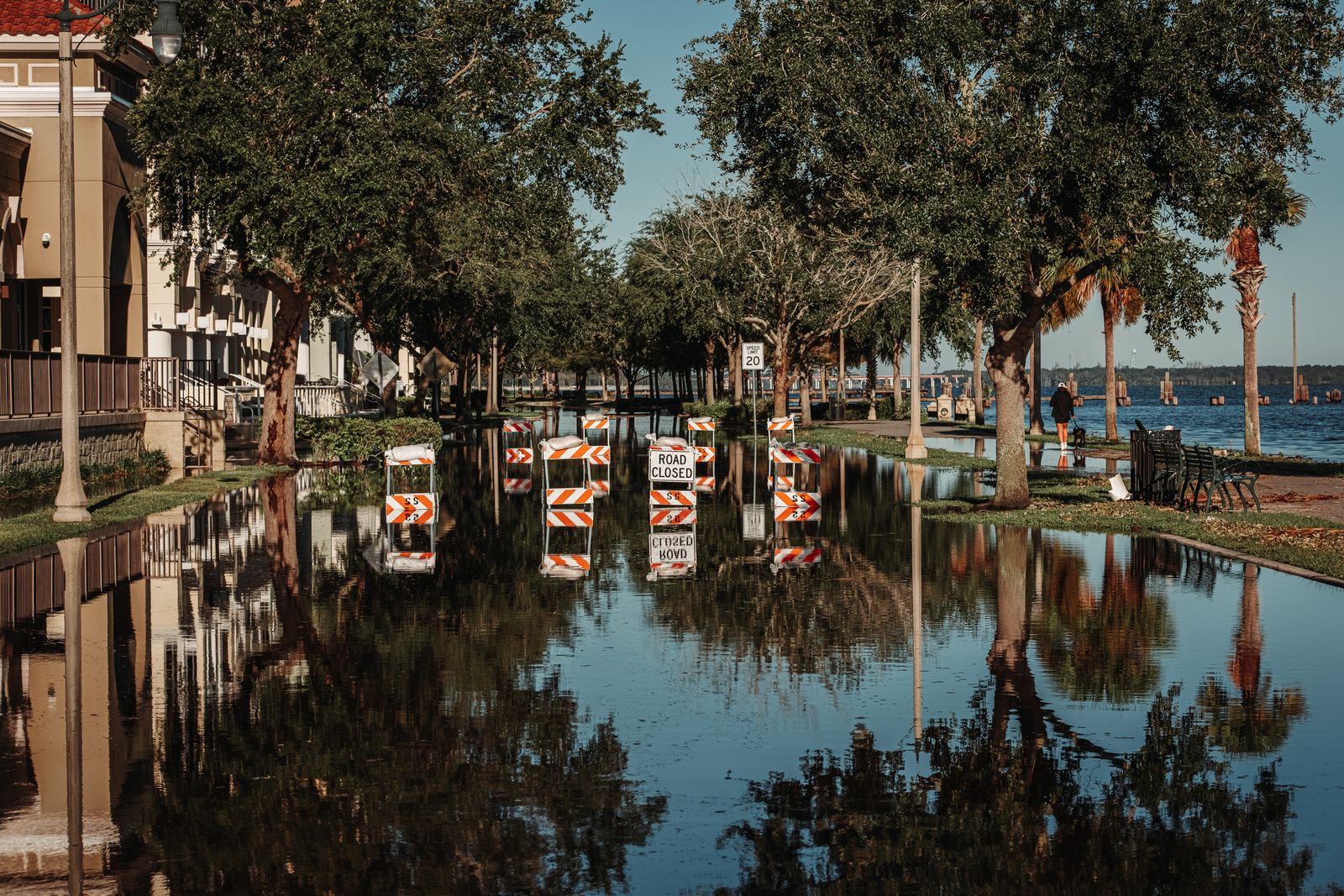
Buying or selling a home during a lapse
The mandatory purchase requirement problem
Federal law requires flood insurance — the mandatory purchase requirement — for properties in Special Flood Hazard Areas (SFHAs, roughly the 1%-annual-chance floodplain) when the mortgage is federally backed. Lenders enforce this, not FEMA. Without NFIP policies available, home sales in flood zones can stall: buyers who need proof of flood insurance to close may find there's simply no policy to buy.
The National Association of Realtors estimates a lapse could impact approximately 1,300 property sales each day — roughly 40,000 closings per month. About 41,300 home sales per month depend on NFIP policies nationally, with Florida (around 14,870 sales per month), Texas (3,590), and California (1,680) the most dependent states.
During past lapses, some lenders temporarily suspended flood insurance requirements — but that introduces uncertainty that still slows transactions.
Policy assignment: the workaround sellers should know
Here's a practical option many sellers miss: an existing NFIP policy can be assigned to the buyer at closing. Because the policy itself remains valid, assigning it transfers coverage to the new owner without the NFIP needing to issue a new policy — which it can't do during a lapse. If you're selling a home in a flood zone and a lapse looks likely, talk to your agent about assignment before listing.
Private flood insurance: your backup plan
Private flood insurance — policies not backed by the NFIP — is not affected by a lapse at all. The private flood market has been growing, and federal agencies may accept private flood insurance to satisfy the mandatory purchase requirement if the policy meets the conditions defined in statute.
If you can't buy or renew NFIP coverage during a lapse, shopping the private market is the main alternative. Check your state insurance department's website for licensed private flood carriers. Our guide to NFIP vs. private flood insurance walks through the trade-offs in detail — including the fact that leaving the NFIP for a private carrier can affect your NFIP discounts if you later return.
What history tells us about NFIP lapses
Lapses aren't hypothetical — they've happened repeatedly:
- Fall 2025: a 43-day lapse during a government shutdown. The NFIP could not issue new policies or renew existing coverage, though FEMA continued paying claims from available funds.
- February 1–3, 2026: a brief lapse before Congress reauthorized the program through September 30, 2026.
- 2010: an earlier lapse during which NAR estimated up to 40,000 home sales per month were delayed or canceled.
The pattern is consistent: short lapses get resolved with retroactive extensions, existing policyholders are protected, and the housing market in flood-prone states like Louisiana and Florida takes the hit. The longer a lapse runs, the worse the backlog of unprocessed renewals and new applications becomes.
Practical checklist: what to do before December 11
Whether or not Congress acts, these steps protect you:
- Check your policy's expiration date. If it renews in December or January, consider renewing early — before any lapse begins. Note the NFIP's standard 30-day waiting period for new policies, so don't wait until the last minute.
- Review your coverage limits. Make sure building coverage reflects current rebuilding costs, up to the $250,000 NFIP cap. You can't increase limits during a lapse.
- Keep paying premiums on time. Continuous coverage preserves your standing and any discounts; a lapse in your payments is separate from a lapse in program authority, and it's the one you control.
- If you're selling: ask your agent about assigning your NFIP policy to the buyer as a contingency.
- If you're buying in a flood zone: close before December 11 if possible, or line up a private flood insurance quote as a backup.
- Document your home now. Photos and an inventory of belongings make any future claim smoother — lapse or no lapse.
- Know your flood risk. Check whether your property is in a Special Flood Hazard Area, and understand that flooding happens outside mapped zones too.
Frequently asked questions
Will my NFIP policy be canceled if Congress lets the program lapse?
No. Existing policies remain in force through their stated term, and FEMA has never failed to honor NFIP contracts in place. A lapse stops new sales and renewals — it doesn't void active policies.
Can I still file a flood claim during a lapse?
Yes. FEMA retains authority to adjust and pay valid claims with available funds during a lapse. Payments could be delayed only if funds were depleted and Congress didn't restore borrowing authority or appropriate supplemental funds.
Can I renew my NFIP policy during a lapse?
No — renewals can't be processed until Congress reauthorizes the program. The 30-day grace period may cover a short lapse, but don't rely on it for a long one.
Can I buy a new NFIP policy during a lapse?
No. The NFIP cannot issue new policies during a lapse. Your options are private flood insurance or waiting for reauthorization.
What if I'm closing on a house in a flood zone during a lapse?
Ask the seller about assigning their existing NFIP policy to you, or get a private flood insurance policy that satisfies your lender's requirements. Talk to your lender early — requirements vary.
Does a lapse affect private flood insurance?
No. Private flood insurance is entirely separate from the NFIP and unaffected by congressional authorization deadlines.
Official sources
- FEMA: Congressional Reauthorization for the National Flood Insurance Program — FEMA's official page on reauthorization status and what happens in a lapse
- FEMA: National Flood Insurance Program — program details including coverage limits ($250,000 building / $100,000 contents)
- Congressional Research Service: What Happens If the NFIP Lapses? — detailed analysis of lapse mechanics, borrowing authority, and the mandatory purchase requirement
Program status changes quickly. This article reflects the NFIP authorization status as of October 2026; check FEMA's reauthorization page for the latest before making coverage decisions.
About our guidance
Our guides are grounded in publicly available information from official sources such as FEMA, NOAA, USGS and Ready.gov. Information is general in nature — always verify details for your specific property and policy with official sources and your insurer.
Related guides
 InsuranceLender-Placed Flood Insurance: The Expensive Backup If Your Policy LapsesYour lender can force-place flood insurance if your policy lapses — and bill you for it, usually at a higher price. Here is how…Oct 15, 2026Read guide →
 InsuranceExcess Flood Insurance: Coverage Above NFIP's $250,000 LimitThe NFIP caps flood coverage at $250,000 for the building and $100,000 for contents. If your home would cost more to rebuild,…Oct 15, 2026Read guide →
 InsuranceHome Insurance Costs by State: Why Quotes Vary So MuchHome insurance costs by state can swing two or three times for the same house. Here's what actually drives your quote, and what…Oct 9, 2026Read guide →