
Hurricane Isaias: Gulf Coast Lessons for LA, MS, AL & FL
7 min read
On this page
- What Hurricane Isaias Actually Did — and What It Didn't Do
- Why Gulf Coast Homeowners Should Still Pay Attention
- Step 1: Know Your Flood Zone and Your Real Risk
- Step 2: Get Flood Insurance — It Is Not Part of Your Homeowners Policy
- Step 3: Build a Hurricane Plan Before the Season Starts
- Step 4: Harden the House Before the Storm Forms
- Step 5: Prepare for Power Outages — and Use Generators Safely
- Step 6: Assemble a Supply Kit
- Step 7: Understand Watches, Warnings and Evacuation Orders
- Official sources
- Bottom line
Isaias never hit the Gulf Coast, but the storm still holds real lessons for homeowners in Louisiana, Mississippi, Alabama and Florida. Here's what to do before the next one.
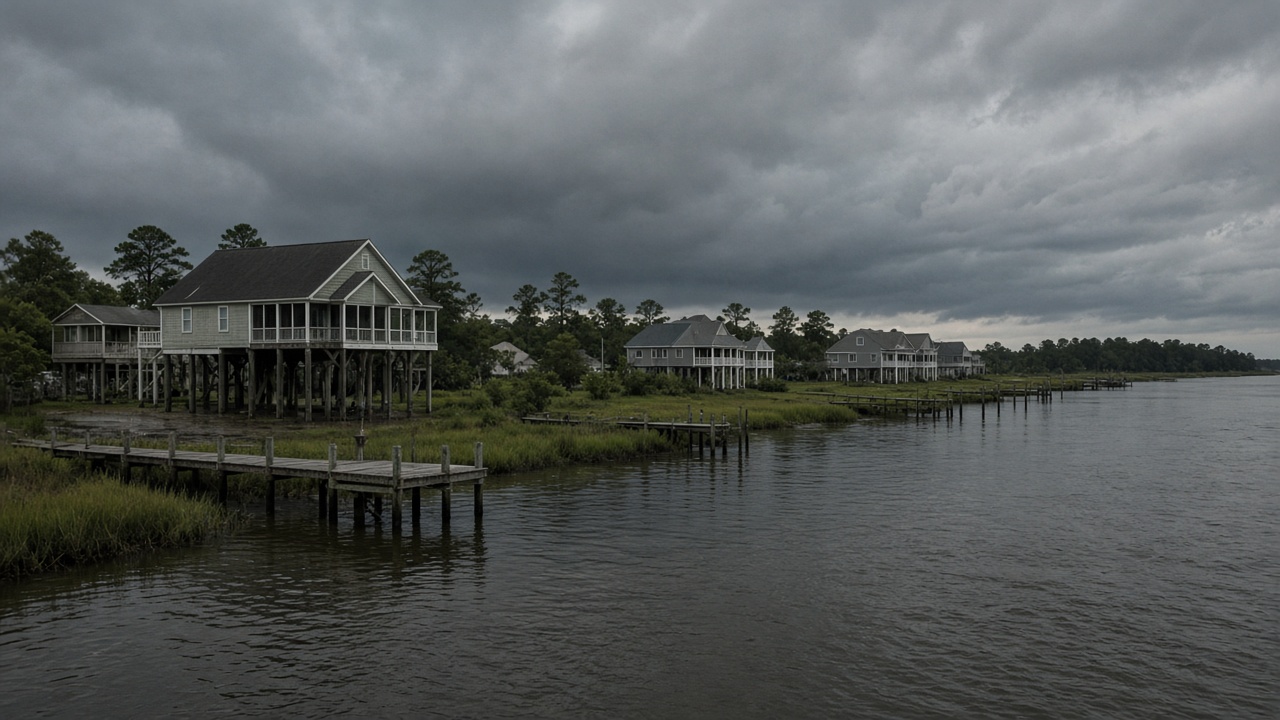
This article is for homeowners in Louisiana, Mississippi, Alabama and Florida who looked up Hurricane Isaias and want to know what it means for them. The short answer matters: Isaias did not make landfall in the Gulf states. It tracked up the United States East Coast, so the Gulf Coast was largely spared. But the storm still carries real, practical lessons for anyone who owns a home where hurricanes can reach.
Below you'll find what Isaias actually did, why Gulf Coast homeowners should still care, and a step-by-step checklist drawn from FEMA, NOAA, the National Weather Service, USGS, the CDC and Ready.gov.
What Hurricane Isaias Actually Did — and What It Didn't Do
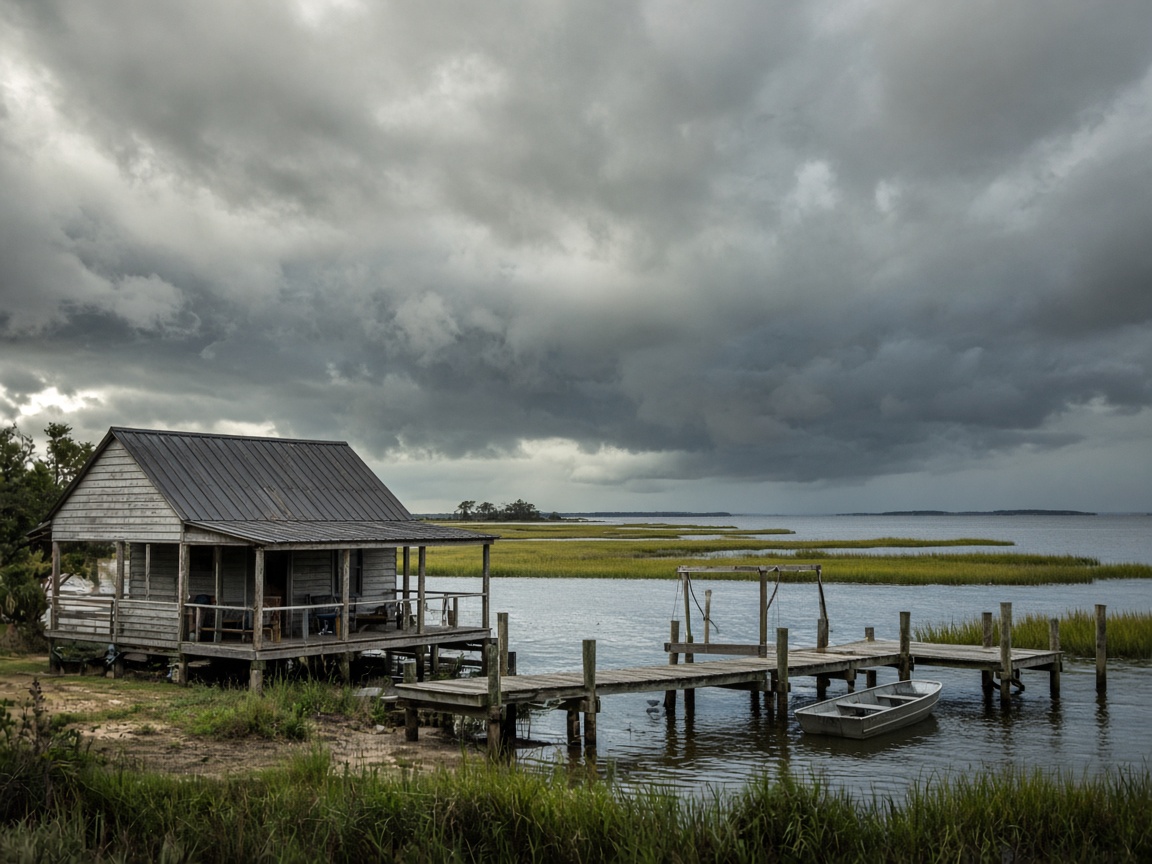
Hurricane Isaias formed in the Atlantic during the 2020 hurricane season. It strengthened into a hurricane as it moved through the Bahamas, passed near Florida's Atlantic coast, and made landfall in the United States in North Carolina as a Category 1 hurricane before racing up the Eastern Seaboard.
That track is why this article is cautious. Isaias produced its most serious US impacts well away from the Gulf of Mexico:
- Florida: the Atlantic coast saw tropical storm conditions, heavy rain, gusty winds and dangerous surf. The state's Gulf Coast was largely unaffected.
- Louisiana, Mississippi and Alabama: not in the storm's path.
- Inland and northern states: some of the worst damage occurred far from the landfall point, including tornadoes, downed trees, coastal flooding and widespread power outages in the mid-Atlantic and Northeast.
That last point is the takeaway. The National Hurricane Center and the National Weather Service consistently stress that wind, rain, tornadoes and flooding can cause serious damage hundreds of miles from where a storm comes ashore. A hurricane is never only a beach problem.
Why Gulf Coast Homeowners Should Still Pay Attention
Your hurricane risk does not depend on any single storm. FEMA's National Risk Index shows that many Gulf Coast counties rank among the highest-risk areas in the country for hurricanes, coastal flooding and riverine flooding. Living there means preparing for the season, not reacting to one forecast.
Two threats deserve special attention:
- Storm surge. The National Hurricane Center describes storm surge as often the greatest threat to life and property from a tropical cyclone. It can push water far inland along bays, rivers and canals.
- Rain flooding. In recent years, freshwater flooding from heavy rainfall has become a leading cause of death in tropical cyclones — and it happens well inland, not just on the coast.
Step 1: Know Your Flood Zone and Your Real Risk
Start with the facts about your own address. FEMA's Flood Map Service Center lets you look up your property's flood zone for free. Knowing your zone tells you whether your lender requires flood insurance, how your community regulates construction, and roughly how likely flooding is where you live.
Remember: flood zones are based on mapped risk. Flooding can and does happen outside high-risk zones, especially from rainfall-driven events.
Step 2: Get Flood Insurance — It Is Not Part of Your Homeowners Policy
This is the single most common and costly misunderstanding among coastal homeowners. A standard homeowners policy typically does not cover flood damage. Flood coverage comes from the National Flood Insurance Program (NFIP) or a private insurer.
- NFIP policies generally have a 30-day waiting period before coverage begins. You cannot buy coverage as a storm approaches.
- Coverage is usually split between building and contents. Many homeowners buy only building coverage and discover afterward that furniture, appliances and personal belongings were not insured.
- Renters can buy contents-only coverage.
- Ask your agent in writing what your deductible is for hurricane and flood claims, and whether there is a separate hurricane deductible.
Learn more at FloodSmart and FEMA's flood insurance page.
Step 3: Build a Hurricane Plan Before the Season Starts
Ready.gov's hurricane guidance recommends deciding now — not during a watch — how your household will respond. Your plan should answer:
- Where will we go, and by what route, if we evacuate?
- Who else needs a ride or help — an older neighbor, a relative with mobility needs?
- What happens to pets? Many shelters and hotels do not accept animals.
- Where are our medications, prescriptions, insurance documents and IDs?
- How will family members reach each other if phone networks are congested? Text messages often get through when calls do not.
Step 4: Harden the House Before the Storm Forms
Most of this work must be done in calm weather. Once a warning is issued, stores sell out and contractors are booked.
- Roof and gutters: replace missing shingles, seal flashing, and clear gutters and downspouts so water drains away from the foundation.
- Trees and yard: trim dead limbs and remove anything loose that could become a projectile — patio furniture, grills, trash cans, trampolines.
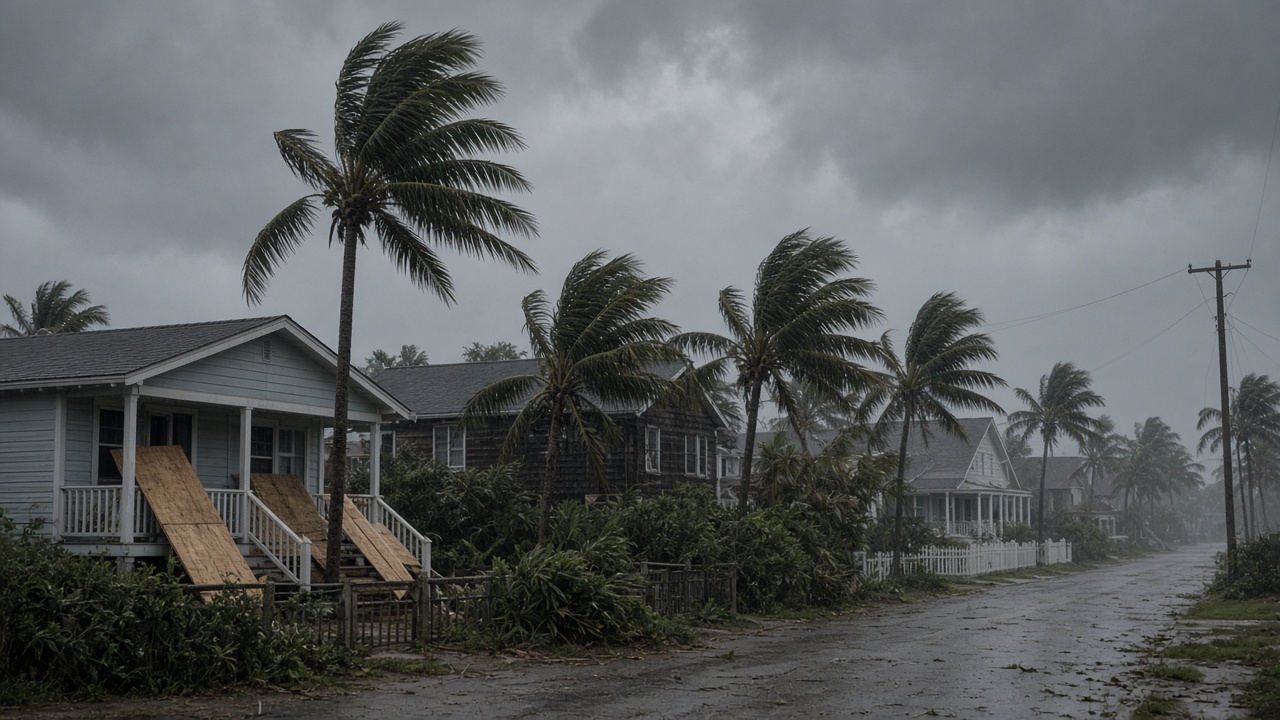
- Window protection: install permanent storm shutters, or precut and label plywood panels sized to each opening. Tape does not protect glass.
- Garage door: garage doors are a common failure point in high wind. Ask a qualified installer about reinforcement or a rated door.
- Water entry: check that the ground slopes away from the house, and consider a sump pump and a backflow valve if your area has a history of sewer backup.
Step 5: Prepare for Power Outages — and Use Generators Safely
One of the defining features of Isaias was how far inland the power outages reached. Long outages are common after hurricanes, even for homes far from the coast.
- Have flashlights, batteries and battery-powered or hand-crank radios on hand — not candles.
- Keep phones charged and consider a portable power bank.
- Never run a generator indoors, in a garage, in a carport or near a window. The CDC warns that generators can produce deadly carbon monoxide, an odorless gas. Place them outside, well away from doors and windows.
- Never use a gas stove, oven or charcoal grill to heat your home.
- If you rely on powered medical equipment, have a plan and a backup power source.
See Ready.gov's power outage guidance for details.
Step 6: Assemble a Supply Kit
Ready.gov's build-a-kit page recommends, at minimum:
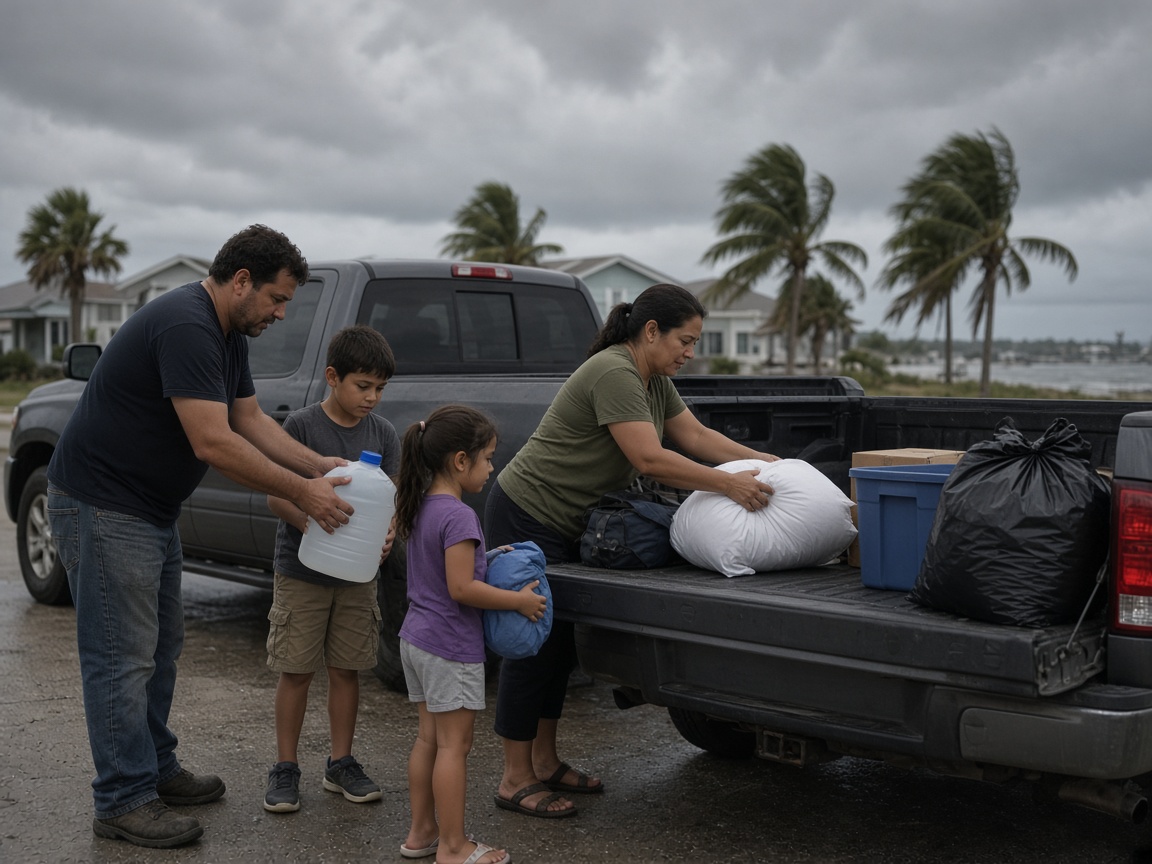
- One gallon of water per person per day for several days, for drinking and sanitation
- Several days of non-perishable food
- Flashlight, batteries, first aid kit, whistle
- Prescription medications and a written medication list
- Phone chargers, cash, and copies of important documents in a waterproof container
- Pet food, supplies and vaccination records
Step 7: Understand Watches, Warnings and Evacuation Orders
Know the difference, because it determines how much time you have:
- Hurricane watch: hurricane conditions are possible, typically issued about 48 hours before the expected arrival of tropical-storm-force winds. Review your plan and top off supplies.
- Hurricane warning: hurricane conditions are expected, typically issued about 36 hours ahead. Finalize preparations.
- Storm surge watch/warning: issued specifically for life-threatening inundation from rising water moving inland.
- Evacuation order: if local officials tell your zone to leave, leave. Evacuation zones are based on surge and flooding risk, not on how strong the storm "feels" where you are standing.
Follow your parish, county or state emergency management agency for local evacuation zones and shelter information.
Official sources
- Ready.gov — Hurricanes
- Ready.gov — Build a Kit
- Ready.gov — Power Outages
- NOAA National Hurricane Center
- National Weather Service
- FEMA
- FEMA National Risk Index
- FEMA Flood Map Service Center
- FEMA — Flood Insurance / NFIP
- FloodSmart
- CDC
- USGS
- Drought.gov / U.S. Drought Monitor
Bottom line
Hurricane Isaias was not a Gulf Coast storm, so homeowners in Louisiana, Mississippi, Alabama and Florida should not treat it as a warning about one forecast — they should treat it as a reminder. Its most damaging effects showed up far from landfall, which is exactly why preparation has to happen before a storm has a name. Check your flood zone, talk to your insurance agent this month about flood coverage and its 30-day waiting period, harden your roof, doors and garage, and rehearse your evacuation plan with your household. The work you do on a clear day is the work that protects your home when the next storm turns your way.
About our guidance
Our guides are grounded in publicly available information from official sources such as FEMA, NOAA, USGS and Ready.gov. Information is general in nature — always verify details for your specific property and policy with official sources and your insurer.
Related guides
 Hurricane PrepTropical Storm Watch: What Homeowners Need to Do NowWhen a tropical storm watch is issued, you have about 48 hours to prepare. Learn the difference between a watch and warning, and…Oct 8, 2026Read guide →
 InsuranceLender-Placed Flood Insurance: The Expensive Backup If Your Policy LapsesYour lender can force-place flood insurance if your policy lapses — and bill you for it, usually at a higher price. Here is how…Oct 15, 2026Read guide →
 InsuranceWhat Happens to Your NFIP Policy If Congress Lets the Program LapseCongress extended the NFIP through December 11, 2026. If the program lapses, existing policies stay in force and claims get paid…Oct 15, 2026Read guide →