
USGS Earthquake Hazard Maps: What the Colors Mean for Your Home
4 min read

On this page
The USGS earthquake hazard maps use a color scale to show the likelihood of strong shaking in your area. Learn what each color means and how to use this information to protect your home.
Introduction
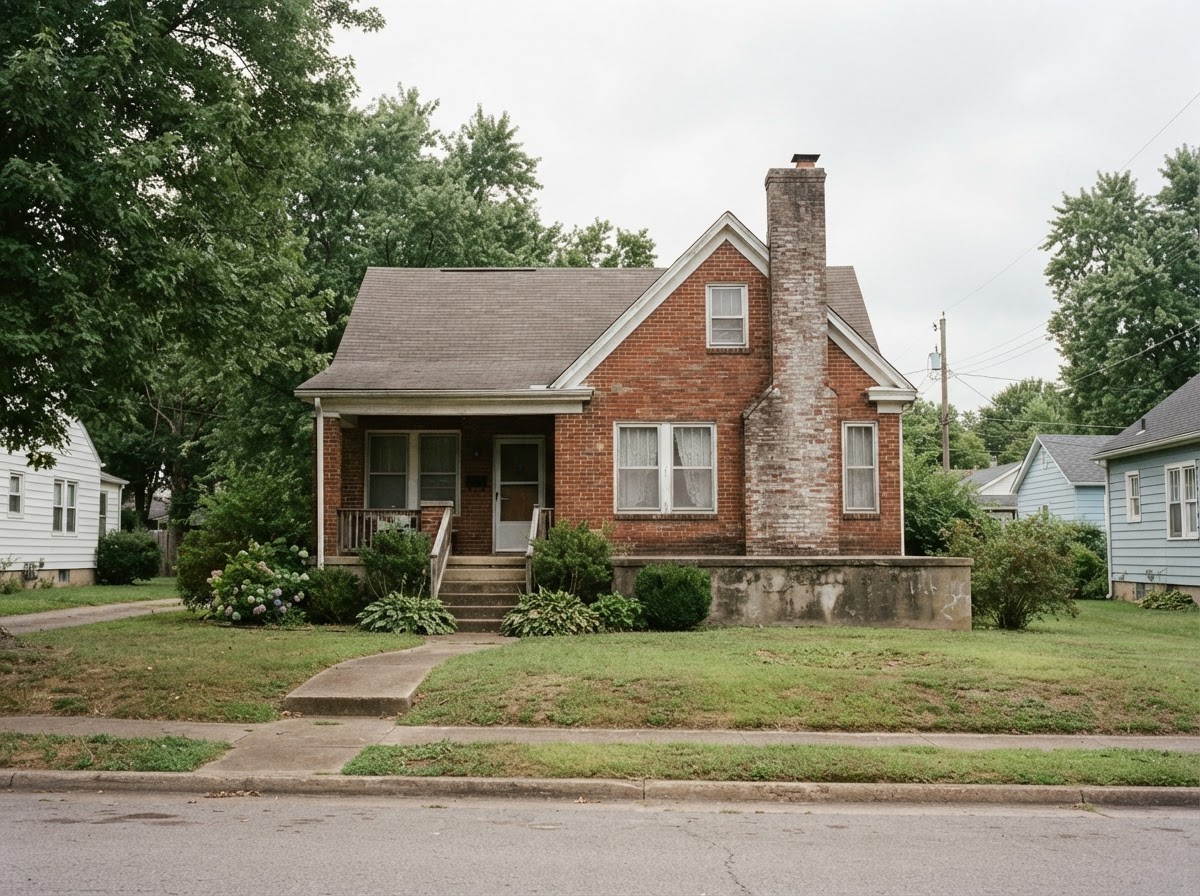
The U.S. Geological Survey (USGS) publishes National Seismic Hazard Maps that show the probability of strong earthquake shaking across the United States. These maps use a color scale—from green to red—to indicate where earthquakes are more likely to occur and how intense the shaking might be. Understanding these colors can help you assess your home's risk and take steps to prepare. This article explains what the colors mean, how to find your hazard level, and what actions you can take based on your zone.
Understanding the Color Scale
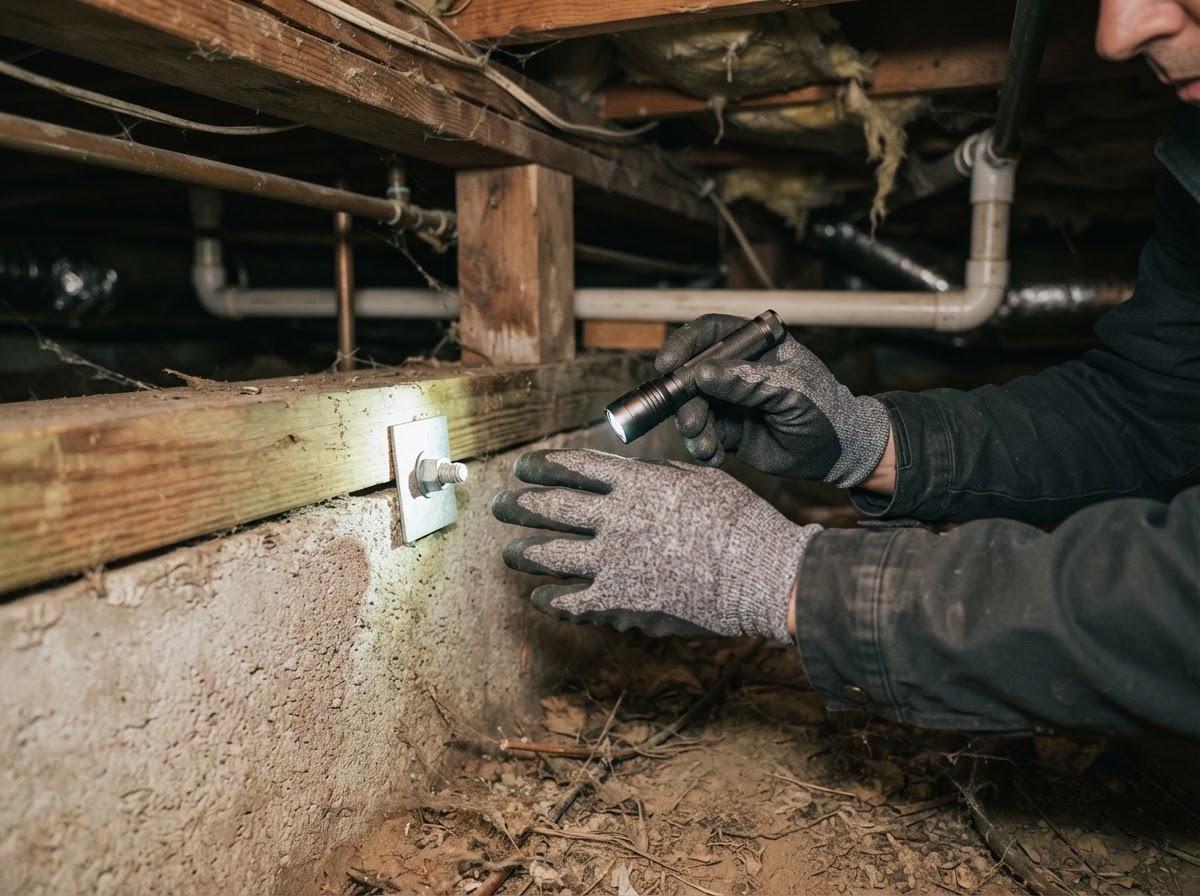
The USGS hazard maps are based on the National Seismic Hazard Model (NSHM). The colors represent the probability that ground shaking will reach a certain intensity level within a 50-year period. The scale typically runs from green (low hazard) through yellow, orange, and red (very high hazard).
- Green: Low hazard. Shaking is unlikely to cause damage to well-built structures. Probability of strong shaking is less than 2% in 50 years.
- Yellow to Light Orange: Moderate hazard. Some shaking is possible. Probability of strong shaking is between 2% and 10% in 50 years.
- Orange: High hazard. Strong shaking is likely. Probability is between 10% and 20% in 50 years.
- Red to Dark Red: Very high hazard. Severe shaking is expected. Probability exceeds 20% in 50 years.
These probabilities are based on historical earthquakes, geological data, and fault studies. The maps are updated periodically—the most recent was released in 2023. You can view the current map at the USGS Earthquake Hazards Program website.
What the Colors Mean for Your Home's Safety
The hazard level indicated by the map is just one piece of the puzzle. It tells you the likely intensity of shaking, but the actual damage to your home depends on factors like construction quality, foundation type, and soil conditions. For example, a home built before modern building codes may be more vulnerable, even in a green zone. Conversely, a well-retrofitted home in a red zone could fare better.
For homes in high or very high hazard areas (orange/red): The risk of damage from earthquakes is significant. Consider a professional seismic retrofit to strengthen your foundation, anchor walls, and secure heavy objects. The FEMA Retrofit Guidance provides detailed recommendations.
For homes in moderate hazard areas (yellow/light orange): While less likely, damaging earthquakes are still possible. Basic preparedness steps, like securing water heaters and bookcases, can reduce risk. Check your home for unbraced cripple walls or unanchored furniture.
For homes in low hazard areas (green): The chance of strong shaking is small, but not zero. It’s still wise to have an emergency plan and a basic earthquake kit. Refer to the Ready.gov Earthquake Preparedness guide.
How to Find Your Area's Hazard Level
To see the hazard level for your specific location, visit the USGS interactive map at https://www.usgs.gov/natural-hazards/earthquake-hazards/hazards. Enter your address or zip code to view the color code. The map also allows you to select different probability levels (e.g., 2% in 50 years for strong shaking). For state-specific details, check your state geological survey or emergency management office.
Beyond the Map: Other Factors to Consider
The USGS hazard map is a regional overview, but local conditions can amplify or reduce shaking. Here are three key factors:
- Soil type: Soft soils (like those in river valleys or fill areas) can amplify shaking. Hard rock sites tend to experience less intense shaking. The USGS Design Maps include soil classifications.
- Building construction: Older homes with unbolted foundations or unreinforced masonry are more vulnerable. Homes built after 1990 in high-risk areas often meet stricter codes.
- Proximity to faults: Even in a green zone, being very close to an active fault puts you at higher risk for direct rupture. Check the USGS Fault Database for fault lines near you.
Actionable Steps for Homeowners Based on Your Color Zone
Regardless of your hazard zone, take these steps to protect your home and family:
- Create an emergency plan: Include a meet-up spot, contact information, and a supply kit with water, food, and medications. Ready.gov kit checklist.
- Secure heavy items: Anchor bookshelves, televisions, and water heaters. Use brackets or straps.
- Check your foundation: If your home has a crawlspace, ensure the cripple walls are braced. For slab foundations, ensure bolts are properly placed.
- Professional assessment: In orange or red zones, hire a structural engineer to evaluate your home. The FEMA P-50 Guide offers a simplified retrofit checklist.
Conclusion
The USGS earthquake hazard map is a valuable tool for understanding your region's earthquake risk. The colors—from green to red—indicate the likelihood of strong shaking. Use this information to prioritize home improvements and emergency preparedness. No matter your color zone, taking proactive steps can reduce damage and keep your family safe. Visit Ready.gov and USGS for more resources.
About our guidance
Our guides are grounded in publicly available information from official sources such as FEMA, NOAA, USGS and Ready.gov. Information is general in nature — always verify details for your specific property and policy with official sources and your insurer.
Related guides
 InsuranceLender-Placed Flood Insurance: The Expensive Backup If Your Policy LapsesYour lender can force-place flood insurance if your policy lapses — and bill you for it, usually at a higher price. Here is how…Oct 15, 2026Read guide →
 InsuranceWhat Happens to Your NFIP Policy If Congress Lets the Program LapseCongress extended the NFIP through December 11, 2026. If the program lapses, existing policies stay in force and claims get paid…Oct 15, 2026Read guide →
 InsuranceExcess Flood Insurance: Coverage Above NFIP's $250,000 LimitThe NFIP caps flood coverage at $250,000 for the building and $100,000 for contents. If your home would cost more to rebuild,…Oct 15, 2026Read guide →