
What Is a FAIR Plan? When Homeowners Need This Backup Coverage
4 min read

On this page
A FAIR plan provides property insurance when private insurers won't cover you due to high risk. Learn how it works, when to get it, and how it differs from standard policies.
What Is a FAIR Plan?
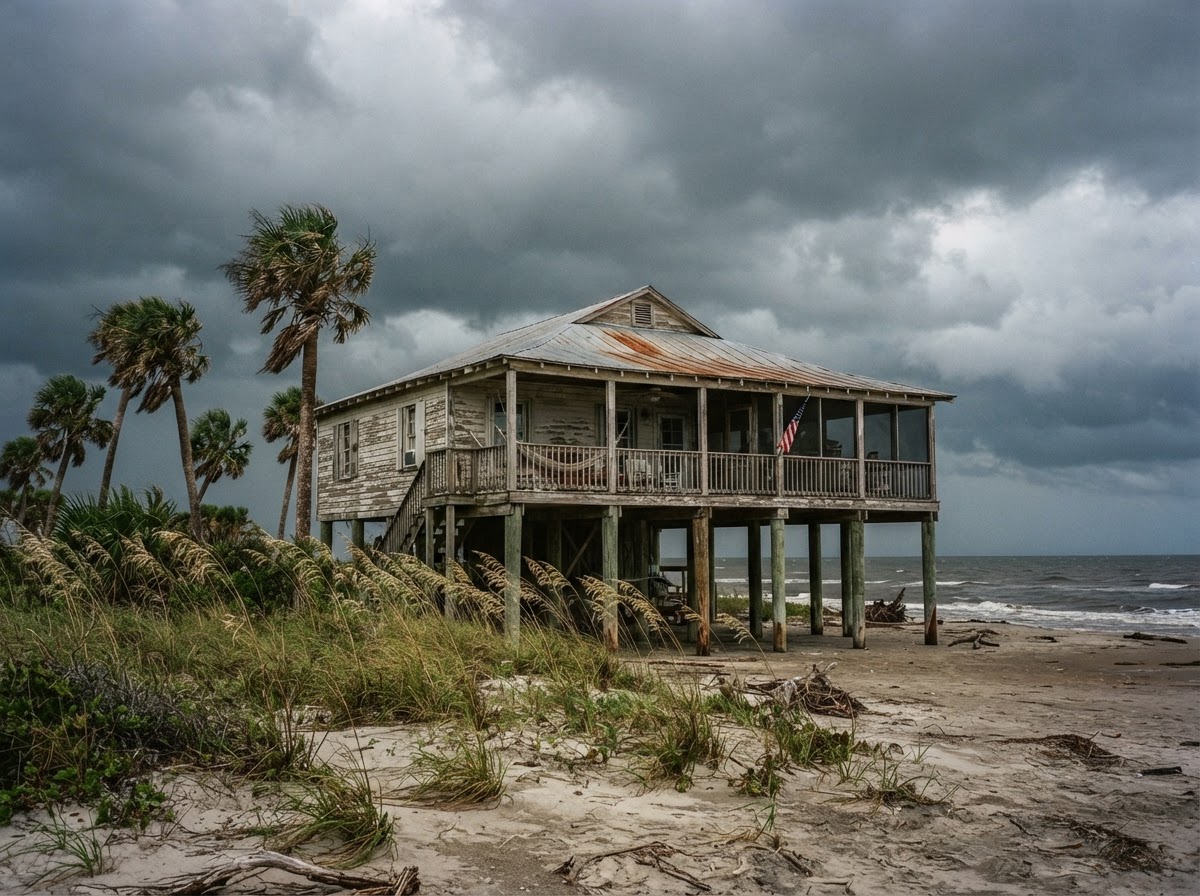
A FAIR (Fair Access to Insurance Requirements) plan is a state-mandated insurance program designed to provide basic property coverage to homeowners who cannot obtain insurance through the voluntary market. These plans are not offered by private insurers but by a state-created pool or association, often referred to as the "insurer of last resort." FAIR plans exist in over 30 states and the District of Columbia, each with its own rules and coverage limits.
The primary purpose of a FAIR plan is to ensure that homeowners in high-risk areas—such as those prone to wildfires, hurricanes, or earthquakes—can still get coverage when no private insurer will insure them. However, FAIR plans typically offer only basic fire, lightning, and extended coverage (e.g., wind, hail, vandalism). They do not include liability coverage or theft, which you would need to purchase separately through a "difference in conditions" (DIC) policy.
When Does a Homeowner Need a FAIR Plan?
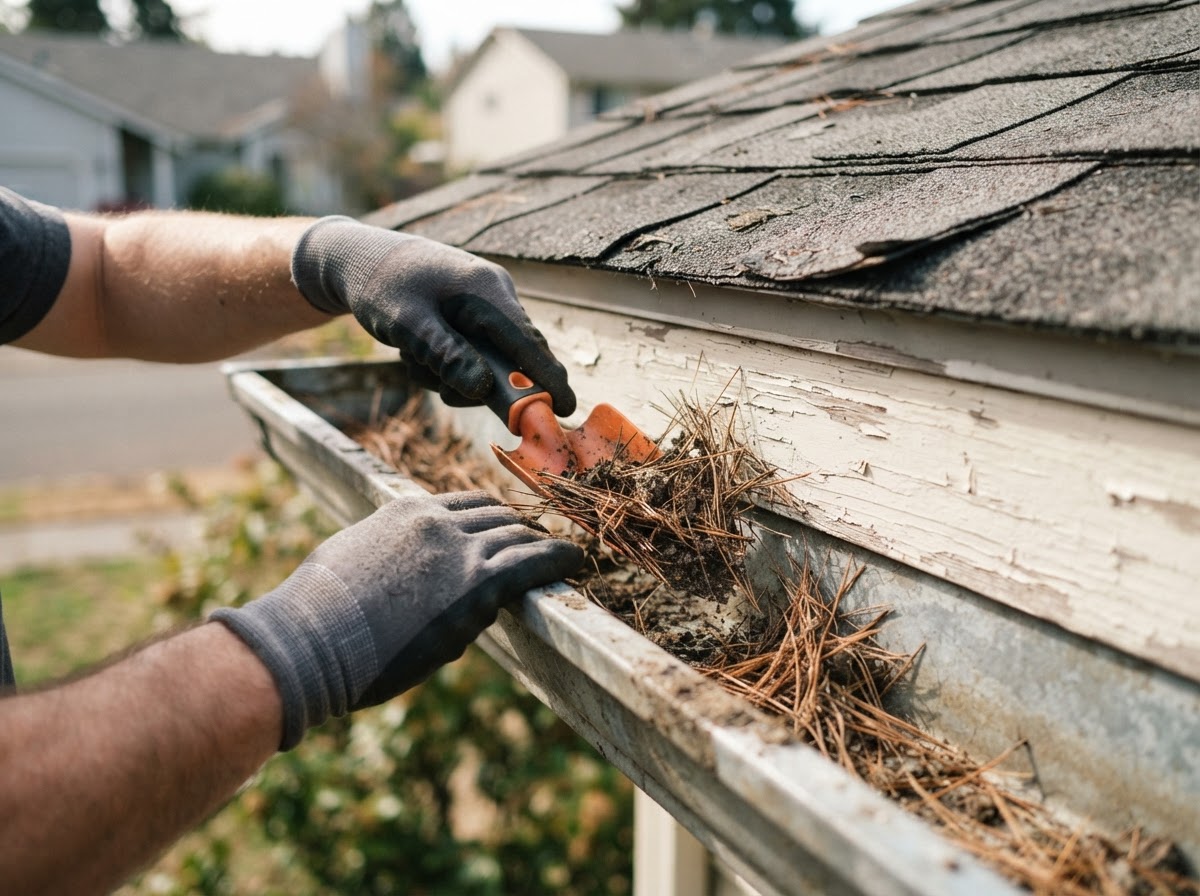
You might need a FAIR plan if you live in an area considered high-risk by insurers, such as a wildfire-prone zone in California, hurricane-prone coastal areas in Florida, or earthquake-prone regions in California. Specific triggers include:
- Multiple claim denials from private insurers due to location-specific risks.
- Policies canceled or not renewed because of increased risk assessment (e.g., after a nearby wildfire).
- Property issues like older roofs, deferred maintenance, or vacant homes that private insurers won't cover.
- Living in a state with a FAIR plan (check your state's department of insurance website for eligibility).
Even if you qualify for standard insurance, a FAIR plan can serve as a temporary solution while you shop for private coverage or make risk-reduction improvements to your home.
How FAIR Plans Work
Apply directly through your state's FAIR plan association or a licensed insurance agent. The plan will inspect your property to ensure it meets minimum safety standards (e.g., working smoke alarms, no significant fire hazards). If approved, coverage is usually for one year and can be renewed as long as you remain ineligible for private insurance.
Premiums are typically higher than standard policies and may be subject to state rate caps. Deductibles can also be higher. Because FAIR plans are designed as a safety net, they often have lower coverage limits (e.g., $600,000 for dwelling coverage in California). For full protection, you should pair a FAIR plan with a DIC policy that adds liability, theft, and other perils.
Important Differences from Standard Homeowners Insurance
- Coverage scope: FAIR plans are narrower—usually fire, lightning, wind, hail, and vandalism. No liability, theft, or additional living expenses.
- Cost: Often more expensive due to higher risk pool.
- Eligibility: Only available if you've been denied by private insurers or meet state-defined criteria.
- Renewability: May be non-renewed if the property fails to meet safety standards.
When to Avoid a FAIR Plan
If you can get standard insurance—even at a higher price—it's usually better. Standard policies include broader coverage, liability protection, and endorsements for valuable items. FAIR plans should be a last resort, not a first choice.
How to Apply for a FAIR Plan
- Check your state's FAIR plan availability. Visit your state department of insurance website. For example, California's FAIR plan is managed by the California FAIR Plan Association.
- Gather documentation: Proof of denial letters from at least one private insurer (if required), property details, and photos.
- Find a licensed agent who offers FAIR plan policies—many independent agents can help.
- Complete the application and pay the initial premium. Expect a property inspection.
- Review the policy carefully and consider buying a DIC policy for full coverage.
Example: Wildfire-Prone California
After the 2017-2018 wildfire seasons, many Californians faced non-renewals. The California FAIR Plan covered over 200,000 policies as of 2023. However, it provides only basic fire coverage, so homeowners must purchase separate liability and personal property insurance. The California Department of Insurance offers a consumer guide for those considering the FAIR plan.
Conclusion
If you live in a high-risk area and can't get standard insurance, a FAIR plan can bridge the gap—but treat it as a short-term solution. Simultaneously, work on mitigating risks (e.g., hardening your home against wildfire, elevating structures in flood zones) to eventually qualify for private insurance. Always consult with a licensed insurance agent and your state's insurance department for personalized guidance.
About our guidance
Our guides are grounded in publicly available information from official sources such as FEMA, NOAA, USGS and Ready.gov. Information is general in nature — always verify details for your specific property and policy with official sources and your insurer.
Related guides
 InsuranceLender-Placed Flood Insurance: The Expensive Backup If Your Policy LapsesYour lender can force-place flood insurance if your policy lapses — and bill you for it, usually at a higher price. Here is how…Oct 15, 2026Read guide →
 InsuranceWhat Happens to Your NFIP Policy If Congress Lets the Program LapseCongress extended the NFIP through December 11, 2026. If the program lapses, existing policies stay in force and claims get paid…Oct 15, 2026Read guide →
 InsuranceExcess Flood Insurance: Coverage Above NFIP's $250,000 LimitThe NFIP caps flood coverage at $250,000 for the building and $100,000 for contents. If your home would cost more to rebuild,…Oct 15, 2026Read guide →