
When Standard Insurers Say No: FAIR Plans Explained
4 min read
On this page
If you're having trouble getting homeowners insurance due to high risk, state FAIR Plans provide a safety net. Learn how they work, what they cover, and how to get one.
Standard homeowners insurance is often a requirement for a mortgage and a vital financial safety net. But what happens if no standard insurer will cover your home? For many homeowners in high-risk areas—prone to wildfires, hurricanes, crime, or other hazards—the private insurance market may be unavailable or unaffordable. In these situations, state-mandated Fair Access to Insurance Requirements (FAIR) Plans offer a last-resort option. This guide explains how FAIR Plans work, their limitations, and how to apply.
What Is a FAIR Plan?
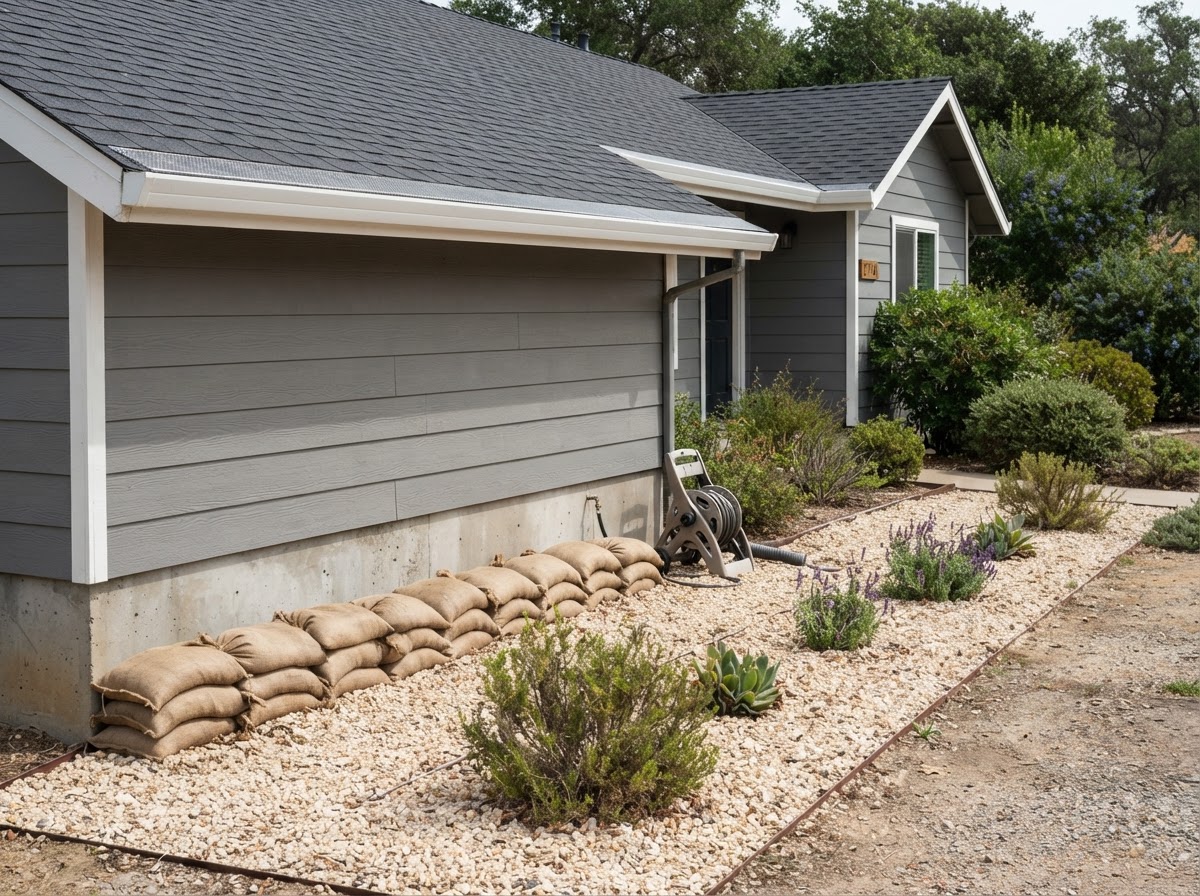
A FAIR Plan is a state-run or state-mandated insurance pool that provides basic property insurance to homeowners who cannot obtain coverage in the standard private market. Currently, more than 30 states and the District of Columbia operate FAIR Plans, typically for fire and wind coverage. These plans are not intended to compete with standard insurance—they are a safety net.
Why You Might Need a FAIR Plan

You may be eligible for a FAIR Plan if you have been denied coverage by at least one or two standard insurers due to your property's risk profile. Common reasons include:
- Location in a high wildfire risk area (see USGS wildfire hazard maps)
- High wind or hurricane risk (check NOAA hurricane resources)
- Older homes with outdated electrical, plumbing, or roofing
- High crime rates in your community
- Previous large insurance claims
If you've received declination letters from insurers, contact your state insurance department to learn about your state's FAIR Plan eligibility rules.
What Does a FAIR Plan Cover?
FAIR Plans are designed to provide basic coverage, but they vary by state. In general, they cover:
- Fire and lightning (most common)
- Windstorm and hail (in many coastal states)
- Vandalism and malicious mischief
- Smoke damage
However, FAIR Plans typically do not cover:
- Water damage from flooding (you need FEMA's National Flood Insurance Program)
- Earthquake damage (requires separate earthquake insurance)
- Personal liability (often not included; you may need a separate liability policy)
- Theft or personal property replacement (many plans limit or exclude this)
- Additional living expenses if your home is uninhabitable
Read your policy carefully. FAIR Plans are sometimes called "fire insurance" because they originated to cover fire risk, but many now include other perils.
Limitations of FAIR Plans
While a FAIR Plan can be a lifeline, it comes with significant drawbacks:
- Higher premiums: FAIR Plan rates are usually higher than standard policies because they pool high-risk properties.
- Lower coverage limits: Maximum coverage may be capped, often far below the replacement cost of your home.
- Deductibles: You may face separate deductibles for wind and hail, sometimes as a percentage of the dwelling limit (e.g., 2-5%).
- No liability coverage: You must purchase a separate personal liability umbrella policy to protect against lawsuits.
- Strict underwriting: You may be required to make specific property improvements (like roof upgrades or defensible space clearing) to qualify.
Because of these limitations, a FAIR Plan should be viewed as a temporary or last-resort solution, not a long-term strategy.
How to Apply for a FAIR Plan
- Get declination letters: Most states require proof that you've been denied by at least one or two standard insurers. Contact those insurers and request a written refusal letter.
- Contact your state's FAIR Plan: Visit your state insurance department website or the National Association of Insurance Commissioners for a list of FAIR Plan administrators.
- Provide property details: You'll need to describe your home, its construction, and any risk factors. An inspection may be required.
- Compare with other options: Before committing, consider other alternatives like surplus lines insurers or specialized carriers. You can work with an independent insurance agent who can search the market.
Alternatives to FAIR Plans
Before turning to a FAIR Plan, explore these options:
- Surplus lines insurers: These are non-admitted insurers that can cover high risks but are not state-guaranteed. They may offer broader coverage than FAIR Plans.
- State-run wind pools: Some states (like Florida, Texas, Louisiana) have separate windstorm pools for hurricane-prone areas.
- Risk mitigation: Reducing your home's risk through wildfire defensible space, roof strengthening, or floodproofing may qualify you for standard coverage. Check Ready.gov's disaster preparedness tips for ideas.
- Federal assistance: For flood-only risk, FEMA's NFIP is a separate program.
Final Advice
A FAIR Plan is better than no insurance, but it should be a stepping stone. Use it to secure financing or meet legal requirements while you work to reduce your property's risk. Keep documentation of improvements you make, and reapply to standard insurers periodically. Contact your state insurance department for consumer guides specific to your area. Remember that federal disaster assistance is not a substitute for insurance—plan ahead.
For more resources, visit FEMA's website and your state insurance department.
About our guidance
Our guides are grounded in publicly available information from official sources such as FEMA, NOAA, USGS and Ready.gov. Information is general in nature — always verify details for your specific property and policy with official sources and your insurer.
Related guides
 InsuranceLender-Placed Flood Insurance: The Expensive Backup If Your Policy LapsesYour lender can force-place flood insurance if your policy lapses — and bill you for it, usually at a higher price. Here is how…Oct 15, 2026Read guide →
 InsuranceWhat Happens to Your NFIP Policy If Congress Lets the Program LapseCongress extended the NFIP through December 11, 2026. If the program lapses, existing policies stay in force and claims get paid…Oct 15, 2026Read guide →
 InsuranceExcess Flood Insurance: Coverage Above NFIP's $250,000 LimitThe NFIP caps flood coverage at $250,000 for the building and $100,000 for contents. If your home would cost more to rebuild,…Oct 15, 2026Read guide →