
Wildfire Defensible Space: The 0-5-30 Rule Explained
5 min read
On this page
Learn how to protect your home from wildfire using the 0-5-30 rule. This simple guide breaks down three zones of defensible space, with actionable tips from FEMA and Ready.gov.
What Is the 0-5-30 Rule?
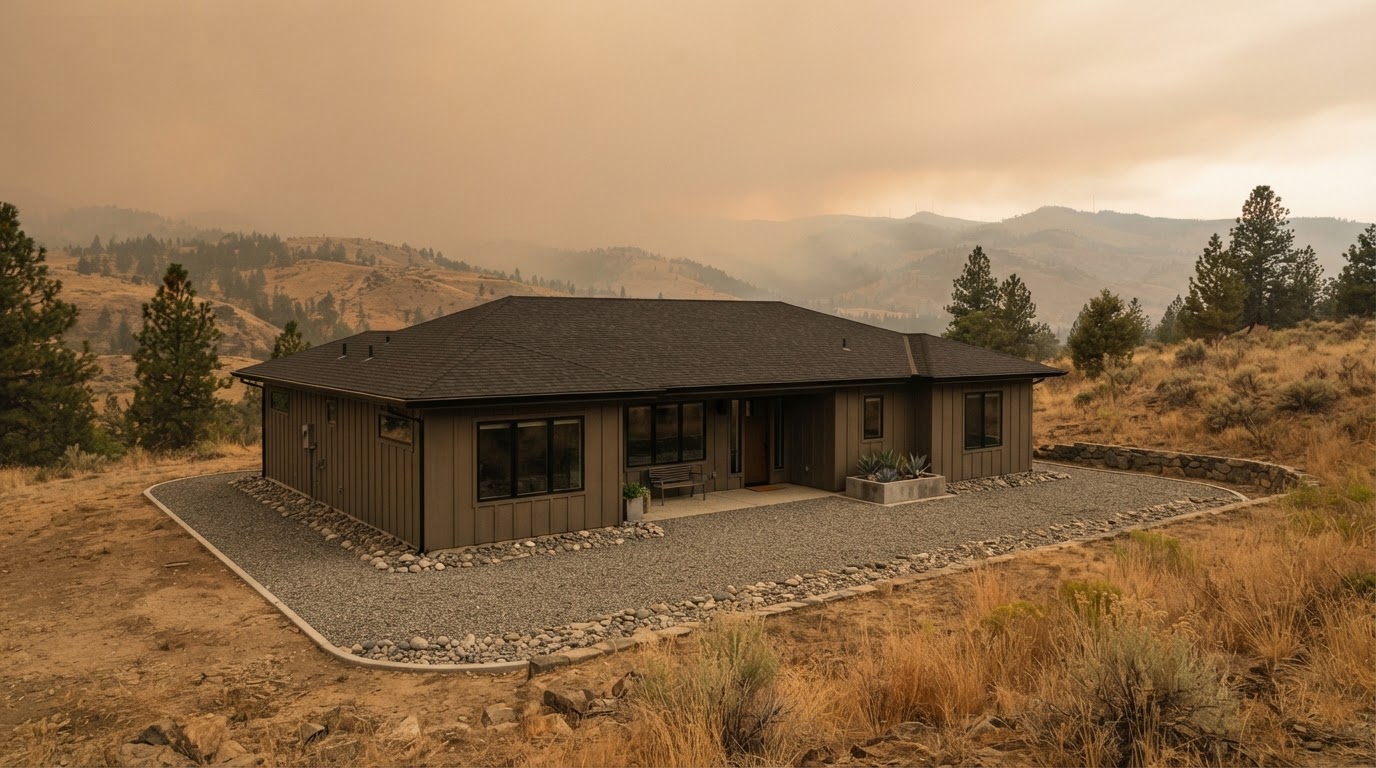
The 0-5-30 rule is a simple framework for creating defensible space around your home—the buffer zone you maintain to slow or stop wildfire spread. Developed by fire agencies and recommended by Ready.gov and FEMA, it divides the area around your home into three zones: 0–5 feet (the extremely vulnerable zone), 5–30 feet (the lean, clean, and green zone), and 30–100 feet or more (the reduced fuel zone). By treating each zone differently, you can dramatically improve your home’s chance of surviving a wildfire.
Zone 0: 0–5 Feet (The Immediate Zone)
This zone is the most critical. In recent years, experts have realized that embers are the primary way homes ignite during a wildfire. Embers can travel more than a mile ahead of the fire front, landing on your roof, deck, or against your foundation. Zone 0 is meant to be completely non-combustible.
What to do in Zone 0:
- Remove all flammable vegetation. No plants, mulch, or wood chips within 5 feet of your home. Use rocks, gravel, or bare soil instead.
- Clear debris from roof and gutters. Pine needles, leaves, and twigs can ignite from embers. Use gutter guards and inspect regularly.
- Replace combustible fencing that attaches directly to the house with metal or non-combustible materials.
- Store firewood, propane tanks, and other combustibles at least 30 feet away—not in this zone.
- Use non-combustible decking and siding if possible. If you have a wooden deck, consider retrofitting with fire-resistant materials or creating a 5-foot barrier of gravel under the deck.
This zone is also known as the “non-combustible zone.” The goal is to eliminate any material that can catch fire from embers. According to FEMA’s defensible space guidance, this simple step can cut home ignition risk by up to 50%.
Zone 1: 5–30 Feet (The Lean, Clean, and Green Zone)
This zone is designed to slow the fire’s advance and reduce its intensity. It’s still close enough that radiant heat and flames can affect your home, so careful landscaping is essential.
Key actions for Zone 1:
- Remove dead plants, grass, and weeds. Keep the area free of dry vegetation that can act as fuel.
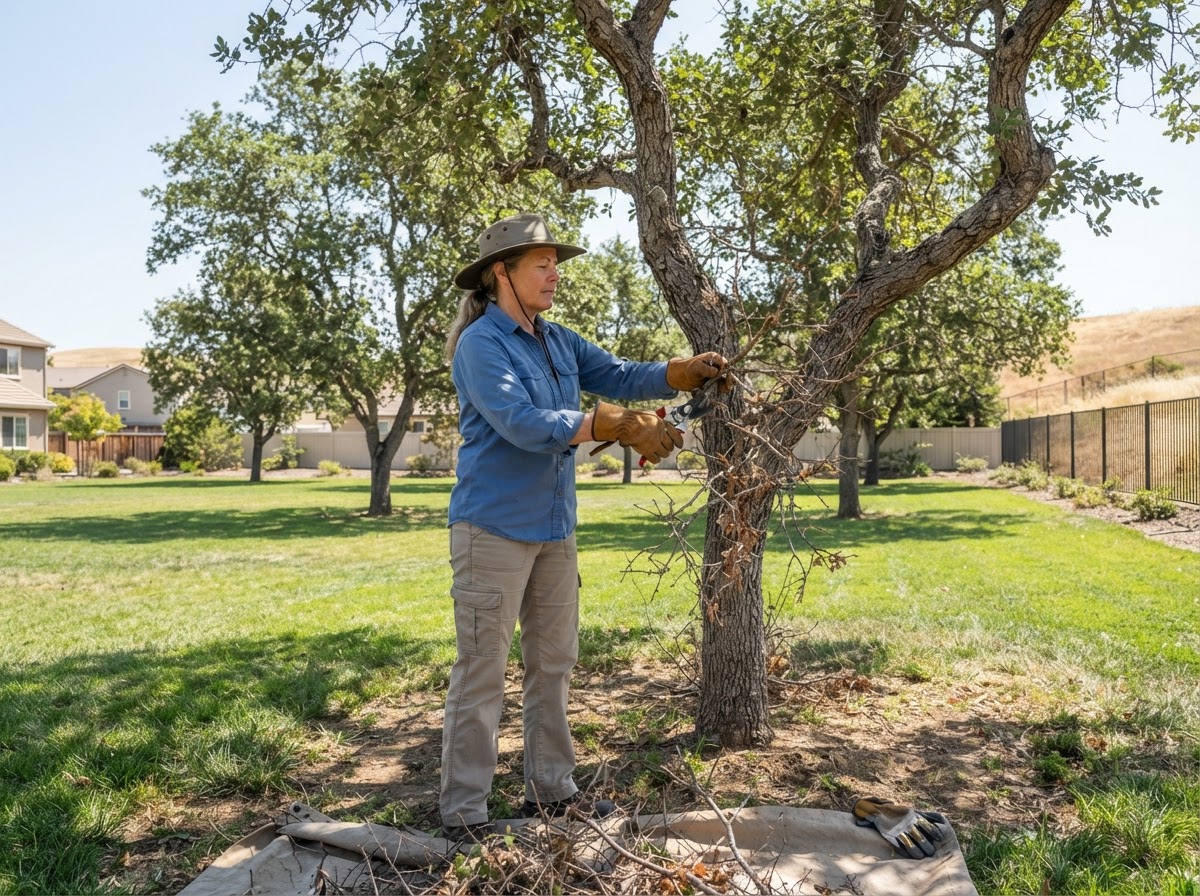
- Limit shrubs and trees. Space plants so they don’t create a continuous fuel path. Clusters of shrubs should be separated by at least 10 feet.
- Prune tree branches up to 10 feet above the ground to prevent ladder fuels—low branches that can carry fire from the ground into the canopy.
- Keep grass mowed to 4 inches or less. Many local ordinances require this during fire season.
- Choose fire-resistant plants. Succulents, many deciduous trees (like maple and poplar), and plants with high moisture content are better than conifers or resinous plants.
- Irrigate wisely. Keep plants well-watered but avoid over-watering that can lead to excess growth. Use drip irrigation to reduce water waste.
Ready.gov recommends creating “fuel breaks” within this zone—areas of bare ground or low-growing, non-flammable plants that interrupt the fire’s path. Driveways and gravel paths can also serve as fuel breaks.
Zone 2: 30–100 Feet (The Reduced Fuel Zone)
This zone is your outer layer of defense. It’s meant to reduce the energy of an approaching wildfire and give firefighters a safe area to work. If your property is on a slope, you may need to extend this zone to 200 feet or more, because fire moves faster uphill.
Actions for Zone 2:
- Thin trees and brush. Remove smaller trees and dense undergrowth to create space between tree crowns. Aim for 10–15 feet between tree canopies.
- Remove dead or dying trees. These are “lightning rods” for sparks and embers. Keep only healthy, well-spaced trees.
- Clear heavy accumulations of fallen branches, leaves, and pine needles. This reduces the amount of fuel on the ground.
- Encourage fire-resistant ground covers like native grasses that don’t carry fire well.
- Maintain access roads and driveways. Ensure emergency vehicles can reach your property. Trim branches that hang over the road to at least 14 feet clearance.
The U.S. Fire Administration notes that homes with good defensible space are more likely to survive a wildfire even without firefighter intervention. This zone is especially important if your home borders a forest, brushland, or large grassy area.
Putting It All Together
Creating defensible space does not require clear-cutting your entire property. The 0-5-30 rule is about strategic fuel management. Here are additional tips:
- Work with neighbors. Wildfire doesn’t obey property lines. Coordinate to create a community-wide buffer.
- Check local regulations. Many counties and states have specific defensible space laws—especially in California, Oregon, and Colorado. For example, California’s Ready for Wildfire program provides detailed guidance.
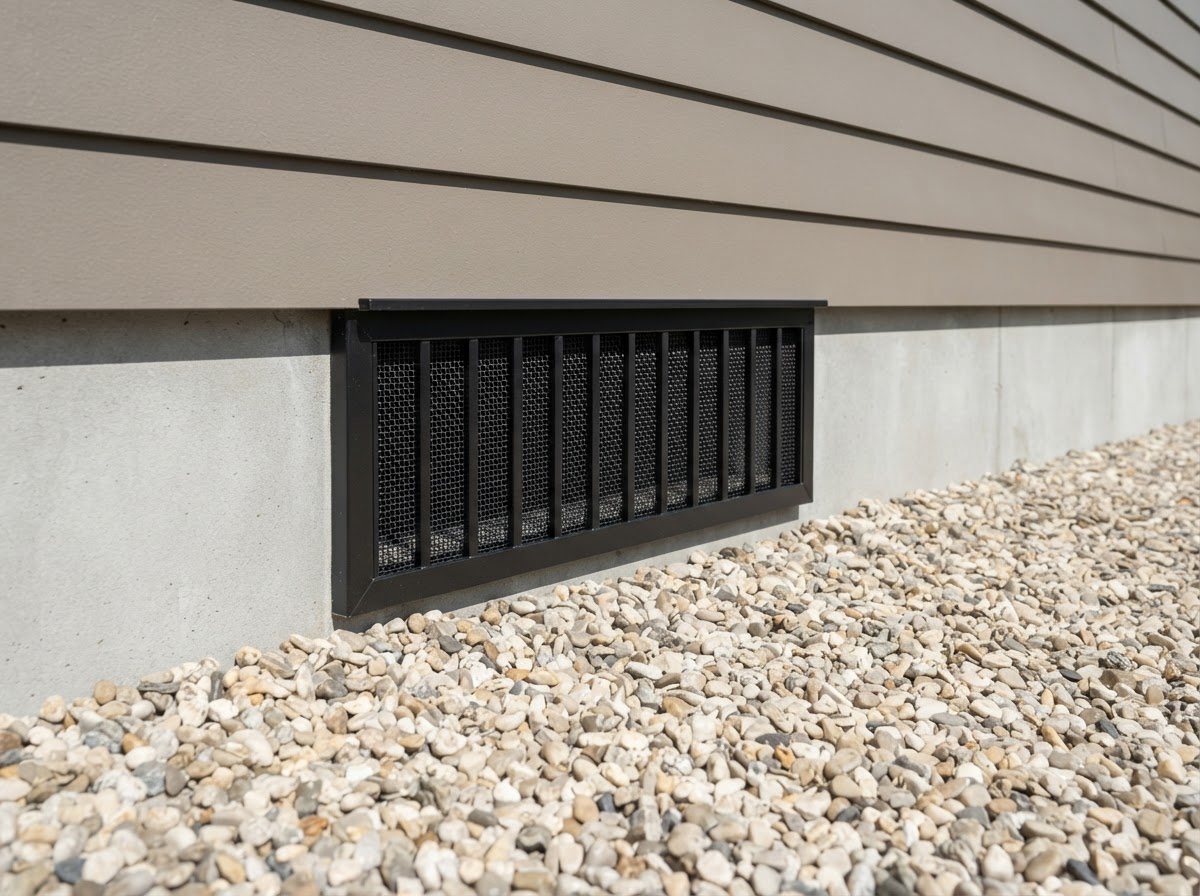
- Consider a home hardening audit. In addition to landscaping, check your roof (Class A fire rating), vents (1/8-inch mesh), and windows (dual-pane tempered glass). Defensible space works best with a home that is itself fire-hardened.
- Maintain your zones yearly. Vegetation grows back; mulch and debris accumulate. Schedule annual spring and fall inspections.
Conclusion: Your Actionable Next Steps
Start by evaluating your home using the 0-5-30 rule today. In the first hour, walk around your house and move anything flammable away from the foundation. Over the next weekend, tackle Zone 1: prune shrubs, mow grass, and remove dead plants. Then plan for Zone 2—thinning trees and clearing larger debris. By taking these steps, you’ll not only follow official guidance from FEMA and NOAA but also give your home a fighting chance during a wildfire. For a complete checklist, visit Ready.gov/wildfires. Your home and your family are worth the effort.
About our guidance
Our guides are grounded in publicly available information from official sources such as FEMA, NOAA, USGS and Ready.gov. Information is general in nature — always verify details for your specific property and policy with official sources and your insurer.
Related guides
 InsuranceLender-Placed Flood Insurance: The Expensive Backup If Your Policy LapsesYour lender can force-place flood insurance if your policy lapses — and bill you for it, usually at a higher price. Here is how…Oct 15, 2026Read guide →
 InsuranceWhat Happens to Your NFIP Policy If Congress Lets the Program LapseCongress extended the NFIP through December 11, 2026. If the program lapses, existing policies stay in force and claims get paid…Oct 15, 2026Read guide →
 InsuranceExcess Flood Insurance: Coverage Above NFIP's $250,000 LimitThe NFIP caps flood coverage at $250,000 for the building and $100,000 for contents. If your home would cost more to rebuild,…Oct 15, 2026Read guide →