
Wildfire Risk Zones: WUI, Defensible Space & Insurance
4 min read
On this page
Understanding the Wildland-Urban Interface, creating defensible space, and navigating insurance are key to protecting your home from wildfire. Learn what these terms mean and how to take action based on official guidelines.
Understanding Wildfire Risk Zones
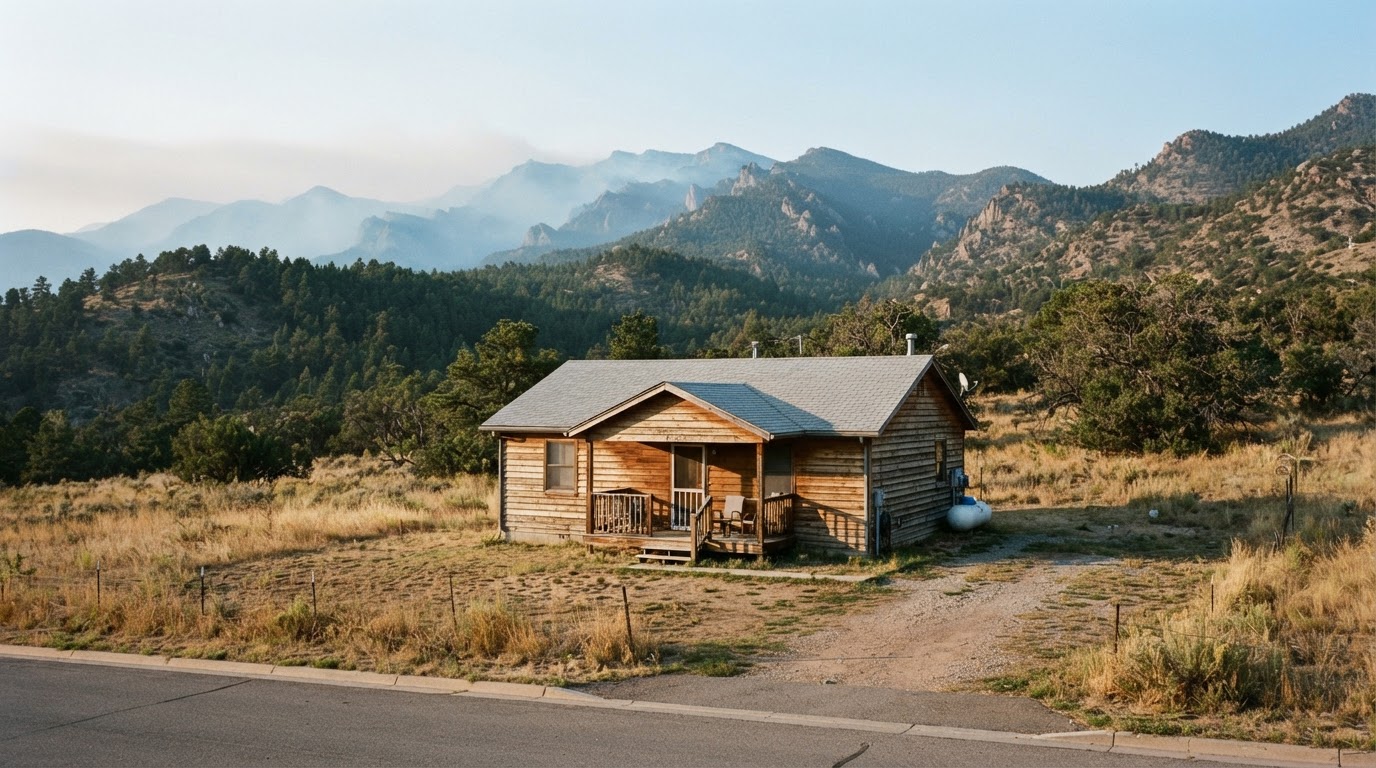
Wildfires are a growing threat to homes across the United States, especially in the West but also in other regions. To protect your property, you need to understand three critical concepts: the Wildland-Urban Interface (WUI), defensible space, and how insurance fits into the picture. This article explains each of these based on guidance from FEMA, Ready.gov, the U.S. Forest Service, and other official sources.
What is the Wildland-Urban Interface (WUI)?
The Wildland-Urban Interface is the zone where human development meets undeveloped wildland—areas with flammable vegetation. Homes in the WUI are at higher risk because they are close to fire-prone vegetation. According to the U.S. Forest Service, nearly one-third of U.S. homes are in the WUI. FEMA’s National Risk Index maps WUI areas to help homeowners assess their wildfire hazard. You can check if your home is in a WUI by using FEMA’s National Risk Index or your local county hazard map.
Why WUI Matters
WUI zones are where the most destructive wildfires occur. Homes in the WUI are often subject to stricter building codes and insurance requirements. Knowing your WUI status helps you prioritize mitigation efforts. Ready.gov provides detailed information on wildfire preparedness for WUI residents.
Defensible Space: Your First Line of Defense
Defensible space is the buffer you create between your home and the surrounding wildland vegetation. It slows the spread of wildfire and provides a safe area for firefighters to defend your home. The National Fire Protection Association (NFPA) recommends a three-zone system based on distance from your home.
Zone 1: Immediate Zone (0–5 feet from home)
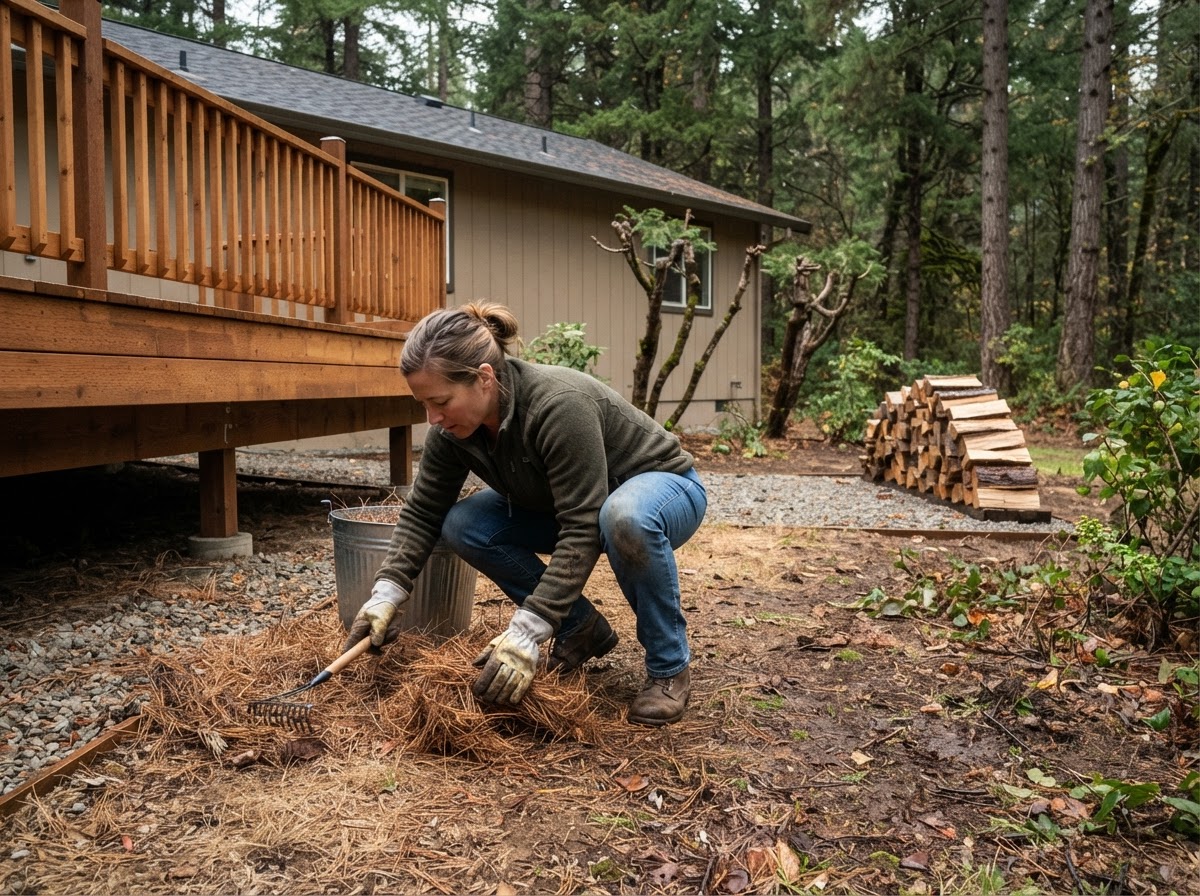
This is the most critical zone. Use non-flammable landscaping materials like rock, gravel, or concrete. Remove all dead plants, leaves, and debris from roofs and gutters. Keep firewood, propane tanks, and other combustibles away. Trim tree branches that overhang your roof. The Ready.gov defensible space guide recommends using hardscape such as stone patios.
Zone 2: Intermediate Zone (5–30 feet)
Create breaks in vegetation. Mow grass to a maximum height of 4 inches. Remove dead branches and prune tree branches up to 6–10 feet from the ground. Use spaced plantings with low-growing, fire-resistant plants. Keep trees at least 10 feet apart. Clear all leaves and pine needles from the ground.
Zone 3: Extended Zone (30–100 feet, or to property line)
In this zone, reduce the amount of continuous vegetation. Remove ladder fuels (small trees and shrubs that allow fire to climb into tree canopies). Keep branches away from power lines. Maintain a tree canopy spacing of at least 10 feet between crowns. If you live on a slope, extend this zone further because fire spreads faster uphill.
FEMA and the U.S. Fire Administration offer a home wildfire prevention checklist that covers defensible space in detail.
Insurance and Wildfire Risk
Wildfire risk directly impacts your home insurance. In high-risk areas, insurers may decline coverage, raise premiums, or require specific mitigation measures. Understanding your options is crucial.
Fair Access to Insurance Requirements (FAIR) Plans
If you are unable to get standard coverage due to wildfire risk, your state may have a FAIR Plan—a last-resort insurance pool. These plans offer basic fire coverage but often have higher premiums and limited coverage. Contact your state’s insurance department for details. FEMA also provides information on insurance assistance after disasters.
Mitigation Discounts
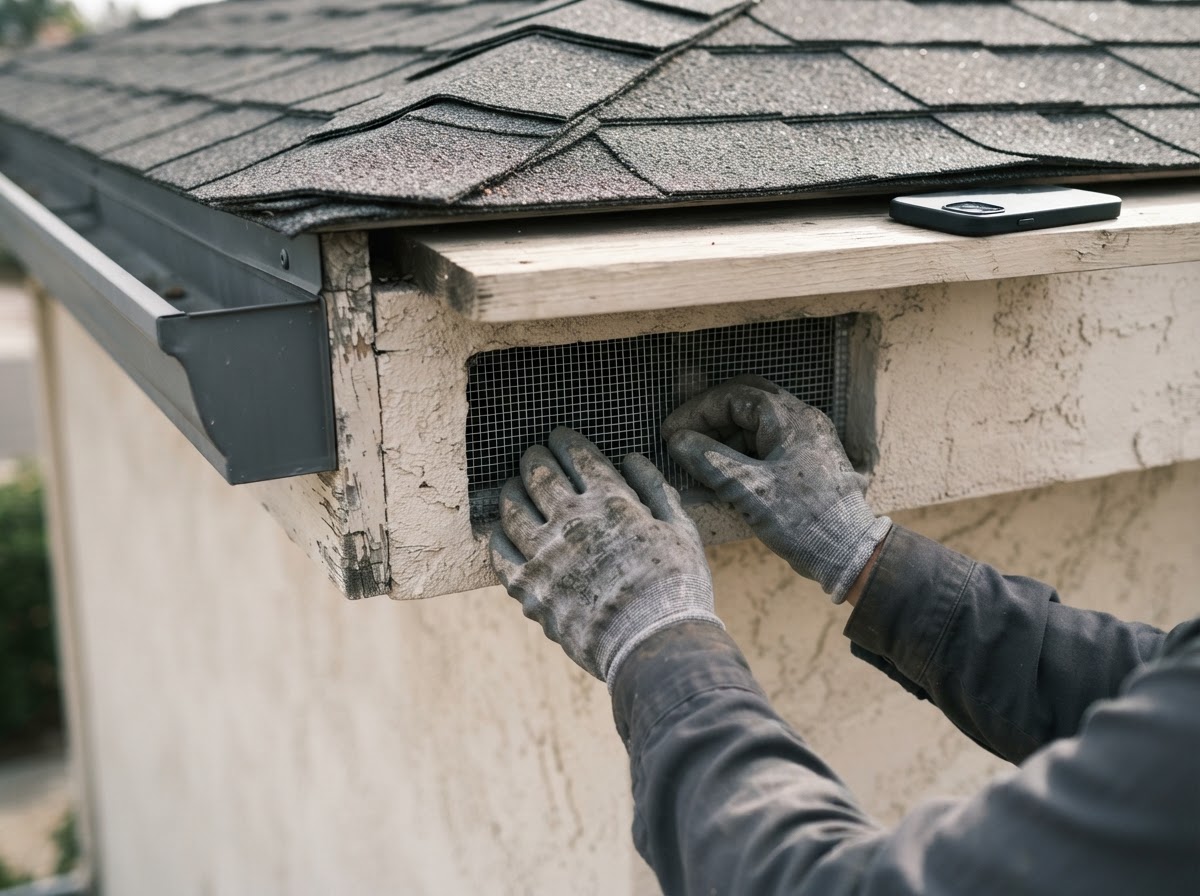
Many insurers offer discounts for homeowners who take steps to reduce wildfire risk. Common requirements include: creating defensible space, using fire-resistant roofing materials (Class A rated), installing ember-resistant vents, and enclosing eaves. Ask your insurer about specific discounts. Some states, like California, mandate such discounts. The Insurance Institute for Business & Home Safety (IBHS) provides a wildfire preparedness guide with mitigation measures.
Non-Renewal and Policy Review
If your policy is non-renewed due to wildfire risk, act quickly. Shop around with other insurers, or consider a FAIR Plan. Review your policy limits to ensure you have enough coverage to rebuild. Also, check for coverage of additional living expenses (ALE) in case you need to evacuate. FEMA recommends conducting an annual home inventory to document your belongings.
Additional Mitigation Steps
Beyond defensible space and insurance, consider these actions:
- Home hardening: Use ignition-resistant building materials: Class A roof, non-combustible siding, double-pane tempered glass windows. Install 1/8-inch metal mesh over vents and soffits.
- Emergency plan: Have a wildfire evacuation plan with multiple routes. Practice it with your household. Register for local emergency alerts.
- Community action: Join or start a Firewise USA® program in your neighborhood. Collaborate on shared mitigation projects. Learn more at NFPA Firewise USA.
Conclusion: Take Action Today
Wildfire risk doesn't have to mean losing your home. By understanding the WUI, creating defensible space, and securing appropriate insurance, you can greatly improve your home’s chances of survival. Start with an assessment of your property’s immediate zone (0–5 feet) and work outward. Check your insurance policy and ask about discounts for mitigation. Visit Ready.gov/wildfires and FEMA's National Risk Index for more resources. Being proactive is the best way to protect your home and family.
About our guidance
Our guides are grounded in publicly available information from official sources such as FEMA, NOAA, USGS and Ready.gov. Information is general in nature — always verify details for your specific property and policy with official sources and your insurer.
Related guides
 InsuranceLender-Placed Flood Insurance: The Expensive Backup If Your Policy LapsesYour lender can force-place flood insurance if your policy lapses — and bill you for it, usually at a higher price. Here is how…Oct 15, 2026Read guide →
 InsuranceWhat Happens to Your NFIP Policy If Congress Lets the Program LapseCongress extended the NFIP through December 11, 2026. If the program lapses, existing policies stay in force and claims get paid…Oct 15, 2026Read guide →
 InsuranceExcess Flood Insurance: Coverage Above NFIP's $250,000 LimitThe NFIP caps flood coverage at $250,000 for the building and $100,000 for contents. If your home would cost more to rebuild,…Oct 15, 2026Read guide →