
Wildfire Risk Zones: WUI, Defensible Space & Insurance Tips
4 min read
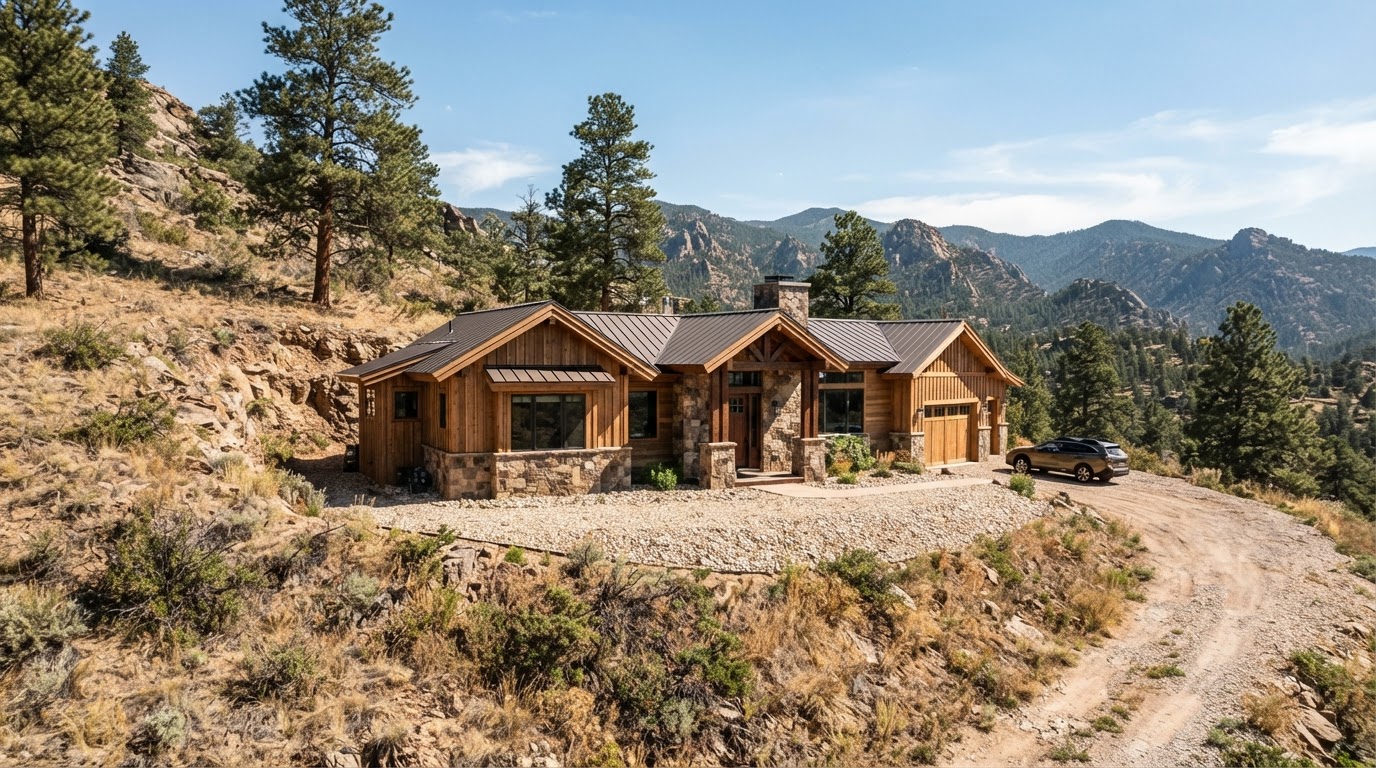
On this page
Learn what the Wildland-Urban Interface (WUI) is, how to create defensible space around your home, and how insurance companies assess wildfire risk. Official guidance from FEMA and Ready.gov.
Understanding Wildfire Risk Zones
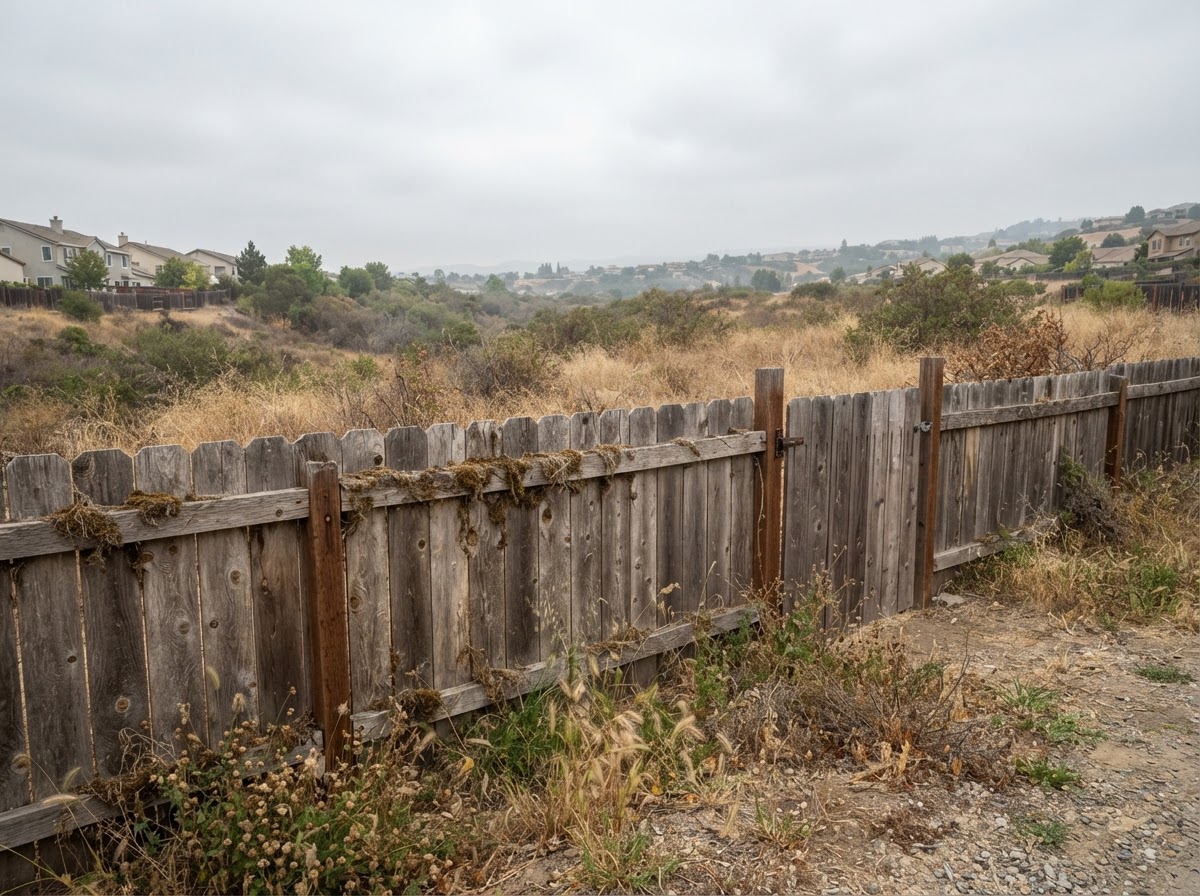
Wildfires are a growing threat in many parts of the United States, especially in areas where homes and wildlands meet. To help homeowners understand their risk, experts divide wildfire-prone areas into zones. The most critical concept is the Wildland-Urban Interface (WUI).
What Is the Wildland-Urban Interface (WUI)?
The WUI is the zone where human development meets undeveloped wildland vegetation. According to the U.S. Fire Administration, the WUI is where wildfire risks are highest because structures are in close proximity to flammable vegetation. Homes in the WUI are more likely to be threatened by wildfire, and firefighters face greater challenges defending them.
If you live in or near a WUI area, your home is in a wildfire risk zone. You can check your property’s WUI status using tools like FEMA’s National Risk Index or local hazard maps.
Creating Defensible Space
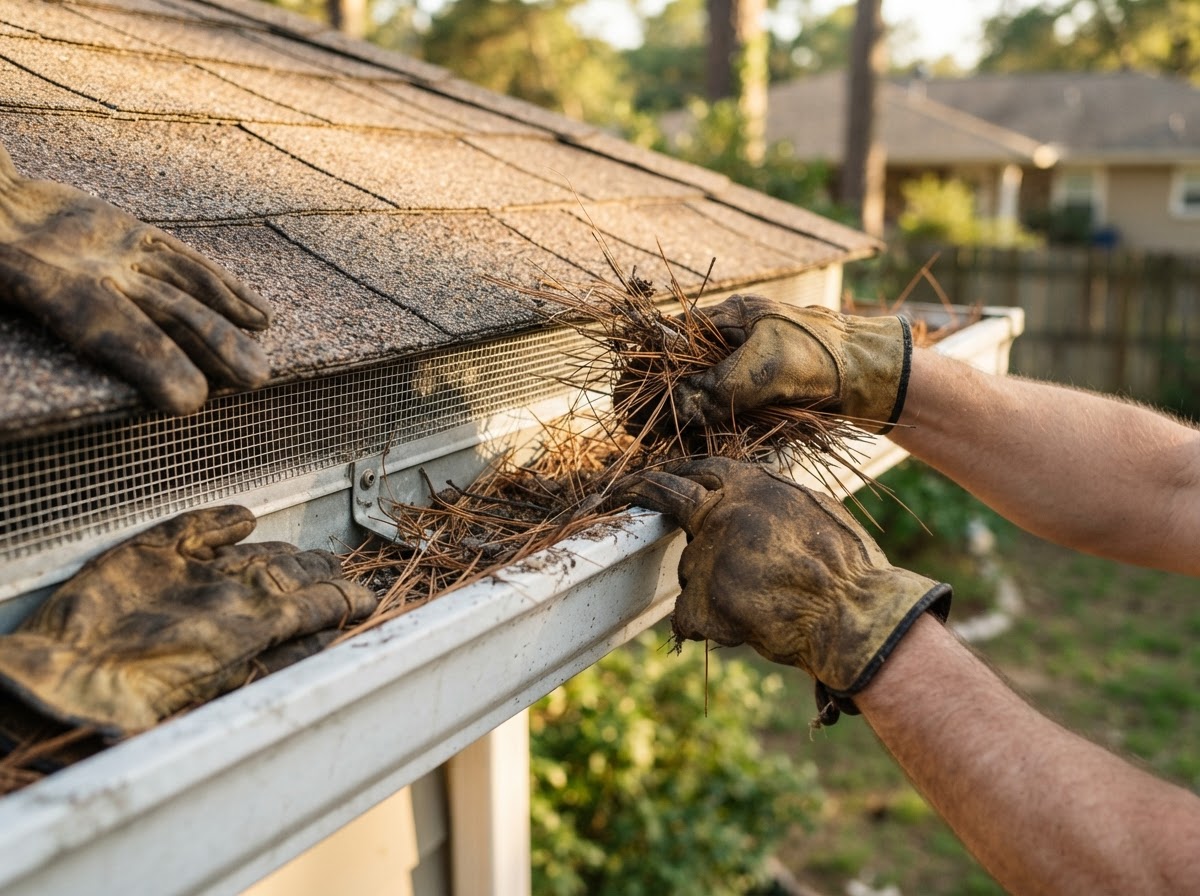
Defensible space is the buffer you create between your home and the surrounding vegetation. It reduces the chance of wildfire igniting your home and provides a safe area for firefighters. The Ready.gov campaign recommends creating three zones around your home:
Zone 1: Immediate Zone (0–5 feet)
This is the area right against your house. Use non-flammable materials like stone, gravel, or concrete. Remove all dead plants, leaves, and debris. Trim tree branches that overhang the roof. Keep your gutters clean. No flammable mulch or woodpiles.
Zone 2: Intermediate Zone (5–30 feet)
Create a landscaped area with low-growing, fire-resistant plants. Use hardscapes like patios and pathways. Space trees so their canopies do not touch. Remove ladder fuels (vegetation that allows fire to climb from ground to treetops). Keep grass mowed to 4 inches or less.
Zone 3: Extended Zone (30–100 feet)
Thin out dense trees and brush. Remove dead or dying trees. Prune tree branches up to 6–10 feet above the ground. Maintain a vertical clearance of 10 feet between tree canopies and structures. The goal is to slow the spread of a wildfire and reduce its intensity.
For detailed guidance, see FEMA’s Defensible Space Fact Sheet.
Insurance and Wildfire Risk
Wildfire risk directly affects your homeowner’s insurance. In high-risk zones, insurance companies may charge higher premiums, require specific mitigation measures, or even decline coverage. Understanding how insurers view risk can help you protect both your home and your finances.
How Insurers Assess Wildfire Risk
Insurers use models that factor in your home’s location (WUI proximity, fire history), construction materials (fire-resistant roofs, siding), and defensible space. They also consider local firefighting capabilities and water supply. Homes with better mitigation often qualify for discounts.
Tips for Getting Affordable Coverage
- Complete a home hardening checklist. Replace wood roofs with Class A fire-rated materials (e.g., metal, tile, asphalt). Enclose eaves and soffits. Install dual-pane tempered glass windows. Use 1/8-inch metal mesh on vents to prevent ember entry.
- Create and document defensible space. Take photos and keep records. Some insurers offer credits for mitigation. Ask your agent about specific programs.
- Check your policy’s coverage limits. Ensure you have enough to rebuild at current costs. Wildfire losses can be total losses.
- Consider the FAIR Plan. If you can’t get private coverage, your state’s Fair Access to Insurance Requirements (FAIR) Plan may be an option. Visit National Association of Insurance Commissioners for state-specific resources.
Practical Steps You Can Take Today
Even if you are not in a high-risk WUI zone, wildfires can affect homes far from the wilderness. Use the following checklist based on Ready.gov’s wildfire preparedness:
- Sign up for local emergency alerts.
- Create a family evacuation plan with multiple routes.
- Assemble an emergency supply kit (go-bag).
- Review your insurance coverage annually.
- Maintain your defensible space each season.
Conclusion
Understanding wildfire risk zones—especially the WUI—helps you take targeted action to protect your home. Creating defensible space and hardening your home not only saves property but can also lower insurance costs. By following official guidance from FEMA and Ready.gov, you can be better prepared for wildfire season. Start your mitigation efforts today: your home and your wallet will thank you.
About our guidance
Our guides are grounded in publicly available information from official sources such as FEMA, NOAA, USGS and Ready.gov. Information is general in nature — always verify details for your specific property and policy with official sources and your insurer.
Related guides
 InsuranceLender-Placed Flood Insurance: The Expensive Backup If Your Policy LapsesYour lender can force-place flood insurance if your policy lapses — and bill you for it, usually at a higher price. Here is how…Oct 15, 2026Read guide →
 InsuranceWhat Happens to Your NFIP Policy If Congress Lets the Program LapseCongress extended the NFIP through December 11, 2026. If the program lapses, existing policies stay in force and claims get paid…Oct 15, 2026Read guide →
 InsuranceExcess Flood Insurance: Coverage Above NFIP's $250,000 LimitThe NFIP caps flood coverage at $250,000 for the building and $100,000 for contents. If your home would cost more to rebuild,…Oct 15, 2026Read guide →