
Wildfire Smoke & Air Quality: How to Protect Your Home
3 min read
On this page
Learn how to protect your home and family from wildfire smoke with practical steps from FEMA, CDC, and EPA. From sealing your home to choosing the right air purifier, get ready for wildfire season.
Why Wildfire Smoke Is a Health Hazard
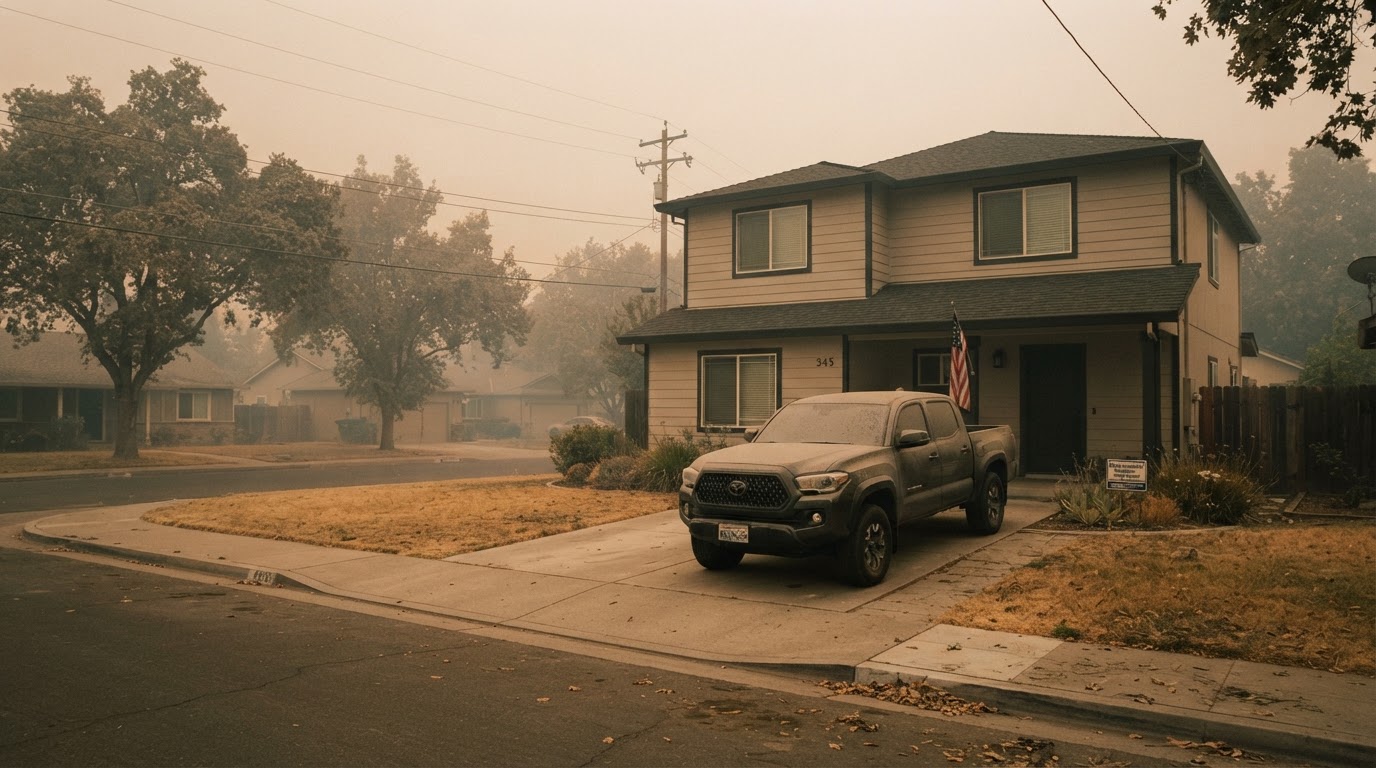
Wildfire smoke contains fine particles (PM2.5) that can penetrate deep into your lungs and even enter your bloodstream. According to the CDC, these particles can cause coughing, wheezing, and difficulty breathing, and can worsen conditions like asthma and heart disease. Protecting indoor air quality is critical during wildfire season.
Before Wildfire Season: Prepare Your Home
Seal Gaps and Openings
Check your home for places where smoke can enter. Use caulk or weatherstripping to seal gaps around windows, doors, and utility penetrations. FEMA recommends ensuring that door sweeps are in good condition and that vents (e.g., for dryers, bathrooms) have tight-fitting covers.
Upgrade Your HVAC System
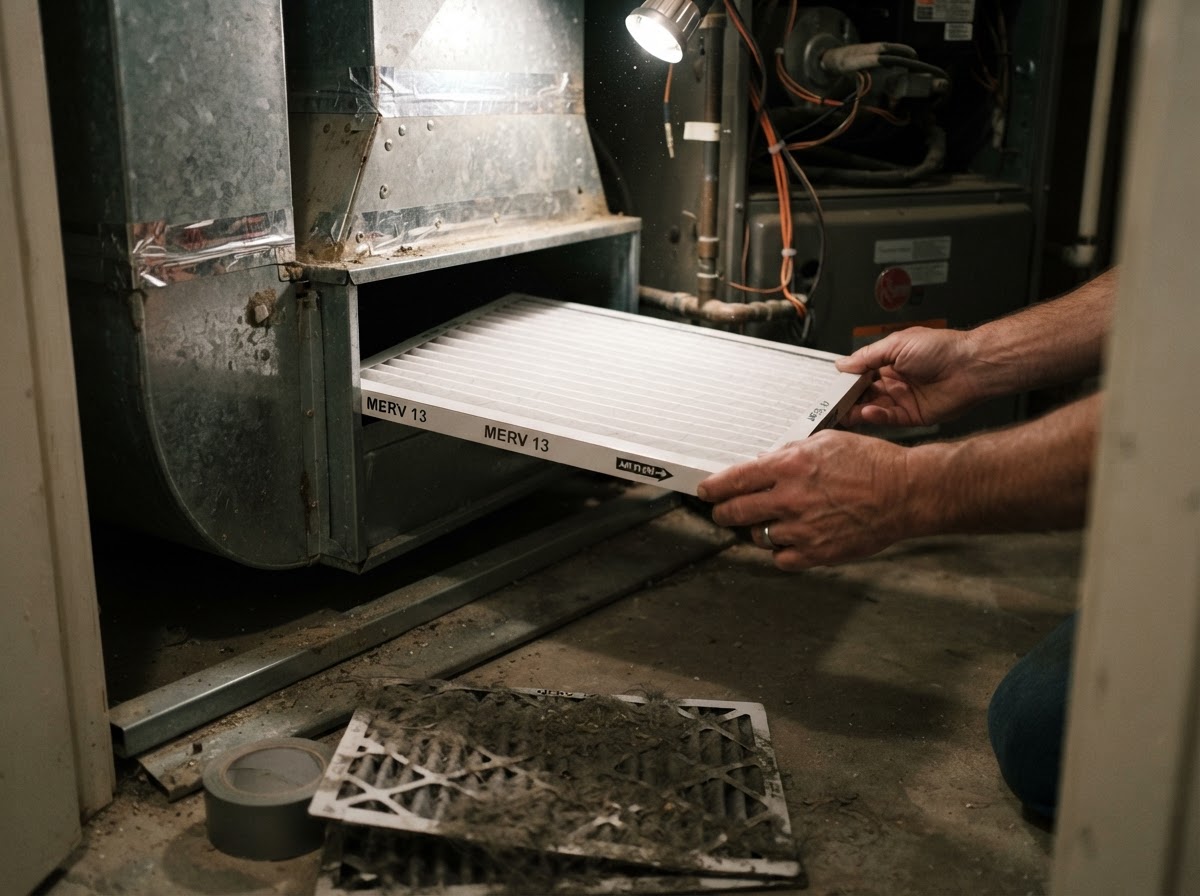
Install a high-efficiency MERV 13 or higher filter in your heating and cooling system. According to the EPA, this can capture most smoke particles. If your system cannot accommodate a MERV 13 filter, use a MERV 8 or higher and replace it often.
Create a Clean Room
Designate one room—preferably with few windows and doors—as a clean room. Keep a portable air cleaner with a HEPA filter for that space. The Ready.gov website suggests having enough air cleaning capacity for the room size.
During a Wildfire Smoke Event
Keep Smoke Out
Close all windows and doors. If you have a window air conditioner, make sure the seal between the unit and the window is tight. Avoid using swamp coolers (evaporative coolers) or whole-house fans that bring in outdoor air. The AirNow website provides real-time air quality index (AQI) for your area.
Use Air Purifiers Wisely
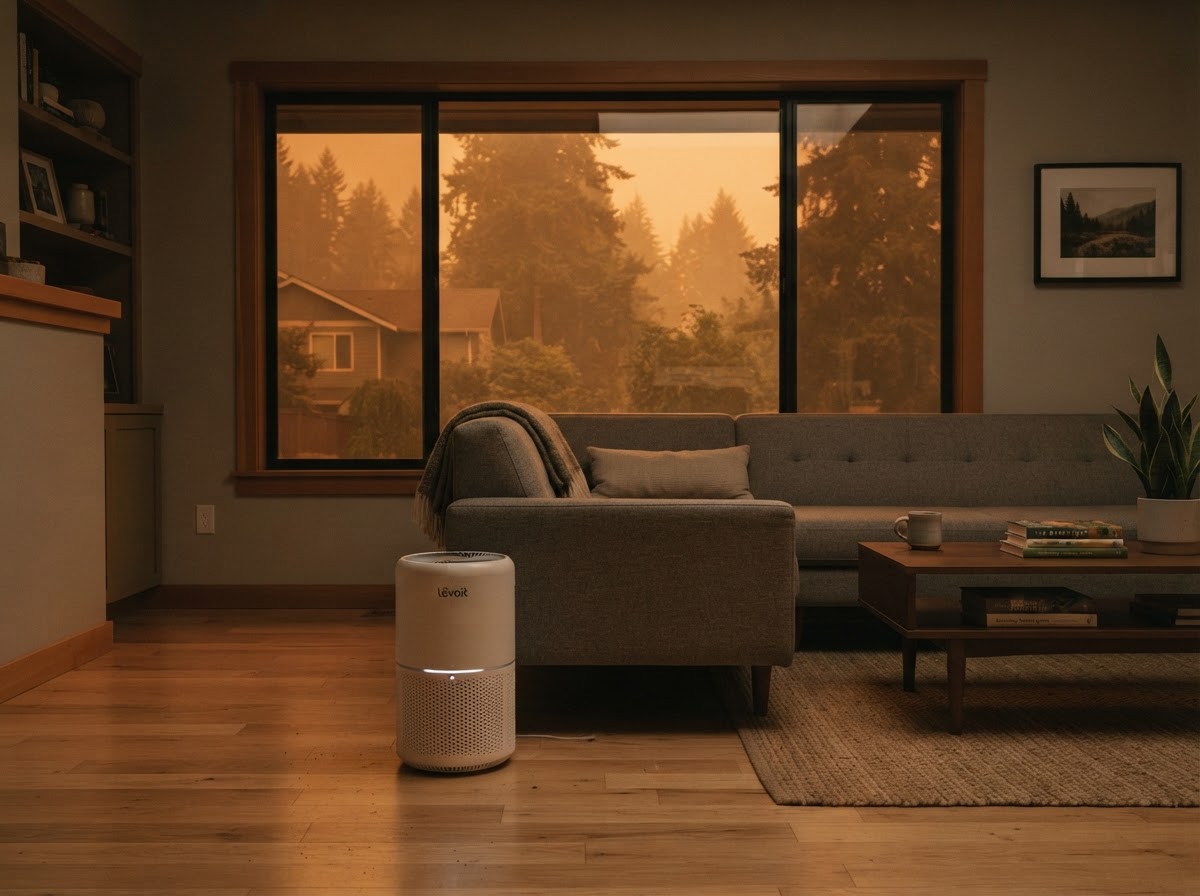
Portable air cleaners with HEPA filters are effective at removing smoke particles. Place them in the room where you spend the most time. Avoid using ozone generators, as they can harm lungs. The EPA offers a guide to selecting air cleaners.
Reduce Indoor Sources of Air Pollution
Do not smoke indoors, use candles, or vacuum (unless you have a HEPA-filtered vacuum). Vacuums can stir up particles already settled. The CDC advises avoiding frying or broiling food, which adds to indoor pollution.
Monitor Indoor Air Quality
Consider using a portable indoor air quality monitor that measures PM2.5 levels. Many low-cost monitors can help you know when to run an air purifier. For real-time outdoor AQI, check Fire and Smoke Map from AirNow.
Protecting Vulnerable People
Children, older adults, and people with heart or lung disease are more sensitive to smoke. Ensure they stay in the clean room and have medications available. The CDC recommends that people with asthma follow their action plan and keep rescue inhalers handy.
When to Evacuate
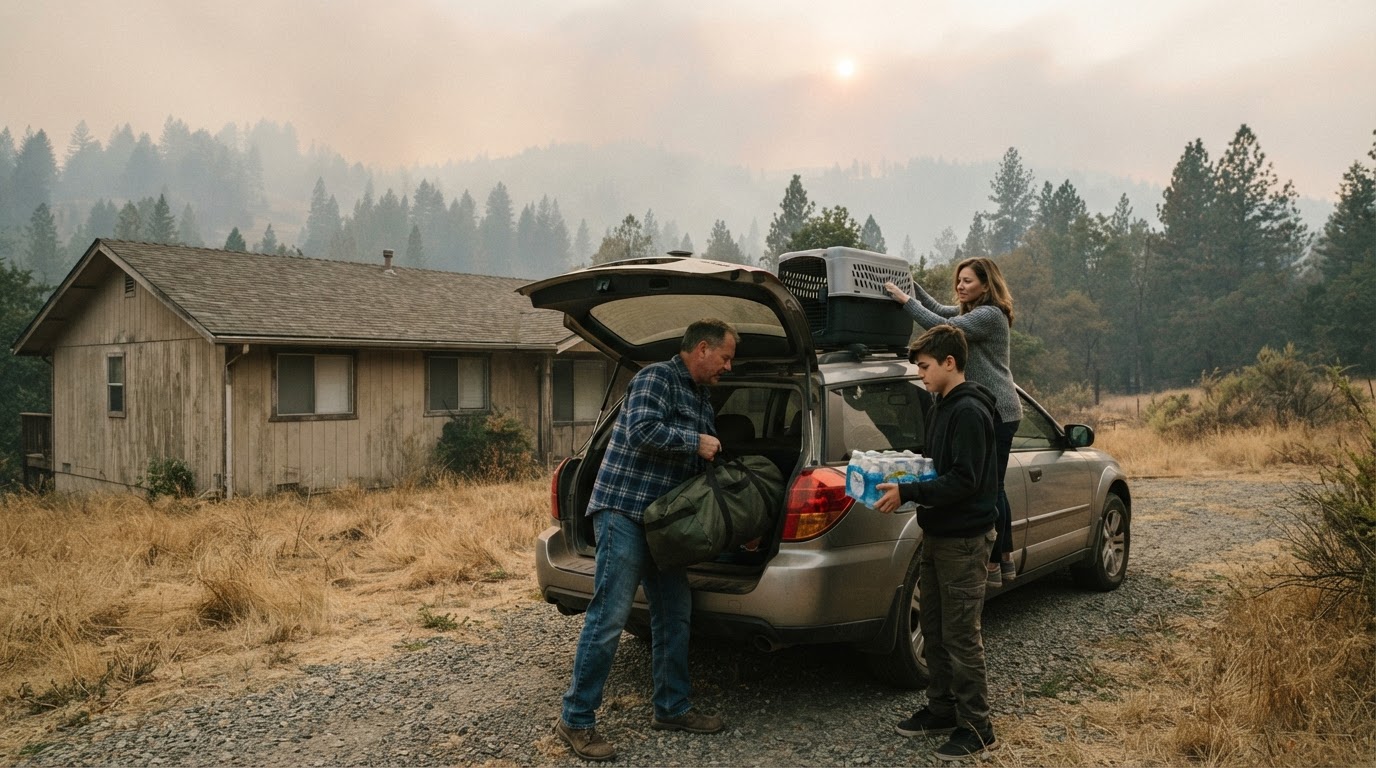
If you are advised by local authorities to evacuate, do so immediately. Wildfire smoke may be accompanied by flames. Have a go-kit ready with N95 masks, medication, and important documents. Stay tuned to NOAA Weather Radio or local alerts.
After the Smoke Clears
Once the AQI improves, air out your home by opening windows. Clean surfaces with a damp cloth to remove settled dust. Replace HVAC filters. If you used a portable air cleaner, replace its filter according to manufacturer instructions.
Conclusion
Wildfire smoke can be dangerous, but you can significantly reduce your exposure by preparing your home ahead of time and taking smart steps during smoke events. Start by sealing gaps, upgrading your filter, and having a portable air cleaner ready. Monitor air quality regularly and follow guidance from FEMA, Ready.gov, and your local health department. Take action today to protect your home and health.
About our guidance
Our guides are grounded in publicly available information from official sources such as FEMA, NOAA, USGS and Ready.gov. Information is general in nature — always verify details for your specific property and policy with official sources and your insurer.
Keep exploring
Related guides
 Wildfire Evacuation Prep in 60 Minutes: A Step-by-Step GuideWhen a wildfire threatens, you may have less than an hour to evacuate. Learn how to prepare a go-bag, safeguard your home, and…Jun 21, 2026Read guide →
 Wildfire Home Hardening: Roof, Vents, Gutters, and Deck ChecklistLearn how to harden your home against wildfire by focusing on four critical areas: roof, vents, gutters, and deck. This checklist…Jun 21, 2026Read guide →
 InsuranceLender-Placed Flood Insurance: The Expensive Backup If Your Policy LapsesYour lender can force-place flood insurance if your policy lapses — and bill you for it, usually at a higher price. Here is how…Oct 15, 2026Read guide →