
Wildfire Smoke and Indoor Air Quality: Filters, Sealing, Health
4 min read
On this page
- Understanding Wildfire Smoke and Indoor Air Risks
- Step 1: Create a Clean Room
- Step 2: Seal Your Home Against Smoke
- Step 3: Use High-Efficiency Air Filters
- Step 4: Monitor Indoor Air Quality
- Health Precautions During Smoke Events
- Long-Term Home Improvements for Smoke Protection
- Conclusion: Be Proactive, Stay Informed
Wildfire smoke can harm your health even indoors. Learn how to filter, seal your home, and protect your family using expert-backed strategies from FEMA, CDC, and EPA.
Understanding Wildfire Smoke and Indoor Air Risks
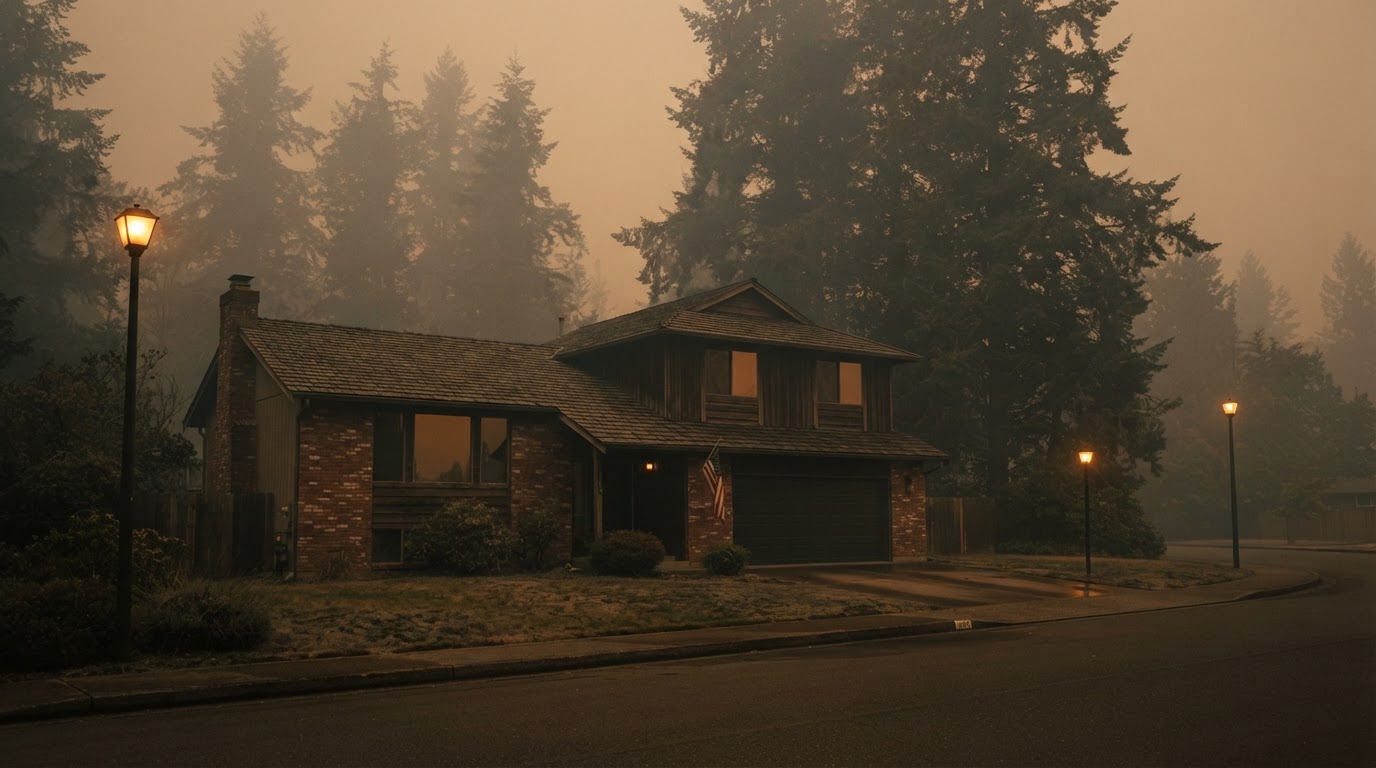
Wildfire smoke contains fine particulate matter (PM2.5), carbon monoxide, and other harmful pollutants. These microscopic particles can infiltrate homes through windows, doors, and ventilation systems, causing respiratory and cardiovascular issues. According to the CDC, prolonged exposure can worsen asthma, COPD, and heart disease. Research from EPA shows that indoor PM2.5 levels can reach up to 70% of outdoor levels during wildfires without proper precautions.
Step 1: Create a Clean Room
Designate one room—preferably with as few windows and doors as possible—as your clean air space. According to Ready.gov, you should seal this room to minimize smoke entry and use a portable air cleaner. Choose a room large enough for your family to spend time in, but small enough to clean efficiently.
Step 2: Seal Your Home Against Smoke
Check and Seal Gaps
Inspect your home for cracks and openings where smoke can enter. Use caulk or weatherstripping to seal gaps around windows, doors, and utility entries. The FEMA recommends checking attic hatches, dryer vents, and pipe penetrations. For larger gaps, use expandable foam or duct tape.
Manage Windows and Doors
Keep windows and doors closed during smoke events. If you have an attic fan or window-mounted air conditioner, use them only if they bring in outside air—otherwise, they can draw smoke indoors. Set your HVAC system to recirculate mode to avoid pulling in smoky outdoor air. The AirNow website provides real-time AQI data to help you decide when to seal up.
Step 3: Use High-Efficiency Air Filters
Portable Air Cleaners
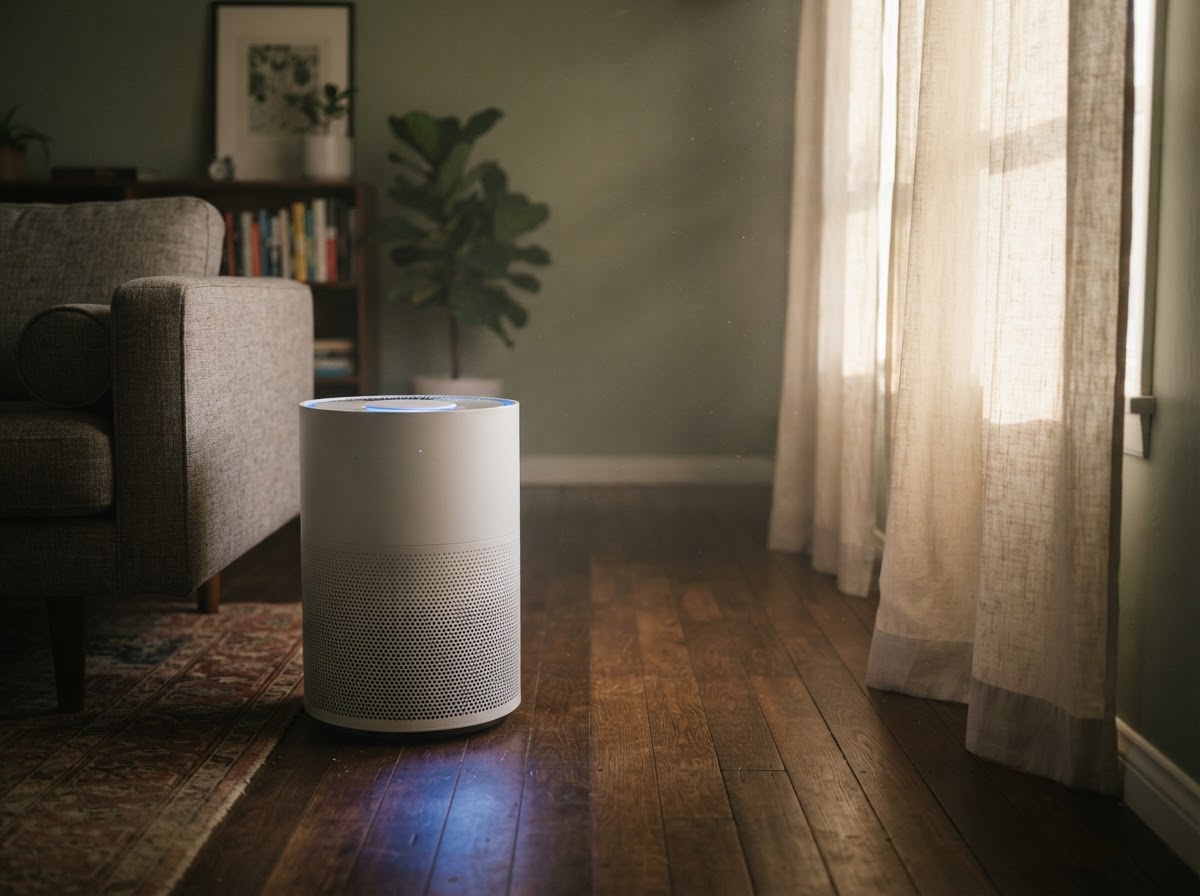
Portable air cleaners with HEPA filters are highly effective at removing smoke particles. Look for a Clean Air Delivery Rate (CADR) appropriate for the room size. The EPA recommends devices with a CADR of at least two-thirds of the room's area (e.g., for a 200 sq ft room, choose a CADR of 120+). Avoid devices that produce ozone, like some ionizers and electrostatic precipitators.
Upgrade Your HVAC Filter
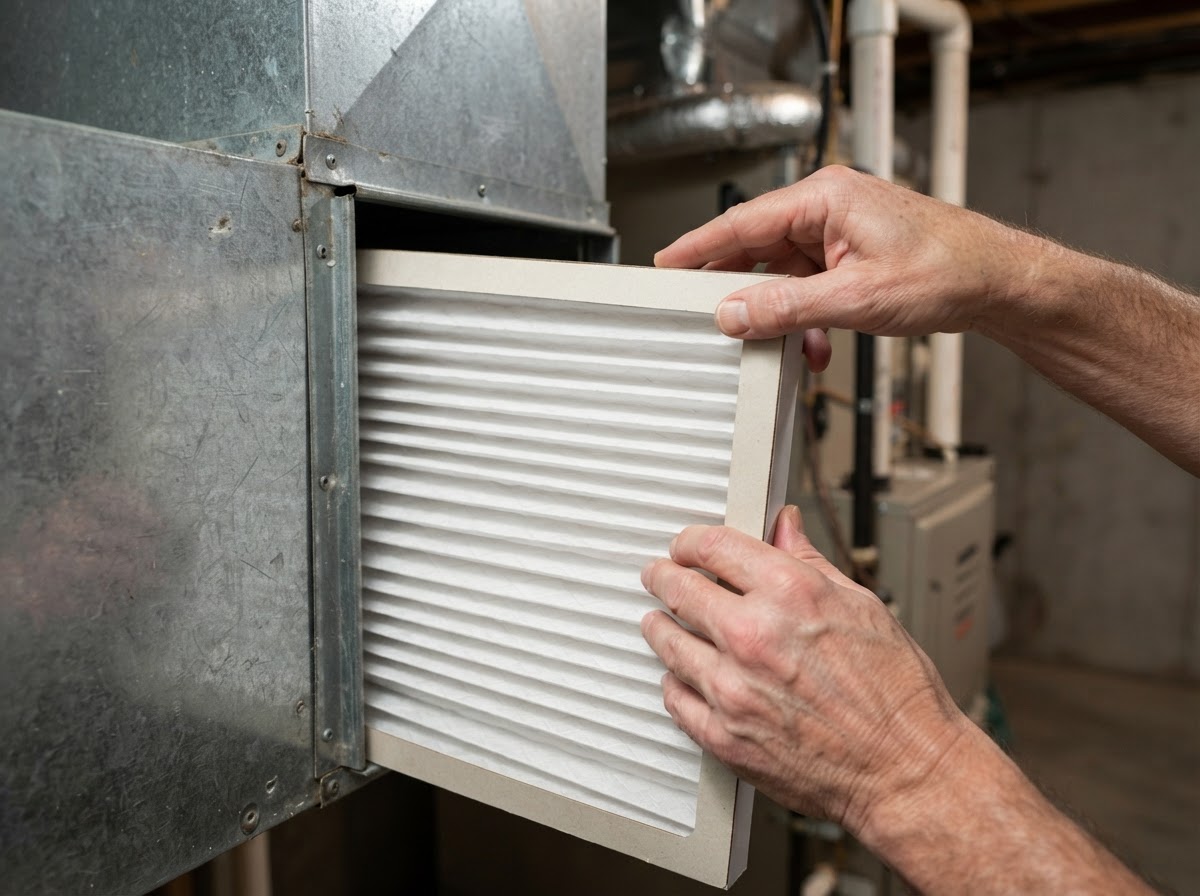
Replace your furnace or HVAC filter with a MERV-13 or higher rated filter. According to CDC, these filters capture most smoke particles. Ensure your system can handle the higher static pressure; consult a professional if needed. Change the filter every 1-3 months during wildfire season.
DIY Box Fan Filter (Corsi-Rosenthal Box)
If commercial options are unavailable, build a DIY air cleaner using a box fan and a MERV-13 filter. Tape the filter to the back of the fan (intake side). The FEMA and EPA endorse this low-cost solution. For better performance, use a four-filter cube design with cardboard backing.
Step 4: Monitor Indoor Air Quality
Use a PM2.5 monitor to track indoor air quality. Many low-cost sensors are available (e.g., PurpleAir, AirGradient). The AirNow website also offers a Fire and Smoke Map that combines data from monitors. Keep indoor AQI below 50 (green zone) if possible. If your monitor shows elevated levels, increase filtration and limit time in affected rooms.
Health Precautions During Smoke Events
Who Is Most at Risk?
Children, older adults, pregnant women, and individuals with heart or lung disease face higher risks. The CDC advises these groups to minimize smoke exposure and consult a doctor if symptoms worsen. Be alert for symptoms like coughing, wheezing, chest pain, or eye irritation.
Limit Physical Activity
Avoid strenuous outdoor activities. If you need to go outside, wear an N95 respirator mask—surgical or cloth masks do not filter out fine particles. The NIOSH certifies N95 masks for wildfire smoke. Ensure a proper seal.
When to Evacuate
Follow evacuation orders from local authorities. If the air quality index (AQI) exceeds 300 for an extended period, or if you have severe health conditions, consider relocating temporarily to a cleaner area. Ready.gov recommends having a go-bag ready with N95 masks, medications, and important documents.
Long-Term Home Improvements for Smoke Protection
Consider a Whole-House Air Purifier
Installing a whole-house HEPA filtration system in your HVAC ductwork can provide continuous cleaning. While expensive, it's ideal for high-risk areas. Consult with a qualified HVAC contractor to ensure compatibility.
Upgrade Windows
Double-pane windows and properly sealed frames reduce infiltration. During smoke events, keep windows closed, but in normal times, air sealing also improves energy efficiency. The Department of Energy offers guidance on air sealing.
Maintain Landscaping
Create defensible space by clearing dry vegetation near your home, which reduces the likelihood of wildfire reaching your structure. This also reduces the amount of smoke generated around your property. Ready.gov provides a checklist for creating a fire-resistant zone.
Conclusion: Be Proactive, Stay Informed
Wildfire smoke is a growing threat to indoor air quality and health. By sealing your home, using high-efficiency filters, and monitoring air quality, you can greatly reduce your family's exposure. Importantly, stay updated on local air quality through AirNow and follow guidance from the CDC and Ready.gov. Prepare a plan now to protect your home and loved ones when wildfire smoke arrives.
About our guidance
Our guides are grounded in publicly available information from official sources such as FEMA, NOAA, USGS and Ready.gov. Information is general in nature — always verify details for your specific property and policy with official sources and your insurer.
Related guides
 InsuranceLender-Placed Flood Insurance: The Expensive Backup If Your Policy LapsesYour lender can force-place flood insurance if your policy lapses — and bill you for it, usually at a higher price. Here is how…Oct 15, 2026Read guide →
 InsuranceWhat Happens to Your NFIP Policy If Congress Lets the Program LapseCongress extended the NFIP through December 11, 2026. If the program lapses, existing policies stay in force and claims get paid…Oct 15, 2026Read guide →
 InsuranceExcess Flood Insurance: Coverage Above NFIP's $250,000 LimitThe NFIP caps flood coverage at $250,000 for the building and $100,000 for contents. If your home would cost more to rebuild,…Oct 15, 2026Read guide →