
Wind vs Water After a Hurricane: Why Claims Get Denied
4 min read
On this page
Understand the critical difference between wind and flood damage, and why your homeowners insurance may not cover hurricane-related water damage. Learn how to protect your claim with tips from FEMA and NOAA.
Introduction: The Costly Confusion After a Hurricane
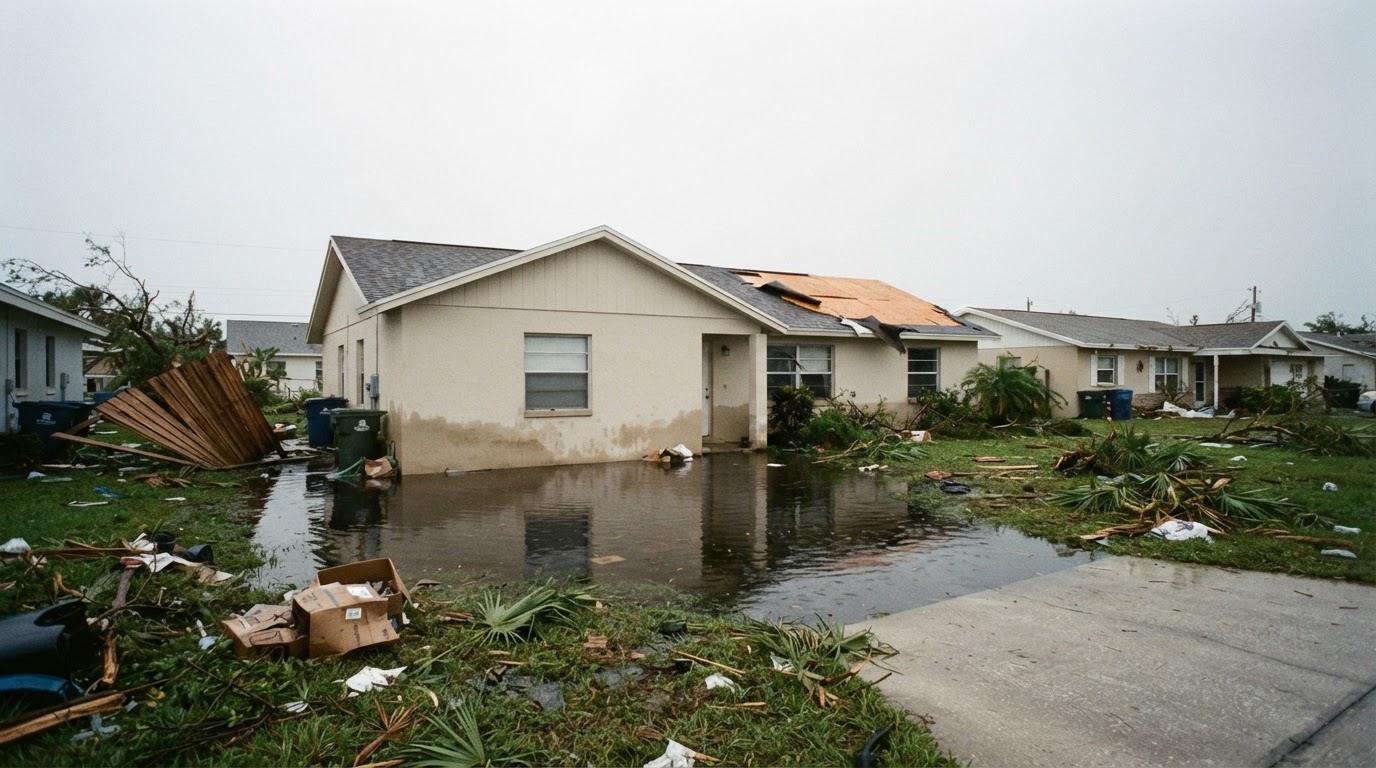
After a hurricane tears through your community, the last thing you want is a denied insurance claim. Yet thousands of homeowners face that reality each year because they misunderstand a fundamental distinction: damage caused by wind versus damage caused by water. According to FEMA's National Flood Insurance Program (NFIP), standard homeowners insurance policies do not cover flood damage — and what counts as "flood" often surprises people. This article explains the difference, why claims get denied, and how to protect your home and your claim.
The Key Difference: Wind vs. Water
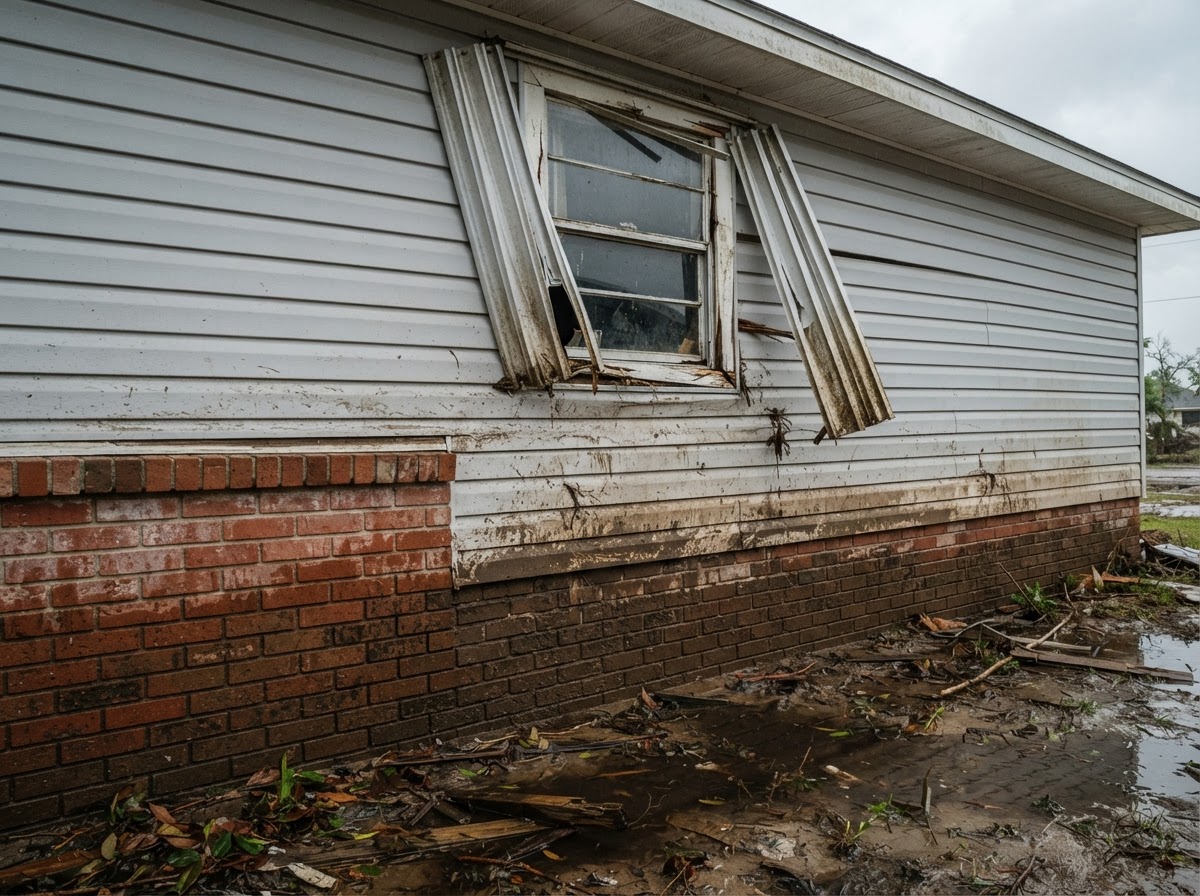
After a hurricane, your home may suffer from both wind-driven rain and storm surge. Insurance companies treat these very differently:
- Wind damage — typically covered by standard homeowners insurance
- Water damage from storm surge or rising floodwaters — covered only by a separate flood insurance policy through the NFIP or a private insurer
- Water damage from wind-driven rain — sometimes covered, sometimes not, depending on how the water entered
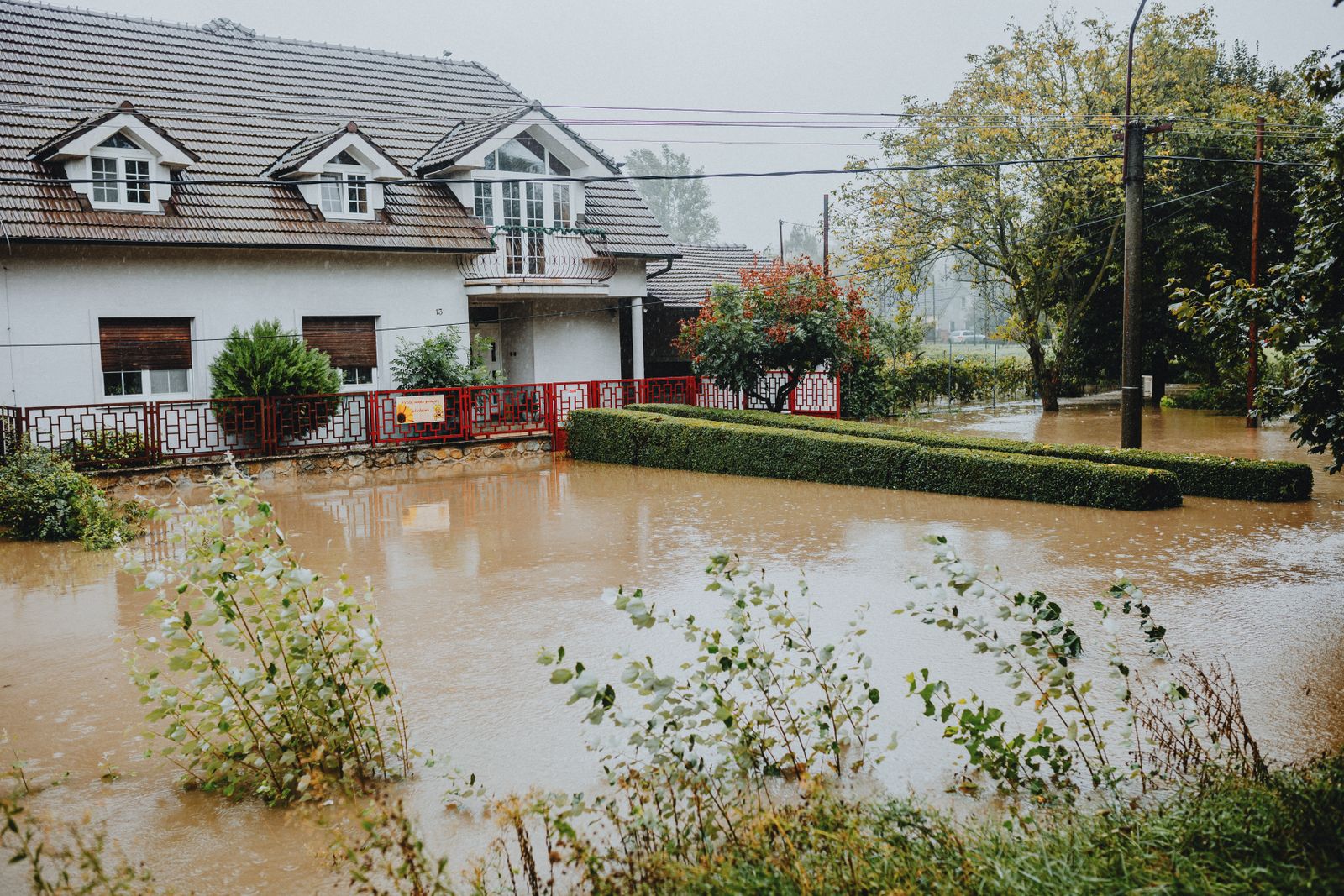
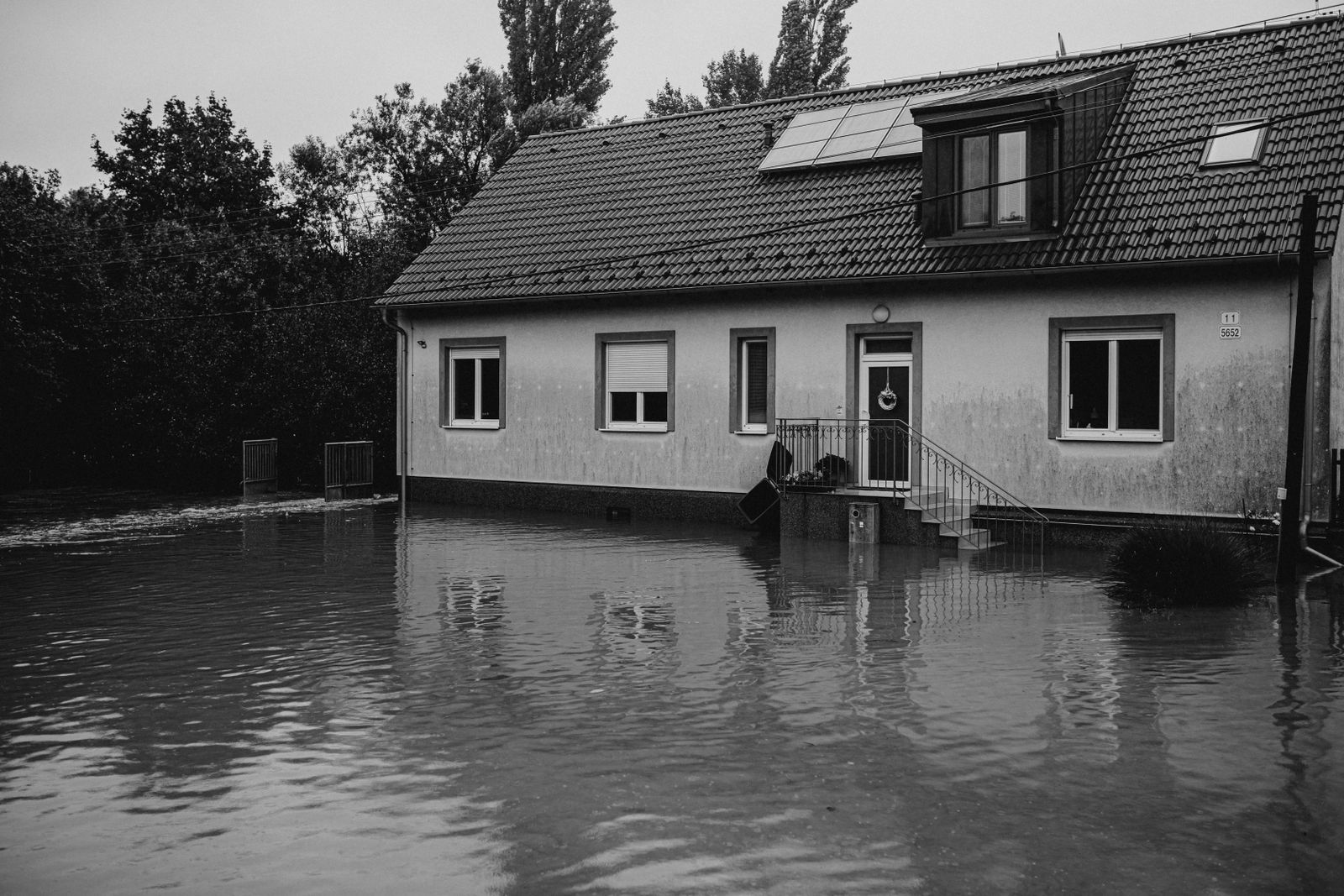
The National Flood Insurance Program defines a flood as “a general and temporary condition of partial or complete inundation of two or more acres of normally dry land area or of two or more properties.” This includes storm surge, heavy rainfall that floods the ground, and overflow of rivers or lakes. Simply put, if water touches the ground before entering your home, it’s almost always considered flood damage.
Why Claims Get Denied
1. Confusion Over What Caused the Damage
After a hurricane, adjusters look for the "proximate cause." If a tree falls on your roof and rain pours in, that's wind damage (covered). But if rain enters through a window that blew out, the adjuster may argue the water entry was due to the storm's wind — yet if water then rises from the ground, it's a flood. The fine line often leads to disputes. The Ready.gov hurricane guide emphasizes that homeowners should document the sequence of damage immediately.
2. Lack of Separate Flood Insurance
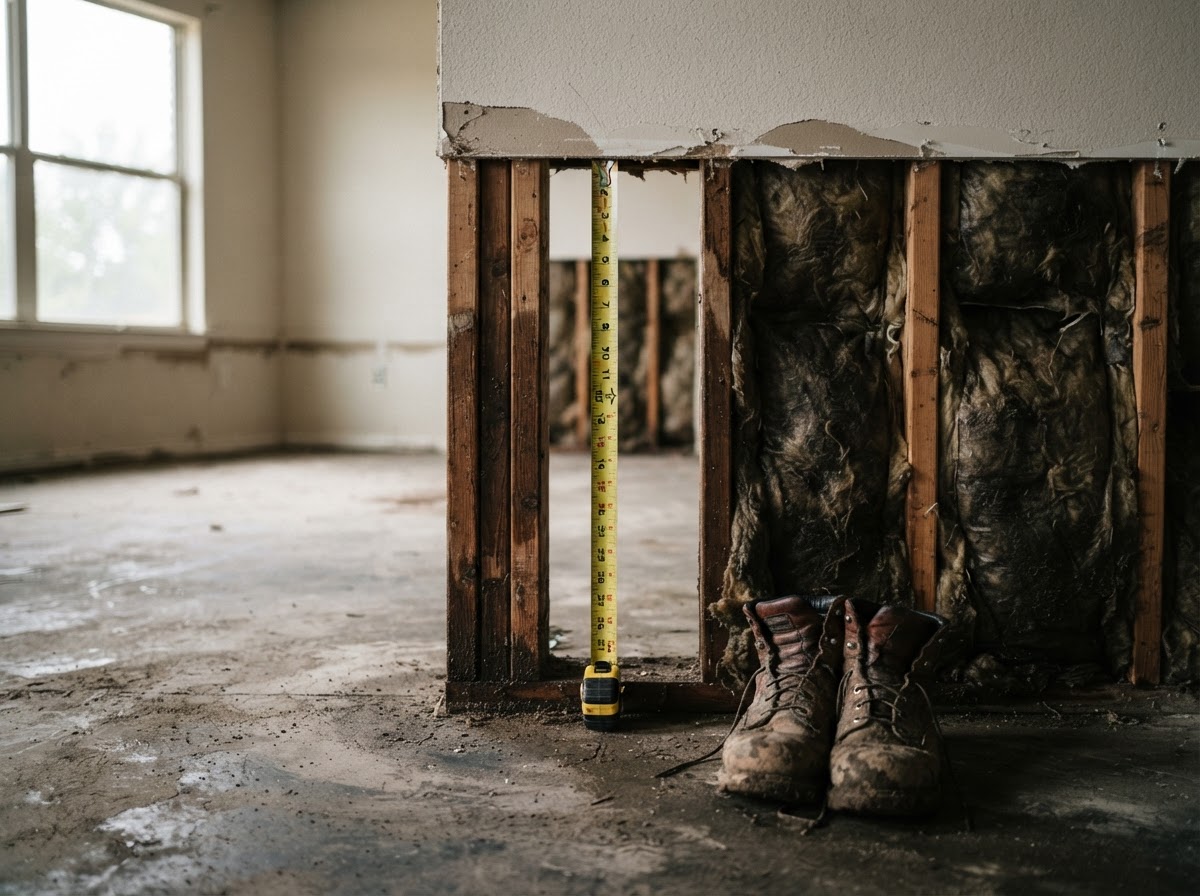
Many homeowners assume their standard policy covers all hurricane damage. According to FEMA, just one inch of floodwater can cause up to $25,000 in damage, yet fewer than 20% of homeowners in high-risk areas have flood insurance. Without it, any flood-related claim is automatically denied.
3. Incomplete or Timely Proof of Loss
After a hurricane, you must file a "proof of loss" within 60 days (for NFIP policies) — a sworn statement of the amount claimed. Missing this deadline or failing to provide required documentation, like receipts or photos, leads to denial. FEMA’s flood claims page outlines the process.
4. Pre-existing Damage or Maintenance Issues
Insurers may deny claims if they find pre-existing damage or lack of maintenance. For example, if your roof had missing shingles before the storm, the resulting leak might be considered a maintenance issue, not a hurricane cause. The CDC’s hurricane aftercare guide recommends regular inspections to document your home's condition.
How to Protect Your Claim
Before the Storm
- Review your homeowners policy and consider buying flood insurance. Even if you're not in a high-risk zone, 25% of flood claims come from low- or moderate-risk areas (FEMA). Use the FEMA Flood Map Service Center to check your risk.
- Create a home inventory with photos and receipts. Store it in a cloud or waterproof safe.
- Make necessary repairs to your roof, windows, and doors. Document the work.
After the Storm
- Document everything. Take photos and videos of all damage before you make any temporary repairs (which you should do to prevent further damage). Keep receipts for materials.
- Separate wind damage from flood damage. Mark on your photos what you believe is wind-caused vs. water-caused. This helps adjusters and can speed up claims if you have both policies.
- File claims promptly. Call your insurance company as soon as it’s safe. For flood claims, you must also file with the NFIP if you have that policy.
- Get professional help. Consider hiring a public adjuster if your claim is large or denied. The National Association of Public Insurance Adjusters can help. Also, contact your state insurance commissioner if disputes arise.
Conclusion: Be Prepared, Not Surprised
The difference between wind and water damage isn't just about meteorology — it’s about your wallet. By understanding what your policy covers and taking proactive steps before and after a storm, you can avoid the shock of a denied claim. Remember: flood insurance is separate, documentation is your best friend, and when in doubt, ask your insurer before a storm hits. For official guidance, visit Ready.gov's insurance checklist and FEMA's website.
About our guidance
Our guides are grounded in publicly available information from official sources such as FEMA, NOAA, USGS and Ready.gov. Information is general in nature — always verify details for your specific property and policy with official sources and your insurer.
Related guides
 InsuranceLender-Placed Flood Insurance: The Expensive Backup If Your Policy LapsesYour lender can force-place flood insurance if your policy lapses — and bill you for it, usually at a higher price. Here is how…Oct 15, 2026Read guide →
 InsuranceWhat Happens to Your NFIP Policy If Congress Lets the Program LapseCongress extended the NFIP through December 11, 2026. If the program lapses, existing policies stay in force and claims get paid…Oct 15, 2026Read guide →
 InsuranceExcess Flood Insurance: Coverage Above NFIP's $250,000 LimitThe NFIP caps flood coverage at $250,000 for the building and $100,000 for contents. If your home would cost more to rebuild,…Oct 15, 2026Read guide →