
Windstorm Insurance in Coastal States: Coverage Gaps
4 min read
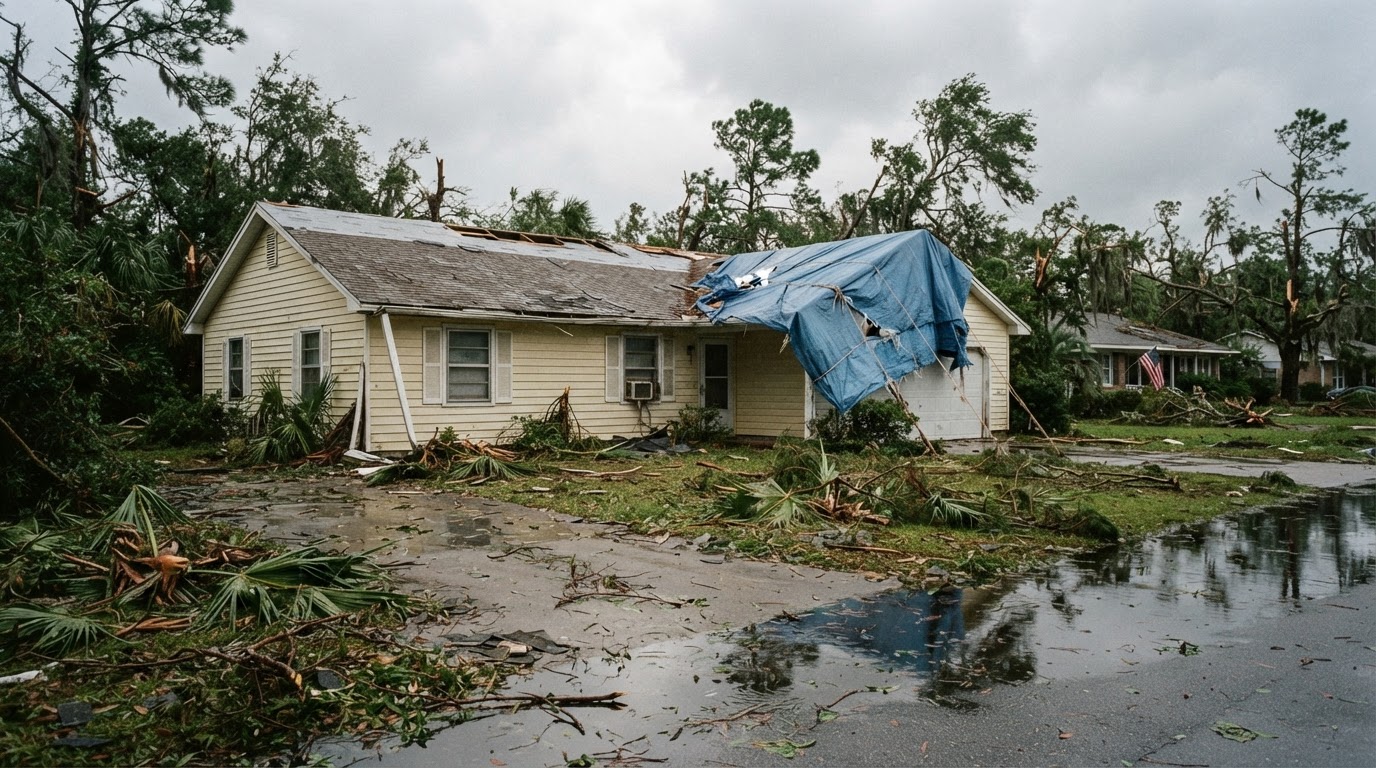
On this page
Windstorm insurance can protect your home, but policies vary widely. Learn what's covered, what's not, and how to fill gaps with flood and earthquake coverage.
Understanding Windstorm Insurance
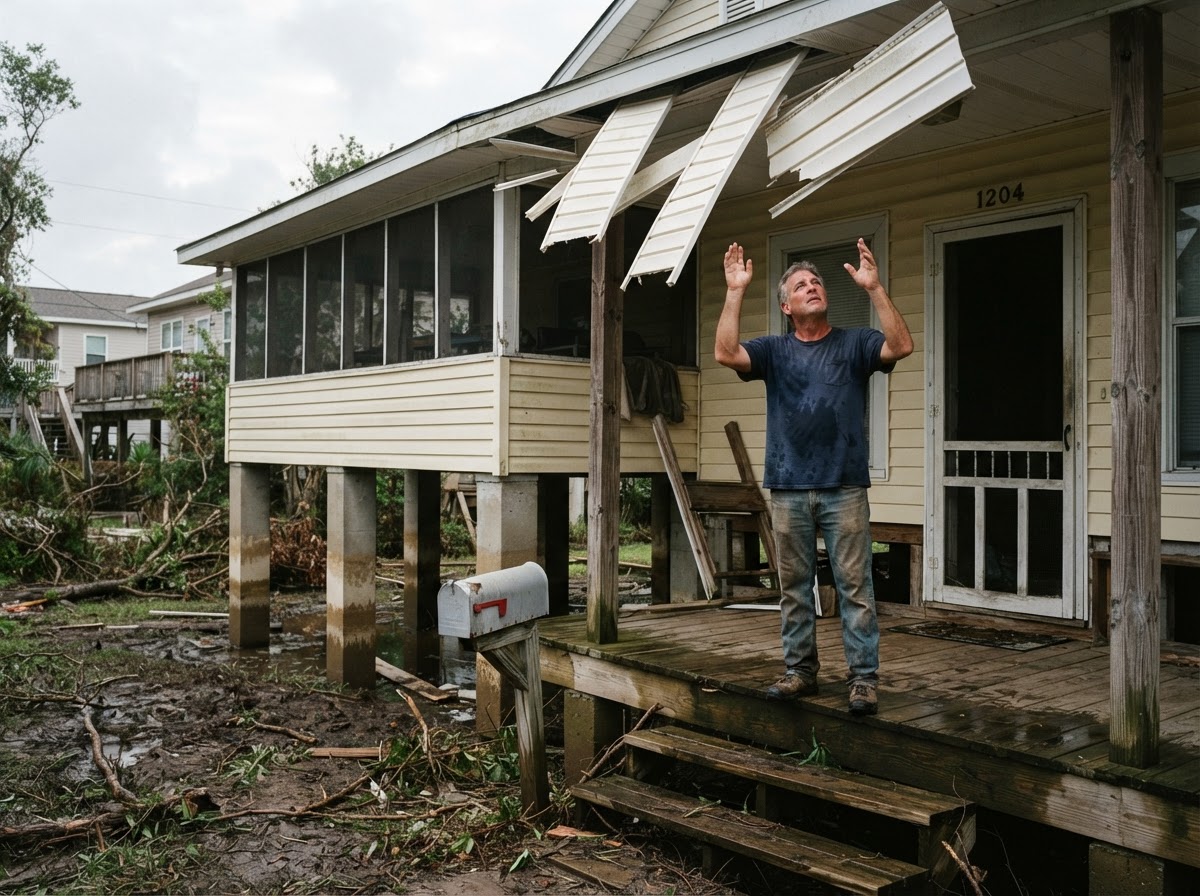
Windstorm insurance is a specialized policy or endorsement that covers damage caused by wind, including hurricanes, tornadoes, and straight-line winds. In many coastal states, standard homeowners insurance policies exclude wind damage, especially from hurricanes, or require a separate windstorm deductible. According to the National Flood Insurance Program, wind damage is distinct from flood damage, and both may be excluded from a basic policy.
What Windstorm Insurance Typically Covers
Windstorm policies generally cover:
- Wind force damage to the structure of your home (roof, walls, windows, doors).
- Wind-driven rain intrusion, but only if it enters through a wind-created opening (e.g., a broken window).
- Debris impact damage from flying objects.
- Detached structures like garages, sheds, and fences, subject to limits.
- Personal property inside the home, up to policy limits.
- Additional living expenses (ALE) if your home is uninhabitable during repairs.
According to the National Weather Service, windstorms can cause extensive damage, but coverage details depend on your insurer and state regulations. Many coastal states have named storm deductibles (a percentage of your home's insured value) for hurricane claims.
What Windstorm Insurance Does NOT Cover
Common exclusions include:
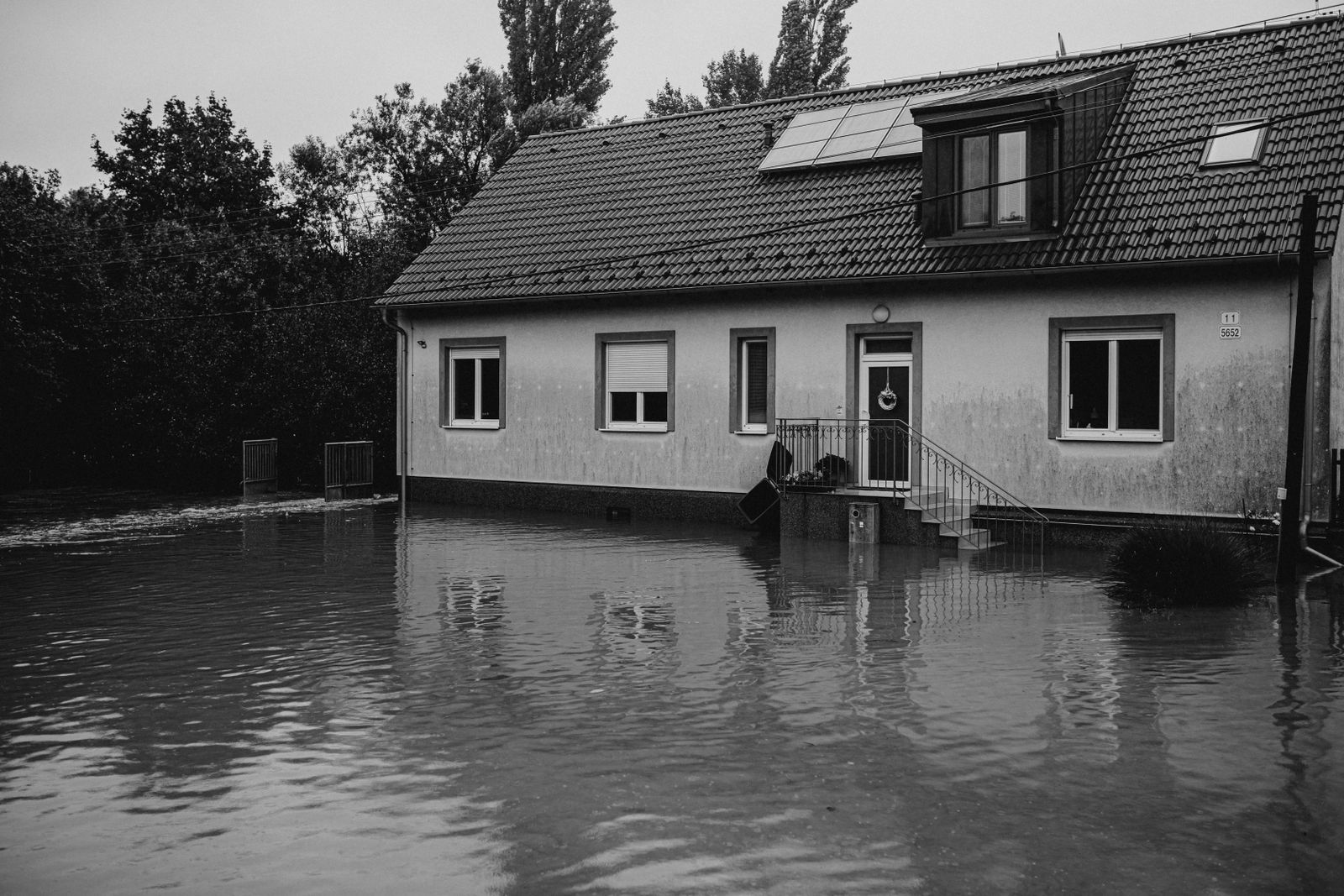
- Flood damage from storm surge, rising water, or overflowing rivers. This requires separate flood insurance through the NFIP or a private carrier.
- Wind-driven rain that enters through a preexisting opening (e.g., a leaky roof, unsealed windows) – often considered maintenance failure.
- Earthquake damage – separate policy needed.
- Landslide, mudslide, or earth movement triggered by wind.
- Mold or rot from moisture that was not promptly addressed.
- Neglect – damage due to poor maintenance, like a worn-out roof.
- Power surges – some policies exclude electronics damaged by surges unless you have a special rider.
Windstorm Insurance in High-Risk Coastal States
In states like Florida, Texas, Louisiana, South Carolina, and North Carolina, windstorm insurance may be handled by state-run entities or high-risk pools. For example:
- Florida: Citizens Property Insurance offers wind coverage for those unable to find private insurance.
- Texas: The Texas Windstorm Insurance Association (TWIA) provides coverage for coastal residents.
- Louisiana: The Louisiana Citizens Property Insurance Corporation offers wind and flood coverage separately.
These entities cover windstorm damage but may have high deductibles (e.g., 2%-5% of the home's value) and coverage limits. It's crucial to read policy documents carefully.
How Windstorm Deductibles Work
Many policies have a separate deductible for wind damage, especially from named storms. This is often a percentage (1%-5%) of the dwelling coverage, not a flat dollar amount. For a $300,000 home with a 2% deductible, you'd pay the first $6,000. According to Insurance Information Institute, this applies per storm, not per year.
Gaps in Coverage and Solutions
Flood Insurance
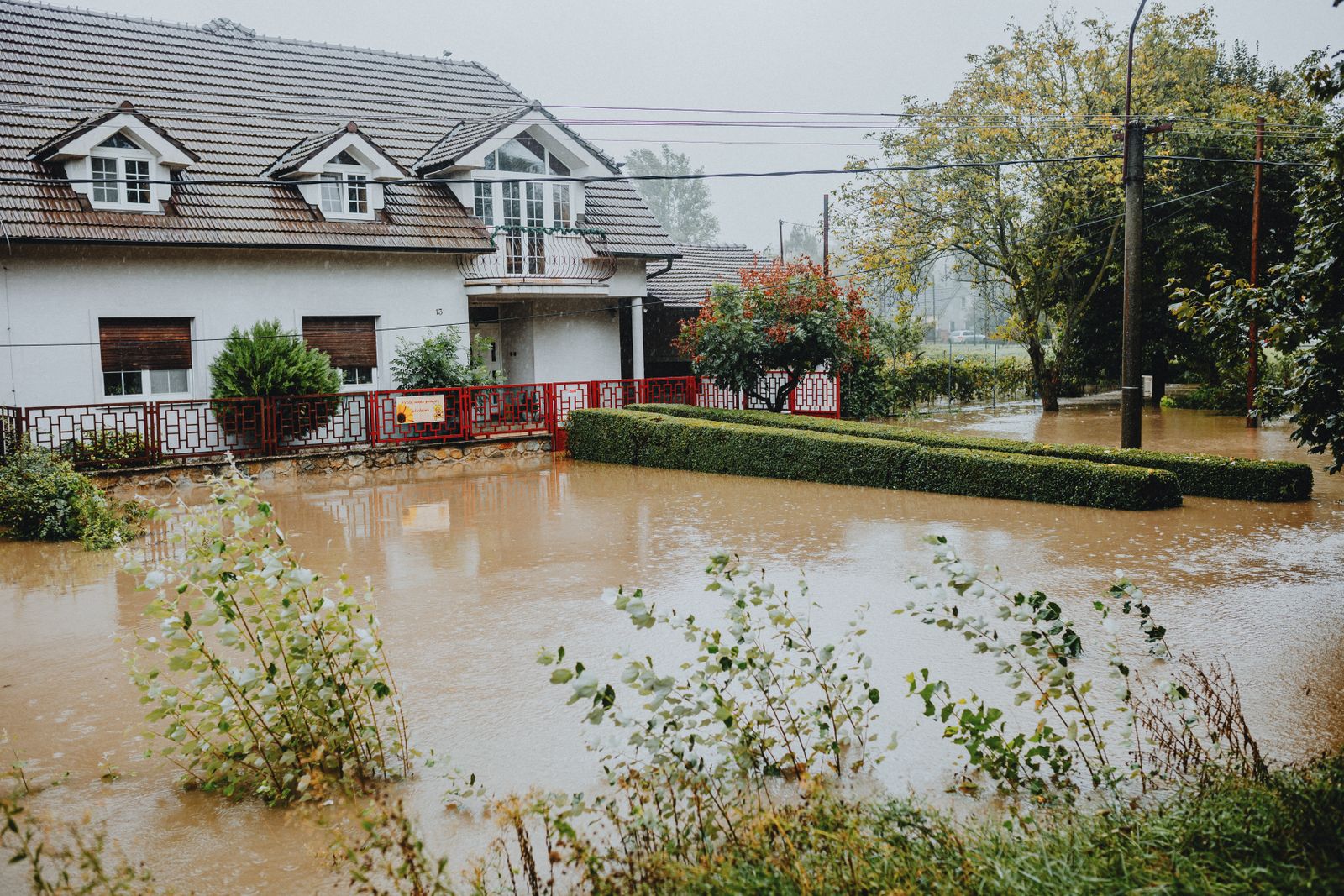
Storm surge and rising water are not covered by windstorm insurance. You need a separate flood policy from the NFIP or a private insurer. Even homes in low-risk areas can flood during hurricanes.
Earthquake Insurance
In coastal states like California, Oregon, and Washington, earthquakes can accompany large storms. Ready.gov recommends a separate earthquake policy, as standard windstorm insurance excludes it.
Additional Living Expenses (ALE)
If your home is uninhabitable, ALE covers hotel stays and meals. Check policy limits: some wind policies offer only a short period. Consider increasing limits if you live in a high-risk area.
Building Code Compliance
If your home must be rebuilt to updated codes after a windstorm, standard policies may only cover the original structure. Ordinance or law coverage can pay for code upgrades—ask your insurer about this endorsement.
Steps to Protect Your Home
- Review your policy annually with an agent to understand wind and other exclusions.
- Purchase flood insurance (30-day waiting period applies for NFIP; private options may be faster).
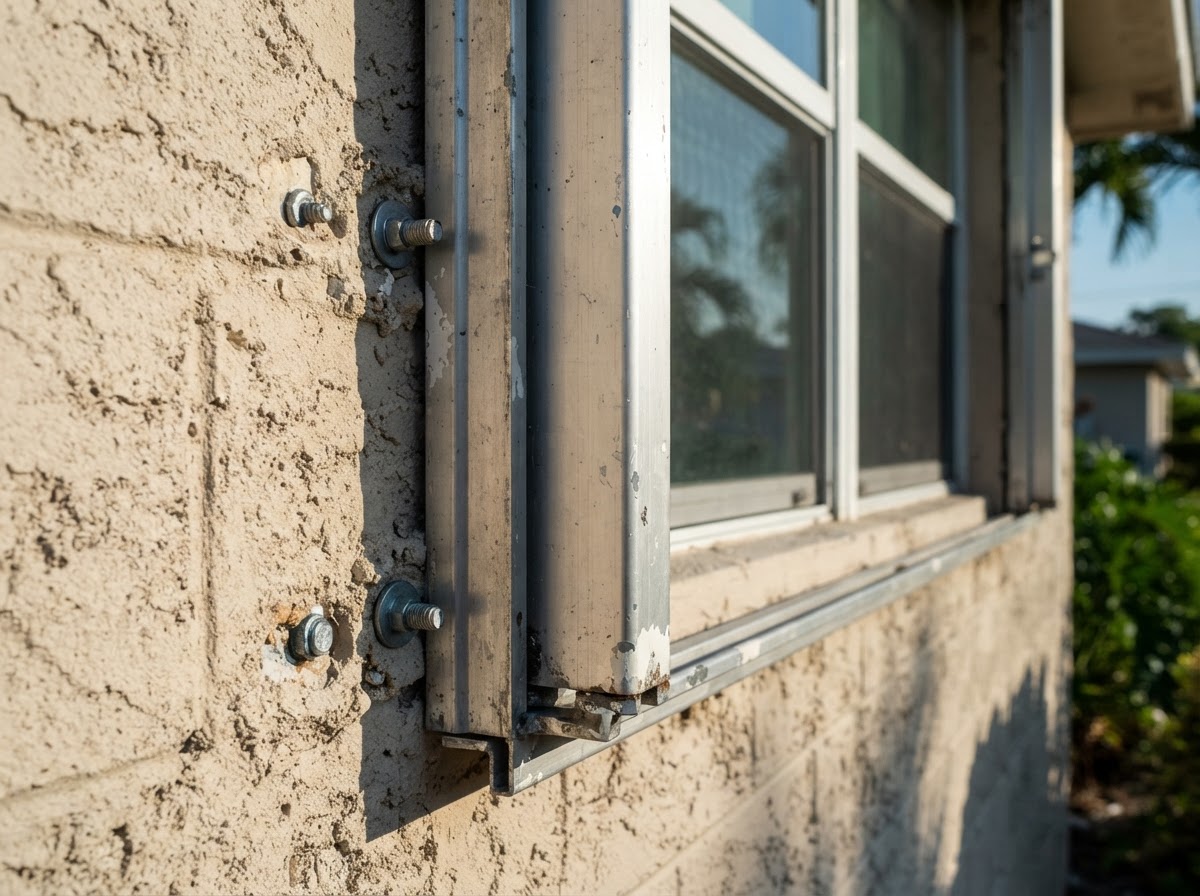
- Strengthen your home — install storm shutters, reinforce roofs with hurricane straps, and seal openings. The FEMA offers guidance on retrofitting.
- Document belongings with photos and receipts for faster claims.
- Know your deductible — be prepared to cover that amount out-of-pocket.
Conclusion
Windstorm insurance is essential for coastal homeowners, but it has meaningful gaps. Flooding, earth movement, and maintenance issues are not covered. To be fully protected, combine windstorm insurance with flood and earthquake policies where needed. Consult with a licensed insurance agent familiar with your state's offerings. For more resources, visit Ready.gov and FEMA's National Risk Index to understand your local hazards.
About our guidance
Our guides are grounded in publicly available information from official sources such as FEMA, NOAA, USGS and Ready.gov. Information is general in nature — always verify details for your specific property and policy with official sources and your insurer.
Related guides
 InsuranceLender-Placed Flood Insurance: The Expensive Backup If Your Policy LapsesYour lender can force-place flood insurance if your policy lapses — and bill you for it, usually at a higher price. Here is how…Oct 15, 2026Read guide →
 InsuranceWhat Happens to Your NFIP Policy If Congress Lets the Program LapseCongress extended the NFIP through December 11, 2026. If the program lapses, existing policies stay in force and claims get paid…Oct 15, 2026Read guide →
 InsuranceExcess Flood Insurance: Coverage Above NFIP's $250,000 LimitThe NFIP caps flood coverage at $250,000 for the building and $100,000 for contents. If your home would cost more to rebuild,…Oct 15, 2026Read guide →