
Winter Storm Prep: Protect Pipes, Power & Stay Warm
4 min read
On this page
Learn how to prevent frozen pipes, handle power outages, and safely heat your home during winter storms, with tips from FEMA, Ready.gov, and the CDC.
Winter Storm Prep for Homeowners: Pipes, Power Outages, and Heat
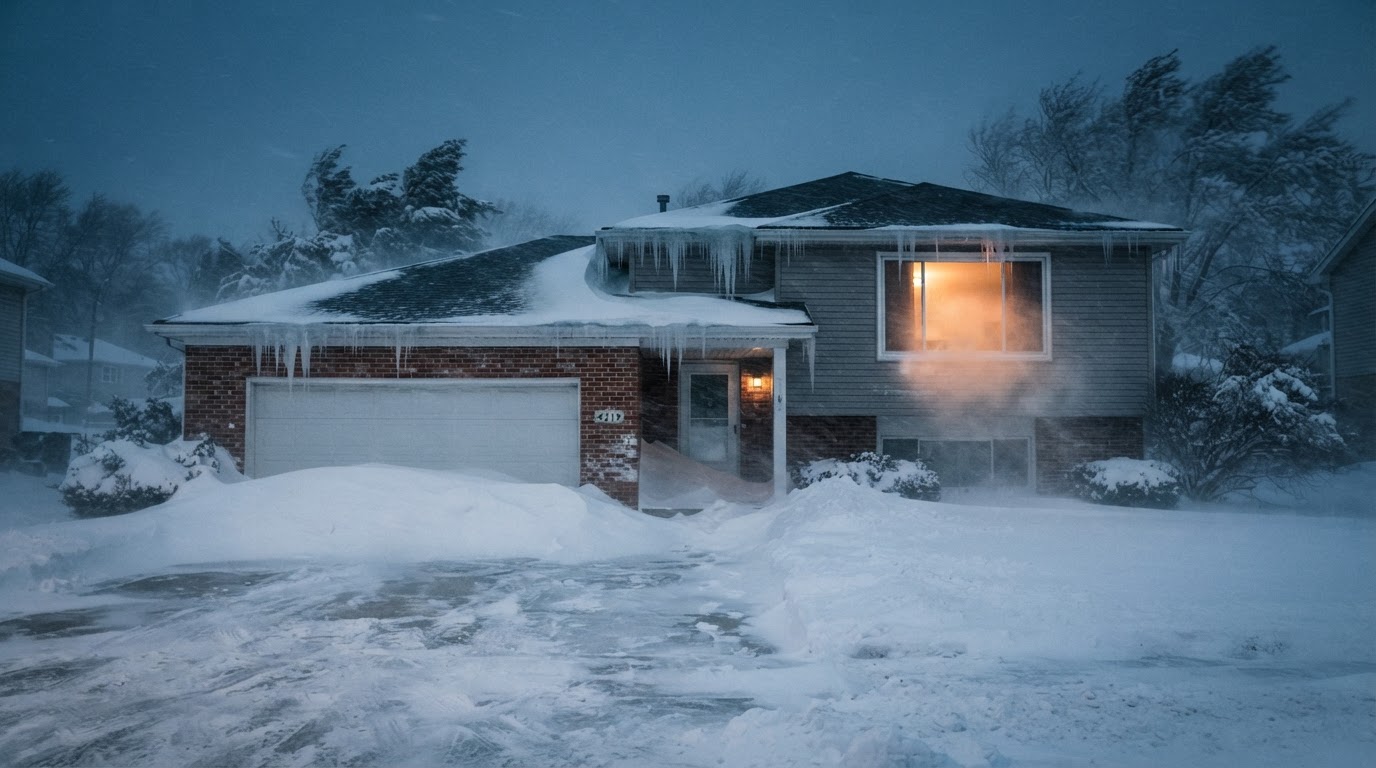
Winter storms can strike with little warning, bringing freezing temperatures, heavy snow, ice, and power outages. For homeowners, the biggest risks are frozen pipes, loss of heat, and electrical outages. Taking steps now can protect your home and family. This guide covers practical, government-backed advice from Ready.gov, FEMA, and the CDC.
Preventing Frozen Pipes
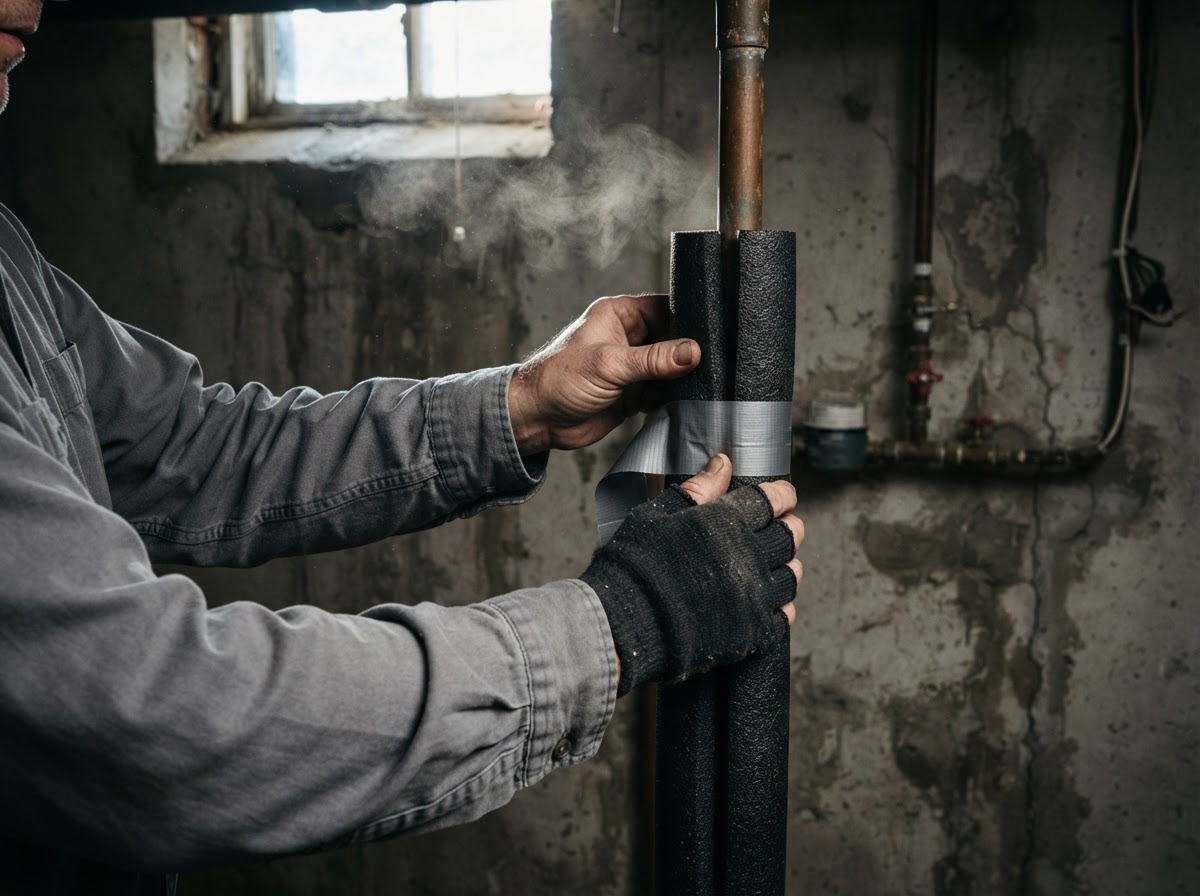
Frozen pipes can burst, causing thousands of dollars in water damage. The Federal Emergency Management Agency (FEMA) and the American Red Cross recommend these steps:
- Insulate pipes in unheated areas like basements, attics, and crawl spaces. Use pipe insulation sleeves or heat tape.
- Seal leaks around pipes where cold air can enter. Use caulk or spray foam around openings where pipes enter the home.
- Disconnect garden hoses and shut off outdoor faucets. Drain any remaining water from outdoor pipes.
- Let faucets drip during extreme cold. A small trickle of water can prevent ice from building up pressure.
- Open cabinet doors under sinks to allow warm air to circulate around pipes.
- Keep the thermostat set to at least 55°F (12°C), even when away.
If pipes do freeze, never use an open flame to thaw them. Instead, use a hair dryer, heat lamp, or space heater (keeping it away from flammable materials). If you can't thaw them safely, call a plumber. For more details, see Ready.gov's winter weather page.
Power Outage Preparedness
Winter storms often knock out power. FEMA recommends preparing BEFORE an outage:
Assemble an Emergency Kit
- Flashlights with extra batteries – avoid candles to reduce fire risk.
- Battery-powered or hand-crank radio (NOAA Weather Radio All Hazards is ideal).
- First aid kit and any necessary medications.
- Non-perishable food and a manual can opener.
- Water – one gallon per person per day for at least three days.
- Warm blankets and extra clothing.
- Power banks or portable chargers for phones.
During a Power Outage
- Keep refrigerator and freezer doors closed to preserve food. A full freezer can keep food safe for 48 hours; a half-full one for 24 hours.
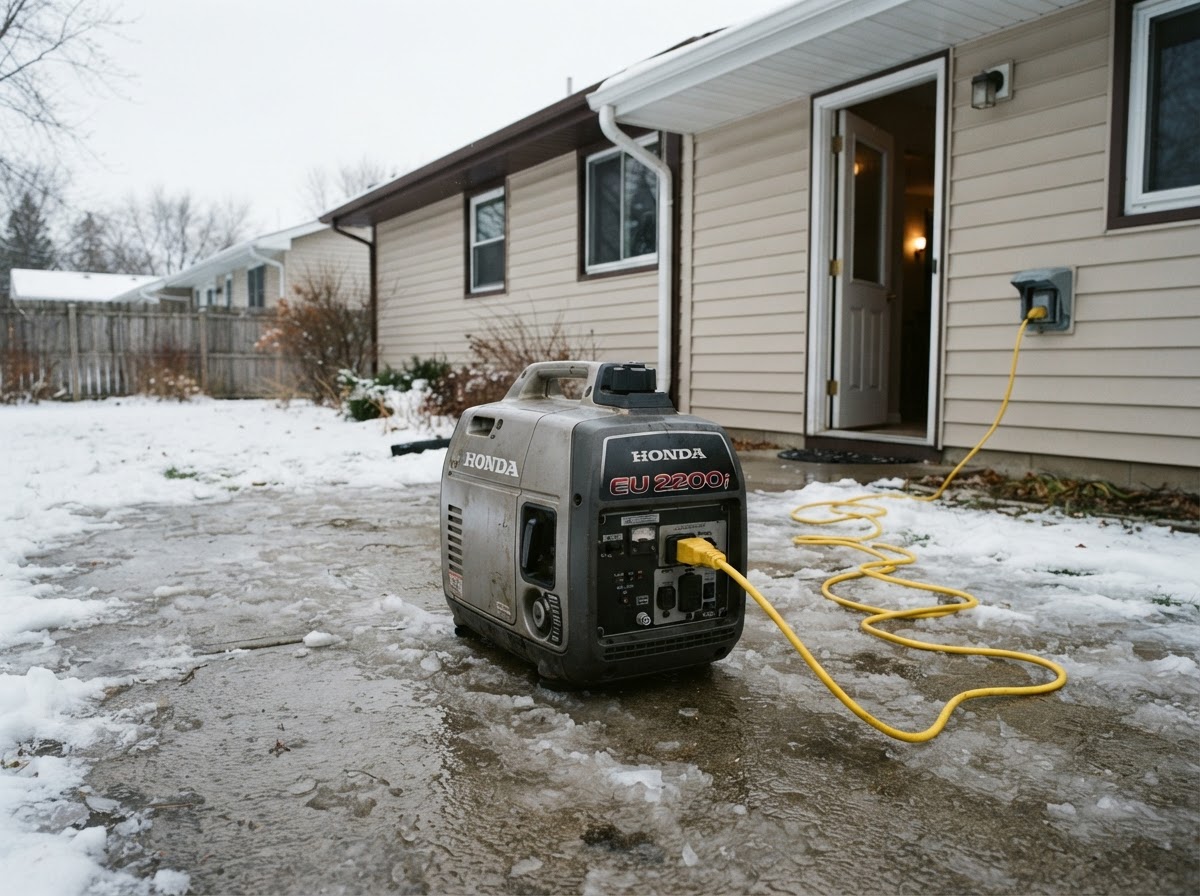
- Use generators safely: NEVER run a generator inside your home, garage, or basement. Place it at least 20 feet from doors, windows, and vents to prevent carbon monoxide poisoning. Follow the FEMA generator safety tips.
- Turn off major appliances to avoid a power surge when electricity returns.
- Layer clothing and use blankets to stay warm.
- If you have a wood-burning fireplace, stock up on dry wood and have chimney inspected yearly.
Staying Warm Safely
Hypothermia is a danger during prolonged cold. The CDC advises:
- Wear layers of loose-fitting, lightweight, warm clothing. A hat, scarf, and gloves help retain body heat.
- Eat well and stay hydrated – food provides energy for body heat.
- Avoid alcohol and caffeine – they can cause dehydration and affect circulation.
- Check on elderly neighbors and those with medical conditions.
Space Heater Safety
Space heaters cause many winter fires. Follow these Ready.gov home fire safety tips:
- Place heaters on a level, non-flammable surface (like a tile floor).
- Keep at least 3 feet away from curtains, bedding, and furniture.
- Never leave a space heater unattended – turn it off when leaving the room or sleeping.
- Plug it directly into a wall outlet, not an extension cord or power strip.
- Use heaters with automatic shut-off if tipped over.
Carbon Monoxide (CO) Awareness
CO is a colorless, odorless gas that can kill. During winter storms, CO incidents spike due to improper use of generators, grills, and cars. The CDC recommends:
- Install CO detectors on every level of your home and near sleeping areas (check batteries twice a year).
- Never use a gas stove or oven to heat your home.
- Never burn charcoal or propane indoors.
- Never run a car or generator in an attached garage, even with the door open.
- If the CO alarm sounds, evacuate immediately and call 911.
Learn more from the CDC's Carbon Monoxide Poisoning page.
Additional Winter Storm Tips for Homeowners
- Weatherstrip doors and windows to reduce drafts.
- Know how to shut off water valves in case pipes burst.
- Consider a backup heat source like a propane or kerosene heater (vented to outside), but follow all safety instructions and local codes.
- Keep sand or cat litter on hand for traction on icy walkways.
- Trim tree branches that could fall on your home during ice storms.
- If you travel during winter, have an emergency kit in your vehicle.
Conclusion
Winter storms pose real risks to homes and families, but preparation can make a huge difference. Focus on the three priorities: prevent frozen pipes, plan for power outages, and stay warm safely. Use the checklists above to get ready before winter weather hits. For more information, visit Ready.gov, FEMA, and the CDC. Stay safe and warm this winter!
About our guidance
Our guides are grounded in publicly available information from official sources such as FEMA, NOAA, USGS and Ready.gov. Information is general in nature — always verify details for your specific property and policy with official sources and your insurer.
Related guides
 InsuranceLender-Placed Flood Insurance: The Expensive Backup If Your Policy LapsesYour lender can force-place flood insurance if your policy lapses — and bill you for it, usually at a higher price. Here is how…Oct 15, 2026Read guide →
 InsuranceWhat Happens to Your NFIP Policy If Congress Lets the Program LapseCongress extended the NFIP through December 11, 2026. If the program lapses, existing policies stay in force and claims get paid…Oct 15, 2026Read guide →
 InsuranceExcess Flood Insurance: Coverage Above NFIP's $250,000 LimitThe NFIP caps flood coverage at $250,000 for the building and $100,000 for contents. If your home would cost more to rebuild,…Oct 15, 2026Read guide →