
Winter Storm Season: November Home Maintenance Checklist
4 min read
On this page
November is the perfect time to prepare your home for winter storms. This checklist, based on guidance from FEMA, NOAA, and Ready.gov, covers essential tasks to protect your home and family.
As winter approaches, November is the critical month to prepare your home for the cold, snow, and ice that winter storms bring. According to Ready.gov, taking proactive steps now can reduce the risk of damage and keep your family safe. This checklist, grounded in official guidance from FEMA, NOAA, and the CDC, will help you winterize your home before the first major storm hits.
Outdoor Checklist
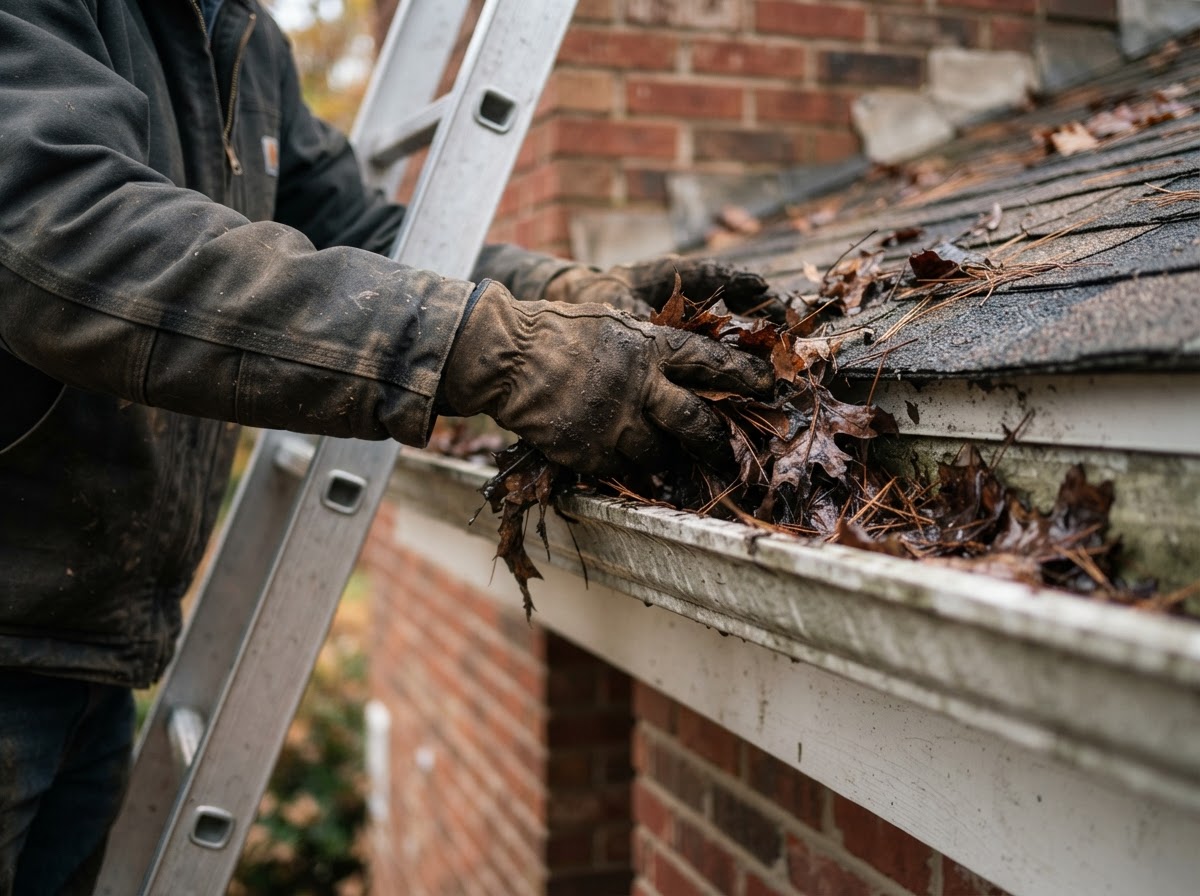
Clean Gutters and Downspouts
Clogged gutters can cause ice dams, which lead to water damage inside your home. Remove leaves, debris, and nests from gutters and ensure downspouts direct water at least 5 feet away from your foundation. FEMA recommends this as a key step to prevent ice dams from forming.
Inspect Your Roof
Look for missing, damaged, or loose shingles that could leak during heavy snow or rain. Check for signs of wear around vents, chimneys, and skylights. If you're comfortable, use a binoculars from the ground or hire a professional. A well-maintained roof is your first defense against winter weather.
Trim Trees and Remove Dead Branches
Heavy snow and ice can cause weak or dead branches to break, potentially damaging your home, car, or power lines. Prune branches that hang over your house or driveway. The National Oceanic and Atmospheric Administration (NOAA) advises that this simple task can prevent costly repairs during a storm.
Seal Gaps and Cracks
Use caulk or weatherproof sealant to close any gaps around windows, doors, and where utility lines enter your home. This not only keeps cold air out but also prevents pests from seeking shelter indoors.
Indoor Checklist
Service Your Heating System
Have a professional inspect your furnace, heat pump, or boiler before the cold sets in. Replace air filters monthly to ensure efficient operation and good air quality. If you use a fireplace or wood stove, have the chimney cleaned and inspected annually to prevent chimney fires.
Insulate Pipes to Prevent Freezing
Frozen pipes can burst and cause significant water damage. Insulate pipes in unheated areas like basements, attics, and crawl spaces with pipe sleeves or heat tape. The CDC recommends knowing how to shut off your home's water supply in case a pipe bursts.
Check Smoke and Carbon Monoxide Detectors
With increased use of heaters, fireplaces, and generators, the risk of house fires and carbon monoxide poisoning rises. Test your detectors monthly and replace batteries if needed. Install a CO detector on every level of your home, especially near sleeping areas.
Weatherstrip Windows and Doors
Apply weatherstripping around moving parts of windows and doors to stop drafts. For stationary gaps, use caulk. This simple step can reduce your heating bill and make your home more comfortable.
Emergency Kit and Supplies
Prepare a winter emergency kit according to Ready.gov guidelines. Store at least a 3-day supply of:
- Non-perishable food (manual can opener)
- One gallon of water per person per day
- Flashlights and extra batteries
- First aid kit
- Warm blankets or sleeping bags
- Battery-powered radio (NOAA Weather Radio All Hazards recommended)
- Charging cables and a power bank
- Rock salt or pet-safe ice melt for walkways
- Cat litter or sand for traction on icy surfaces
Don't forget supplies for pets and family members with special needs. Keep an extra kit in your car with jumper cables, a shovel, and a emergency blanket.
Know Your Risk
Understanding your area's winter weather risk helps you prioritize preparation. Use the FEMA National Risk Index to view winter storm risk for your county. Also check your local National Weather Service office for winter outlooks. Some regions are more prone to ice storms or heavy snowfall, so tailor your checklist accordingly.
Get Your Home Ready Now
Winter storms can be unpredictable, but your home doesn't have to be. By following this November maintenance checklist—rooted in official guidance from FEMA, NOAA, Ready.gov, and the CDC—you can protect your property and ensure your family stays warm and safe all season long. Start with one task today, and you'll be well-prepared when the first storm arrives.
About our guidance
Our guides are grounded in publicly available information from official sources such as FEMA, NOAA, USGS and Ready.gov. Information is general in nature — always verify details for your specific property and policy with official sources and your insurer.
Related guides
 InsuranceLender-Placed Flood Insurance: The Expensive Backup If Your Policy LapsesYour lender can force-place flood insurance if your policy lapses — and bill you for it, usually at a higher price. Here is how…Oct 15, 2026Read guide →
 InsuranceWhat Happens to Your NFIP Policy If Congress Lets the Program LapseCongress extended the NFIP through December 11, 2026. If the program lapses, existing policies stay in force and claims get paid…Oct 15, 2026Read guide →
 InsuranceExcess Flood Insurance: Coverage Above NFIP's $250,000 LimitThe NFIP caps flood coverage at $250,000 for the building and $100,000 for contents. If your home would cost more to rebuild,…Oct 15, 2026Read guide →