
🌡️ Hazard category
Extreme Heat risk by state
Extreme heat is the deadliest weather hazard in the US, and heat waves are growing longer and hotter.
Extreme heat is the deadliest weather hazard in the US, and heat waves are growing longer and hotter.
How to prepare your home
- Never leave people or pets in parked vehicles.
- Use air conditioning or locate your nearest public cooling center.
- Add attic insulation, reflective roofing or shade trees to keep your home cooler.
- Check on elderly neighbors and family during heat waves.
- Stay hydrated and avoid strenuous outdoor activity during peak heat.
Official sources
All states ranked by extreme heat risk
Highest exposure first. Click a state for the full extreme heat briefing and source links.
Arizona
In Arizona, extreme heat isn't just uncomfortable—it's a top risk to your home and your health. We'll walk…
Florida
Florida is a 5 out of 5 for extreme heat, and that rating isn't about discomfort — it's about what a long…
Louisiana
Louisiana's heat is a 5 out of 5 risk for homes, and it's not just about being uncomfortable. From cracked…
Nevada
Nevada faces a very high risk from extreme heat, rated level 5 of 5. Prolonged periods of triple-digit…
Texas
Extreme heat is a serious and widespread hazard in Texas, affecting all regions and posing risks to health,…
Alabama
Alabama faces a Level 4 out of 5 risk for extreme heat, with hot, humid summers that can push the heat index…
Arkansas
Arkansas summers are hot and humid, and the state rates a 4 out of 5 for extreme heat risk, with the Delta…
California
If you own a home in California, extreme heat is a bigger deal than most people think, especially in the…
Georgia
Georgia heat is not a coastal problem or a south Georgia problem — it's a statewide one, and the state's…
Kansas
Extreme heat in Kansas is a level 4 out of 5 risk, and it hits hardest in older homes and mobile homes…
Mississippi
Extreme heat is a serious and recurring hazard in Mississippi, where Gulf humidity pushes the heat index far…
Missouri
Extreme heat is a recurring and serious hazard in Missouri, where high humidity pushes the heat index far…
New Mexico
Extreme heat is a serious and recurring hazard in New Mexico, rated level 4 of 5 in the state. Long, intense…
Oklahoma
Oklahoma's hot, humid summers and drought-prone western plains make extreme heat one of the state's most…
South Carolina
Extreme heat is a serious and recurring hazard across South Carolina, where high humidity pushes the heat…
Colorado
Extreme heat in Colorado is a level 3 out of 5 risk for homes. It's not Phoenix, but many houses here weren't…
Delaware
Delaware rates a 3 out of 5 for extreme heat risk, which means most summers will test your AC, your attic,…
District of Columbia
Extreme heat in the District of Columbia is a level 3 out of 5 risk, which means a week of 95-degree days can…
Idaho
Extreme heat in Idaho is not a hurricane, but it can cook your roof, kill your AC, and crack your foundation.…
Illinois
Extreme heat in Illinois is a level 3 out of 5 risk, so it's real but not the worst thing you'll face. The…
Indiana
Indiana sits at a 3 out of 5 for extreme heat, which means the risk is real but it isn't Phoenix — it's…
Iowa
Extreme heat in Iowa is a level 3 out of 5 risk, which means it's real but not as brutal as the Southwest.…
Kentucky
Kentucky summers are getting hotter, and the risk to your home is mostly about heat stress on the building…
Maryland
Extreme heat is a recurring summer hazard in Maryland, where high humidity can push the heat index above…
Nebraska
Extreme heat is a significant hazard in Nebraska, with hot, humid summers and occasional prolonged heat…
New Jersey
Extreme heat in New Jersey means humid summer heat waves where the heat index climbs well above the actual…
North Carolina
Extreme heat is a recurring summer hazard in North Carolina, especially in the Piedmont, Sandhills, coastal…
South Dakota
Extreme heat is a significant hazard in South Dakota, with hot, humid summers in the east and drier heat in…
Tennessee
Extreme heat is a recurring summer hazard across Tennessee, where Gulf humidity pushes heat index values well…
Utah
Extreme heat is a recurring and underrated hazard in Utah, with the most intense conditions in the low-desert…
Virginia
Virginia experiences extreme heat from late spring through early fall, with humid conditions and urban heat…
Connecticut
Extreme heat in Connecticut is a level 2 out of 5 risk — lower than the Gulf Coast, but not nothing. The…
Hawaii
Hawaii's extreme heat risk is moderate statewide, but leeward areas like Kona and Waianae get hit harder.…
Massachusetts
Extreme heat in Massachusetts typically arrives as humid, multi-day heat waves with warm nights, with the…
Michigan
Extreme heat in Michigan is a moderate risk, rated 2 out of 5. While not as frequent or intense as in…
Minnesota
Minnesota's extreme heat risk comes as much from humidity as from temperature, with heat index values above…
Montana
Extreme heat in Montana is a moderate risk, rated level 2 out of 5. While the state is known for cold…
New York
Extreme heat in New York means humid, multi-day heat waves that push the heat index well above the air…
North Dakota
Extreme heat in North Dakota is rated Level 2 of 5 — a moderate-low risk, but still real during the short…
Ohio
Extreme heat in Ohio is a humid, often multi-day hazard that peaks in July and August and can push the heat…
Oregon
Oregon has a moderate risk of extreme heat, rated Level 2 of 5. Heat waves are becoming more frequent and…
Pennsylvania
Extreme heat in Pennsylvania is rated a moderate (Level 2 of 5) hazard, driven mainly by humid summer heat…
Rhode Island
Extreme heat in Rhode Island is a real summer hazard, driven by high humidity and the urban heat island…
Washington
Extreme heat is a growing risk in Washington, with eastern areas and urban heat islands most affected. Many…
West Virginia
West Virginia's mountainous terrain moderates heat compared with the Deep South, but humid heat still builds…
Wisconsin
Extreme heat in Wisconsin is rated Level 2 of 5. The state can experience humid summer heat waves, especially…
Wyoming
Wyoming homes face a level 2 extreme heat risk — not the worst in the country, but enough to matter for…
Alaska
Alaska rarely gets the kind of heat that makes national news, but Interior and Southcentral summers can still…
Maine
Maine's extreme heat risk is rated 1 out of 5 in FEMA's National Risk Index, reflecting its short, generally…
New Hampshire
Extreme heat is a relatively low risk in New Hampshire—rated level 1 of 5—but inland heat waves still…
Vermont
Extreme heat in Vermont is a relatively low-frequency hazard — the state is rated 1 out of 5 — but short,…
Official maps for extreme heat
About these rankings
- Which states have the highest extreme heat risk?
- Arizona currently ranks at the top of this list (Very High). Rankings are statewide averages — a county can sit well above or below that score.
- Does homeowners insurance cover extreme heat?
- Heat rarely pays a property claim. The practical costs are cooling, medical risk and power-outage food loss — plan for those, not a check from the insurer.
- How should I use this ranking?
- Find your state, open the state × hazard page, then verify the address on the official maps linked there. This page is a comparison tool, not a determination.
Last updated: June 12, 2026. Rankings are state-wide estimates based on public hazard data (FEMA, NOAA, USGS) — always verify your specific address with official sources.
Related guides
 Heat Illness Warning Signs Every Homeowner and Parent Should KnowLearn to recognize the warning signs of heat exhaustion and heat stroke, and discover essential prevention tips for your home and…Jun 21, 2026Read guide →
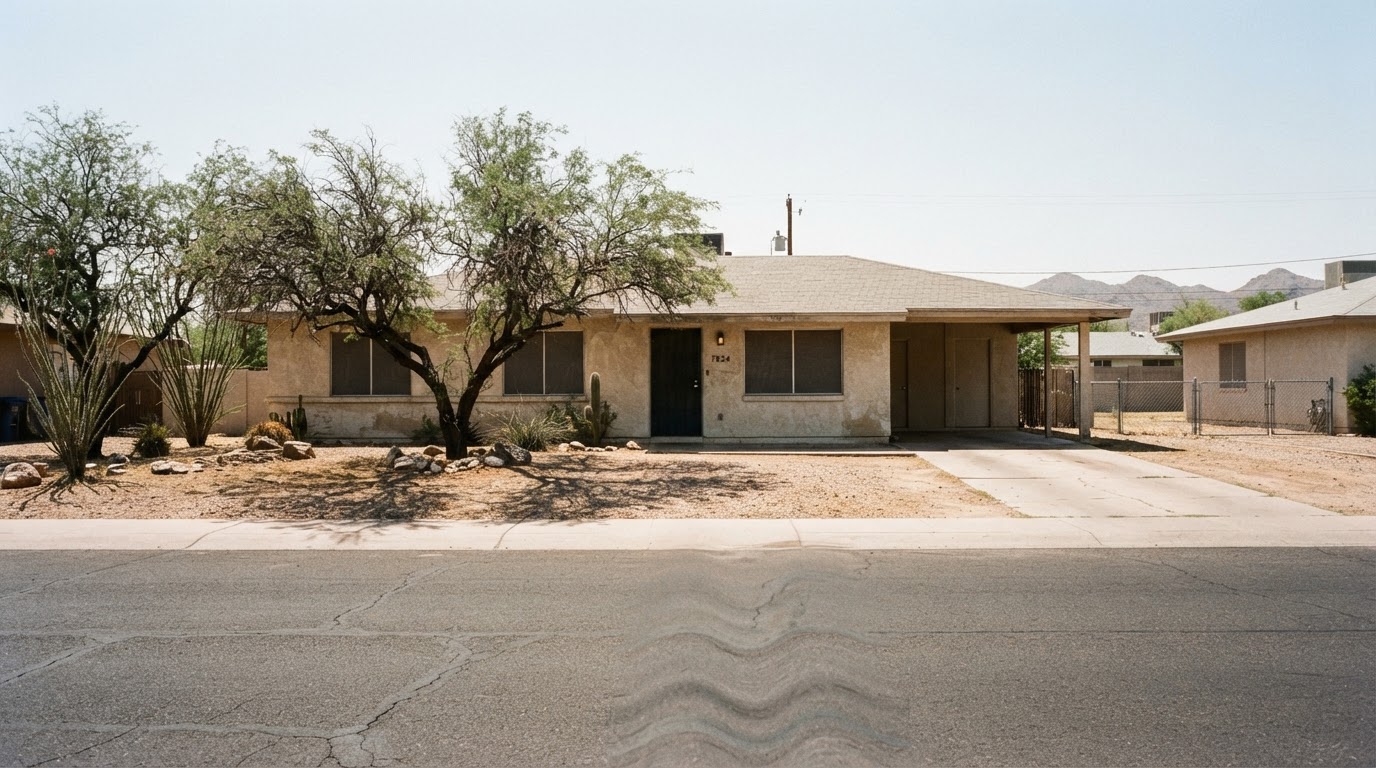 Cool Home, Low Bills: Beat the Heat Without Breaking the BankLearn how to keep your home comfortable during a heat wave while saving on energy costs, using tips from FEMA, DOE, and CDC.Jun 21, 2026Read guide →