
Midwest region · MI
Michigan home risk profile
Overall home hazard risk: Minor
How to use this profile
- Scan the hazard list. Anything rated Major or Extreme is the next page to open.
- Read the insurance note — flood and earthquake are usually separate policies.
- Look up your ZIP, then confirm the address on the official maps linked from each hazard page.
If you're flying into Detroit Metro or Gerald R. Ford International this weekend to walk a house before closing, start in the basement and end on the roof. Michigan's winter storms carry the highest rating in this profile—4 out of 5. Lake-effect snow belts, ice storms, and long cold snaps can tear at shingles, freeze pipes, and leave you without power for days. Ask the seller for roof age, heating bills, and where the downspouts discharge. If those answers are vague, that's your first negotiation chip.
Flooding is the second-highest at 3 out of 5, and it's the one that catches buyers off guard. Michigan has river flooding, urban flash flooding, and Great Lakes shoreline flooding. A house outside a mapped FEMA flood zone can still take water through a basement drain, a window well, or overland flow after a heavy rain. Check the FEMA flood maps and ask whether the current owner ever filed an NFIP claim. The Michigan State Police Emergency Management and Homeland Security Division is the state agency that coordinates storm response, and its local readiness pages are worth a skim before you sign. Tornadoes and severe storms also rate 3 out of 5; Michigan sees damaging straight-line winds and tornadoes every year, so a basement or interior room matters more than curb appeal.
Wildfires, extreme heat, and drought sit at 2 out of 5. They aren't the first thing you'd worry about in most of Michigan, but northern counties can burn in dry spring weather, and Detroit and Grand Rapids heat islands can push indoor temperatures hard during a July outage. Earthquakes, hurricanes, and landslides are all 1 out of 5—very low, though not impossible. Hurricane remnants can still drop heavy rain here, and a steep bluff near the Great Lakes can slump after a wet winter. That's a geology question, not a daily hazard.
If I had one weekend and a limited budget, I'd spend it on water: a basement inspection, a flood-zone lookup, and a roof and gutter check before I worried about anything else. Michigan's risk isn't a single dramatic event; it's the slow grind of freeze-thaw, snow load, and rain that finds every weak seam. Get the inspection, ask for claim history, and price the fixes into your offer.
Risk levels in Michigan
Statewide scores, highest first. A neighborhood can look different from the state average — use these to decide which official map to open.
What the ratings mean
"MinimalMinorModerateMajorExtreme
Each rating is a statewide starting point, framed for a typical 30-year stay — the length of a standard mortgage. A neighborhood can look different from the state average. Always verify your address with official FEMA, NOAA or USGS maps.
Questions about Michigan
- What is the overall home-hazard rating in Michigan?
- Michigan scores Minor overall on our statewide scale. That average can hide one severe local peril — open the highest-rated hazard pages and then verify your address.
- Does a standard homeowners policy cover the main risks in Michigan?
- Weight of ice and snow is often covered; flood from a burst pipe or ice jam may need extra coverage. Frozen-pipe exclusions show up when heat was off.
- How should I use this Michigan page?
- Treat it as a briefing, not a determination. Check the hazard list, open the pages rated Major or Extreme, then confirm the parcel on FEMA, NOAA or USGS maps and with Michigan State Police Emergency Management and Homeland Security Division.
Last updated: October 8, 2026. Risk levels are state-wide estimates based on public hazard data (FEMA, NOAA, USGS) — always verify your specific address with official sources.
Guides to read with this profile
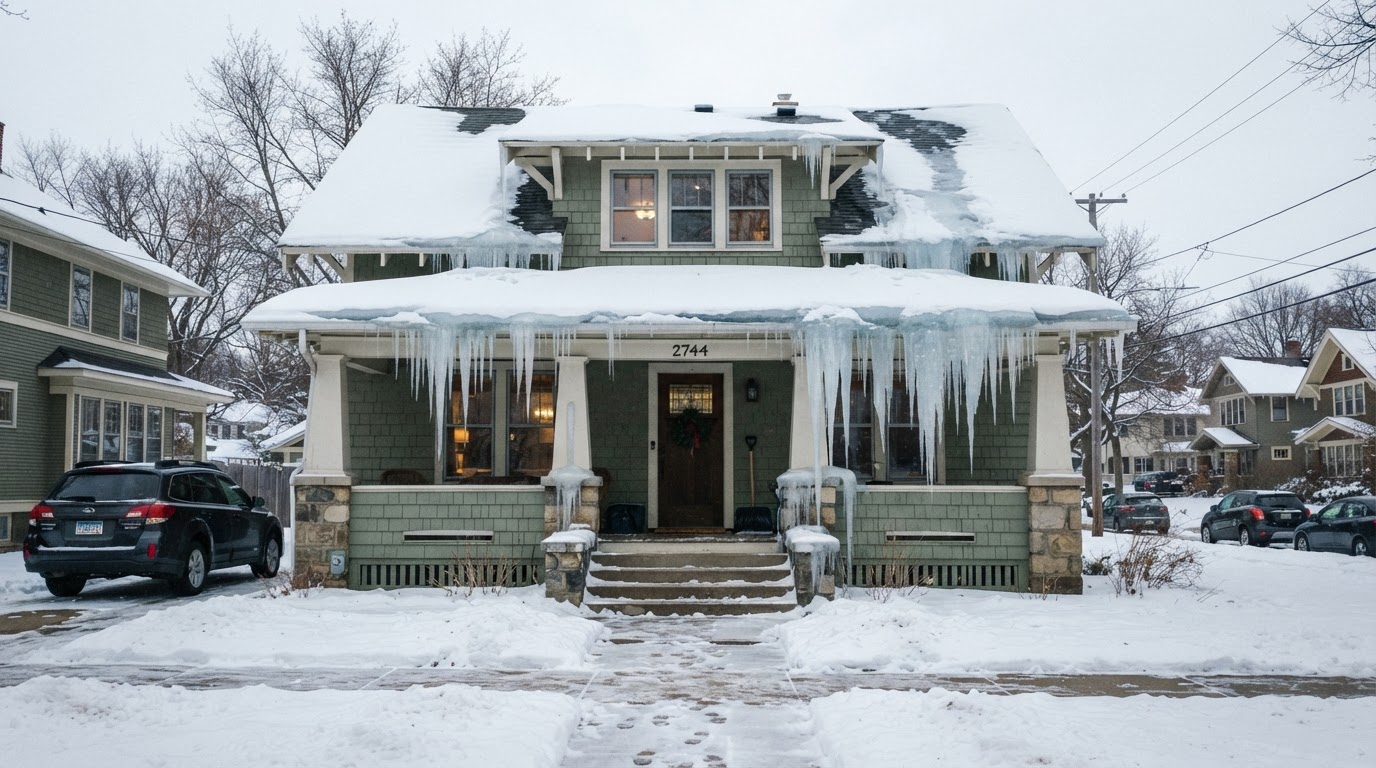 Stop Ice Dams: Essential Prevention Tips for Your RoofIce dams can cause costly damage to your home. Learn how to prevent them with proper insulation, ventilation, and smart home…Jun 21, 2026Read guide →
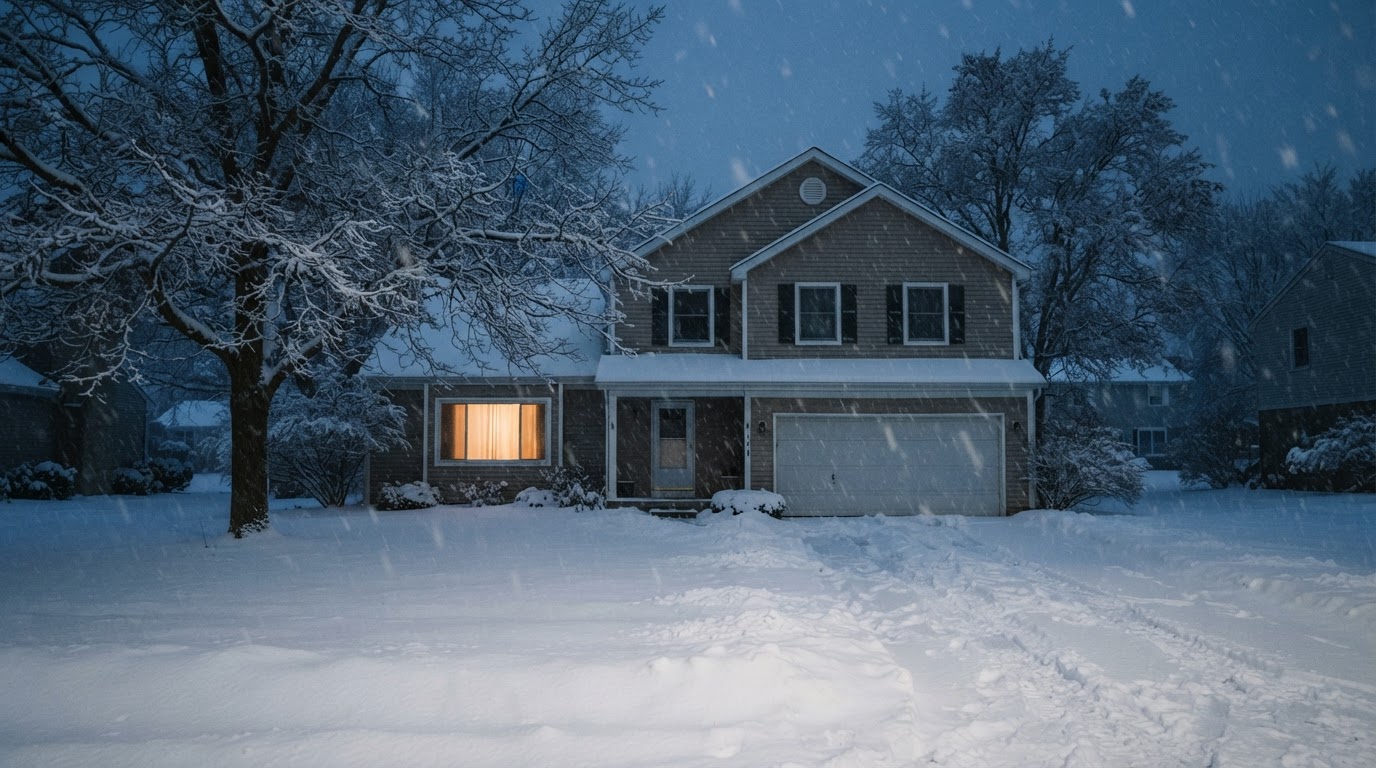 Safe Backup Heating for Winter Power Outages: Expert TipsLearn how to stay warm safely during a winter power outage with backup heating options recommended by FEMA, Ready.gov, and the…Jun 21, 2026Read guide →
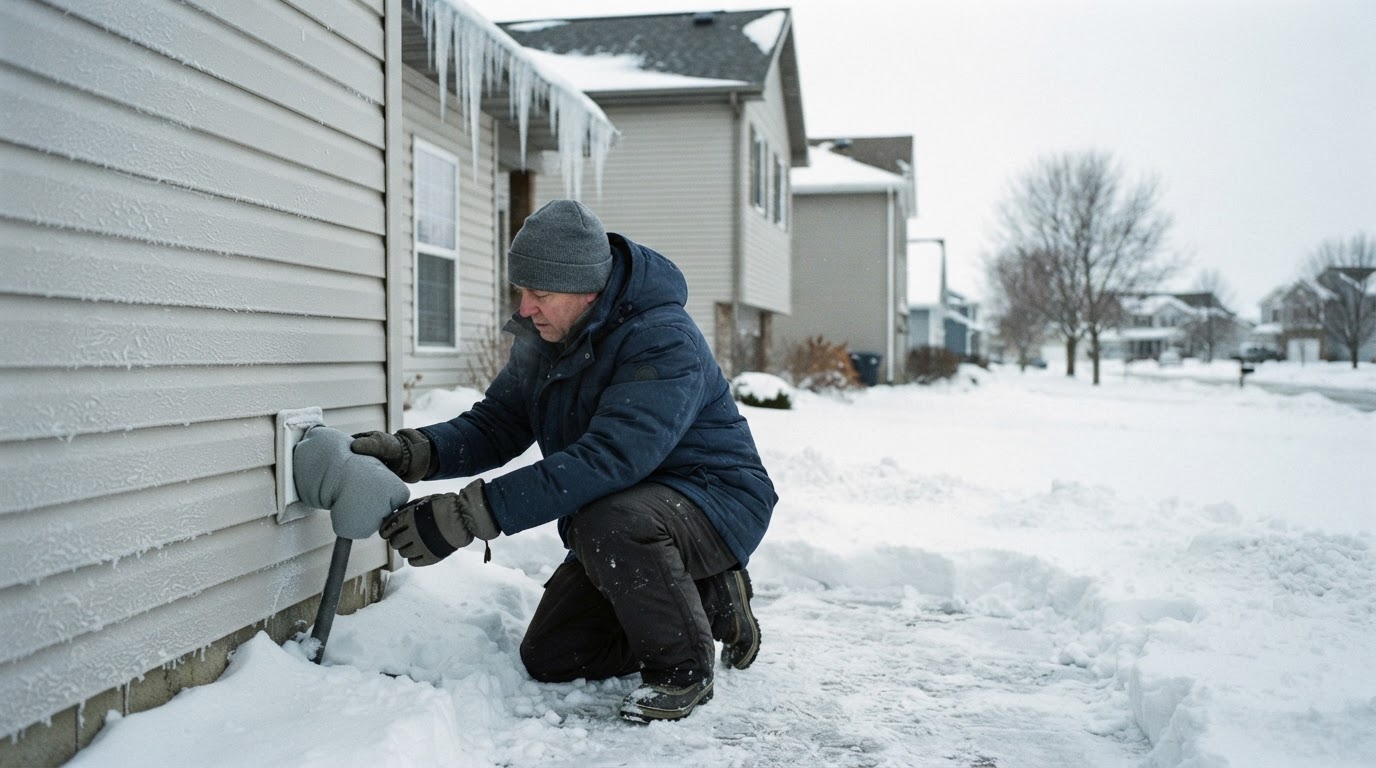 Prevent Frozen and Burst Pipes This WinterFrozen pipes can burst and cause costly water damage. Learn practical steps from FEMA and Ready.gov to protect your home before,…Jun 21, 2026Read guide →