
⛰️ Hazard category
Landslides risk by state
Landslides and mudflows occur in all 50 states, often triggered by heavy rain, wildfires or earthquakes.
Landslides and mudflows occur in all 50 states, often triggered by heavy rain, wildfires or earthquakes.
How to prepare your home
- Learn whether your area has a history of landslides or debris flows.
- Watch for warning signs: new cracks, tilting trees, doors that suddenly stick.
- Plant ground cover on slopes and build retaining walls where appropriate.
- Be especially alert after wildfires — burned slopes shed water fast.
- During intense storms, stay awake and ready to evacuate if in a risk zone.
Official sources
All states ranked by landslides risk
Highest exposure first. Click a state for the full landslides briefing and source links.
Alaska
Alaska gets landslides because you’ve got steep slopes, heavy rain, and thawing permafrost all in one…
California
If you own a home on a slope in California, landslides are a real risk—the state gets a level 4 out of 5…
Oregon
Oregon's steep terrain, heavy seasonal rain, and earthquake potential make landslides a significant risk for…
Washington
Washington's steep terrain, heavy winter rains, and earthquake faults make landslides a serious risk for…
Colorado
In Colorado, landslides are a real risk for homes on steep slopes, in canyons, and below burn scars.…
Hawaii
Hawaii's steep volcanic slopes and heavy rain make landslides a real risk, and the state rates it a 3 out of…
Idaho
Landslides in Idaho are a real threat for homes built on steep slopes, in canyons, and below wildfire burn…
North Carolina
North Carolina's landslide risk is concentrated in the western mountains, where steep slopes, deep soils and…
Utah
Landslides and debris flows are a recurring hazard in Utah, especially along the steep Wasatch Front, in…
West Virginia
West Virginia's steep, mountainous terrain and heavy rainfall make landslides a recurring hazard, especially…
Alabama
Landslides in Alabama are less frequent than in some states, but the risk is real, especially on steep slopes…
Arizona
Arizona’s landslide risk is low statewide, but it’s not zero — steep slopes, canyons, and burn scars…
Arkansas
In Arkansas, landslides are a level 2 out of 5 statewide risk, but that average hides the steep Ozark and…
Georgia
Georgia's landslide risk is mostly up in the north Georgia mountains, where steep slopes and heavy rain can…
Kentucky
Kentucky’s landslide risk is rated 2 out of 5 statewide, but that average hides steep hollows in Eastern…
Montana
Montana's mountainous terrain and variable climate create a risk of landslides, particularly in steep areas…
Nevada
Nevada's steep mountain ranges, thin rocky soils and intense storms create real landslide, rockfall and…
New Hampshire
New Hampshire's landslide risk is relatively low statewide but locally significant, driven by steep glacially…
New Mexico
Landslides and debris flows in New Mexico occur most often in steep mountain terrain, canyons, and recently…
New York
Landslides in New York occur mostly on steep slopes in the Catskills, Adirondacks, Hudson Valley, and along…
Ohio
Landslides in Ohio are less frequent than in mountainous states, but they do occur, especially in the hilly…
Pennsylvania
Pennsylvania has a moderate landslide risk (level 2 of 5). Landslides are most common in the steep, hilly…
Tennessee
Landslides in Tennessee are most common in the eastern mountainous regions, including the Appalachian…
Vermont
Vermont's landslide risk is moderate — rated 2 out of 5 — but locally severe. Steep Green Mountain…
Virginia
Virginia has a moderate landslide risk overall, with the greatest hazard in the steep, mountainous western…
Wyoming
Wyoming's statewide landslide risk is a moderate 2 out of 5, but your actual risk depends on whether your…
Connecticut
Connecticut's statewide landslide risk is rated level 1 of 5, which is low, but steep slopes in the…
Delaware
Landslides are rare in Delaware, but they can happen on river bluffs and coastal slopes. Your homeowners…
District of Columbia
Landslides in the District of Columbia are rare—the statewide risk is level 1 out of 5—but steep slopes…
Florida
Florida gets a level 1 of 5 for landslide risk, so the odds of a catastrophic slide are very low. But if your…
Illinois
Illinois gets a level 1 out of 5 for landslide risk statewide, but that doesn't mean zero — the steep…
Indiana
Indiana is a level 1 out of 5 state for landslide risk overall, but that low rating hides real trouble on…
Iowa
Iowa's statewide landslide risk is rated 1 out of 5, so most of the state is low risk, but the steep bluffs…
Kansas
Kansas is one of the lowest-risk states for landslides, but a few steep bluffs along the Missouri River can…
Louisiana
Louisiana's statewide landslide risk is low, but the risk isn't zero if you live on a Mississippi River…
Maine
Maine has a low overall landslide risk (level 1 of 5), but landslides can occur in localized areas with steep…
Maryland
Landslides in Maryland are relatively uncommon compared to mountainous states, but they can occur in areas…
Massachusetts
Landslides are a relatively low-risk hazard in Massachusetts, but they can occur in areas with steep slopes,…
Michigan
Michigan has a very low landslide risk, rated level 1 out of 5. However, localized landslides can occur along…
Minnesota
Minnesota has a relatively low overall landslide risk, rated 1 out of 5, but localized landslides can occur…
Mississippi
Mississippi has a relatively low overall landslide risk compared to many other states, but landslides and…
Missouri
Landslides in Missouri are relatively uncommon, but localized risks exist where steep slopes, river bluffs,…
Nebraska
Nebraska has a low overall landslide risk, but localized slides occur along steep bluffs, loess hills, and…
New Jersey
Landslides in New Jersey are relatively uncommon, with the state rated as low risk overall. However,…
North Dakota
North Dakota is rated 1 out of 5 for landslide risk, with the hazard limited to the state's steepest terrain…
Oklahoma
Landslides in Oklahoma are relatively uncommon, with the state rated 1 out of 5 for this hazard. Most events…
Rhode Island
Landslides are a very low risk in Rhode Island, rated level 1 out of 5. The state's mostly gentle topography…
South Carolina
Landslides in South Carolina are relatively uncommon overall, but the state's mountainous Upstate…
South Dakota
South Dakota is rated low overall for landslide risk, but slope failures do occur — most often on the steep…
Texas
Texas has a relatively low landslide risk overall, but landslides and debris flows can occur in the Hill…
Wisconsin
Wisconsin has a low overall landslide risk, but localized landslides can occur on steep slopes, bluffs, and…
Official maps for landslides
About these rankings
- Which states have the highest landslides risk?
- Alaska currently ranks at the top of this list (High). Rankings are statewide averages — a county can sit well above or below that score.
- Does homeowners insurance cover landslides?
- Landslides and mudflows often fall in a coverage gap: excluded from homeowners, flood and earthquake alike unless you buy specialty coverage.
- How should I use this ranking?
- Find your state, open the state × hazard page, then verify the address on the official maps linked there. This page is a comparison tool, not a determination.
Last updated: June 12, 2026. Rankings are state-wide estimates based on public hazard data (FEMA, NOAA, USGS) — always verify your specific address with official sources.
Related guides
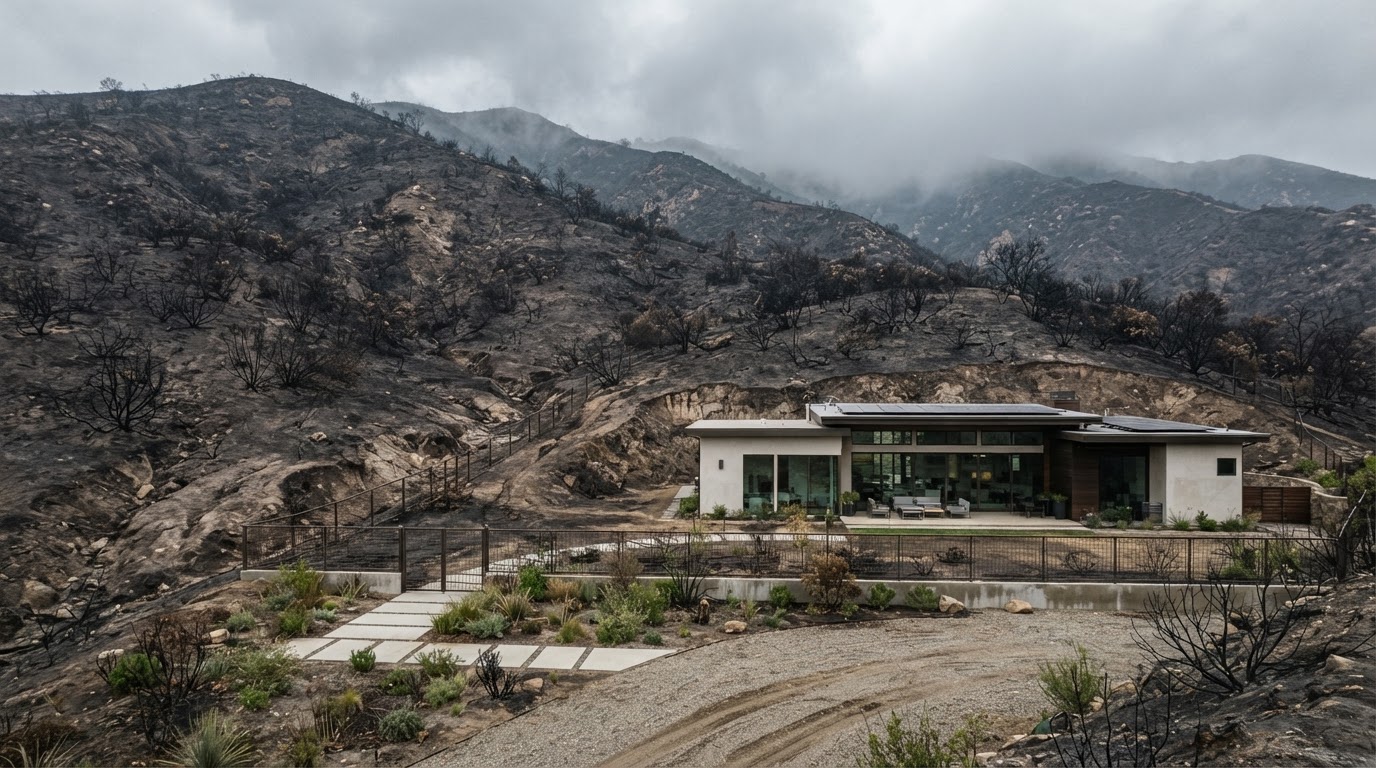 Debris Flow Risk After Wildfires: What Hillside Homeowners Should KnowLearn how wildfires increase debris flow hazards on hillsides and get practical tips from FEMA, USGS, and Ready.gov to protect…Jun 21, 2026Read guide →
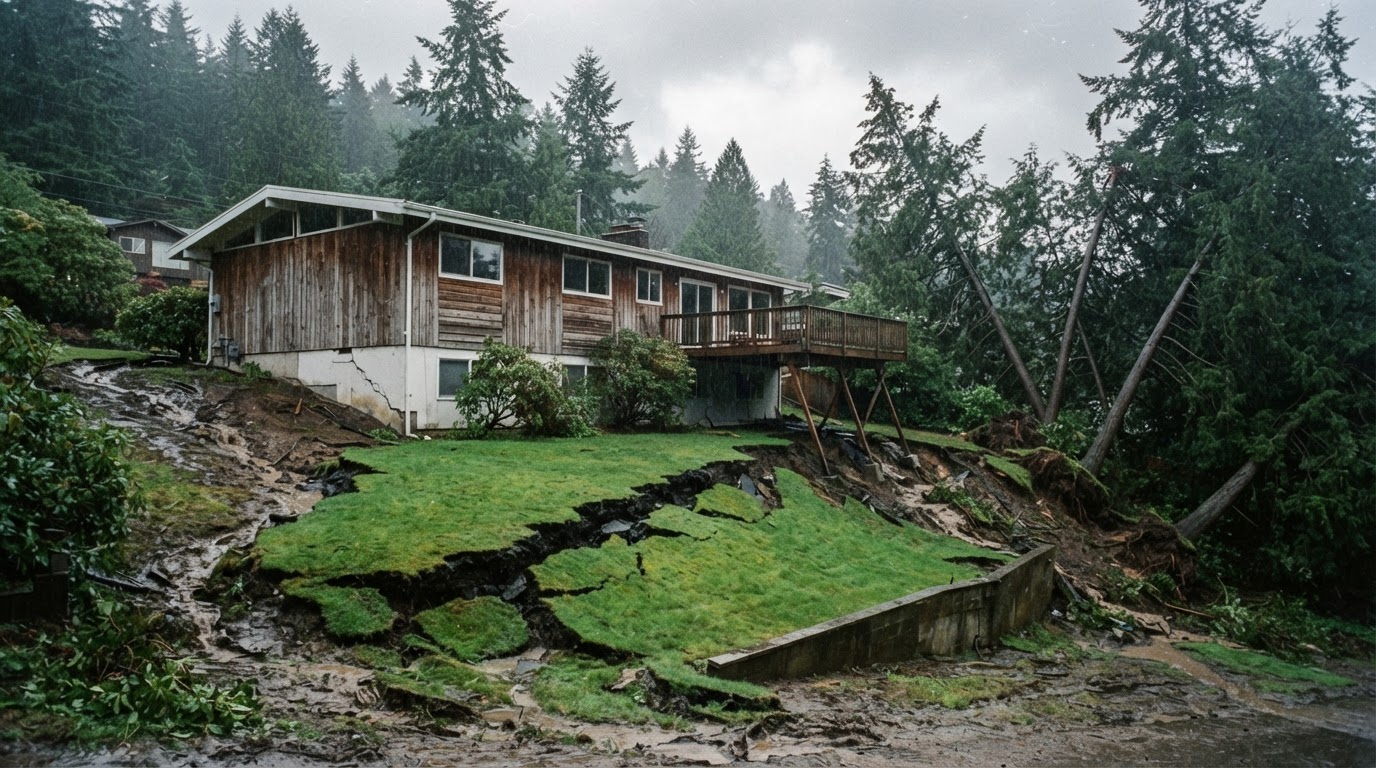 7 Warning Signs of Slope Failure Every Homeowner Should KnowLearn to identify early warning signs of landslides and slope instability around your property, based on guidance from FEMA,…Jun 21, 2026Read guide →