
🌪️ Hazard category
Tornadoes risk by state
Tornadoes can strike with little warning, producing winds over 200 mph that destroy homes in seconds.
Tornadoes can strike with little warning, producing winds over 200 mph that destroy homes in seconds.
How to prepare your home
- Identify a safe room: a basement or interior room on the lowest floor without windows.
- Consider installing an engineered storm shelter or safe room.
- Sign up for local emergency alerts and keep a NOAA weather radio.
- Practice tornado drills with everyone in your household.
- Anchor manufactured homes and know where the nearest sturdy shelter is.
Official sources
All states ranked by tornadoes risk
Highest exposure first. Click a state for the full tornadoes briefing and source links.
Alabama
Alabama faces a very high tornado risk, rated level 5 of 5. Tornadoes can occur any time of year, with peaks…
Arkansas
Arkansas gets hit by tornadoes in every season, and the statewide risk is about as high as it gets. If you…
Kansas
Kansas sees some of the highest tornado risk in the country, and that affects your home insurance and safety.…
Mississippi
Mississippi is one of the most tornado-prone states in the country, rated 5 out of 5 for this hazard. The…
Missouri
Missouri is at high risk for tornadoes, with activity possible statewide and throughout the year. The state…
Nebraska
Nebraska is one of the most tornado-prone states in the U.S., with the highest risk concentrated in central…
Oklahoma
Oklahoma is one of the most tornado-prone states in the U.S., with a level 5 of 5 risk rating. Tornadoes can…
Texas
Texas records more tornadoes than any other state, with the greatest exposure in the Panhandle, the Red River…
Georgia
Georgia is a level 4 out of 5 for tornado risk, and that catches people off guard because we think of the…
Illinois
Illinois gets a lot of tornadoes, and if you're buying or insuring a house here, you need to know your wind…
Indiana
In Indiana, tornado risk is a real thing — the state gets about two dozen tornadoes a year, and some…
Iowa
If you're buying or insuring a home in Iowa, tornado risk is one of the first things I'd look at, not the…
Kentucky
Kentucky is one of the most tornado-prone states in the country, with a primary season in spring and a…
South Dakota
South Dakota faces a relatively high tornado risk, especially in the eastern half of the state. Tornadoes can…
Tennessee
Tennessee sits in the heart of "Dixie Alley," where tornadoes occur in every month of the year and often…
Colorado
Colorado gets tornadoes, but they cluster on the eastern plains and the Front Range, not evenly across the…
Florida
Florida can see tornadoes in any month, and the risk is not just a Panhandle thing. If you are buying or…
Louisiana
Tornadoes are a year-round risk in Louisiana, which lies in the region known as 'Dixie Alley' where storms…
Michigan
Michigan experiences tornadoes each year, mainly in the southern Lower Peninsula during spring and summer.…
Minnesota
Minnesota experiences tornadoes primarily from spring through summer, with peak activity in June. While the…
North Carolina
North Carolina experiences tornadoes statewide, with an average of about 30 per year according to the NOAA…
North Dakota
North Dakota experiences tornadoes each year, with the greatest risk from late spring through summer. While…
Ohio
Ohio experiences tornadoes each year, with the risk rated as level 3 out of 5 by HomeRiskMap. Tornadoes can…
South Carolina
South Carolina faces a moderate tornado risk, rated 3 out of 5, with tornadoes possible statewide in every…
Wisconsin
Tornadoes occur in Wisconsin every year, most often from May through August, with the southern part of the…
Connecticut
Connecticut doesn't get tornadoes like the Plains, but the state still sees damaging spin-ups, and your roof…
Delaware
Delaware isn't Tornado Alley, but the state does get tornadoes — the risk is rated 2 out of 5. If you own a…
District of Columbia
District of Columbia rates a level 2 of 5 for tornado risk, which sounds low until you remember how tightly…
Maryland
Maryland has a moderate tornado risk, rated 2 out of 5. While not in the traditional 'Tornado Alley,' the…
Massachusetts
Massachusetts has a moderate tornado risk (level 2 of 5). Tornadoes can occur anywhere in the state, but they…
New Jersey
Tornadoes in New Jersey are less frequent and typically weaker than in the central U.S., but they do occur…
New York
New York has a relatively low tornado risk compared to the central United States, but tornadoes do occur…
Pennsylvania
Pennsylvania has a moderate risk of tornadoes, rated 2 out of 5. While not in the traditional Tornado Alley,…
Virginia
Virginia experiences tornadoes each year, though the overall risk is rated moderate (level 2 of 5) compared…
West Virginia
West Virginia has a relatively low tornado risk, rated level 2 out of 5, but tornadoes do occur in the state.…
Wyoming
Wyoming’s tornado risk is real but lower than the southern Plains — the state sits at level 2 of 5. If…
Alaska
In Alaska, tornadoes are rare and the statewide risk is level 1 out of 5, but that doesn't mean you can…
Arizona
Arizona sees a few tornadoes most years, but they're usually weak and short-lived. Still, if you own a home…
California
Tornadoes in California are rare, but they do happen—mostly as weak, short-lived storms in the Central…
Hawaii
Hawaii's tornado risk is low—level 1 out of 5—but rare storms do touch down here, mostly in winter and…
Idaho
Idaho doesn't get many tornadoes, but when they hit, they're usually weak and short-lived. Still, if you own…
Maine
Tornadoes are rare in Maine, and HomeRiskMap rates the state Level 1 out of 5 for this hazard. The tornadoes…
Montana
Montana has a relatively low tornado risk, rated Level 1 of 5 by FEMA's National Risk Index. Tornadoes are…
Nevada
Nevada has a low tornado risk, rated 1 out of 5, but tornadoes do occur, most often as weak EF0 or EF1 storms…
New Hampshire
Tornadoes are relatively rare in New Hampshire, and the state is rated level 1 out of 5 for this hazard. Most…
New Mexico
Tornadoes are relatively uncommon in New Mexico compared with the Plains states, but they do occur — mostly…
Oregon
Tornadoes are rare in Oregon, and the state has a very low overall tornado risk compared to the rest of the…
Rhode Island
Rhode Island has a relatively low risk of tornadoes compared to other states, rated level 1 out of 5.…
Utah
Utah is rated Level 1 of 5 for tornado risk, meaning tornadoes are relatively rare but still possible across…
Vermont
Vermont has one of the lowest tornado risks in the United States, rated level 1 out of 5, and most years…
Washington
Washington state has a low tornado risk, rated level 1 out of 5. Tornadoes are rare and usually weak, but…
Official maps for tornadoes
About these rankings
- Which states have the highest tornadoes risk?
- Alabama currently ranks at the top of this list (Very High). Rankings are statewide averages — a county can sit well above or below that score.
- Does homeowners insurance cover tornadoes?
- Wind damage is usually covered; flood from the same storm often is not. Photograph the roof now, before hail or a tornado makes the “before” pictures impossible.
- How should I use this ranking?
- Find your state, open the state × hazard page, then verify the address on the official maps linked there. This page is a comparison tool, not a determination.
Last updated: June 12, 2026. Rankings are state-wide estimates based on public hazard data (FEMA, NOAA, USGS) — always verify your specific address with official sources.
Related guides
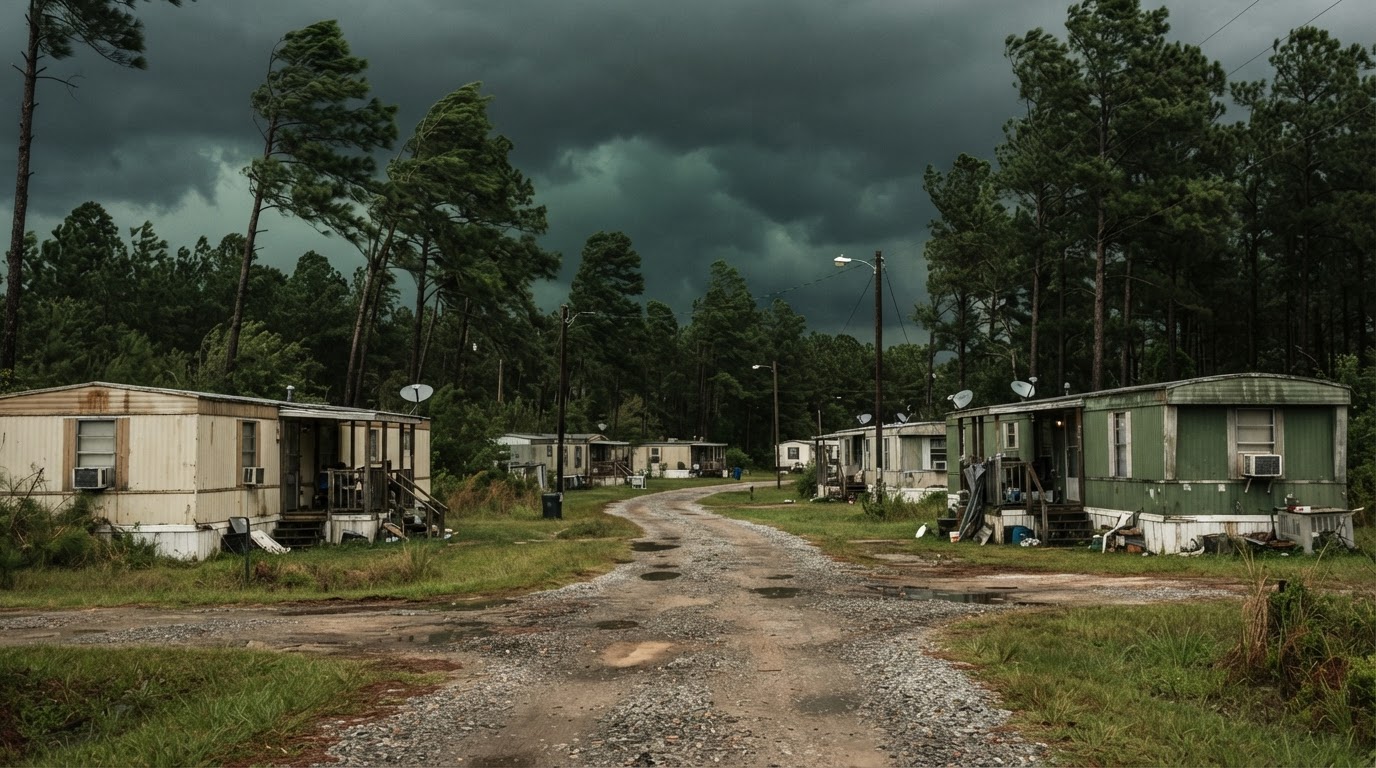 Mobile Home Tornado Safety: What Actually WorksMobile homes are particularly vulnerable to tornadoes. Learn the proven strategies that save lives, based on official guidance…Jun 21, 2026Read guide →
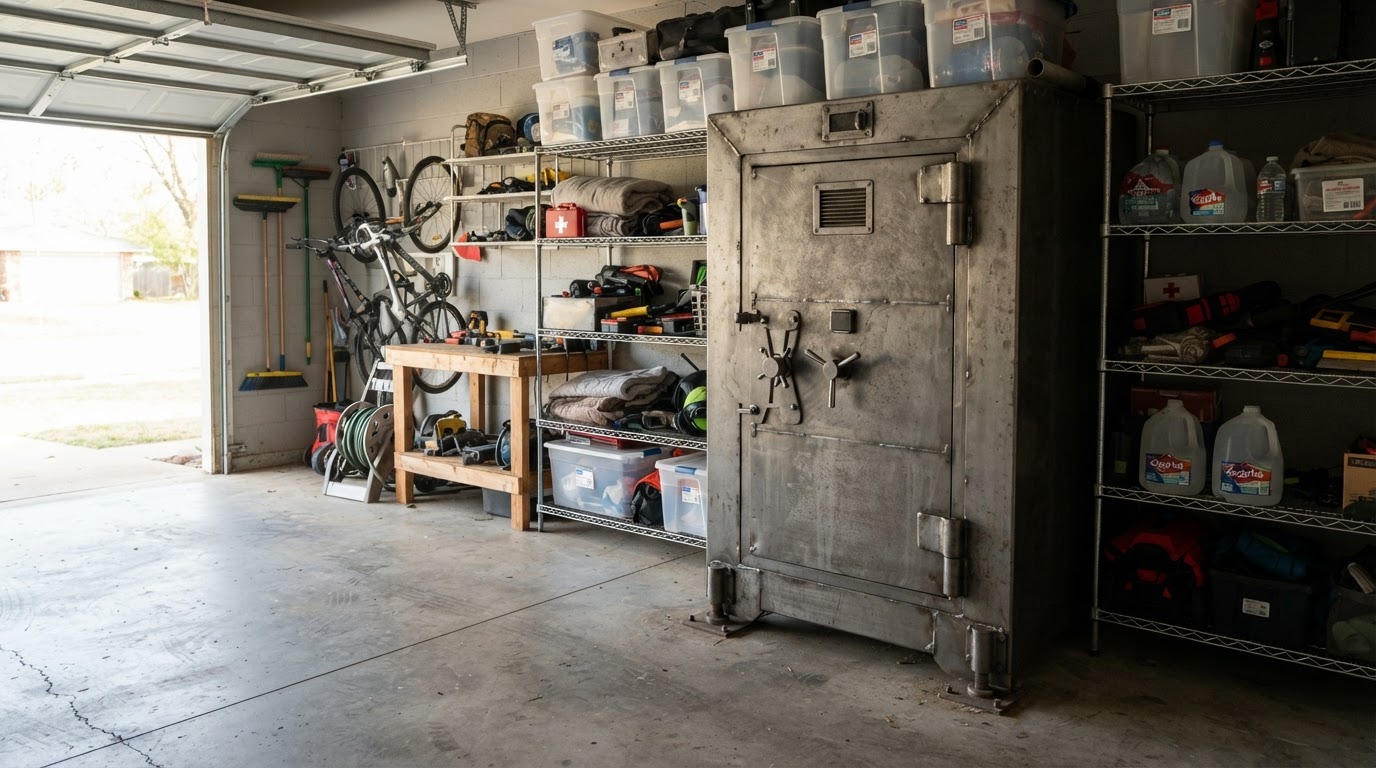 Tornado Safe Room vs Storm Shelter: Costs & Options for HomeownersLearn the key differences between tornado safe rooms and storm shelters, including costs, installation options, and FEMA…Jun 21, 2026Read guide →
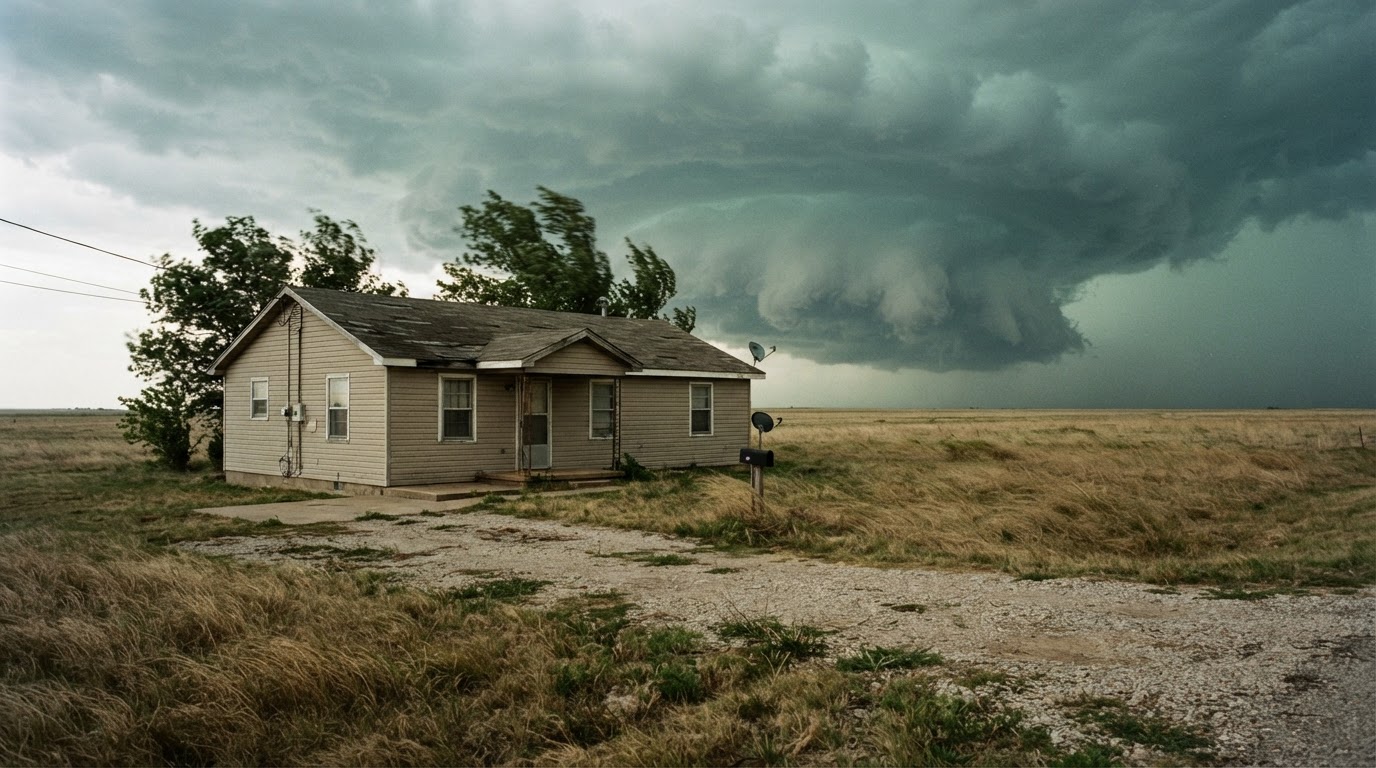 Safest Place in Your House During a Tornado by Home TypeWhere you take shelter during a tornado depends on your home type. Learn the safest locations for single-family homes,…Jun 21, 2026Read guide →