
Local focus: Winter Storms
Cheyenne, Wyoming home risk profile
Laramie County · Statewide overall risk: Moderate
What this page is
Cheyenne sits in Laramie County, Wyoming. This is a local briefing: it names the hazard that usually matters most here (Winter Storms), then shows the statewide ratings Wyoming homeowners use to decide what official map to open. It is not a flood-zone letter or an insurance quote.
- Confirm the neighborhood with a ZIP lookup.
- Open Winter Storms in Wyoming.
- Verify the address on the official maps in the sidebar, then read a matching guide.
Cheyenne sits on the high plains at over 6,000 feet, where the Rocky Mountains meet Wyoming's open grassland, and where winter storms hit with full force. Blizzards sweep down from the north and stall against the Laramie Range, burying the city in snow driven by winds that regularly gust past 60 miles per hour. Interstate 80 and Interstate 25, the city's economic lifelines, close frequently in winter, sometimes for days. For homeowners, winter is not a season here; it is the operating environment.
The wind is what makes Cheyenne's winters destructive rather than merely cold. Sustained high winds tear at roofs, topple fences and trees, and drive snow into drifts that bury cars and block doors. Rapid temperature swings, as chinook winds can move the thermometer 40 degrees in hours, stress roofing, siding and foundations through freeze-thaw cycles. Spring brings severe thunderstorms and some of the region's largest hail, a secondary hazard that punishes roofs already weakened by winter.
The resilient Cheyenne home has a wind-rated roof sealed against driving snow, with gutters and attic ventilation that prevent ice dams during the freeze-thaw swings. Keep a generator or backup heat source, since extended outages during blizzards are a real risk, and stock supplies for being snowed in for several days. When buying, ask about the roof's age and wind rating, check drainage away from the foundation for spring melt, and confirm the home's insulation and heating capacity; in Cheyenne, the heating bill is part of the mortgage math.
How to read the Cheyenne snapshot
Cheyenne is in Laramie County, Wyoming. This page does not score individual streets. It tells you which statewide hazards matter most here, then points you to the official map for the address you care about.
The local focus is Winter Storms in Wyoming. Weight of ice and snow is often covered; flood from a burst pipe or ice jam may need extra coverage. Frozen-pipe exclusions show up when heat was off.
Highest statewide ratings that apply in Cheyenne
- Wildfires — Extreme. If you own a home in Wyoming, wildfire risk is something you need to take seriously. Here's what that means for your…
- Winter Storms — Extreme. If you own a home in Wyoming, winter storms are not a maybe—they are the main event, with blizzards, ice, and wind…
- Drought — Major. Wyoming's drought risk is real — much of the state gets less than 16 inches of precipitation a year, and the western…
What to do before you buy or renew in Cheyenne
- Look up the ZIP on our ZIP tool so you land on this city or the Wyoming profile.
- Open the Winter Storms page and follow the official map links in the sidebar.
- Confirm preparedness guidance with Wyoming Office of Homeland Security.
Other Wyoming city briefings: Casper.
Hazard ratings for Wyoming
These are state-level scores used across Cheyenne. Use them as a starting point, then verify your exact address with the official maps linked on each hazard page.
What the ratings mean
"MinimalMinorModerateMajorExtreme
Each rating is a statewide starting point, framed for a typical 30-year stay — the length of a standard mortgage. A neighborhood can look different from the state average. Always verify your address with official FEMA, NOAA or USGS maps.
Using the Cheyenne profile
- Does Cheyenne have its own hazard scores?
- No. Cheyenne inherits Wyoming’s statewide ratings. Use this page to see which peril matters most locally (Winter Storms), then verify the exact address — two streets in Laramie County can differ.
- What should I check first in Cheyenne?
- Start with Winter Storms in Wyoming, then a ZIP lookup and the FEMA or USGS map that matches that hazard.
- Will homeowners insurance cover Winter Storms here?
- Weight of ice and snow is often covered; flood from a burst pipe or ice jam may need extra coverage. Frozen-pipe exclusions show up when heat was off.
Last updated: October 14, 2026. Ratings are state-wide estimates — always verify your specific address with official sources.
Guides for Wyoming homeowners
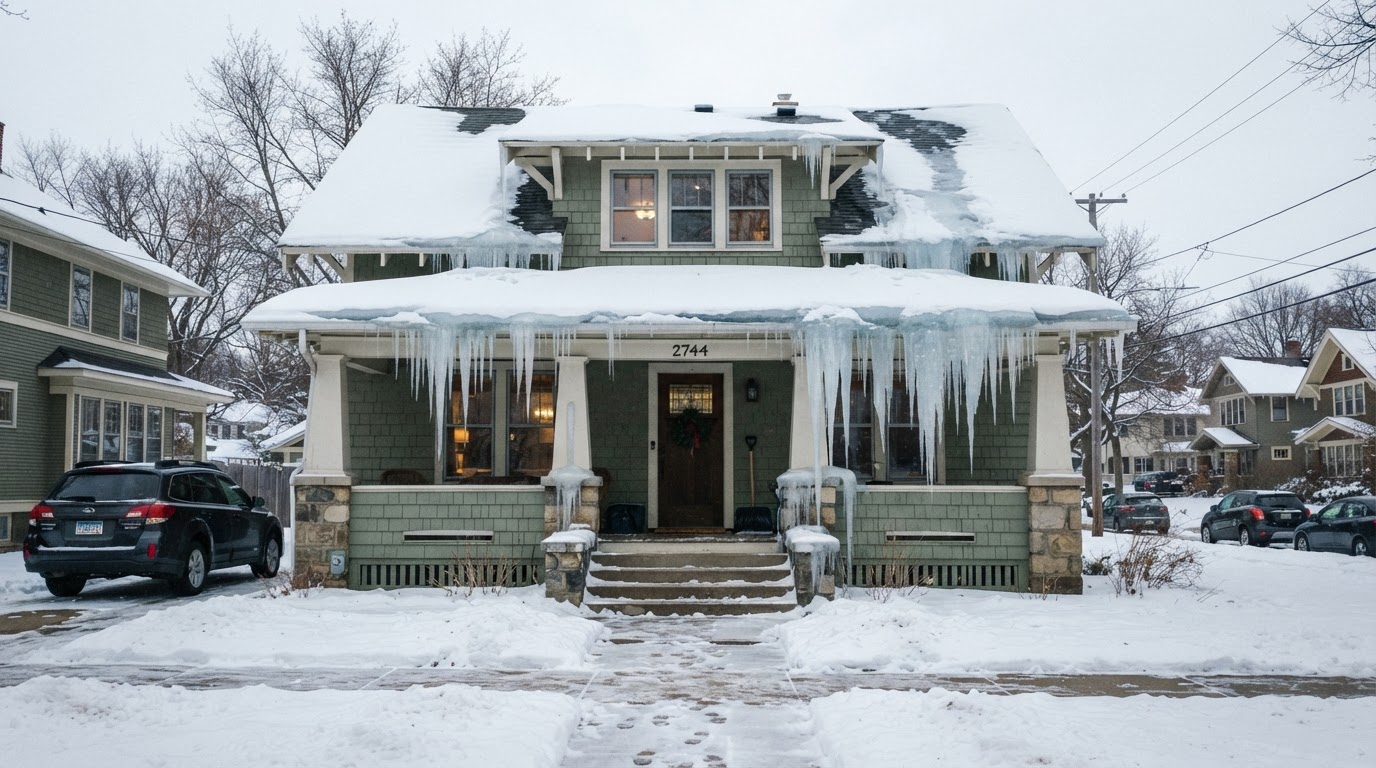 Stop Ice Dams: Essential Prevention Tips for Your RoofIce dams can cause costly damage to your home. Learn how to prevent them with proper insulation, ventilation, and smart home…Jun 21, 2026Read guide →
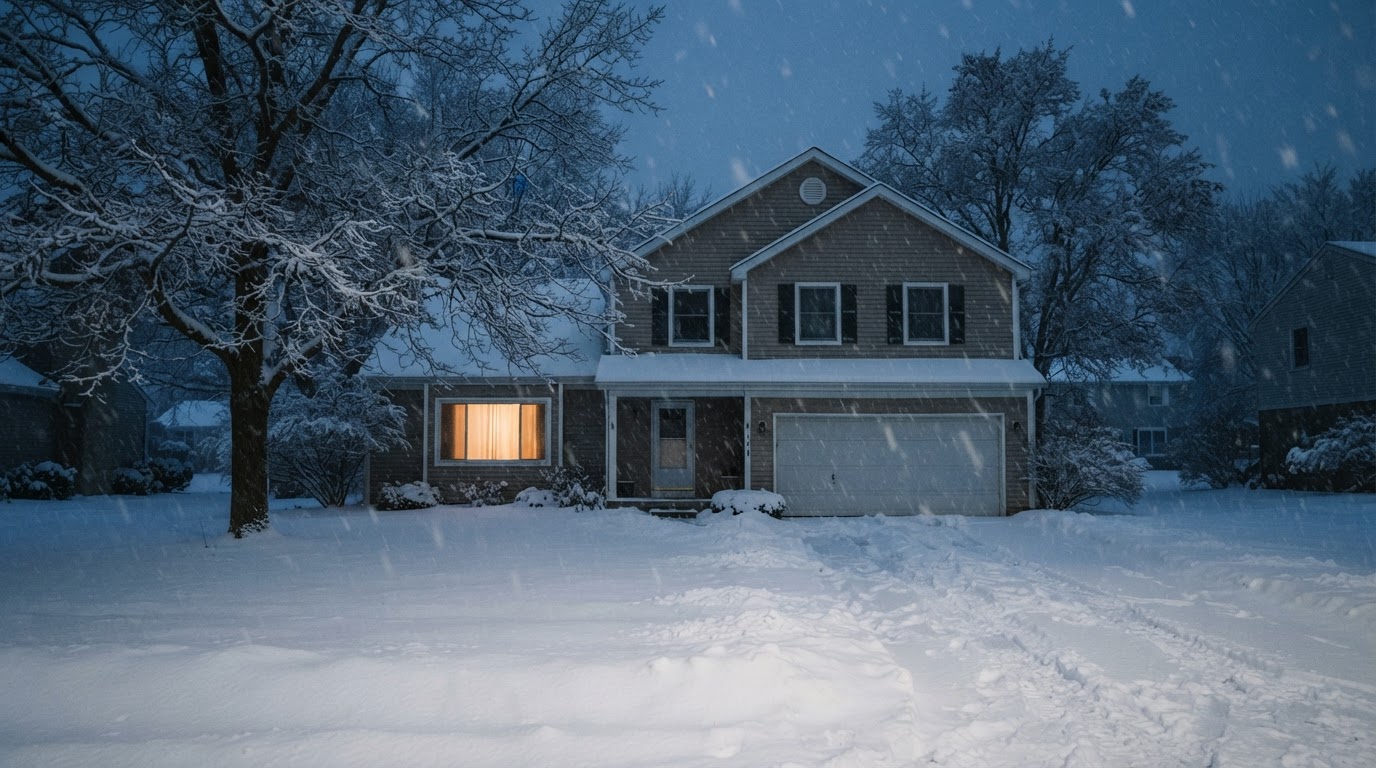 Safe Backup Heating for Winter Power Outages: Expert TipsLearn how to stay warm safely during a winter power outage with backup heating options recommended by FEMA, Ready.gov, and the…Jun 21, 2026Read guide →
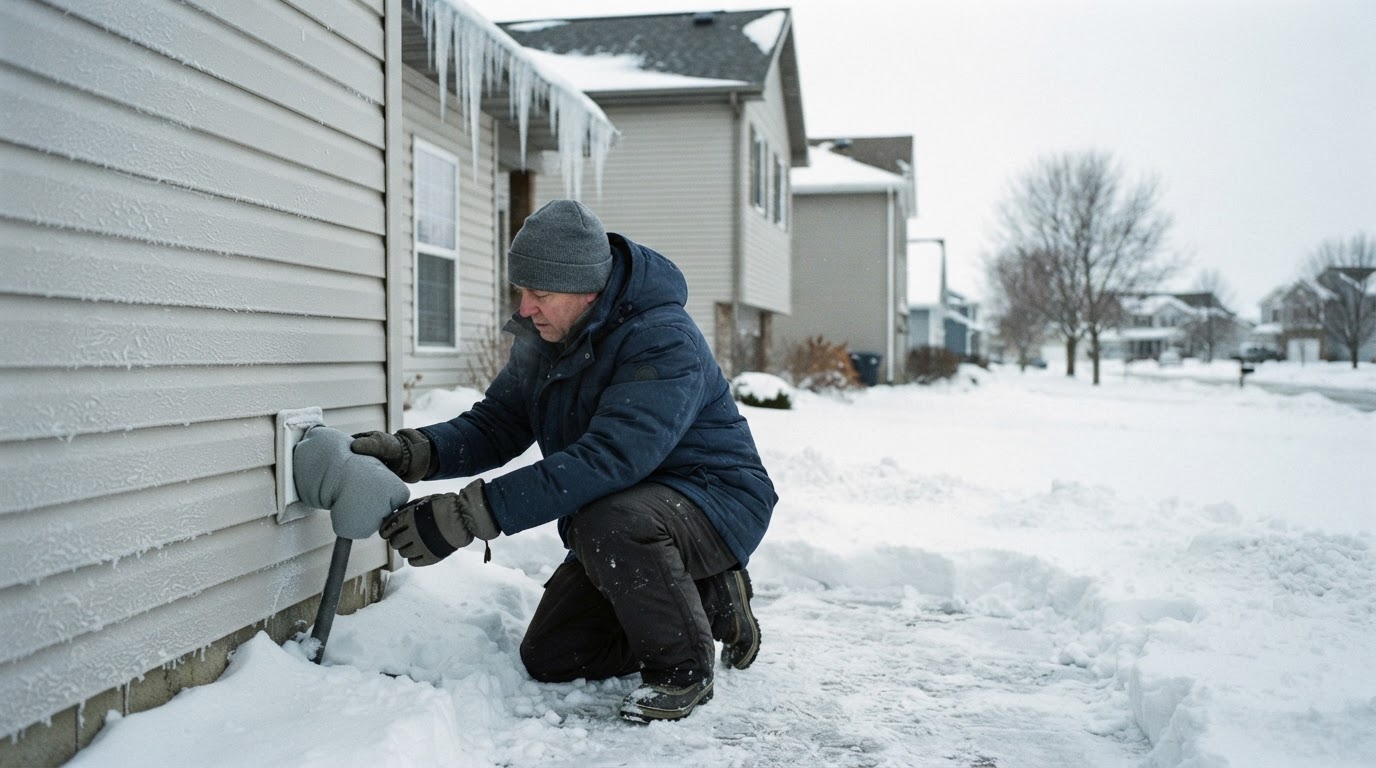 Prevent Frozen and Burst Pipes This WinterFrozen pipes can burst and cause costly water damage. Learn practical steps from FEMA and Ready.gov to protect your home before,…Jun 21, 2026Read guide →